Guangzhou Dazhanggui Hotel Supplies Co., Ltd. (Brand: EBOSS) was established in 2017 and specializes in the research, development, manufacturing, and sales of commercial melamine tableware. Headquartered in Guangzhou, China, EBOSS benefits from the mature hospitality supply chain in South China and operates its own manufacturing facility in Dongguan, providing integrated capabilities in product development, production, quality control, and customer service.
EBOSS provides commercial melamine tableware and complete tabletop solutions for hotels, restaurants, catering companies, banquet venues, and food service businesses. Our product range includes plates, bowls, cups, trays, and tableware sets, designed to meet the diverse requirements of different dining environments, including Chinese cuisine, banquet dining, buffet service, and institutional catering.
Melamine tableware is widely recognized for its lightweight design, excellent durability, impact resistance, and easy maintenance, making it ideal for high-frequency commercial use. With strong OEM/ODM capabilities, EBOSS supports customized solutions including pattern design, size adjustments, product combinations, and private label development to help customers create consistent and professional tabletop presentations.
EBOSS is actively expanding its global market presence and seeking long-term partnerships with overseas distributors, hospitality suppliers, and catering industry partners. Through strategic channel cooperation, we aim to provide more customers with professional commercial tableware solutions. We offer product selection support, tableware set configuration recommendations, and comprehensive pre-sales and after-sales services to help customers complete procurement and project implementation efficiently. For business cooperation and product inquiries, please contact: +86 20 39981488 / +86 180 2808 7379.
How to choose between melamine imitation porcelain tableware and ceramic tableware in commercial scenarios?
Melamine imitation porcelain tableware is lightweight, impact-resistant, and not easily broken, making it suitable for banquets, buffets, institutional catering, and other high-frequency turnover and self-service scenarios; ceramic has a heavier and more traditional feel, suitable for high-end formal dining but with a relatively higher breakage rate. Procurement can be based on turnover rate, cleaning method, budget, and tabletop style; for high-frequency scenarios, melamine imitation porcelain is preferred.
How to understand the material safety of melamine imitation porcelain tableware?
Melamine tableware uses melamine-formaldehyde resin as raw material and is formed by high-temperature molding; regular products should use raw materials that meet food contact requirements. During procurement, attention should be paid to whether the product indicates food contact use, temperature resistance range, and usage restrictions; avoid use under excessive temperature conditions, and it is not recommended for high-temperature heating environments such as microwaves or ovens.
How to make set combinations and selections for 275 imitation porcelain tableware items?
First determine the item types according to dining scenarios: banquet round-table dining mainly uses large plates, soup bowls, bone dishes, and sauce dishes; buffets mainly use compartment plates, dinner plates, and bowls; institutional catering mainly uses drop-resistant dinner plates and rice bowls. Then unify the pattern and rim decoration according to the tabletop style, and finally calculate the configuration per table based on the number of people and dishes. The company can provide set combination suggestions for one-time complete procurement.
What should be noted for daily use and cleaning of melamine imitation porcelain tableware?
It is recommended to use neutral detergent and soft cleaning tools, avoiding hard objects such as steel wool that scratch the surface; after cleaning, drain and store, avoiding long-term stacking and exposure to sunlight. Do not use melamine tableware in microwaves, ovens, or open flame heating, and it is not suitable for holding high-temperature oil or strongly acidic or alkaline foods for long periods, in order to extend service life.
How to confirm certifications and maintain product consistency during procurement?
You can request food contact material-related test reports and product conformity certificates from the supplier, and check the product name, material, and batch information in the reports. For bulk procurement, it is recommended to first take samples to confirm item type, weight, color, and edge treatment, then agree on acceptance standards. Subsequent replenishment should maintain the same mold and pattern to avoid batch color differences affecting tabletop consistency.

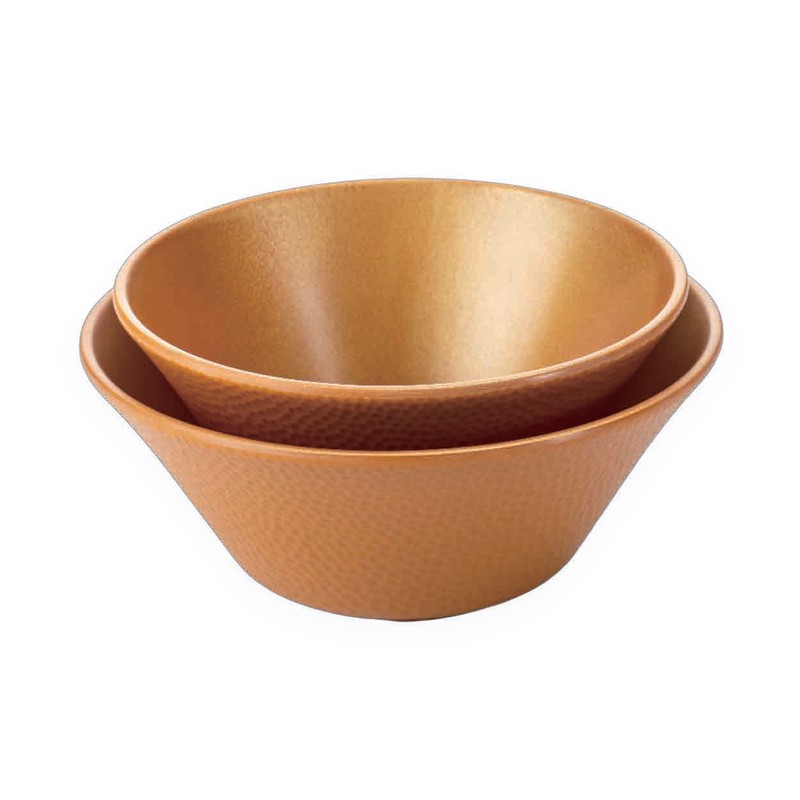
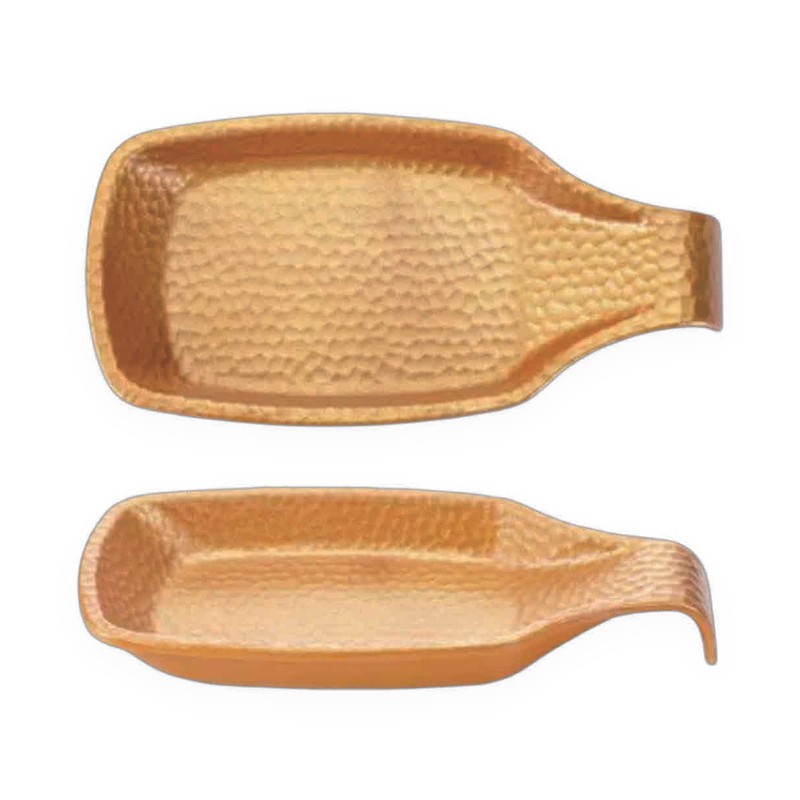
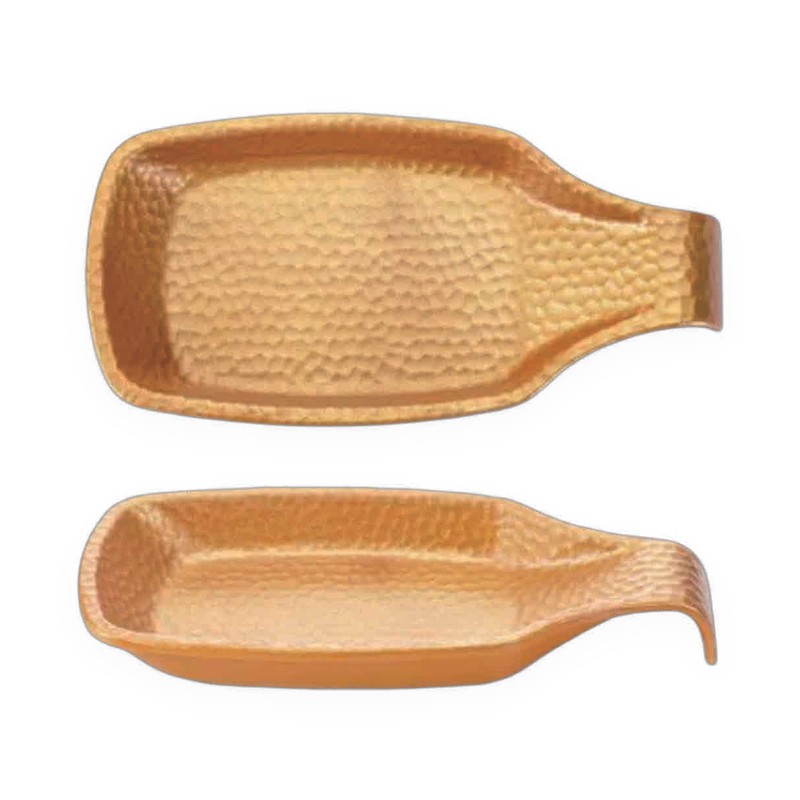
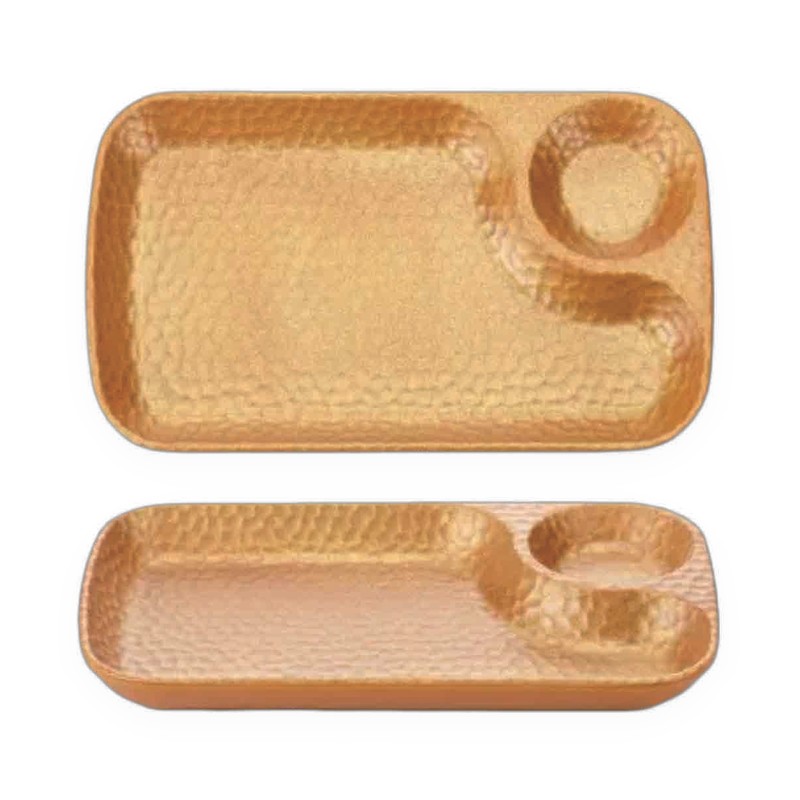
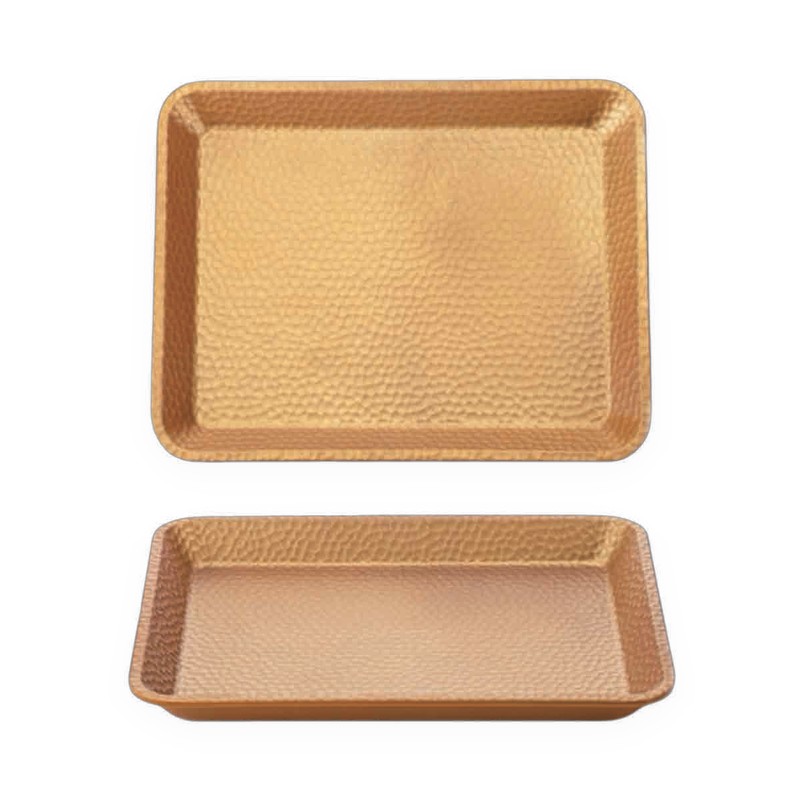
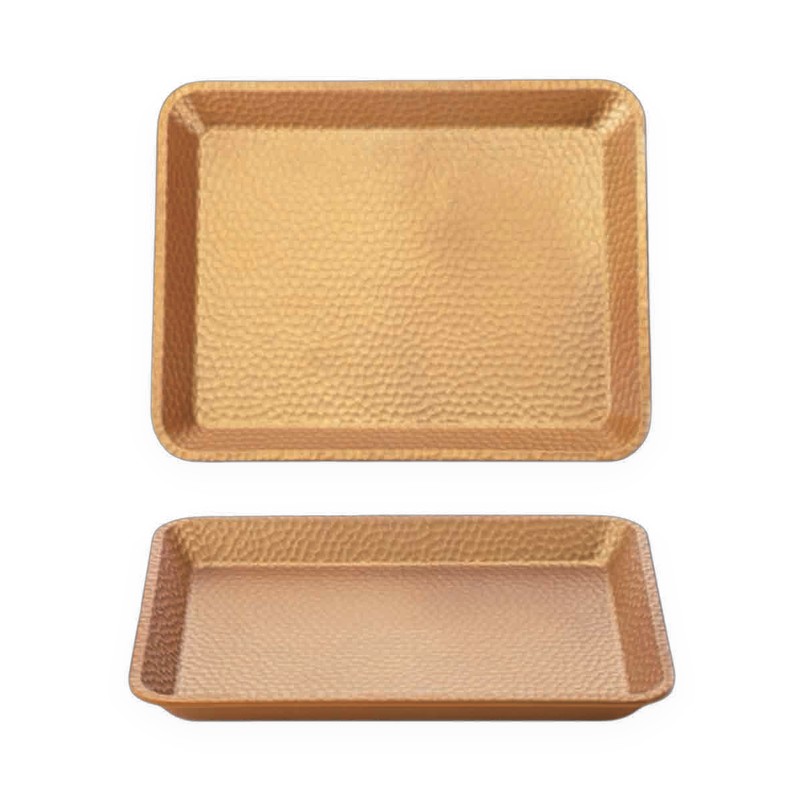
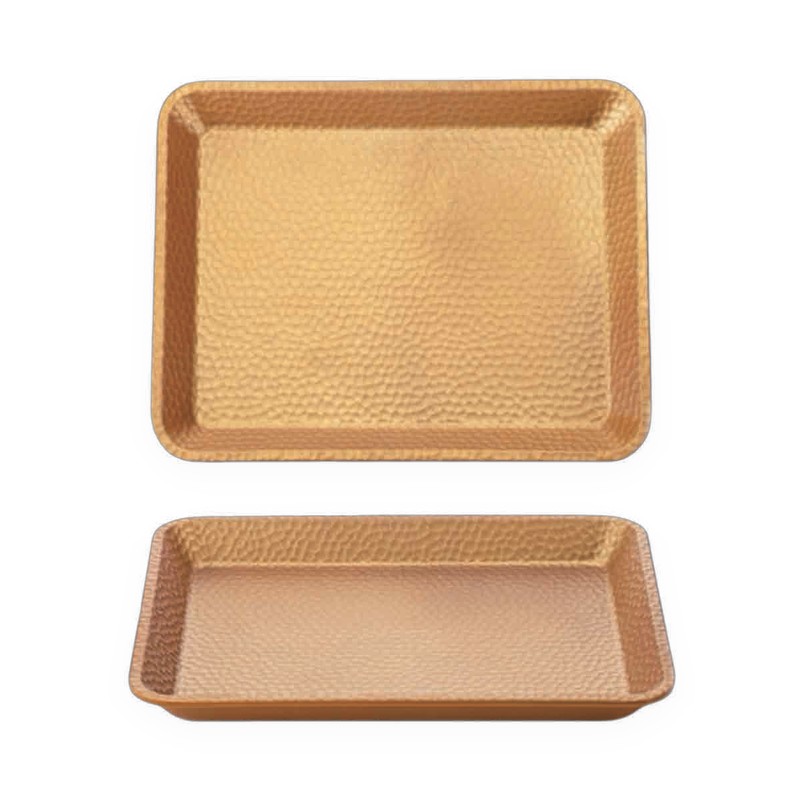
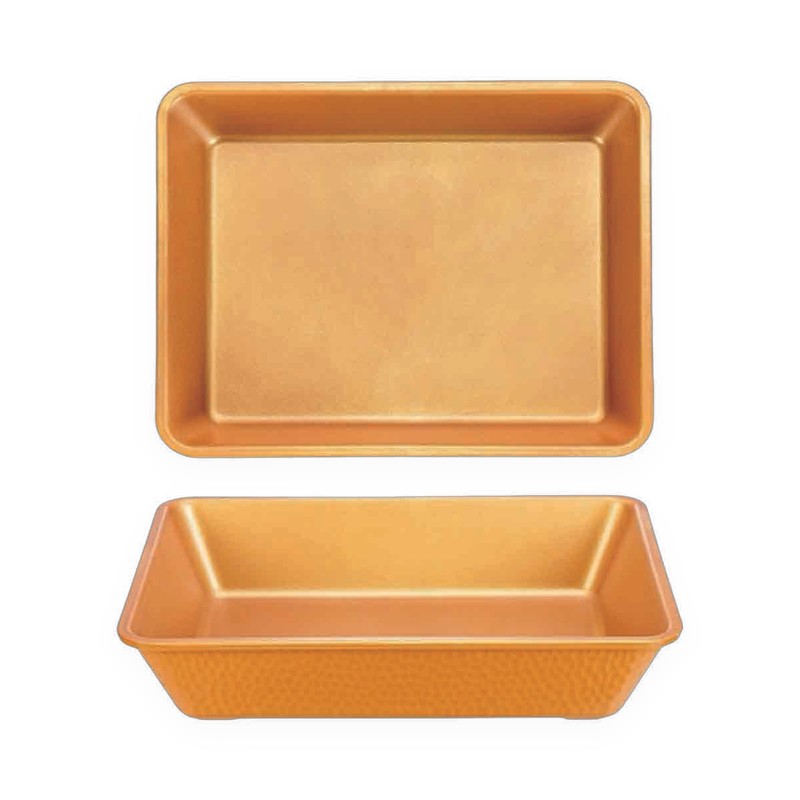
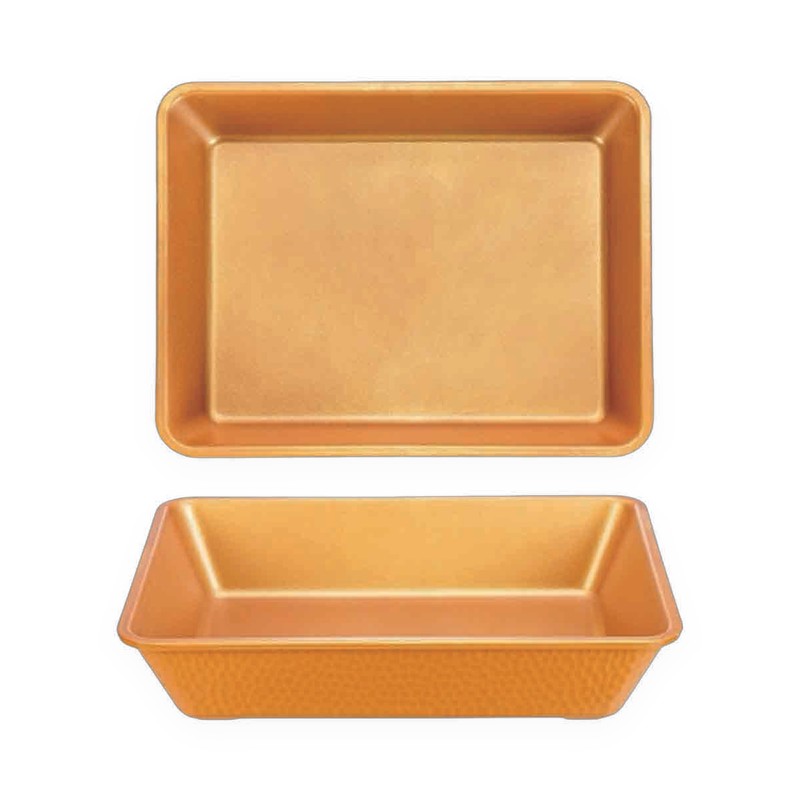
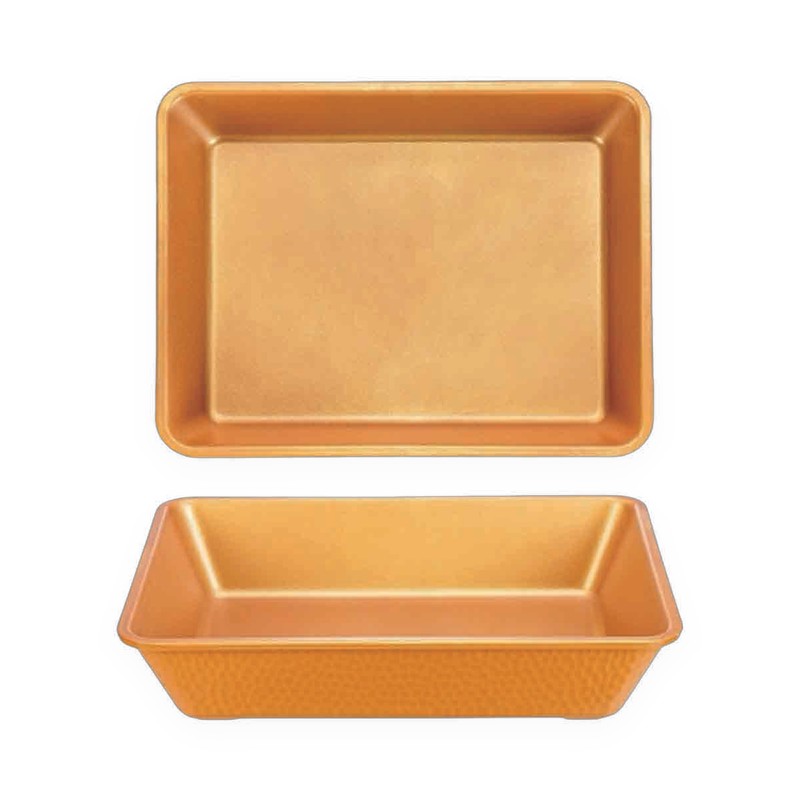
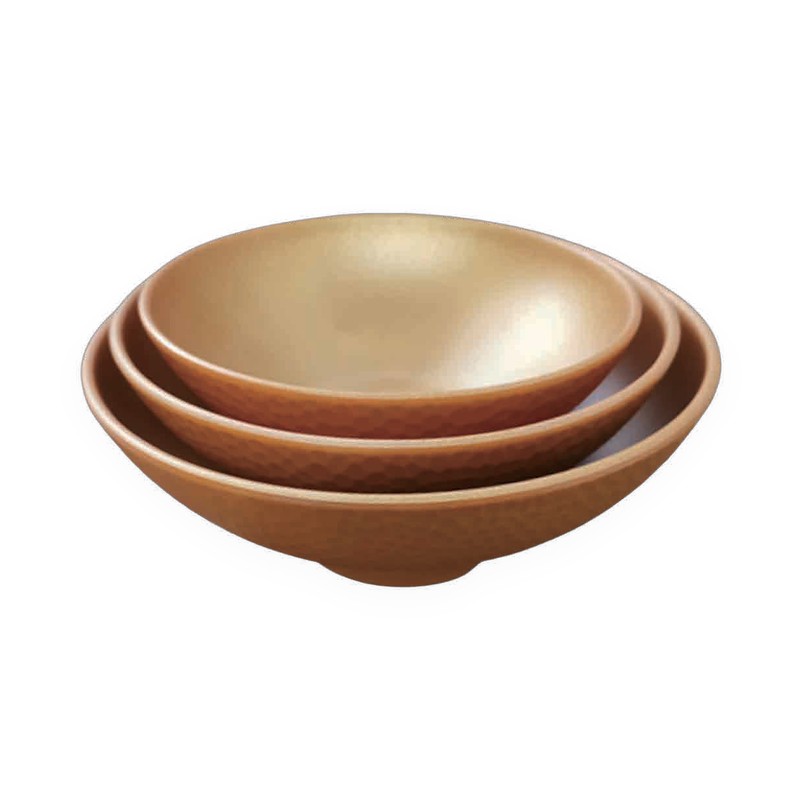
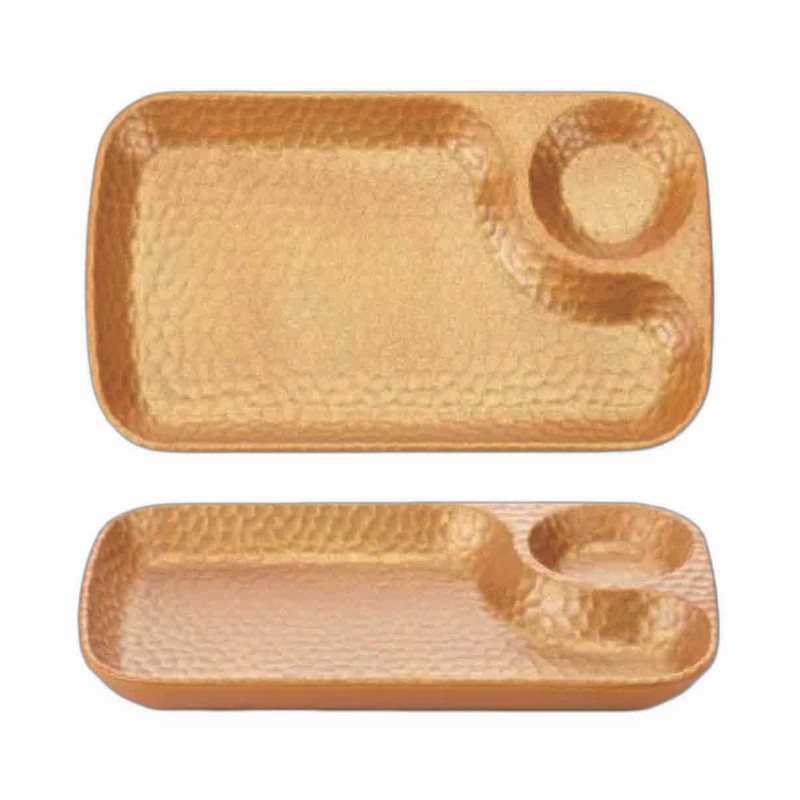
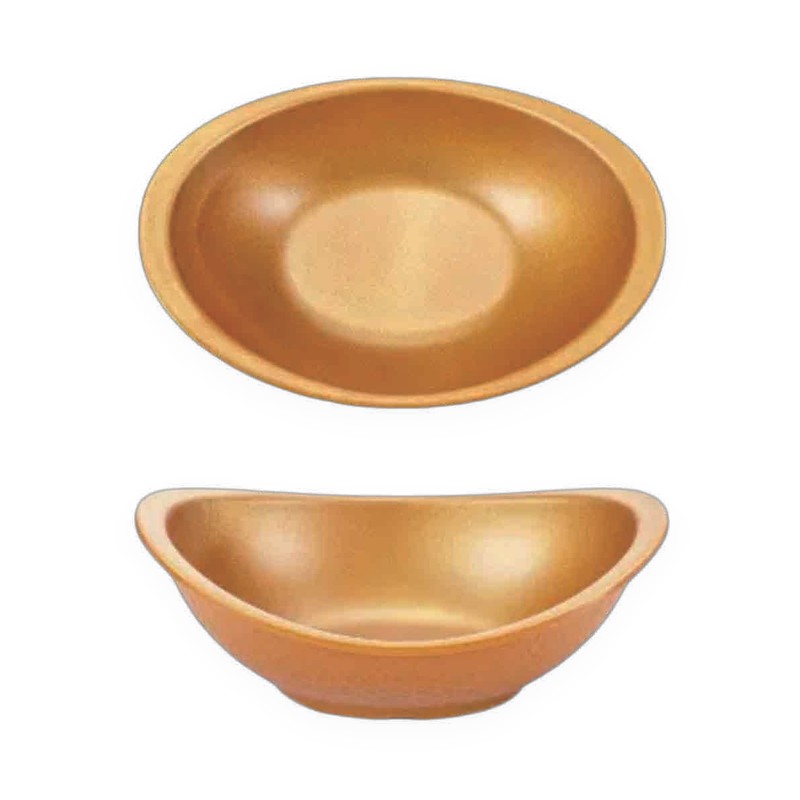
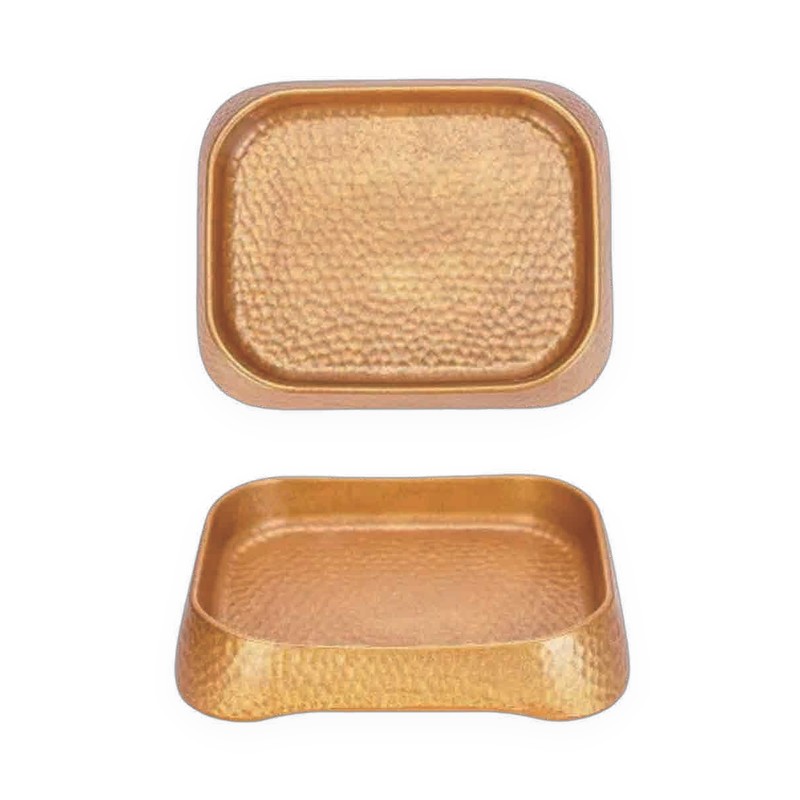
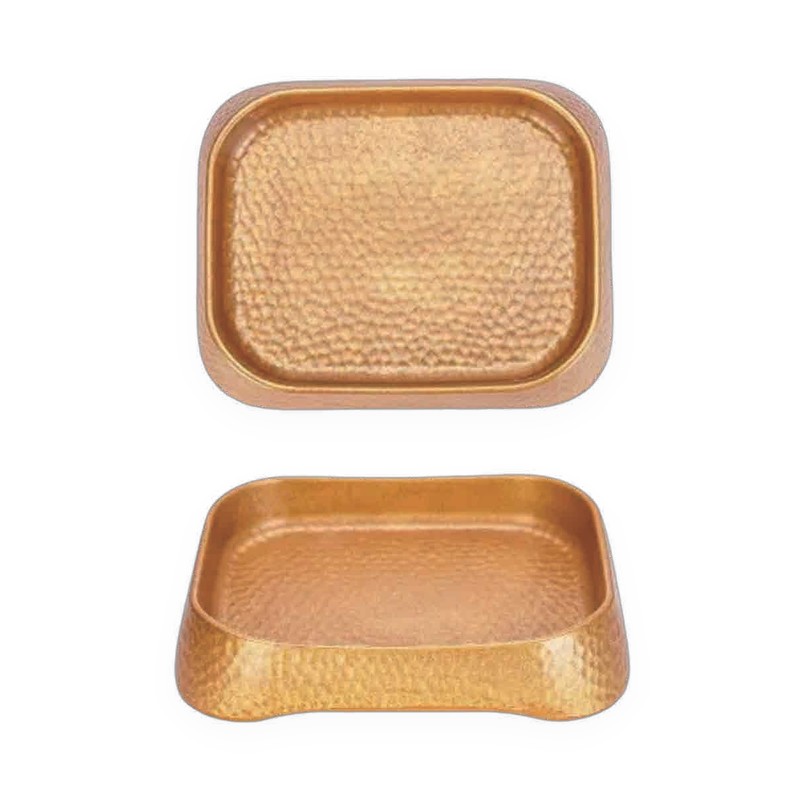
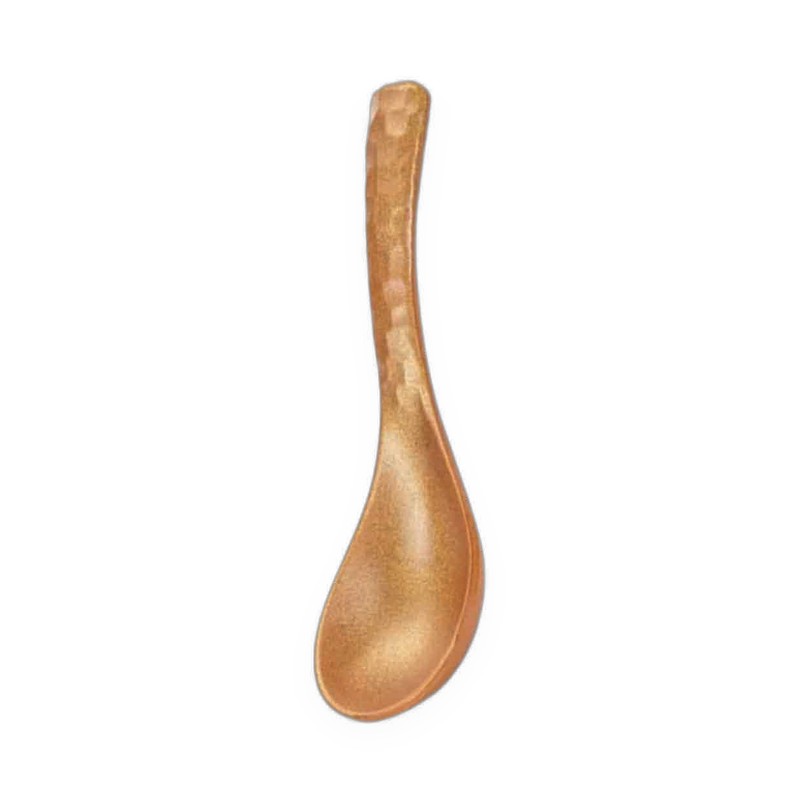
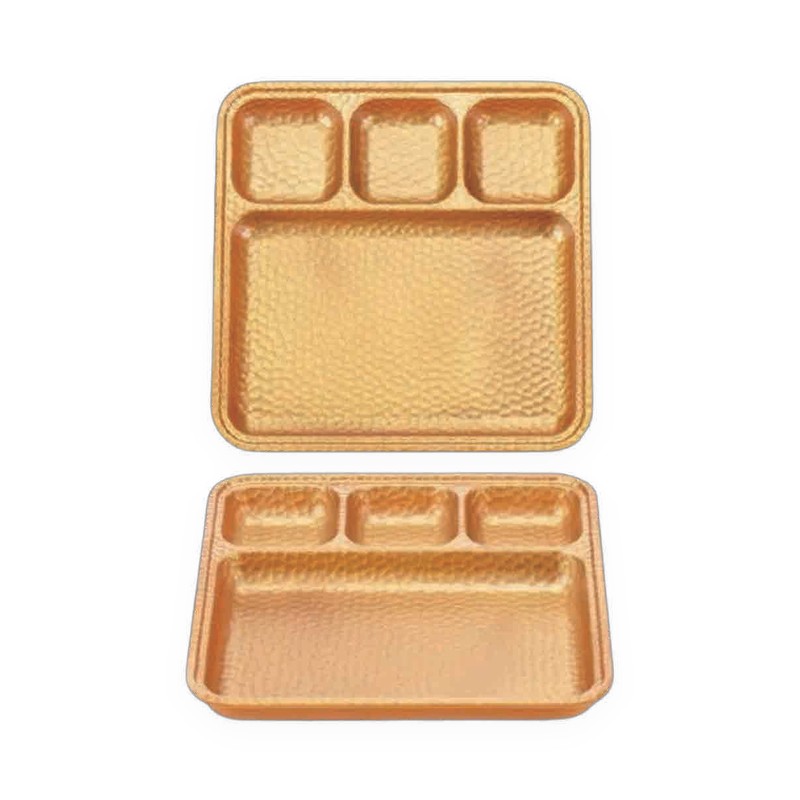
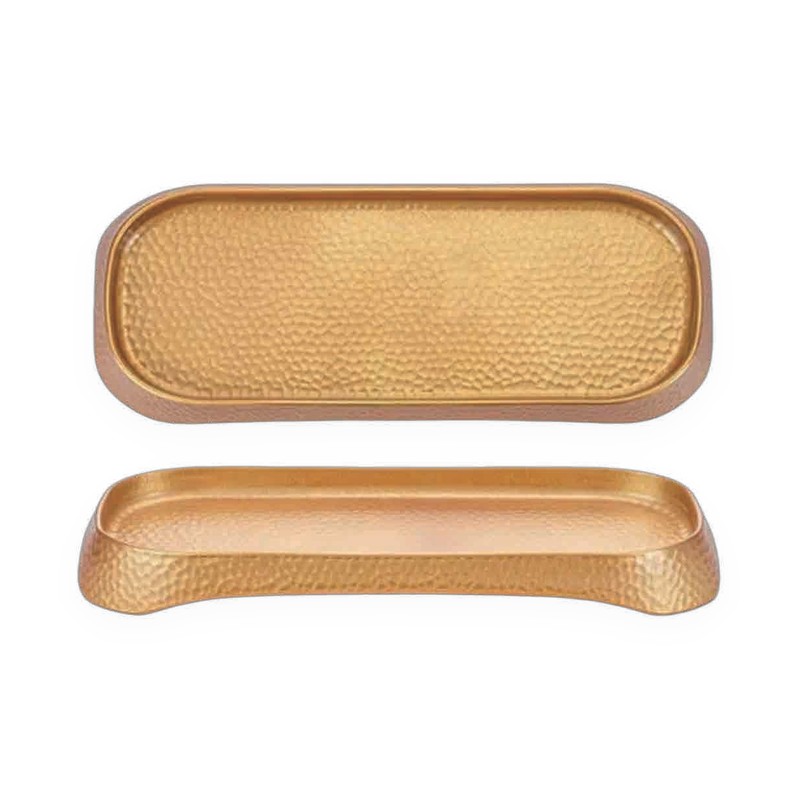
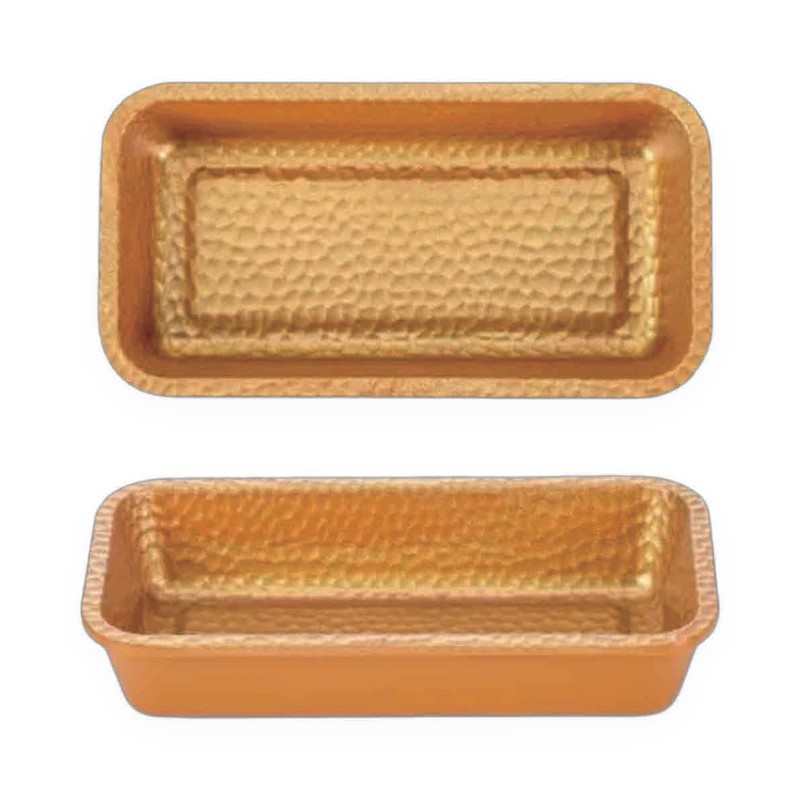
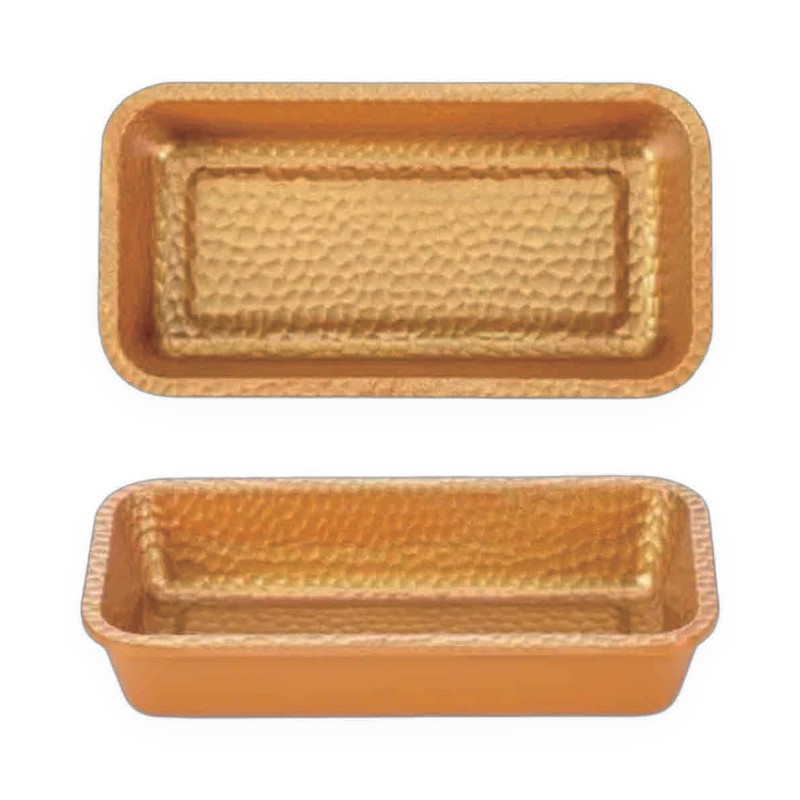
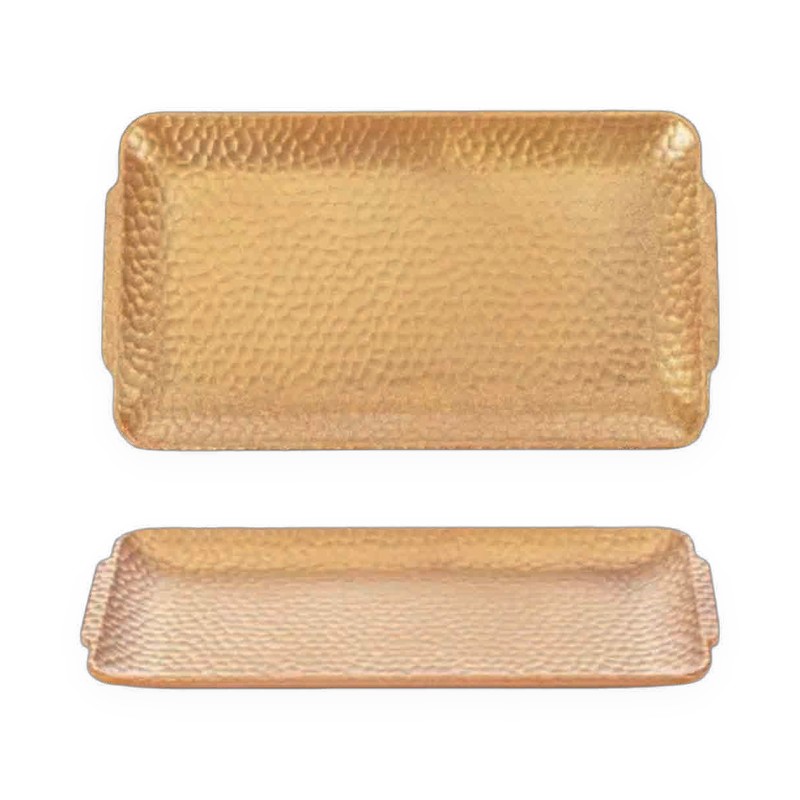
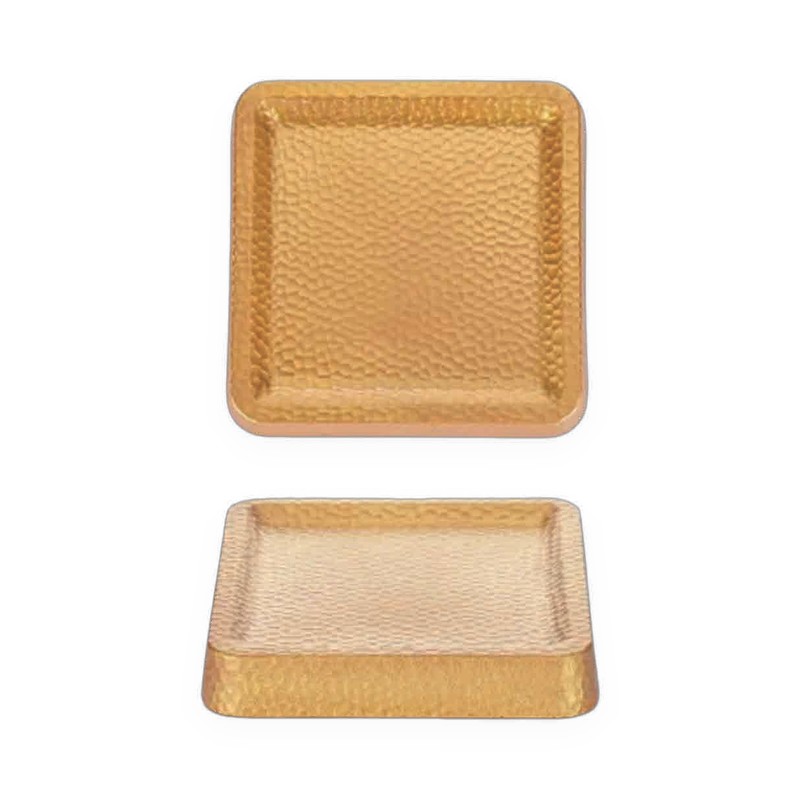
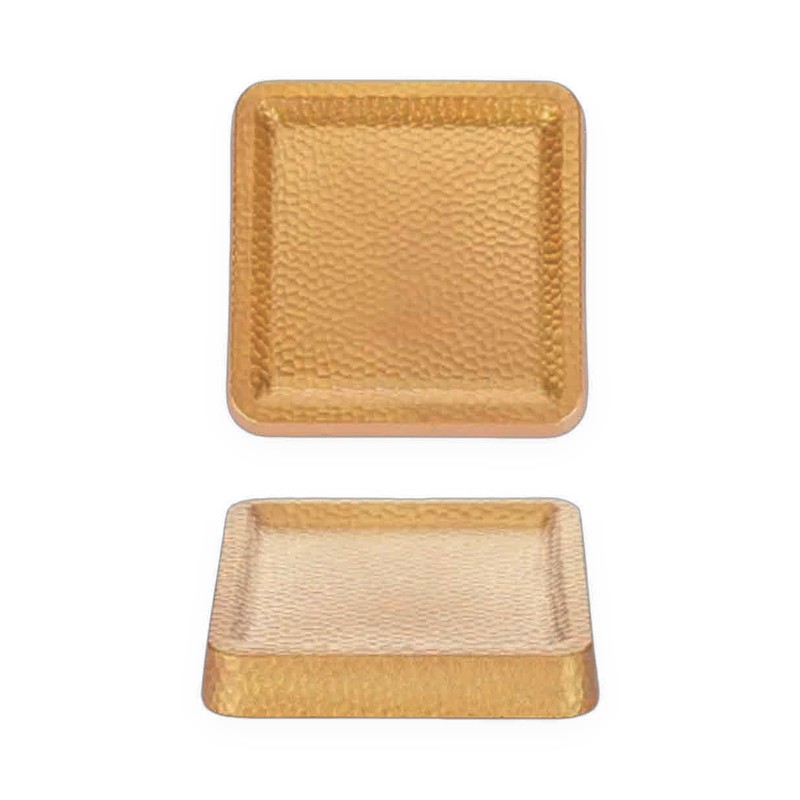
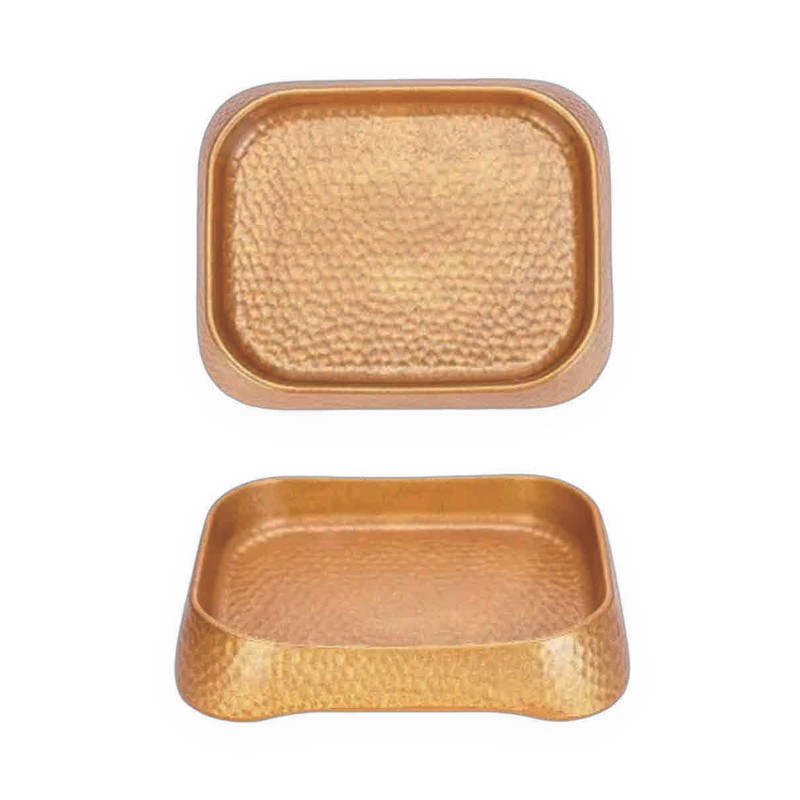
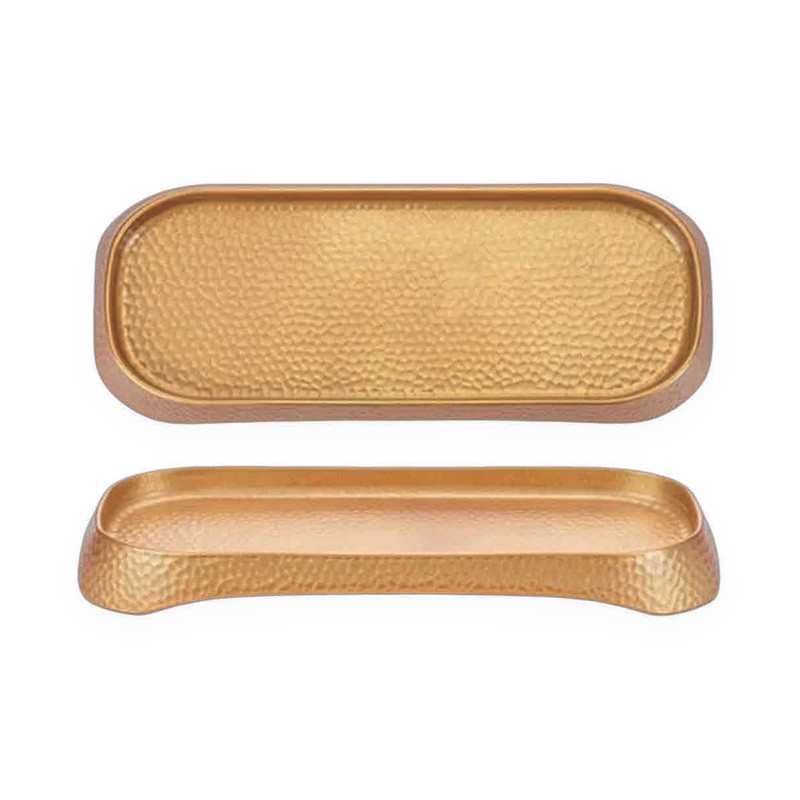
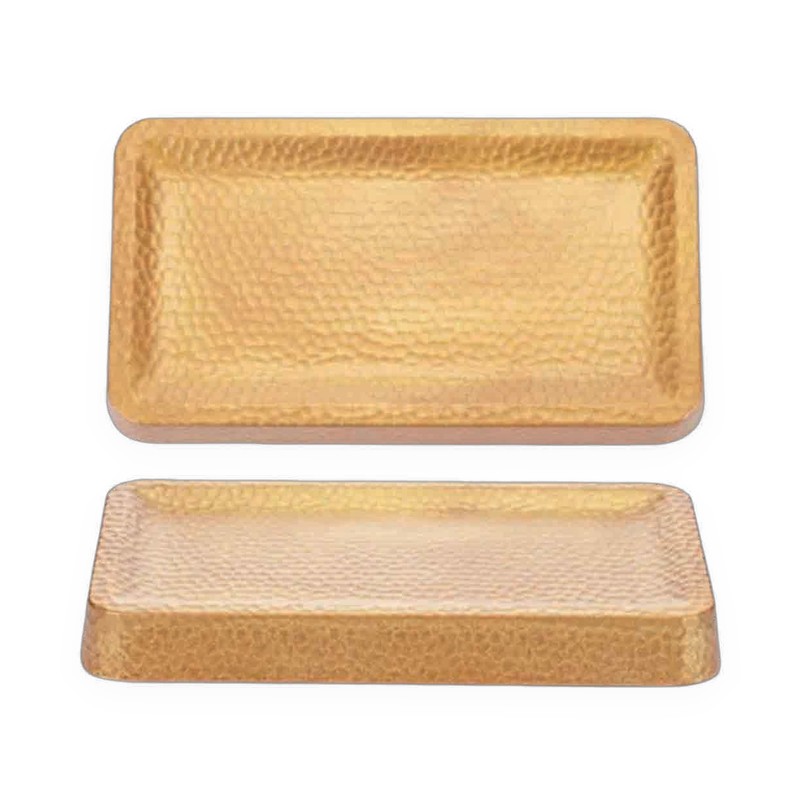
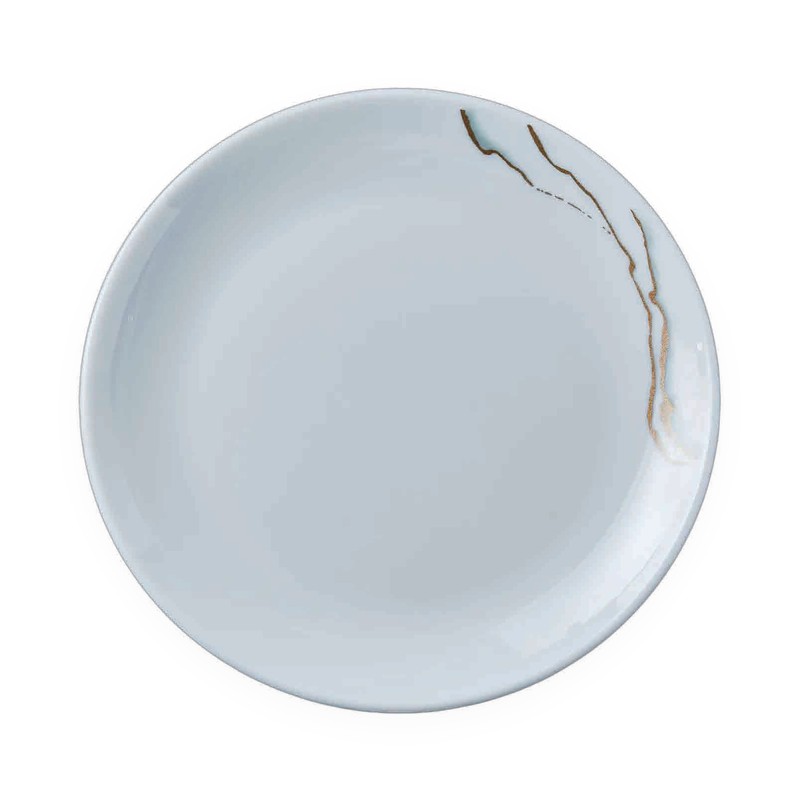
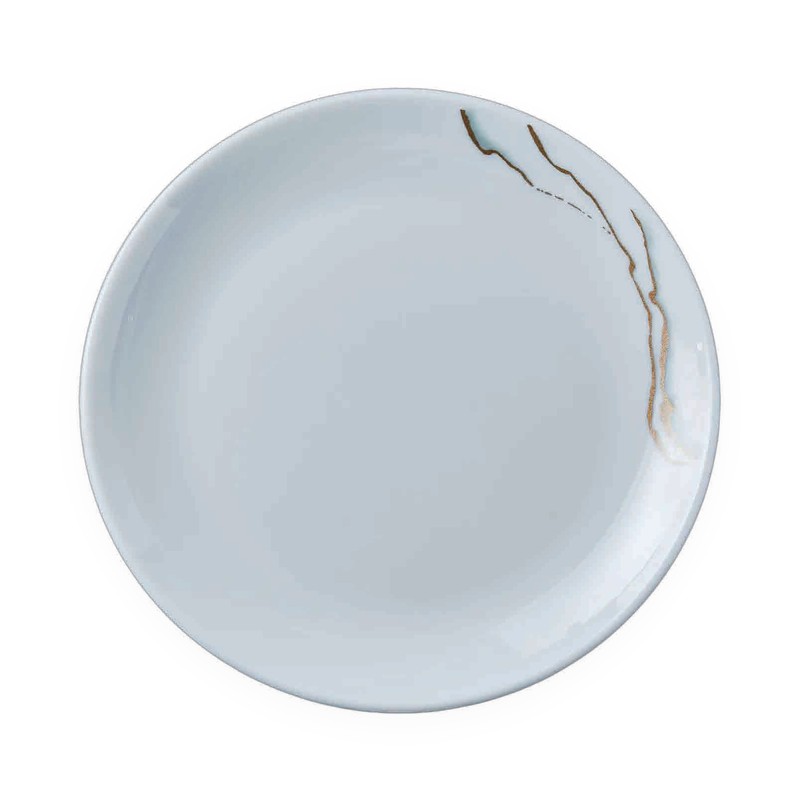
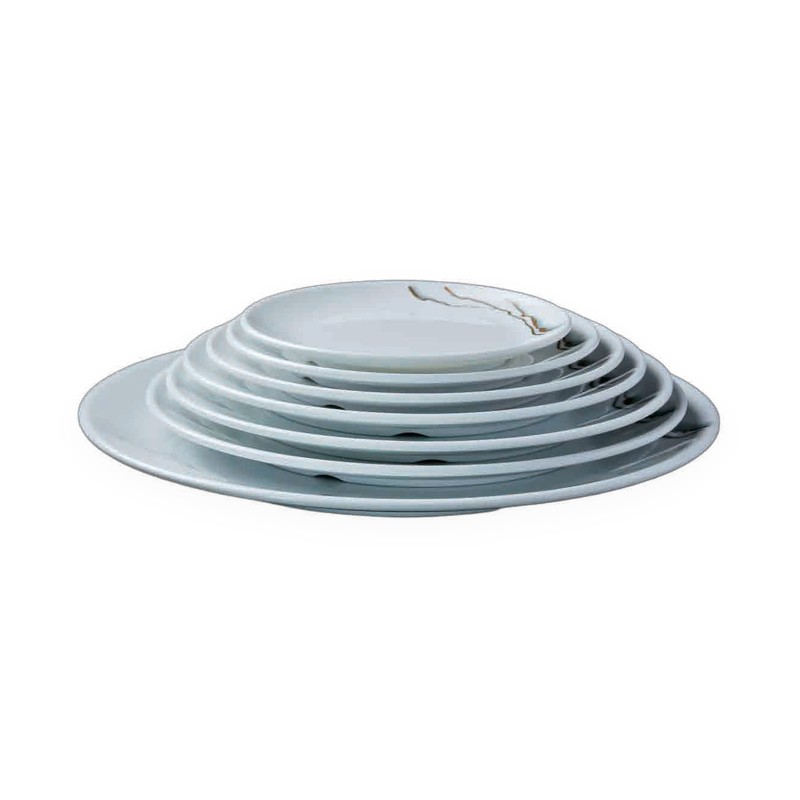
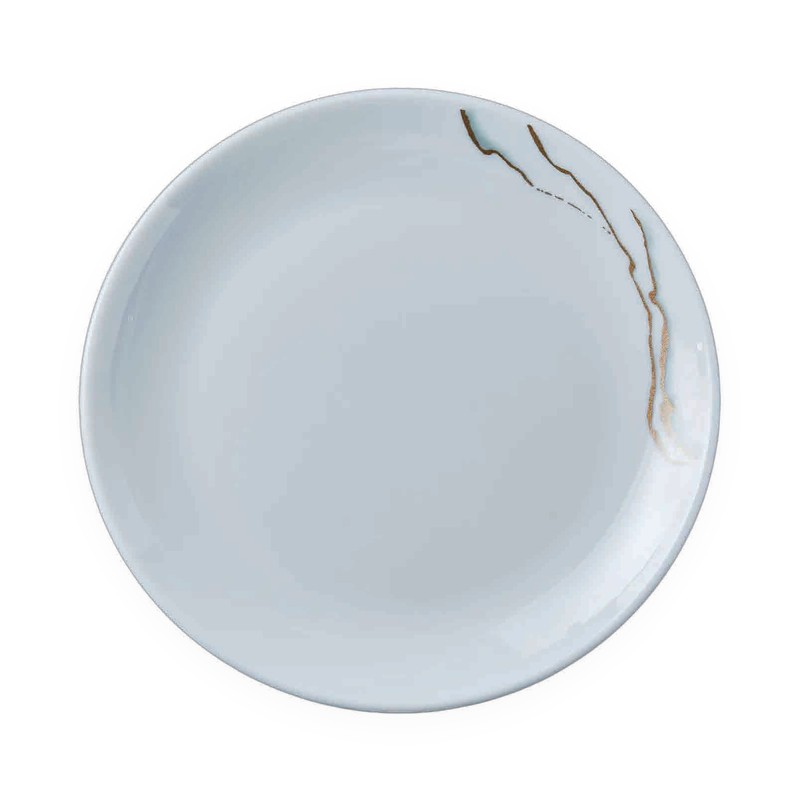
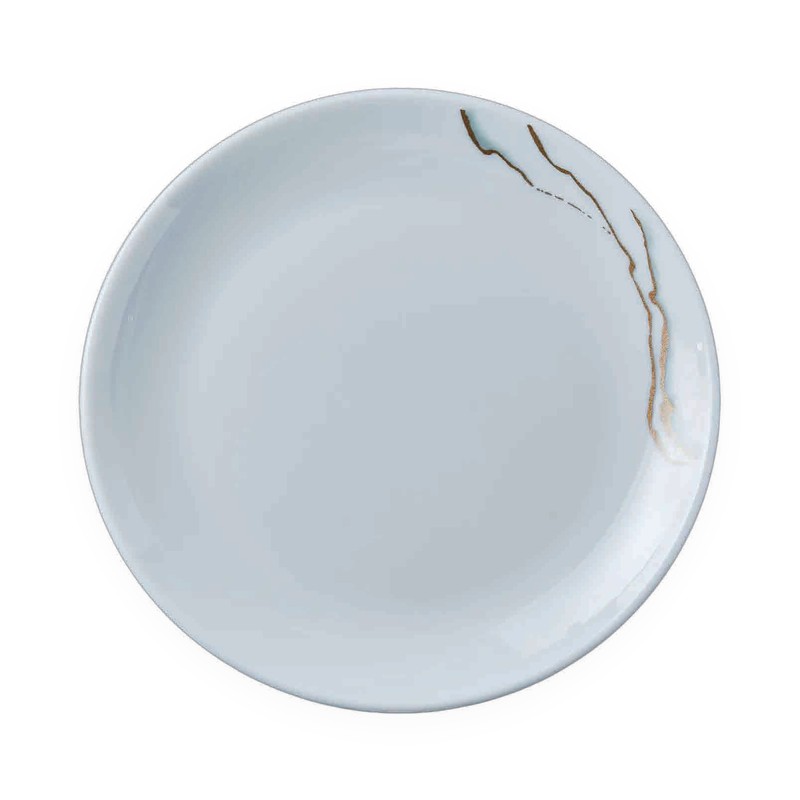
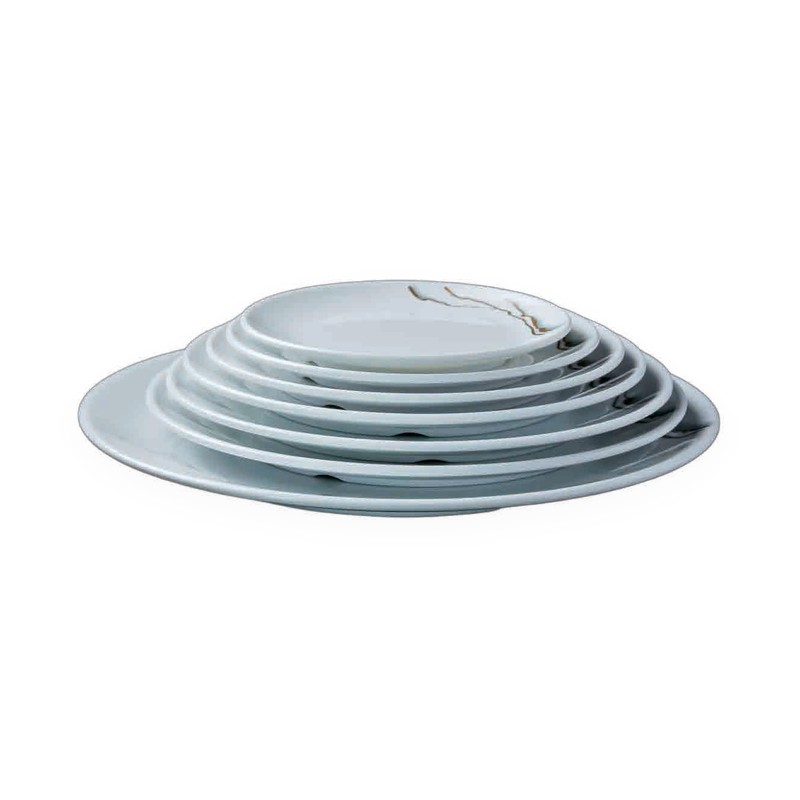
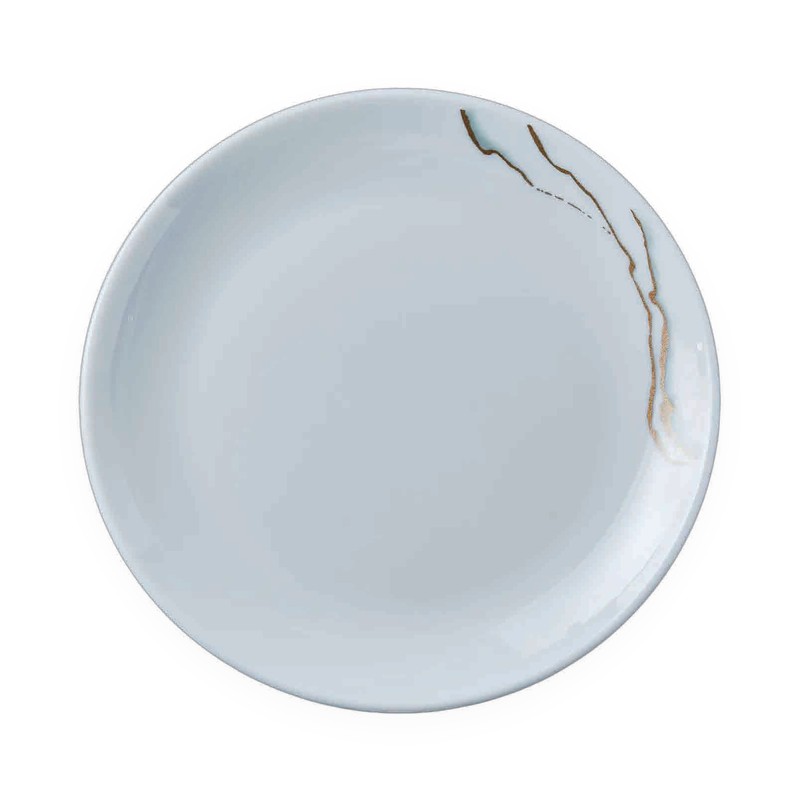
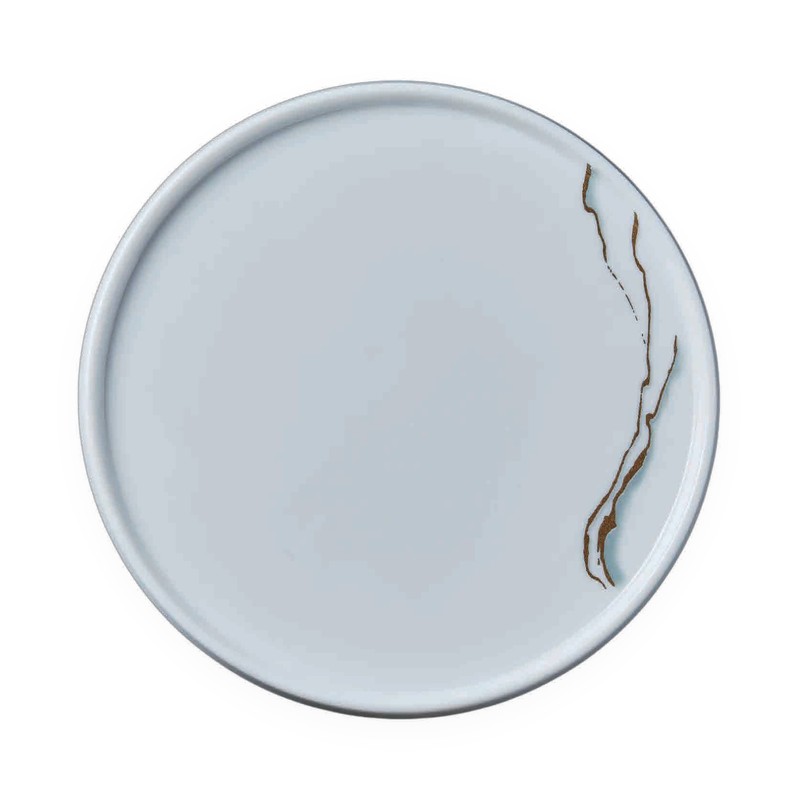
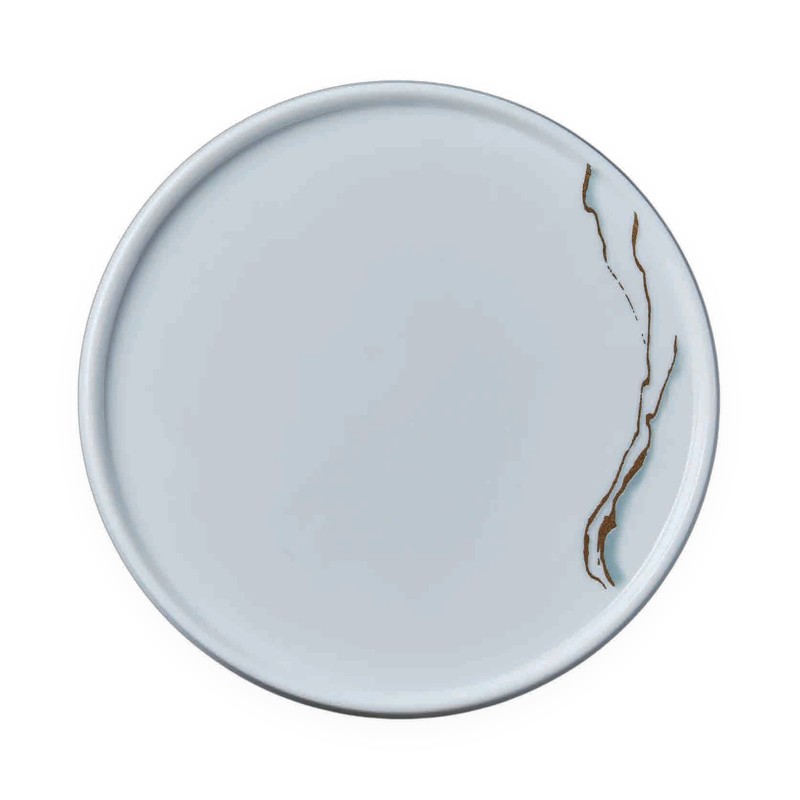
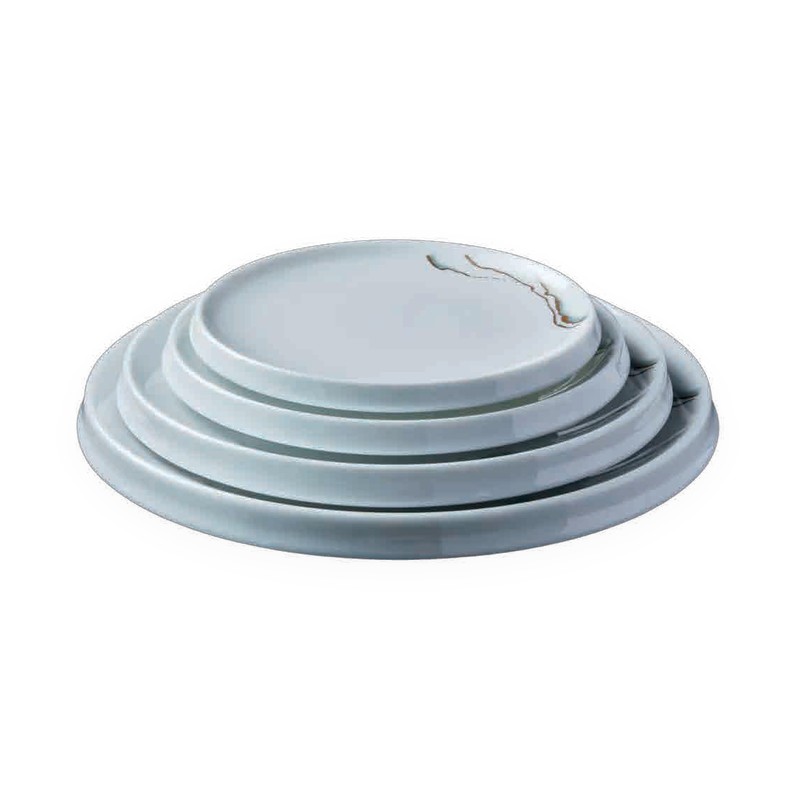
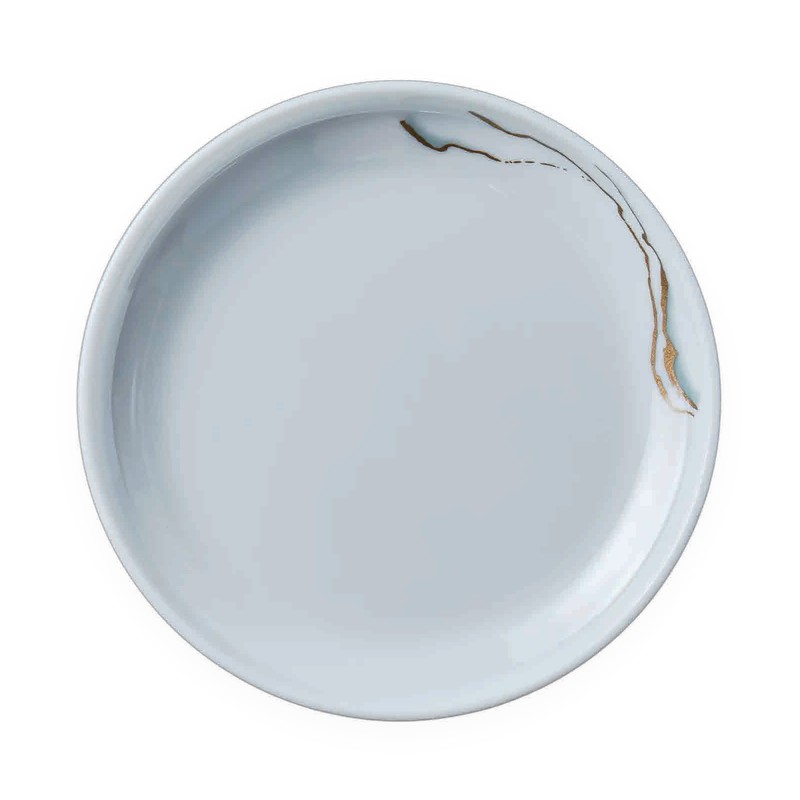
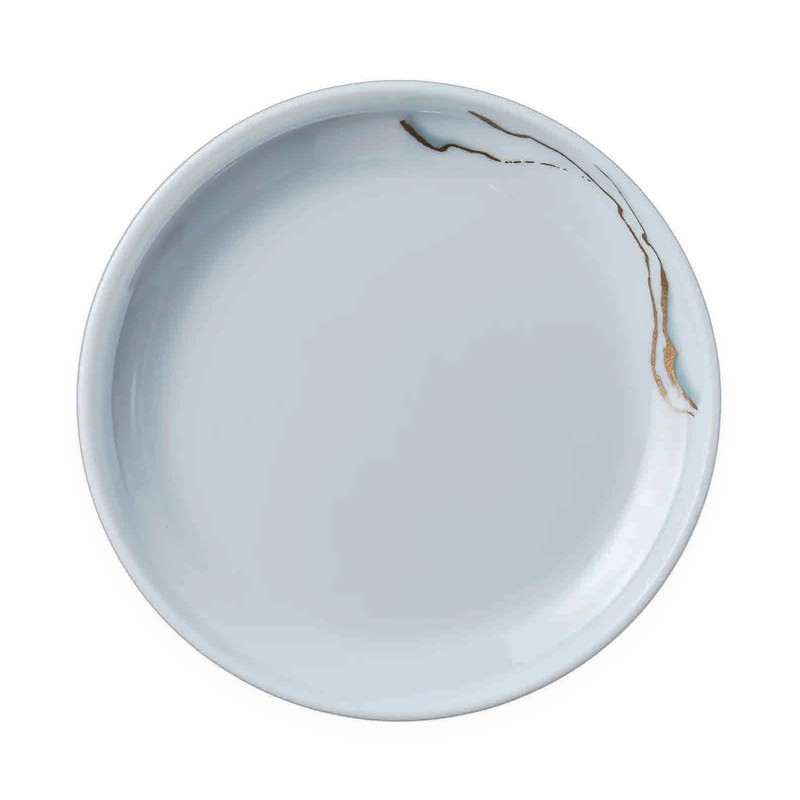
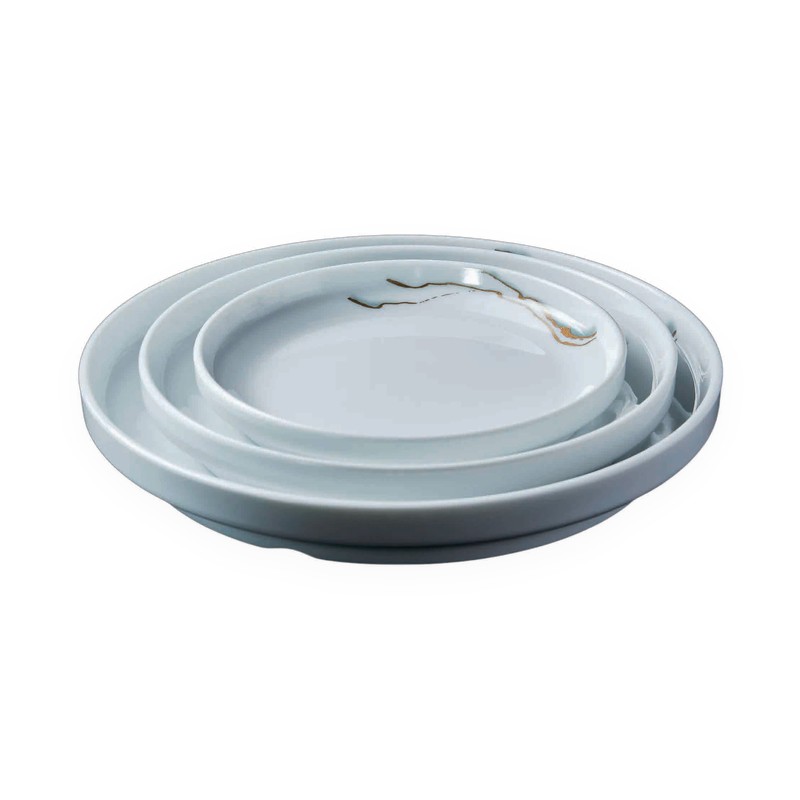
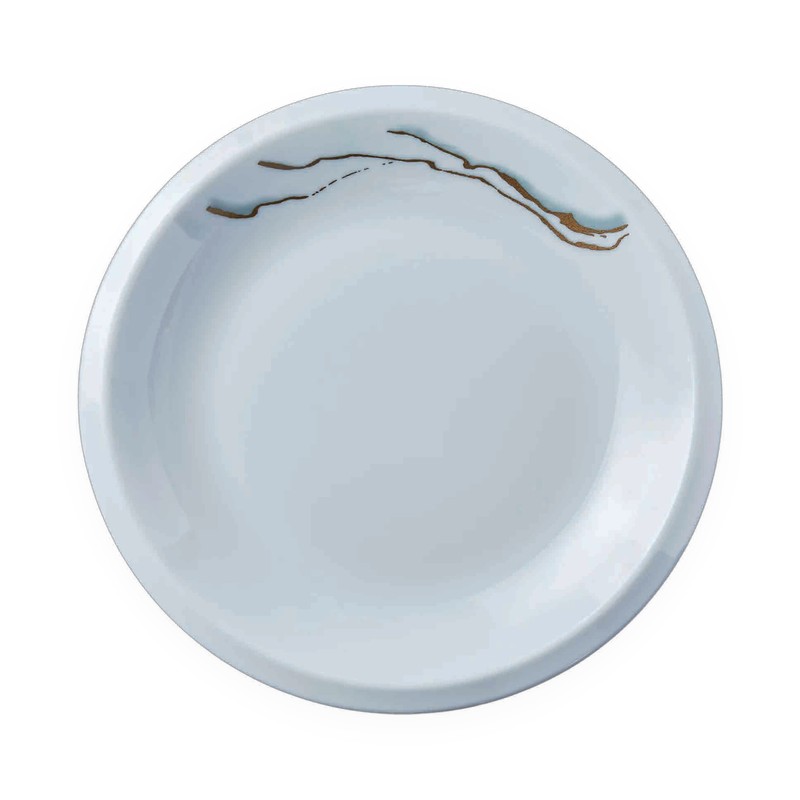
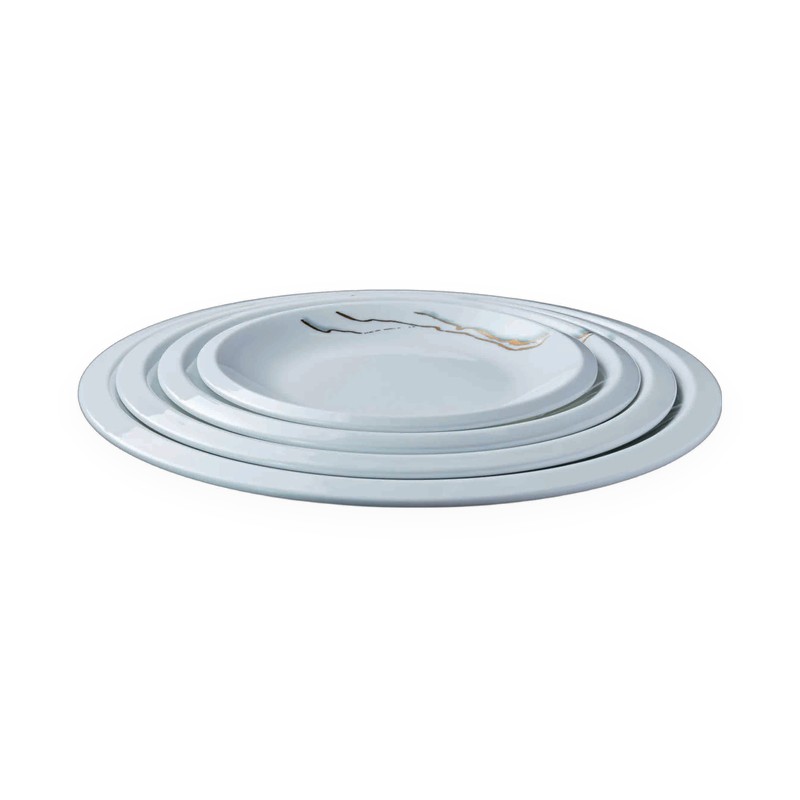
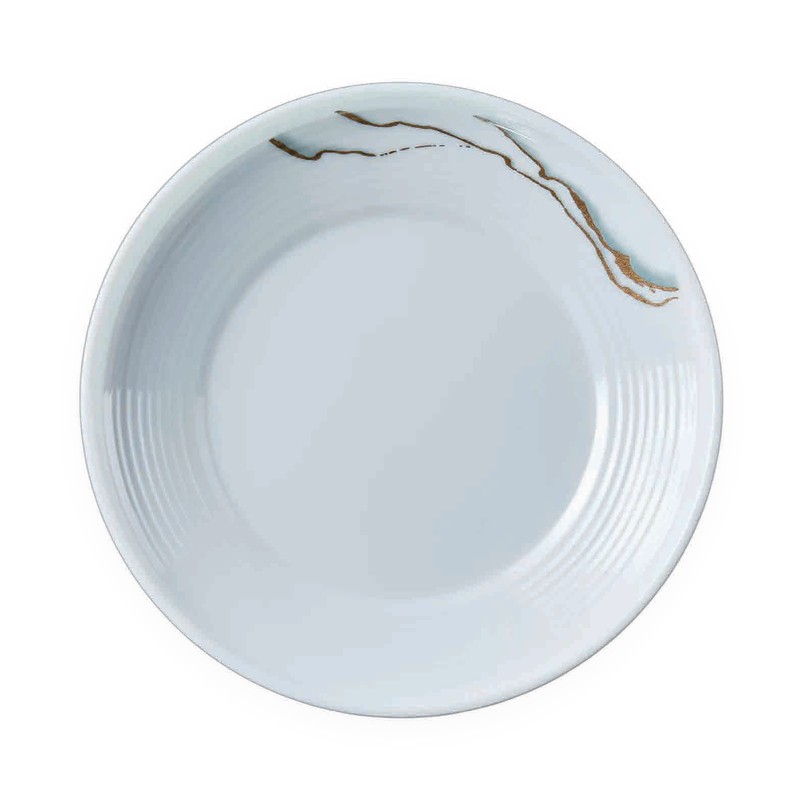
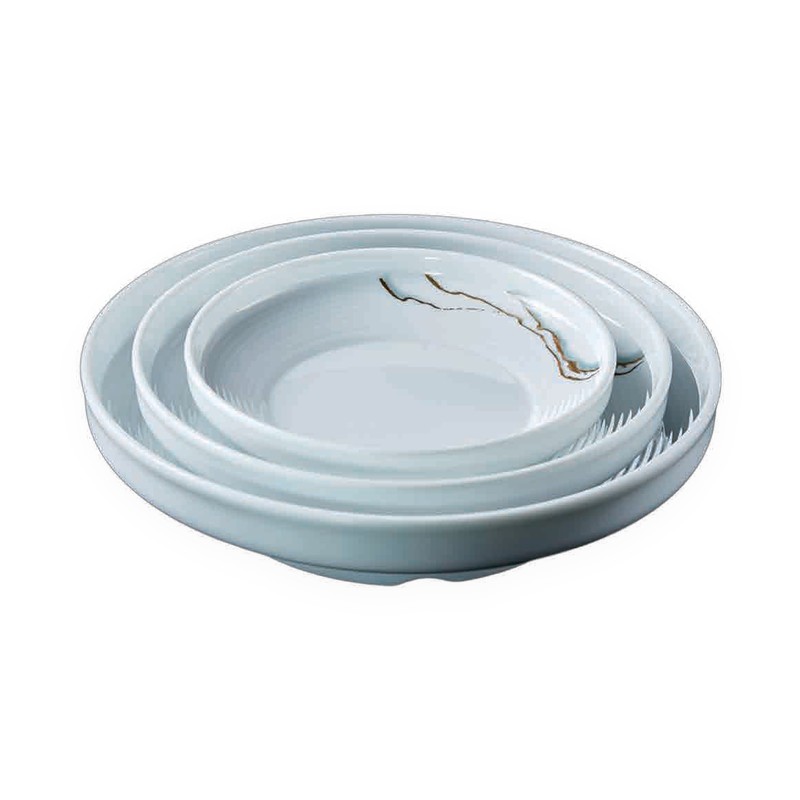
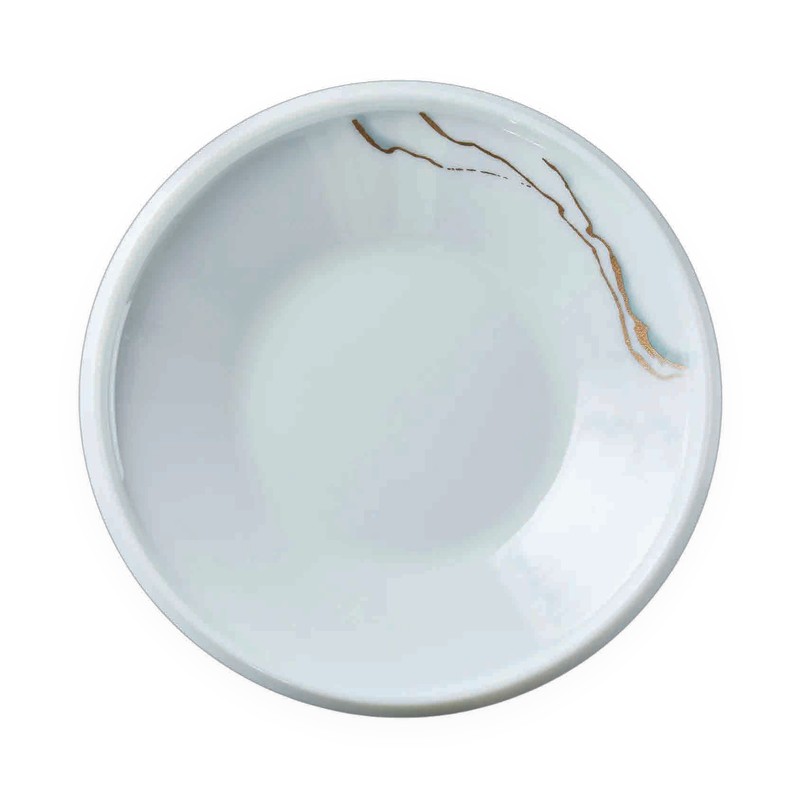
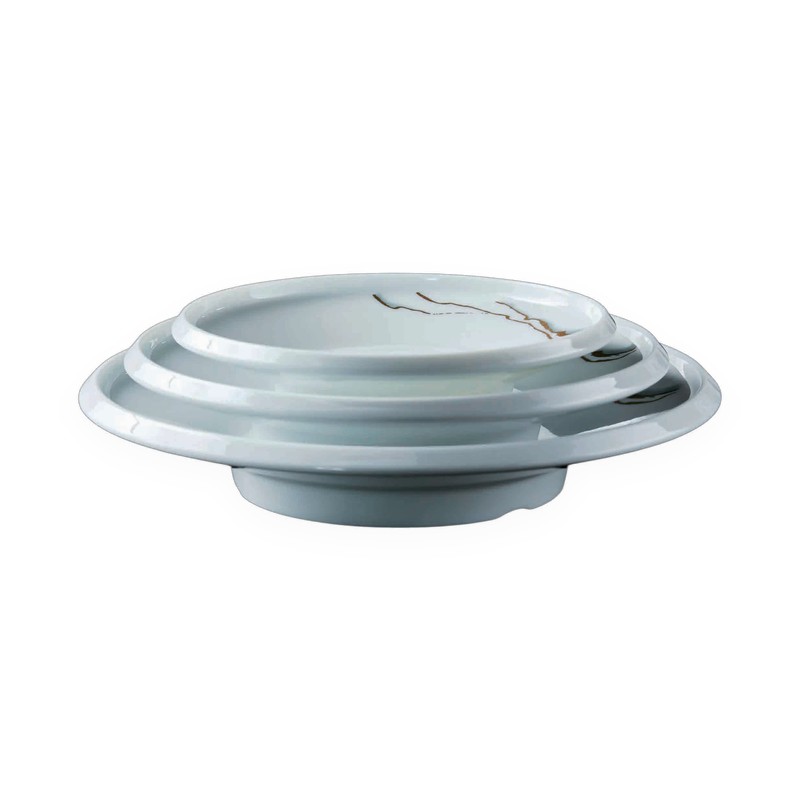
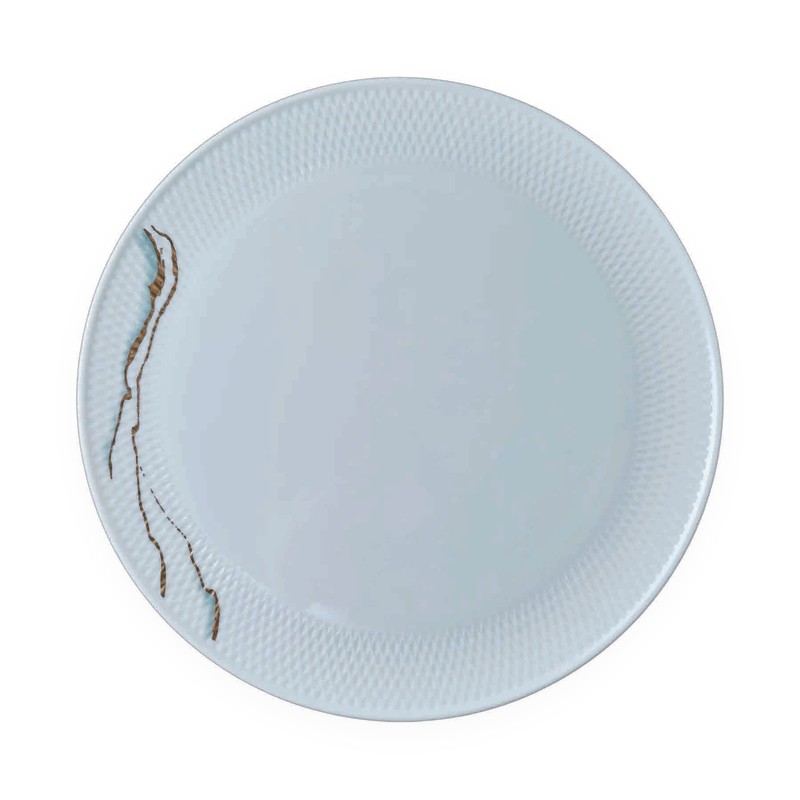
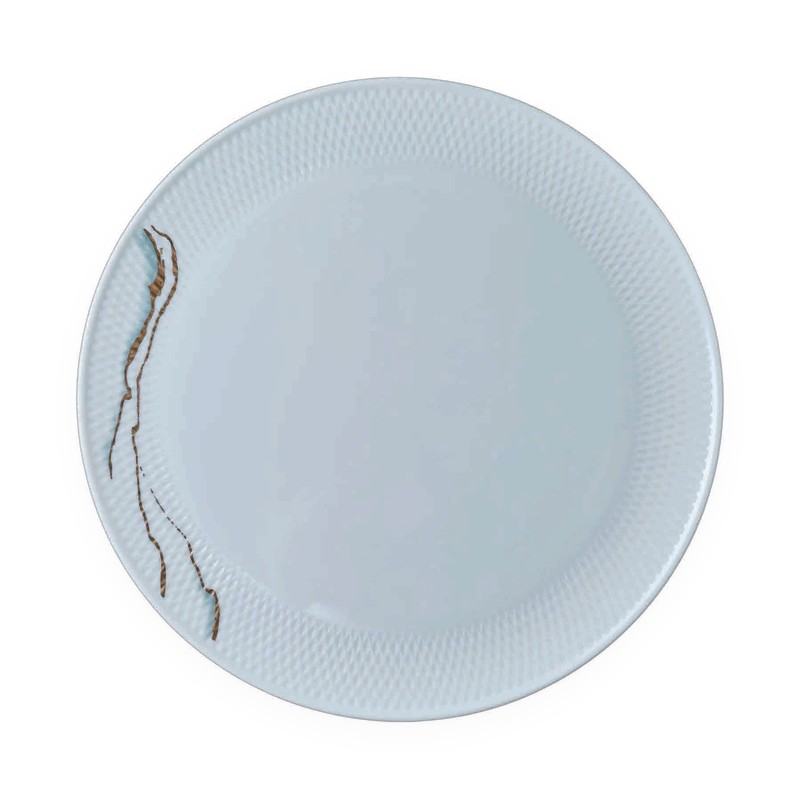
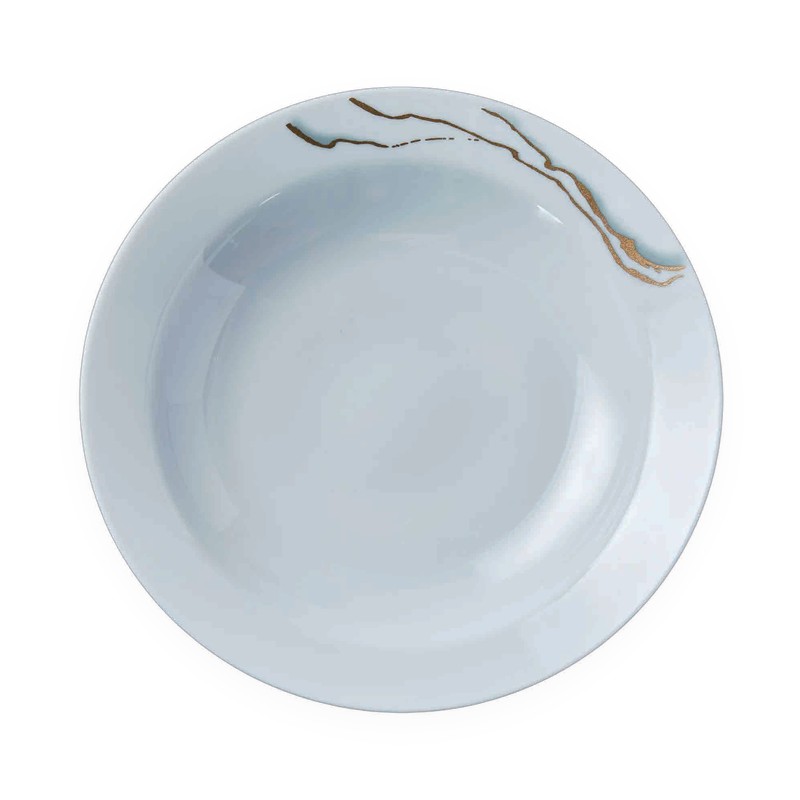
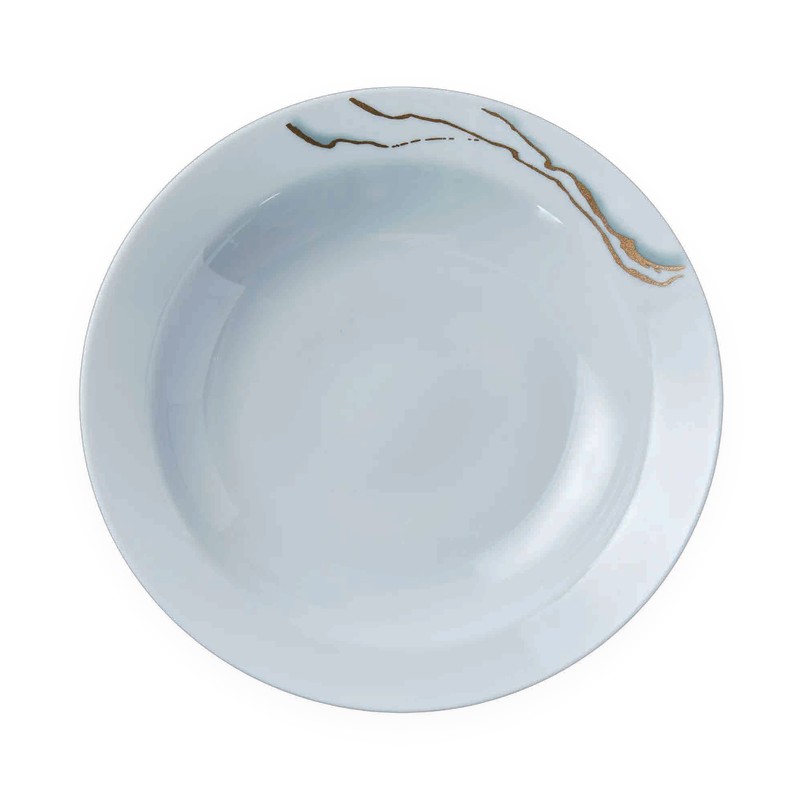
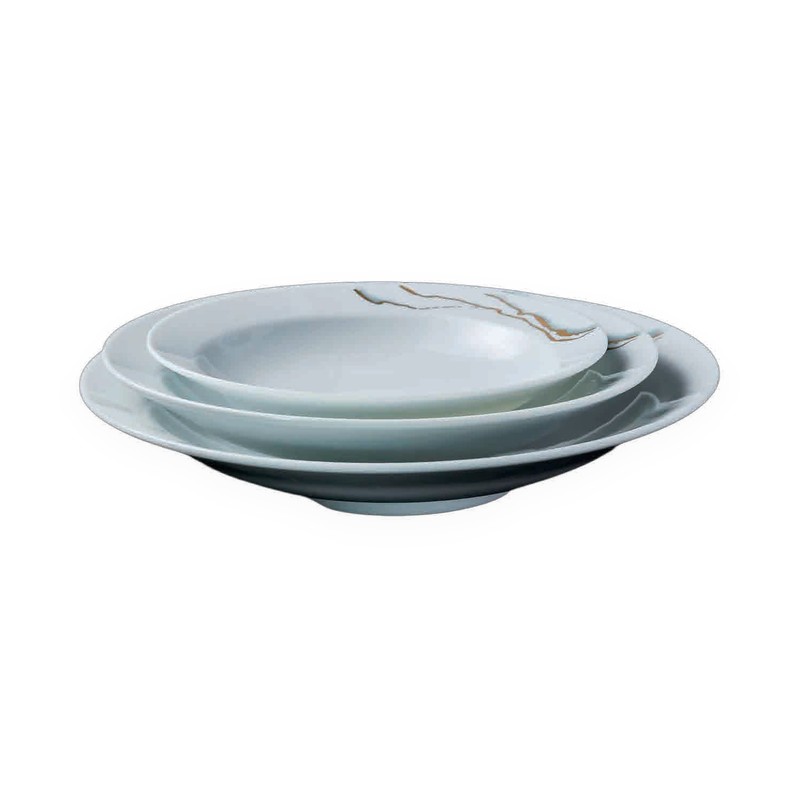
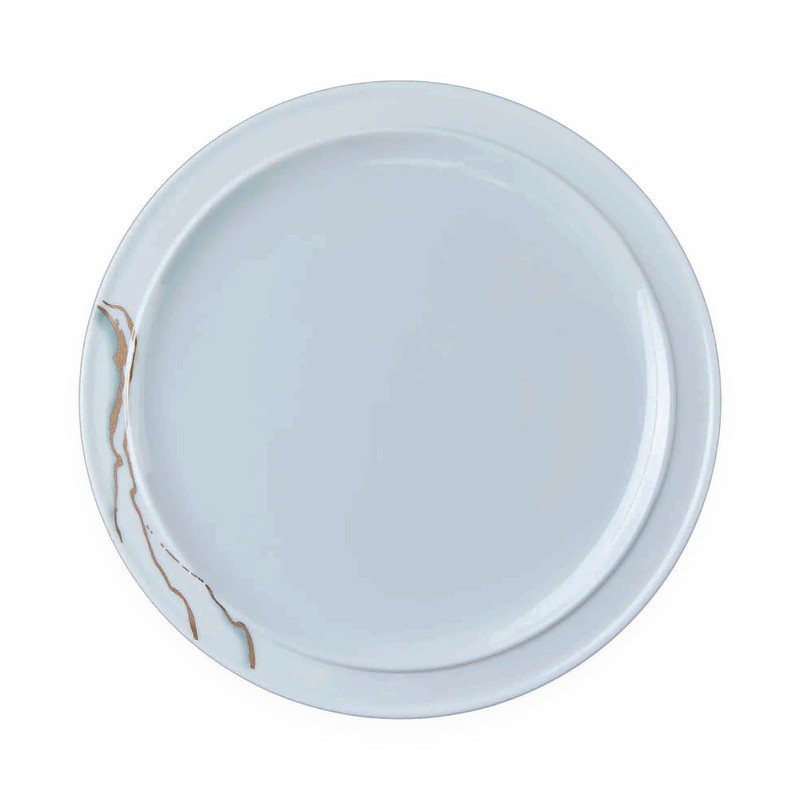
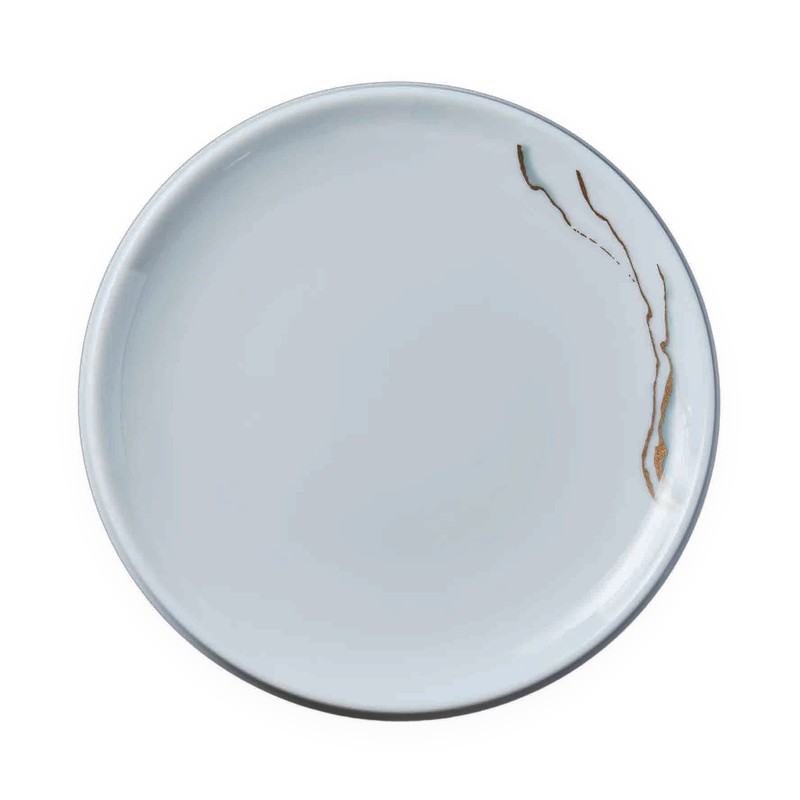
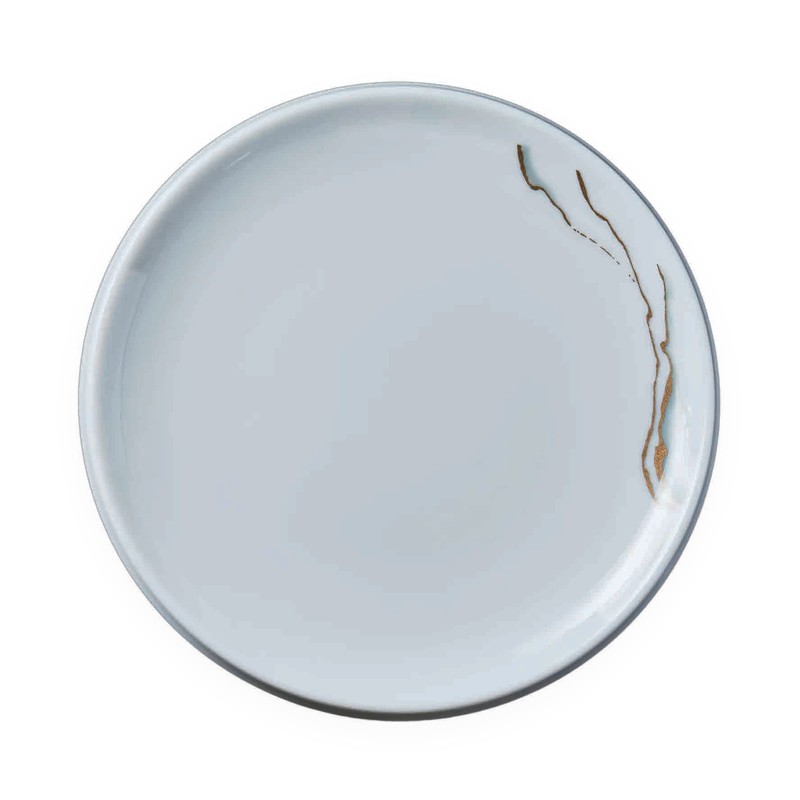
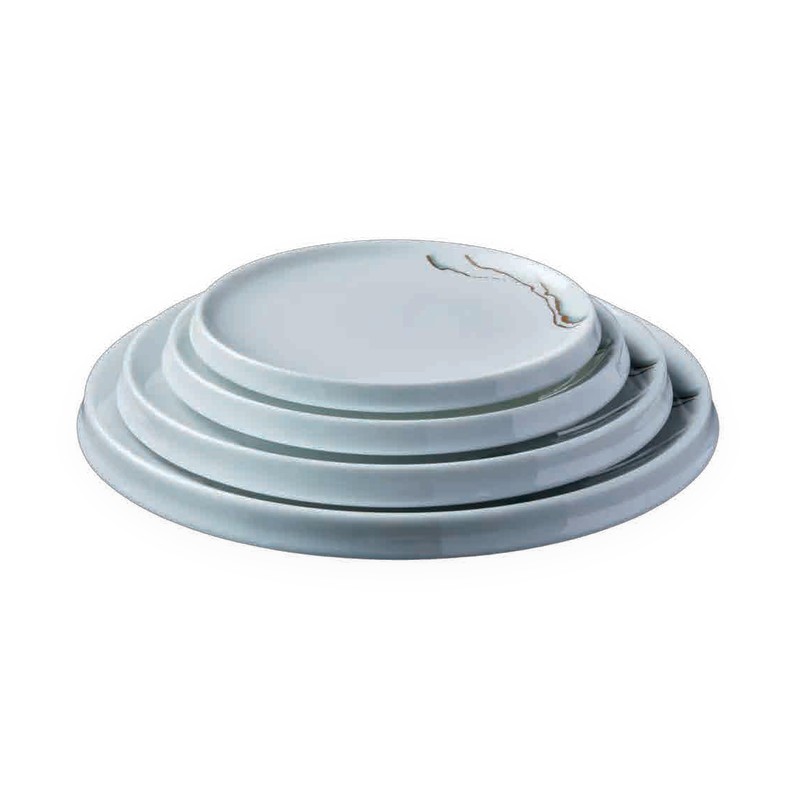
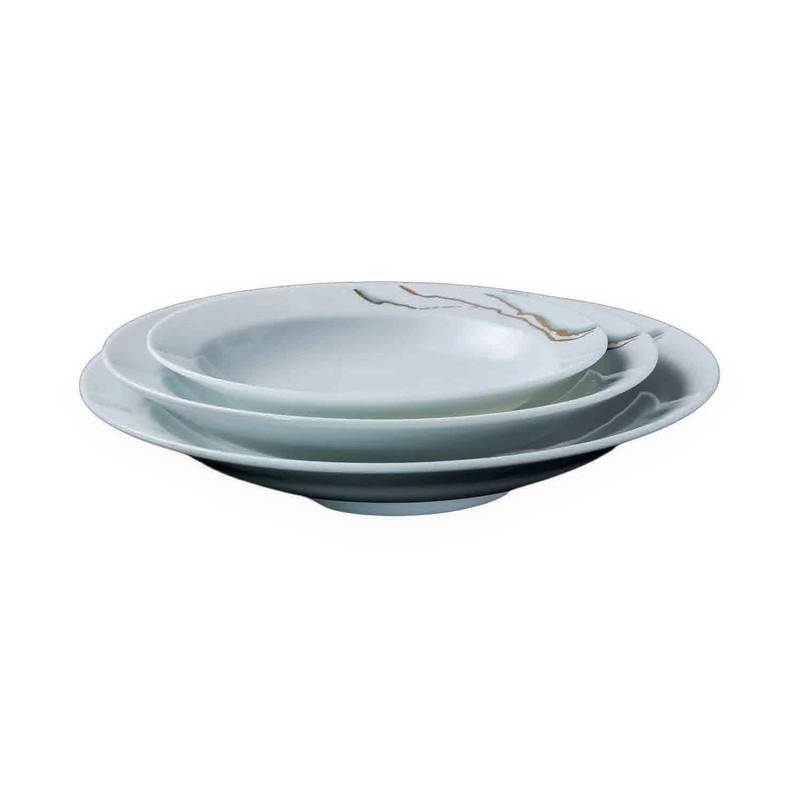
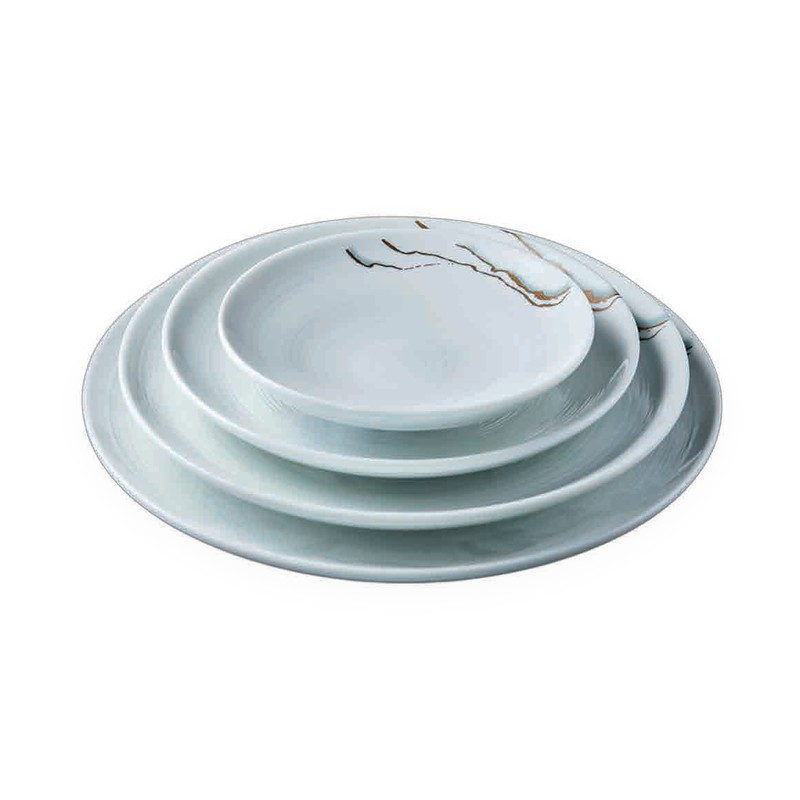
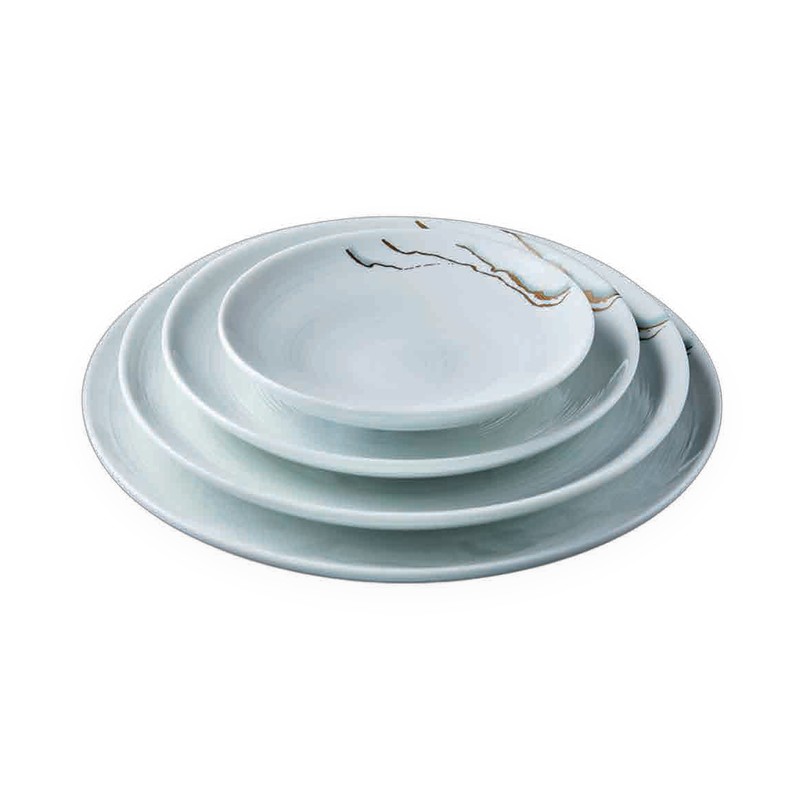
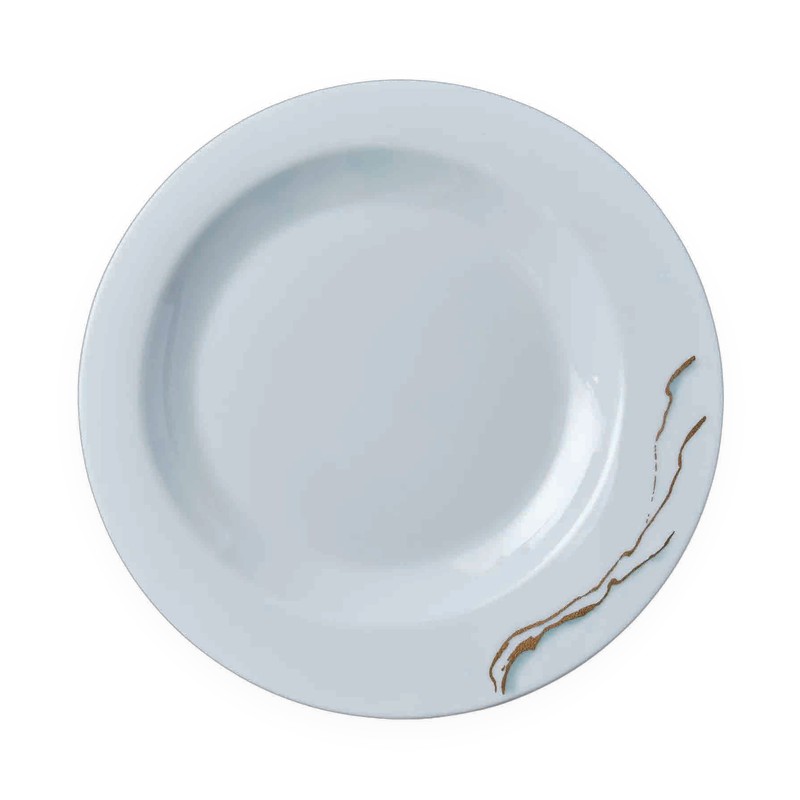
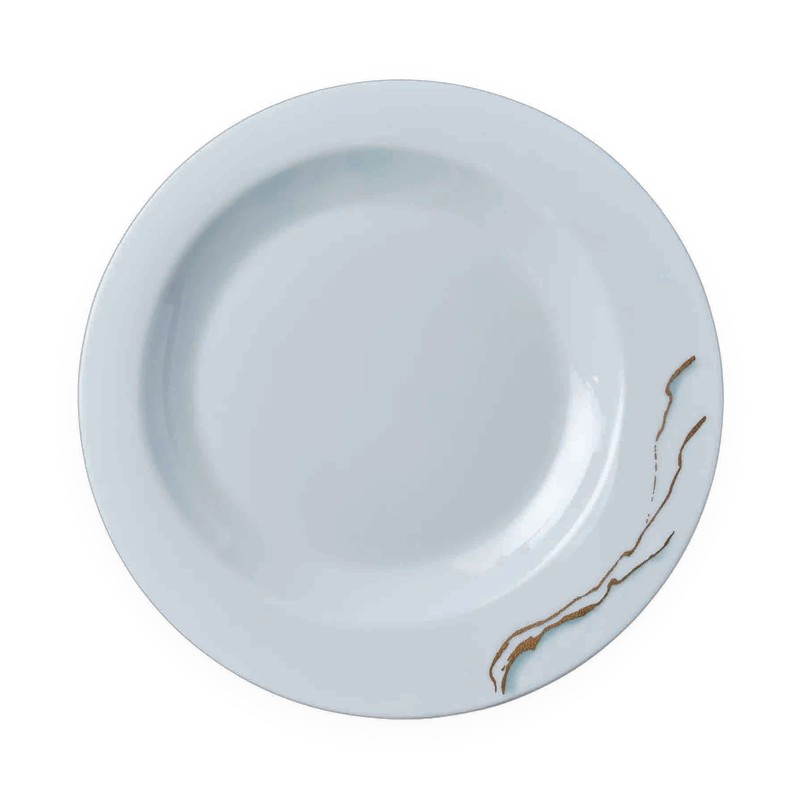
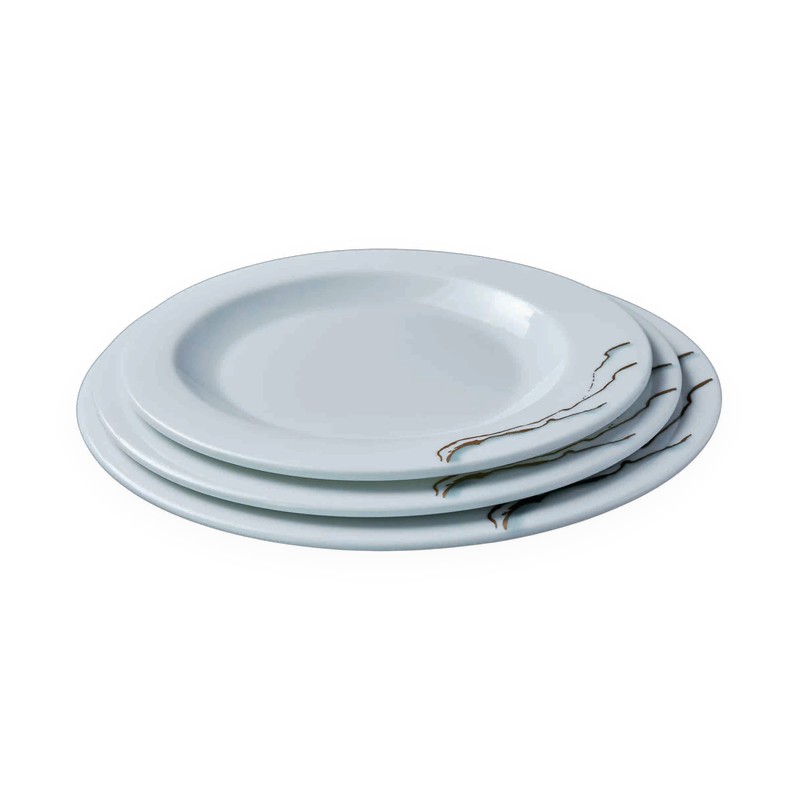
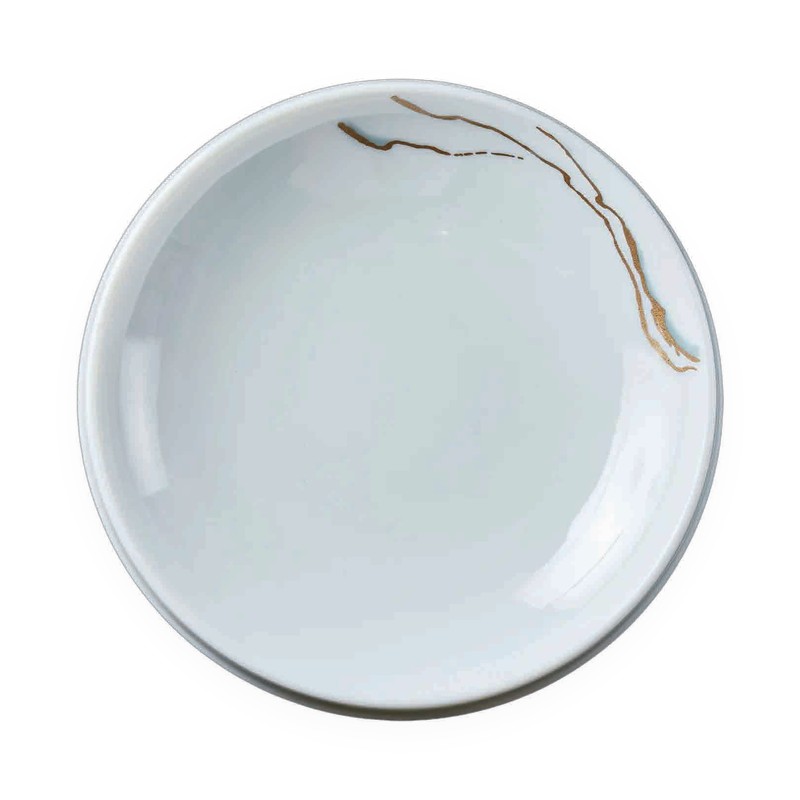
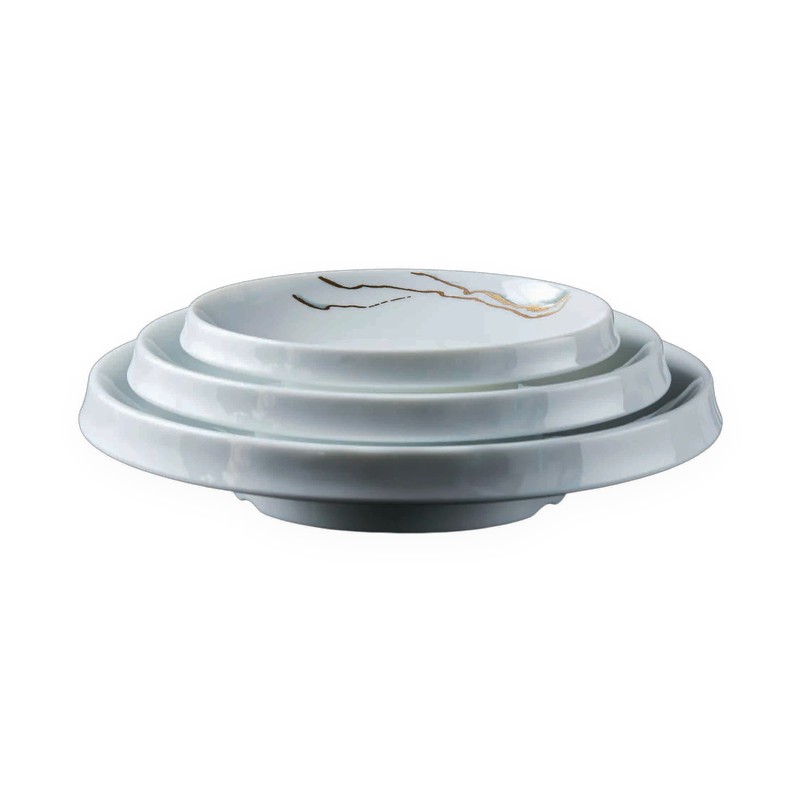
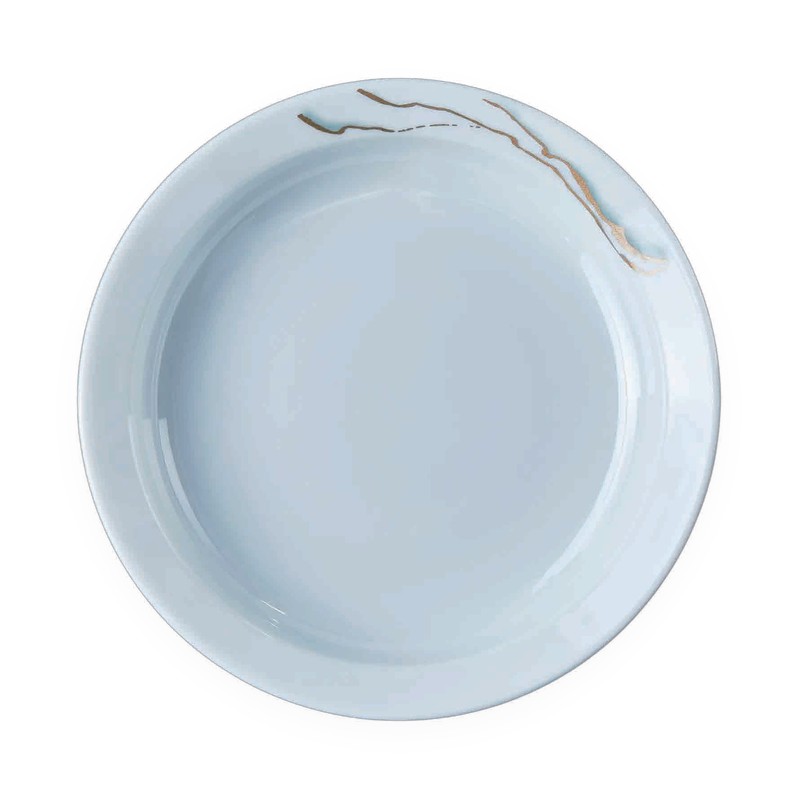
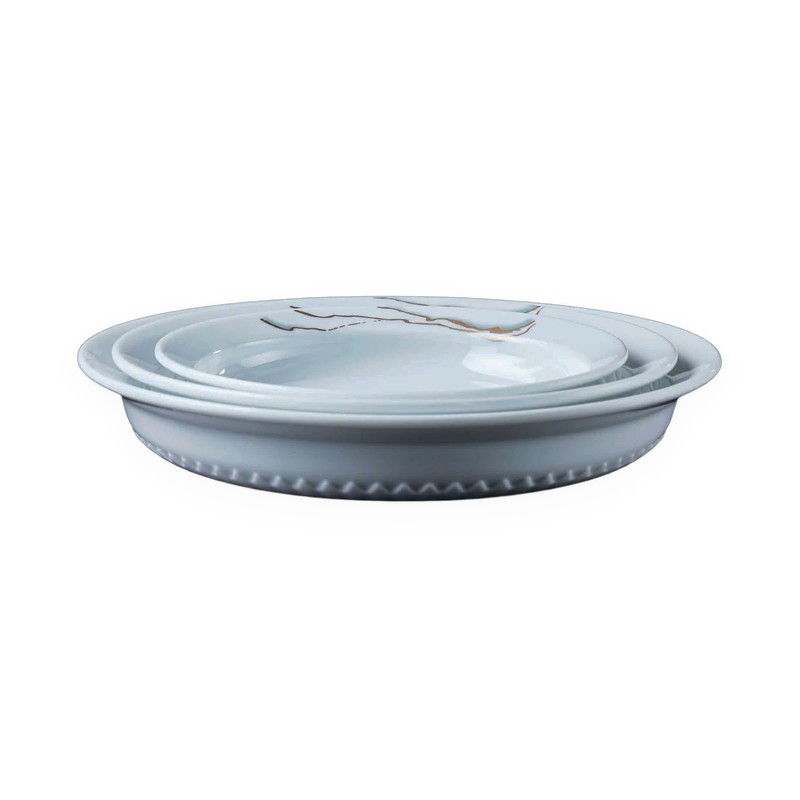
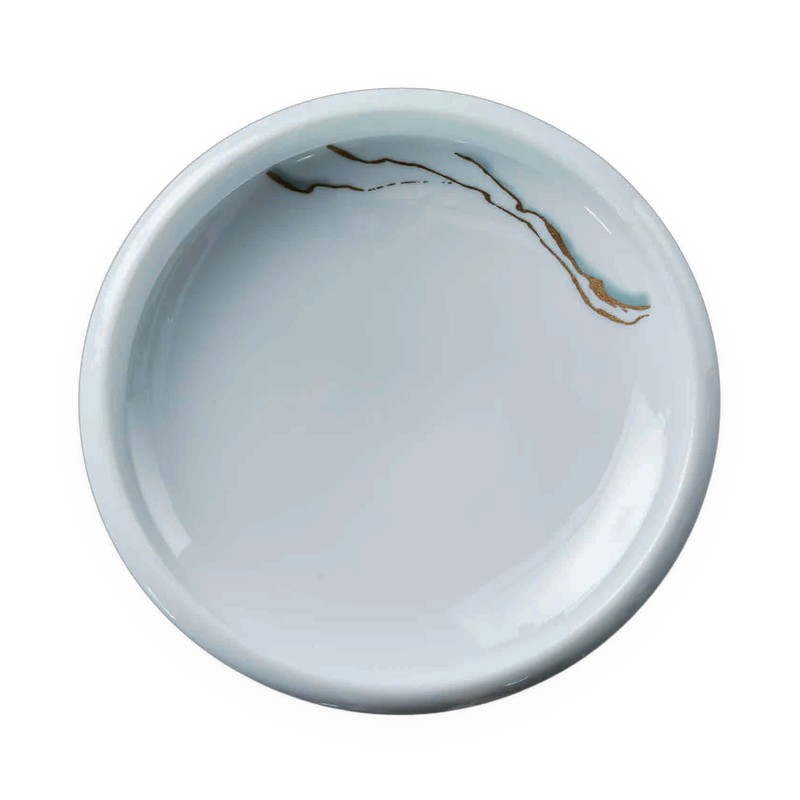
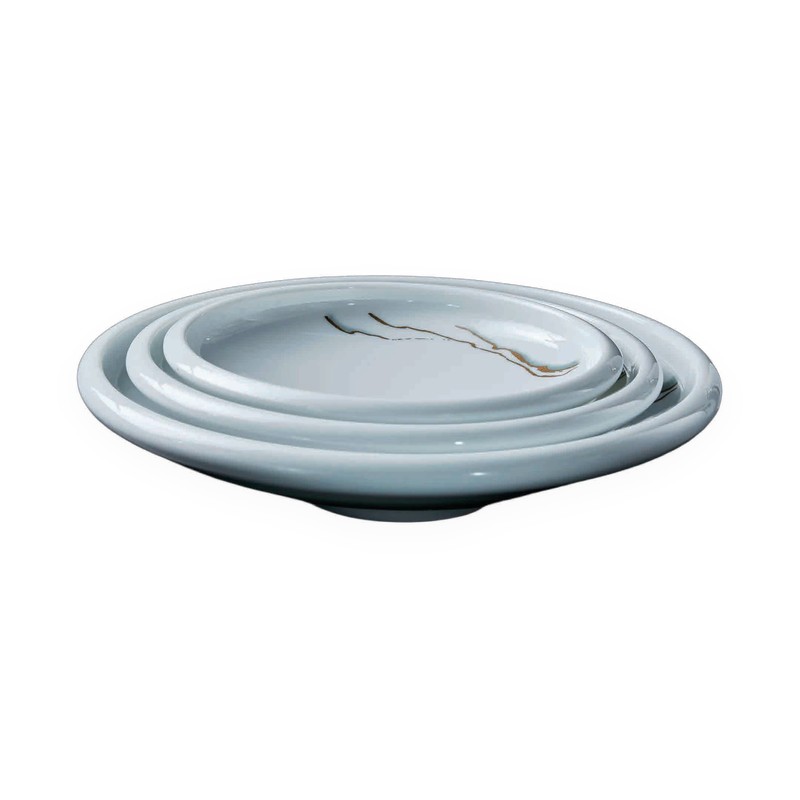
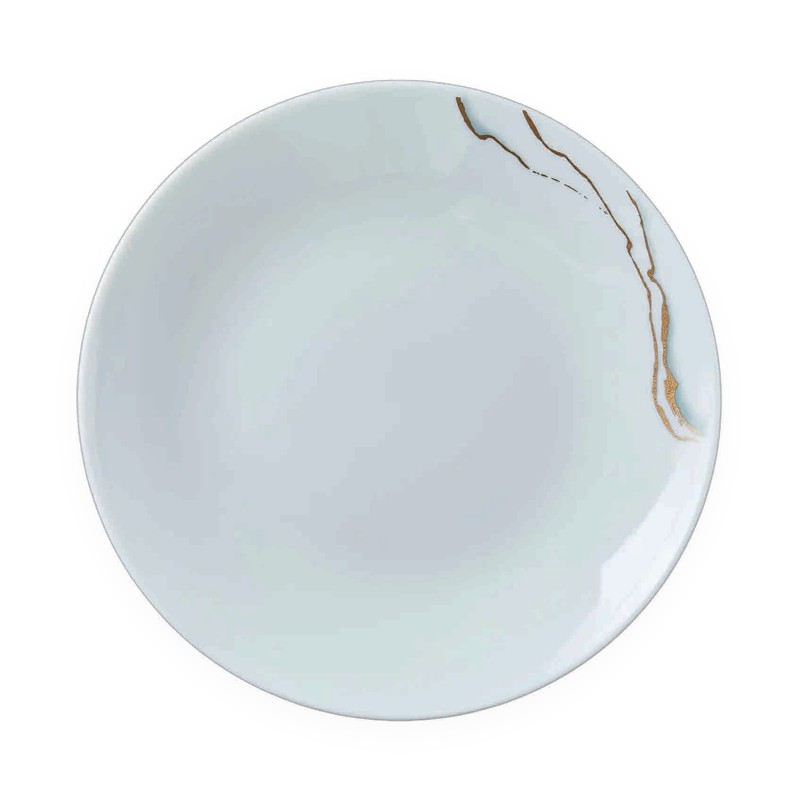
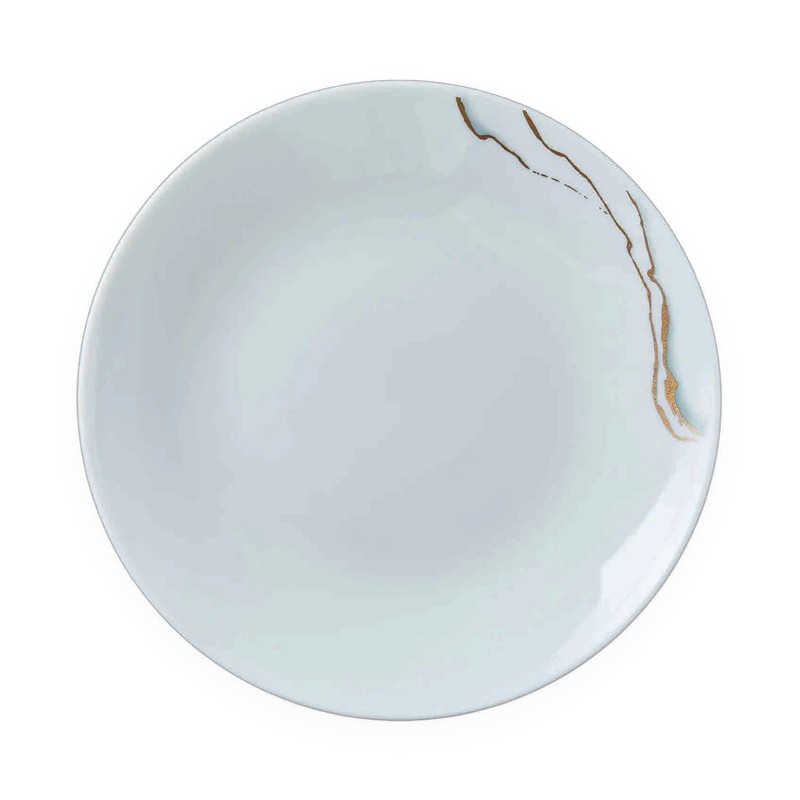
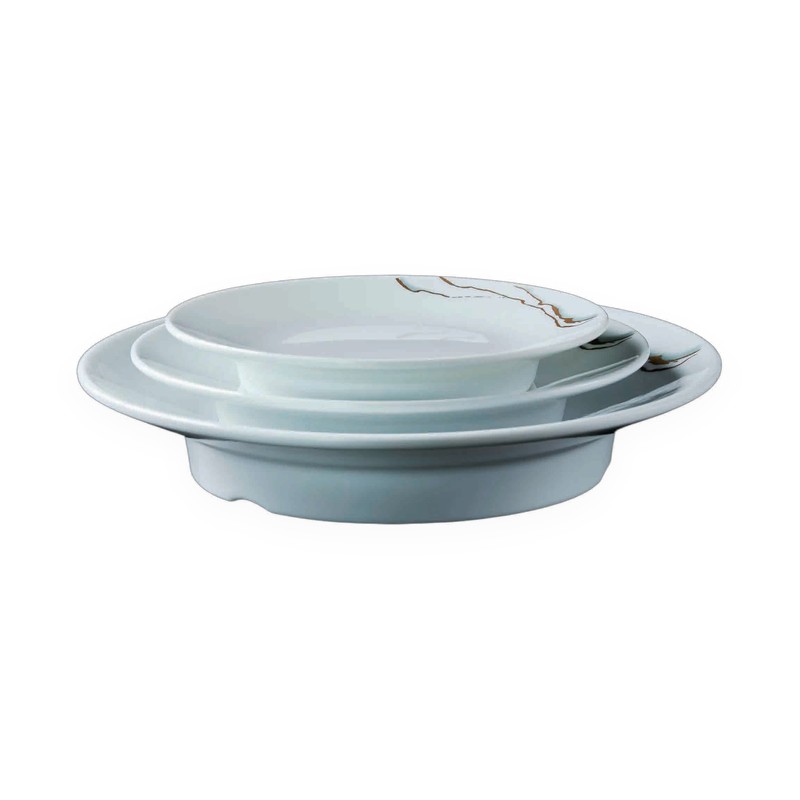
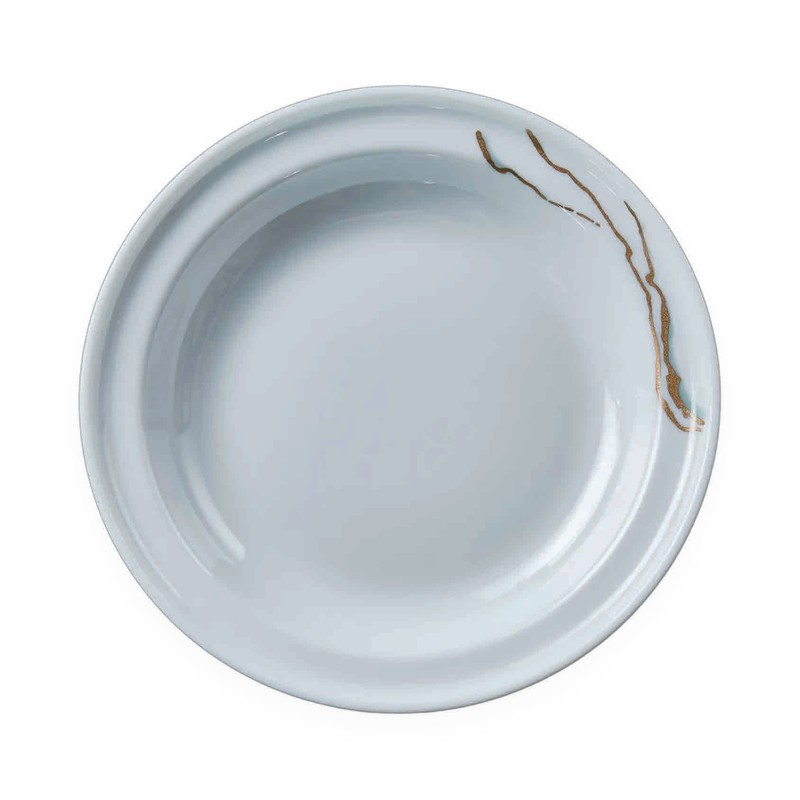
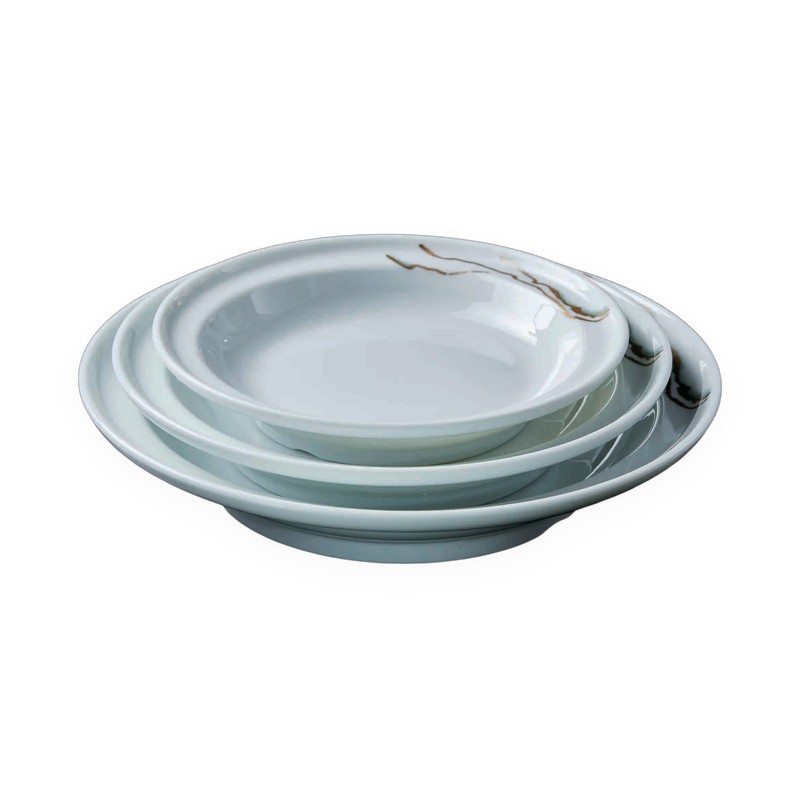
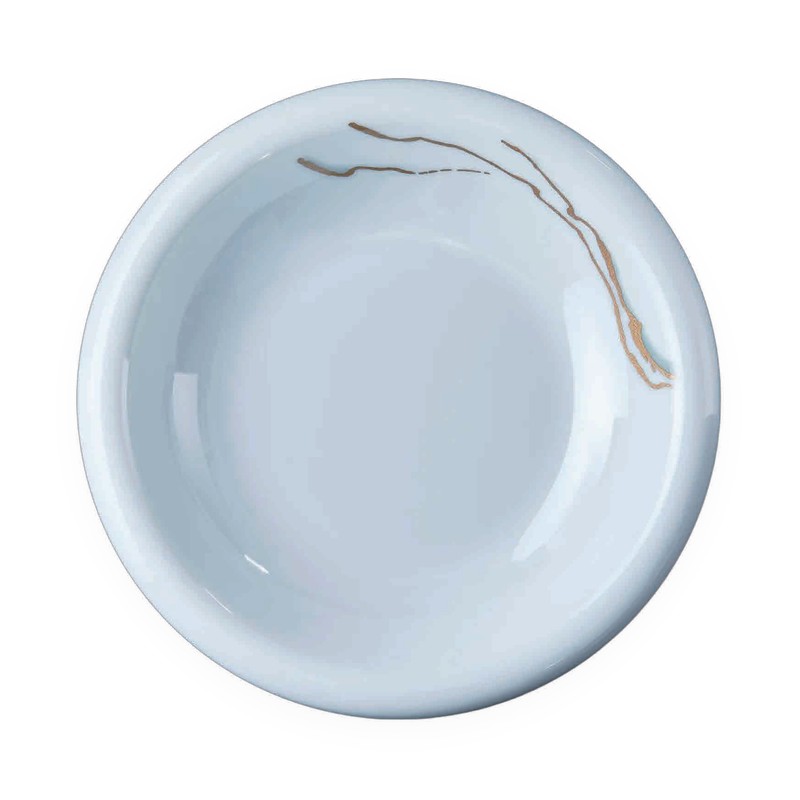
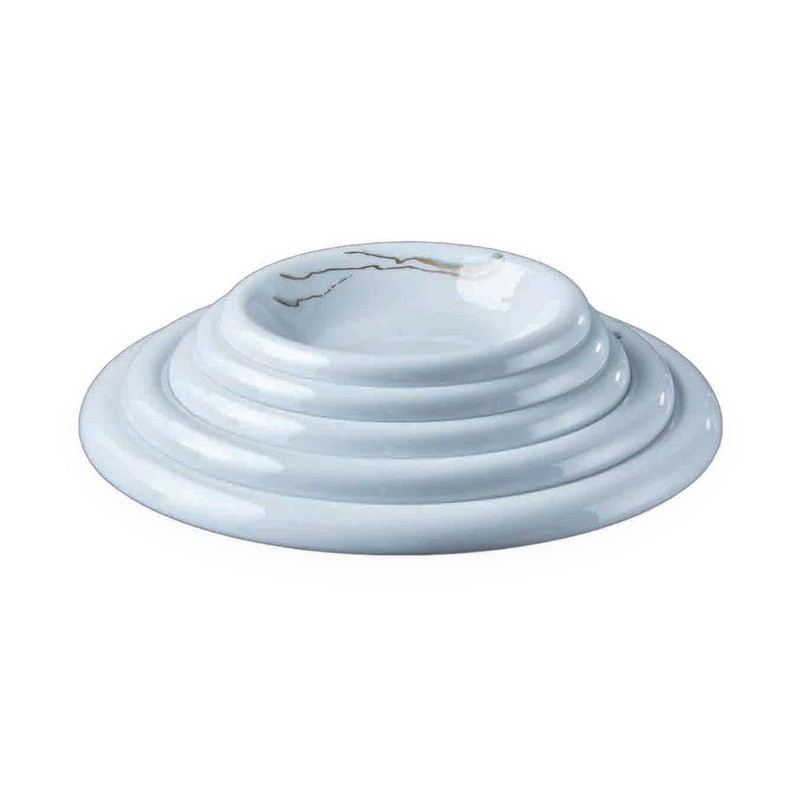
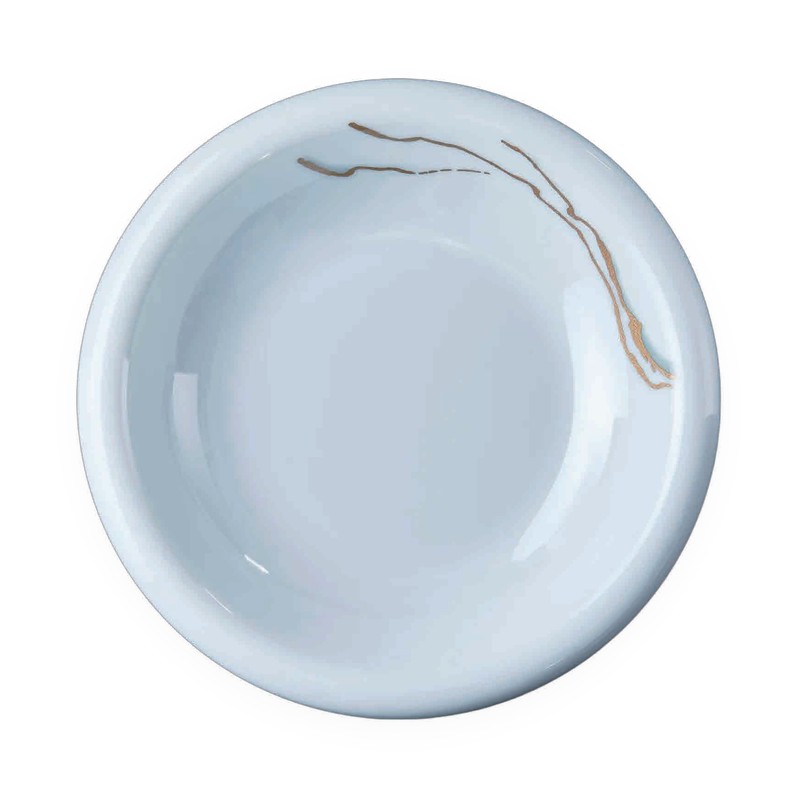
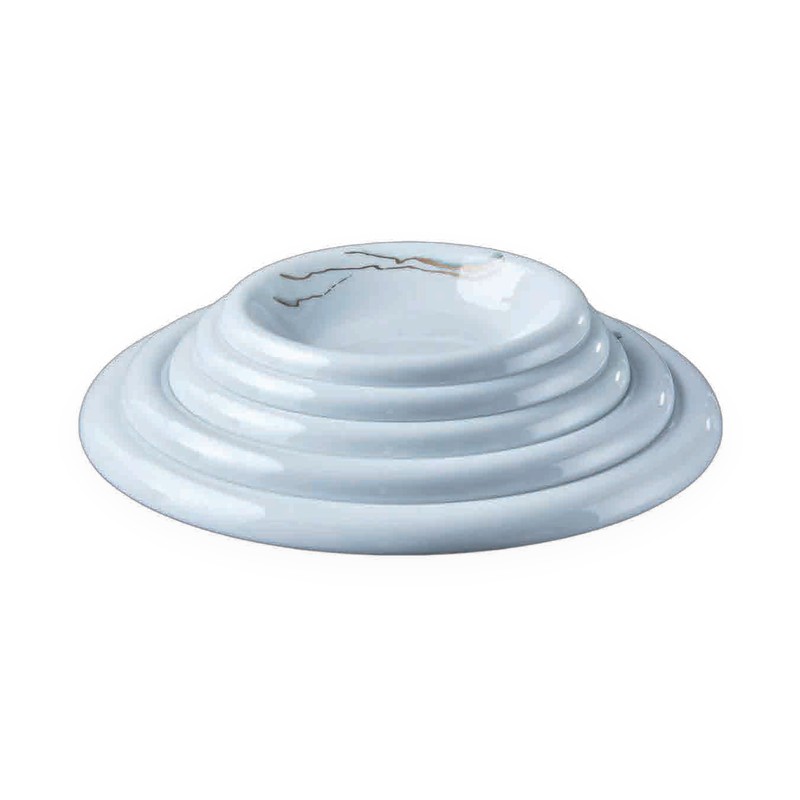
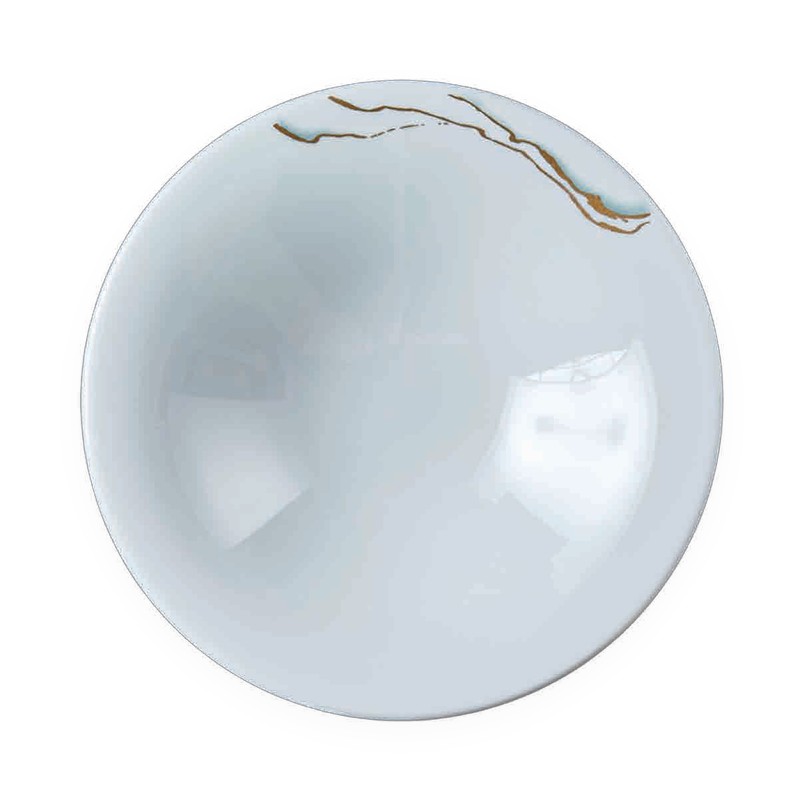
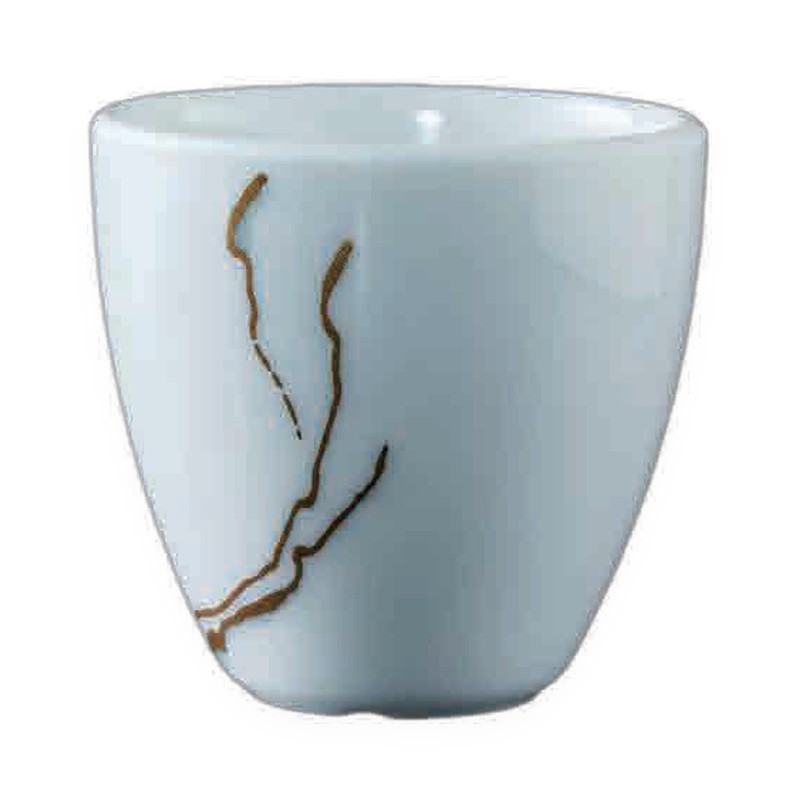
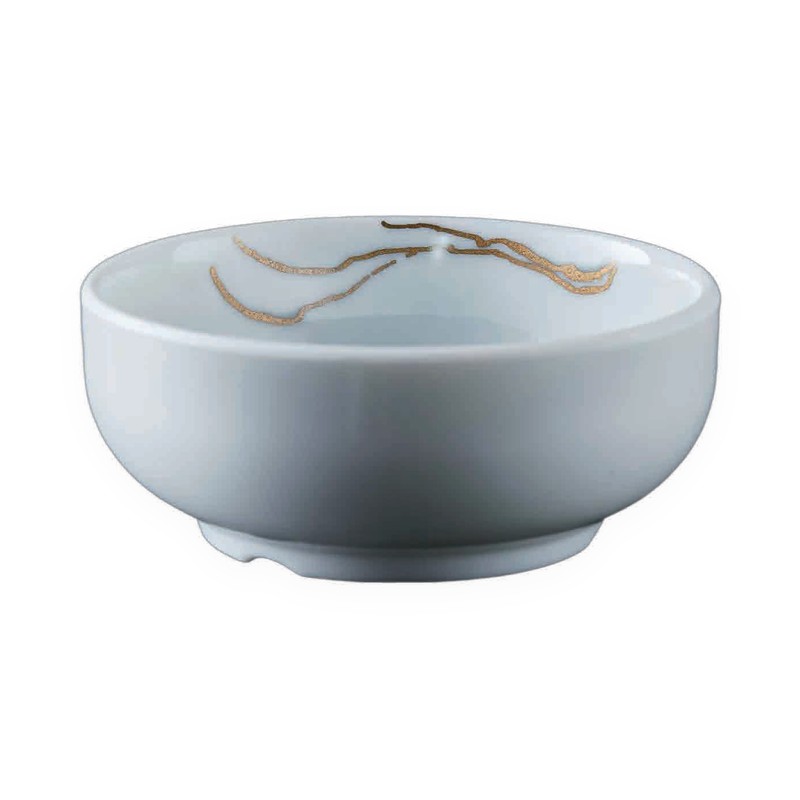
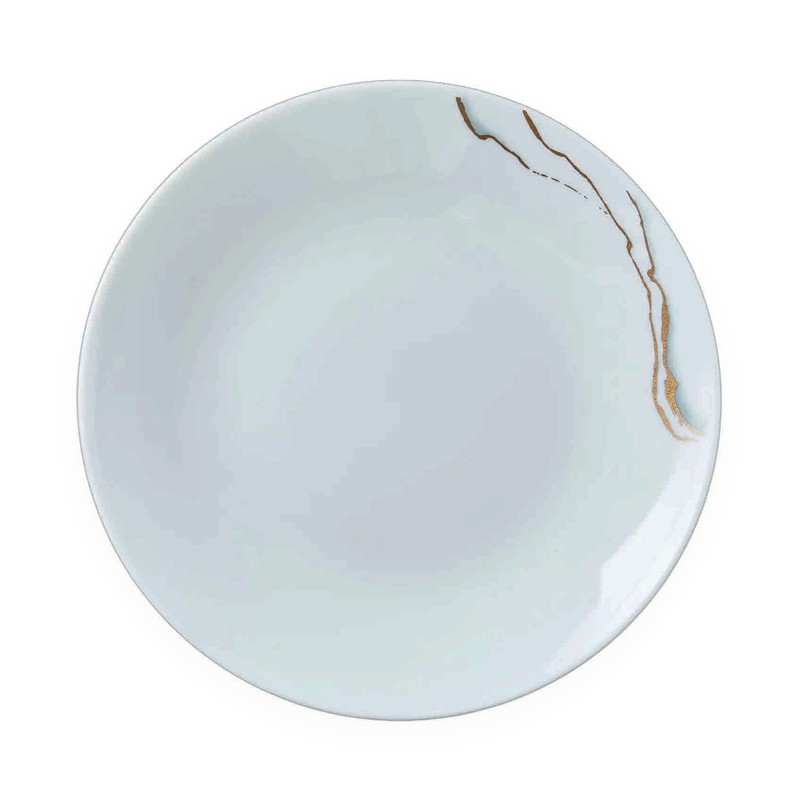
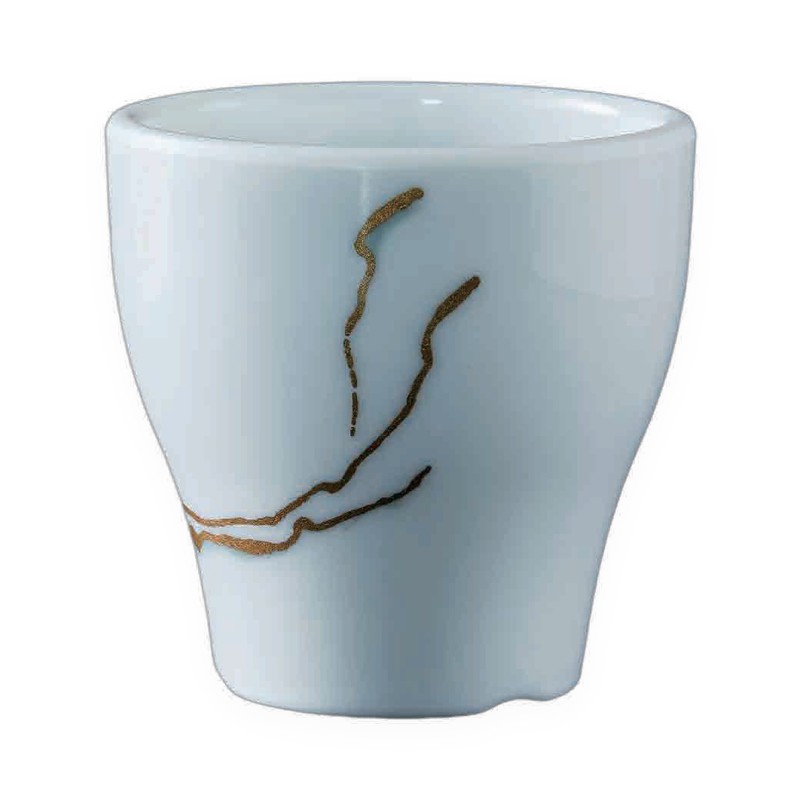
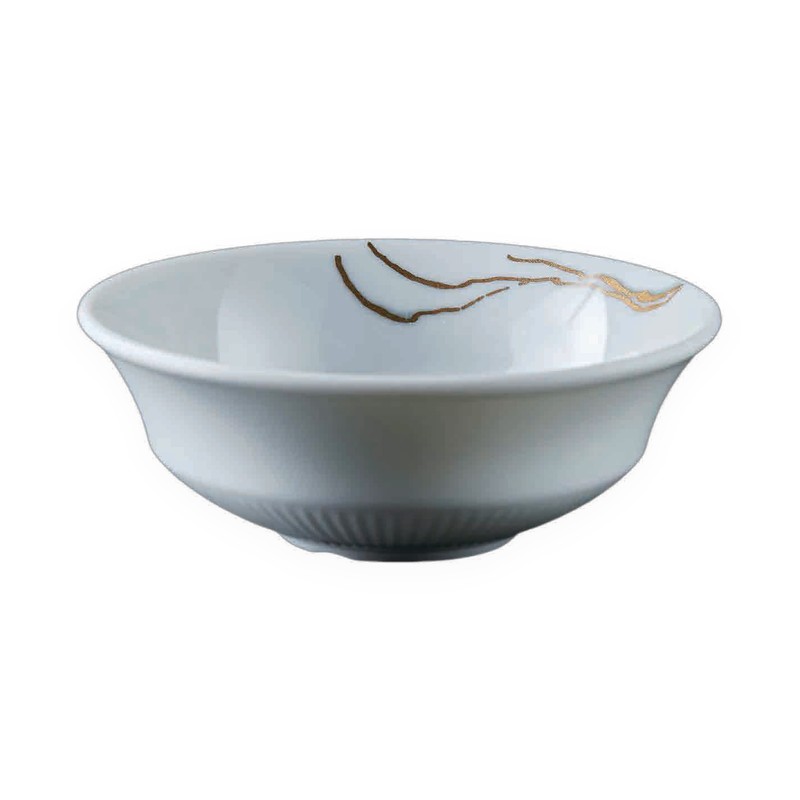
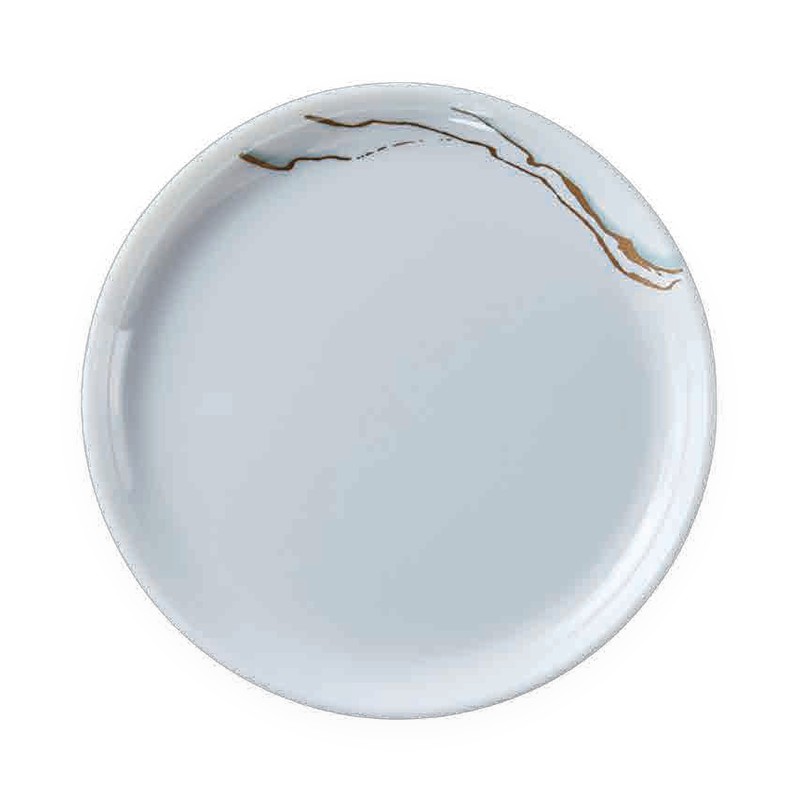
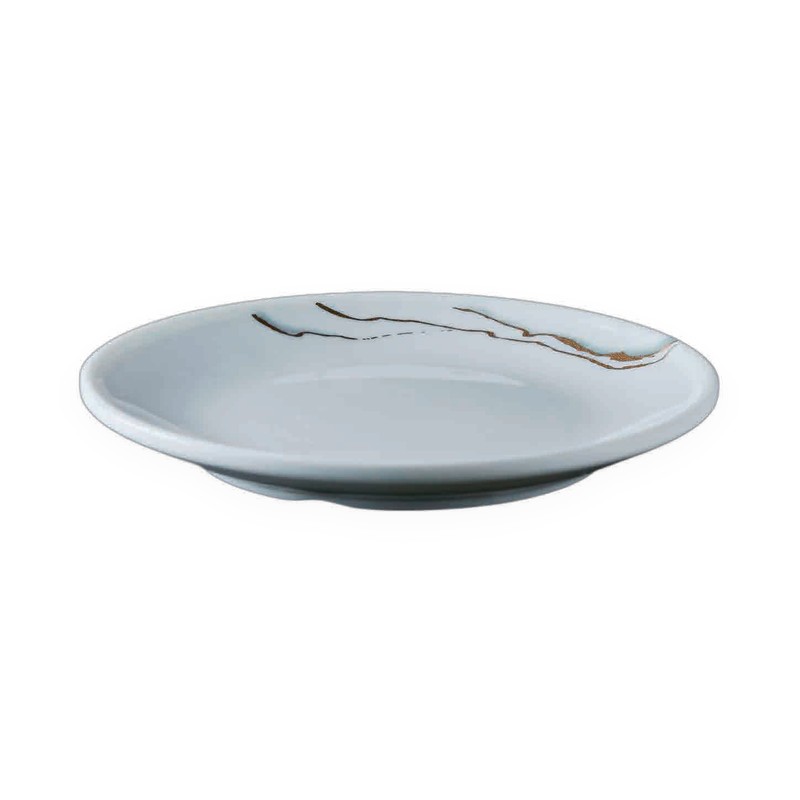
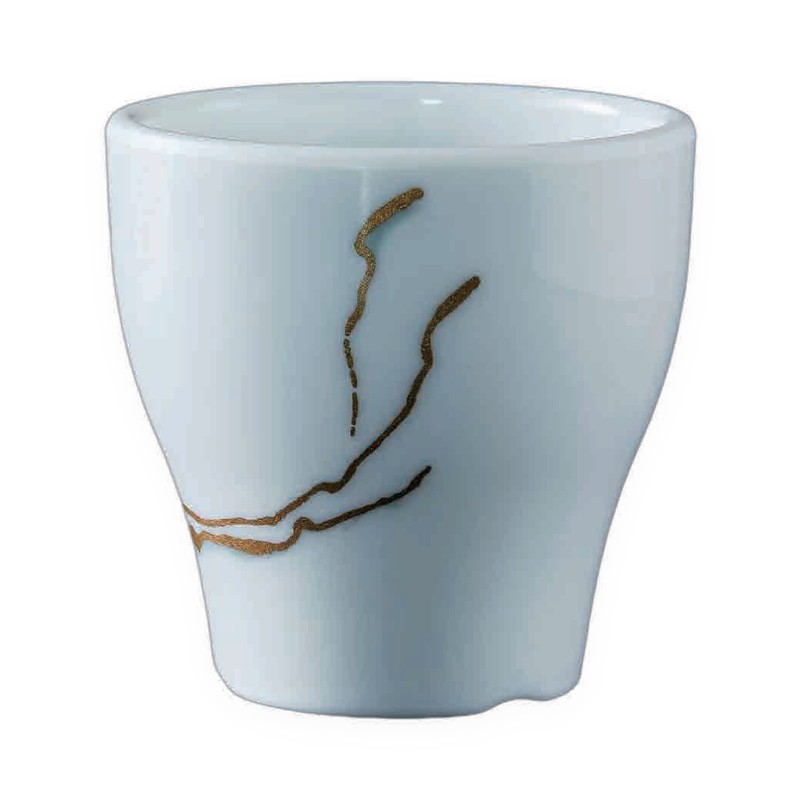
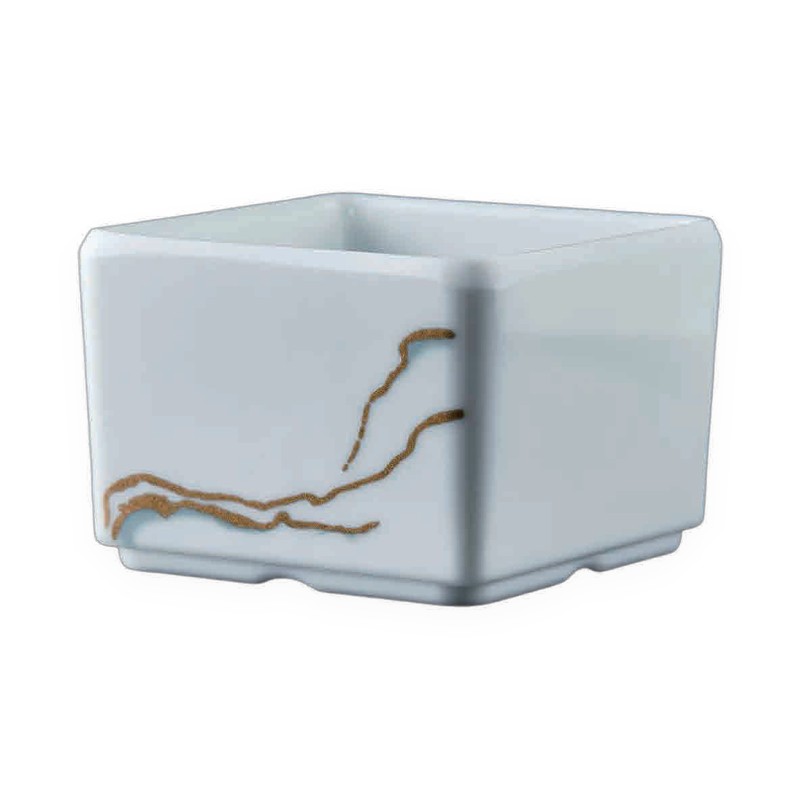
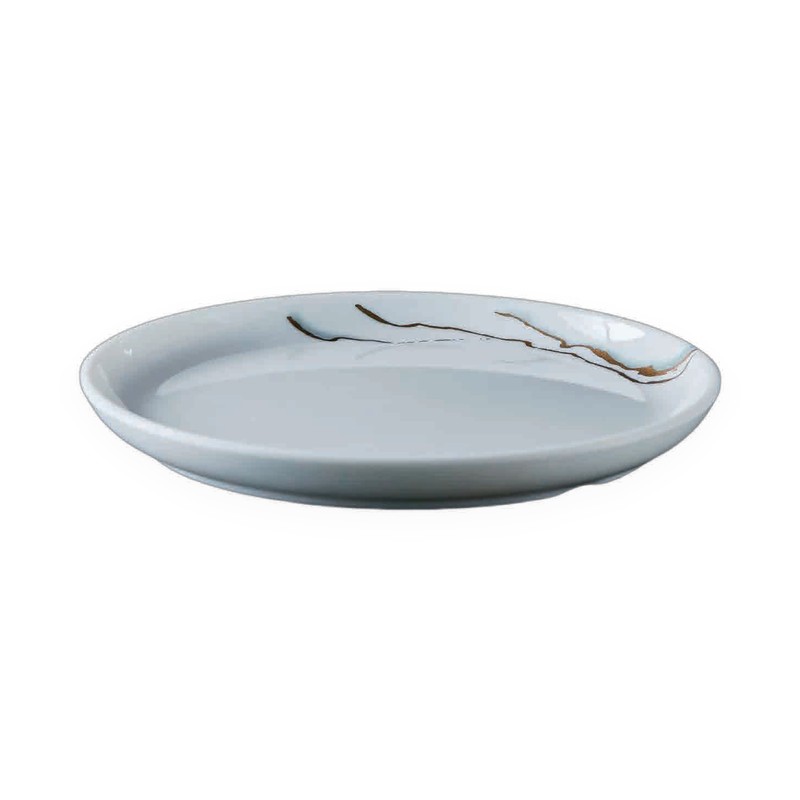
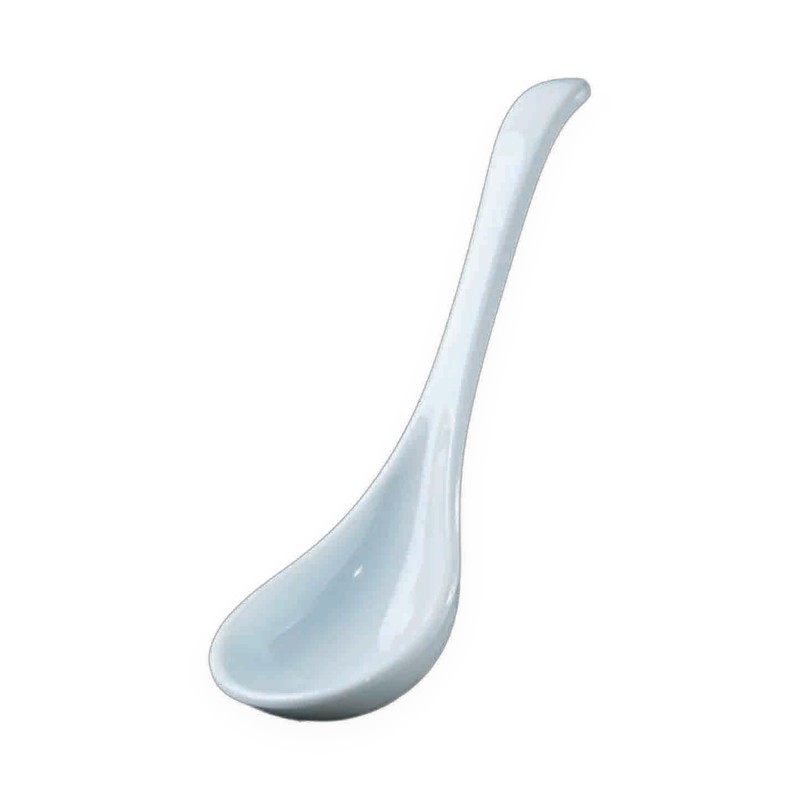
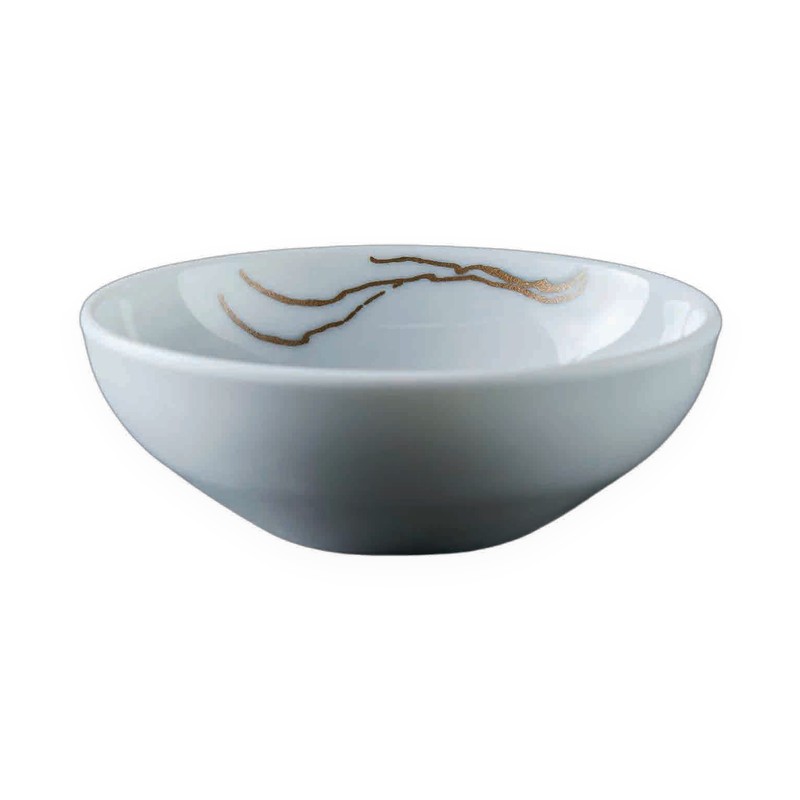
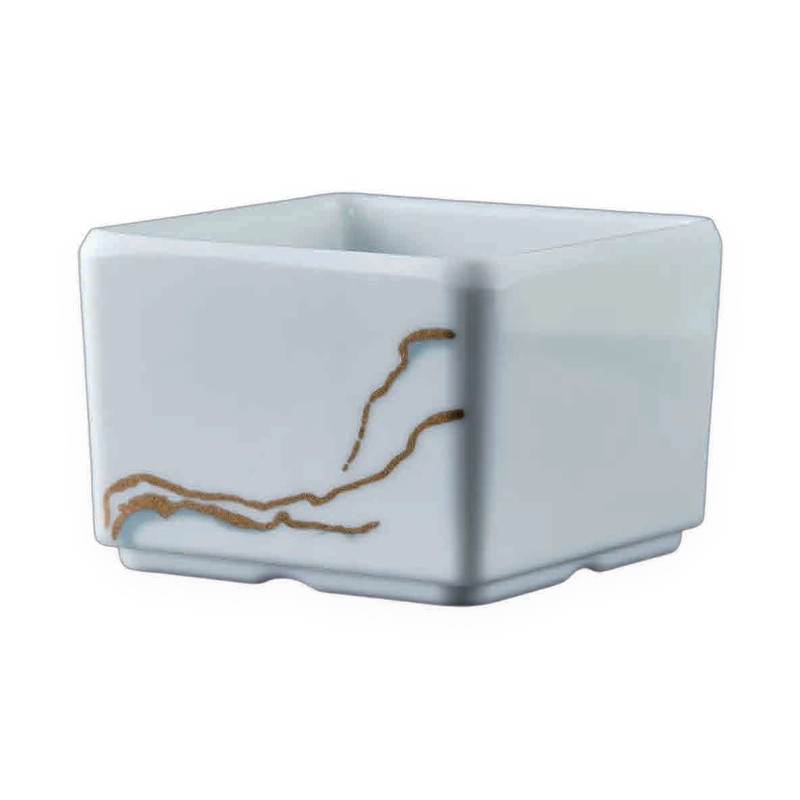
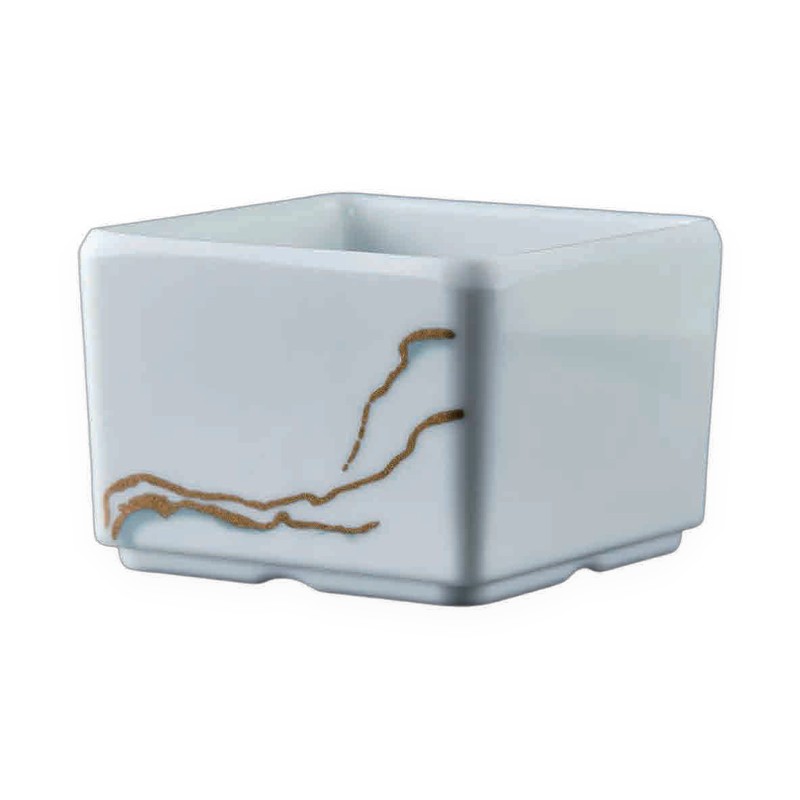
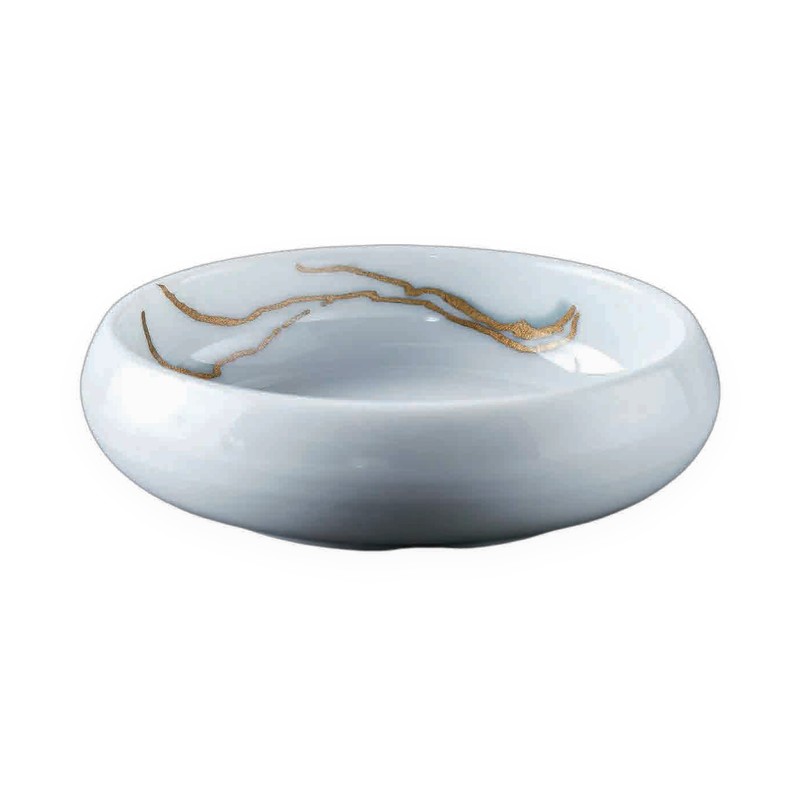
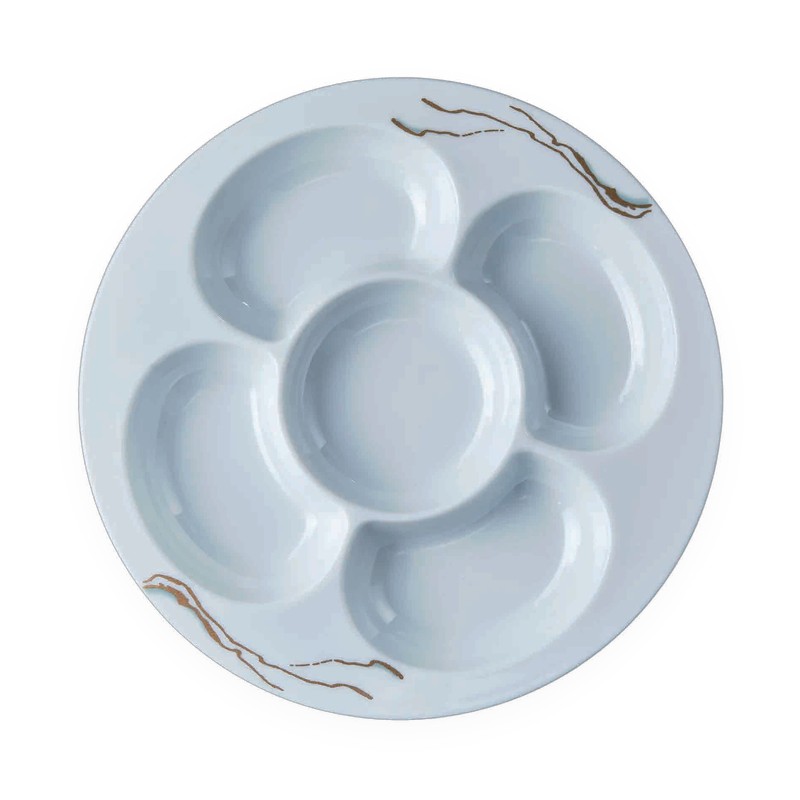
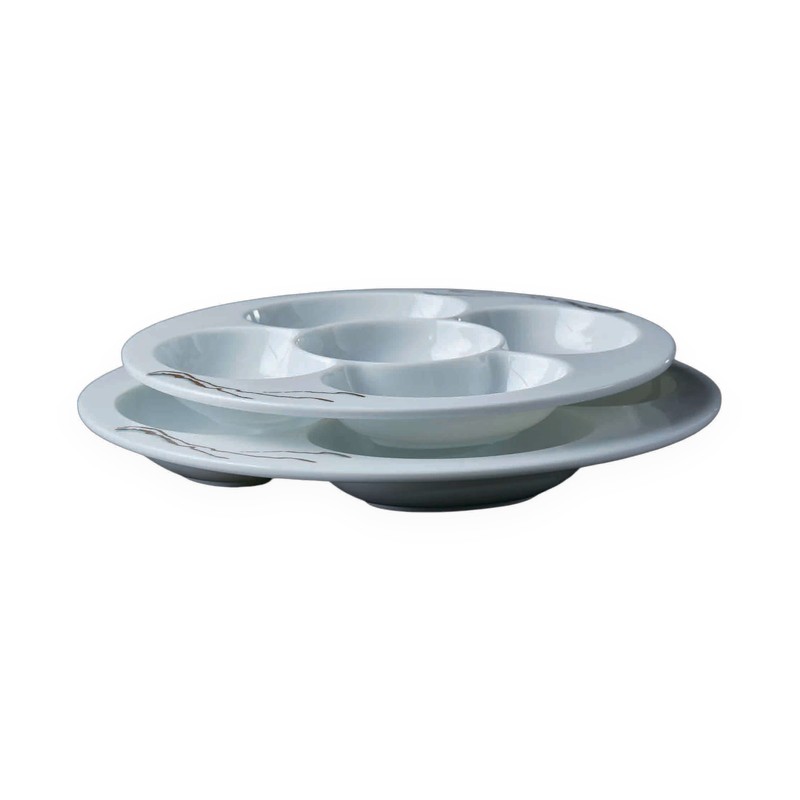
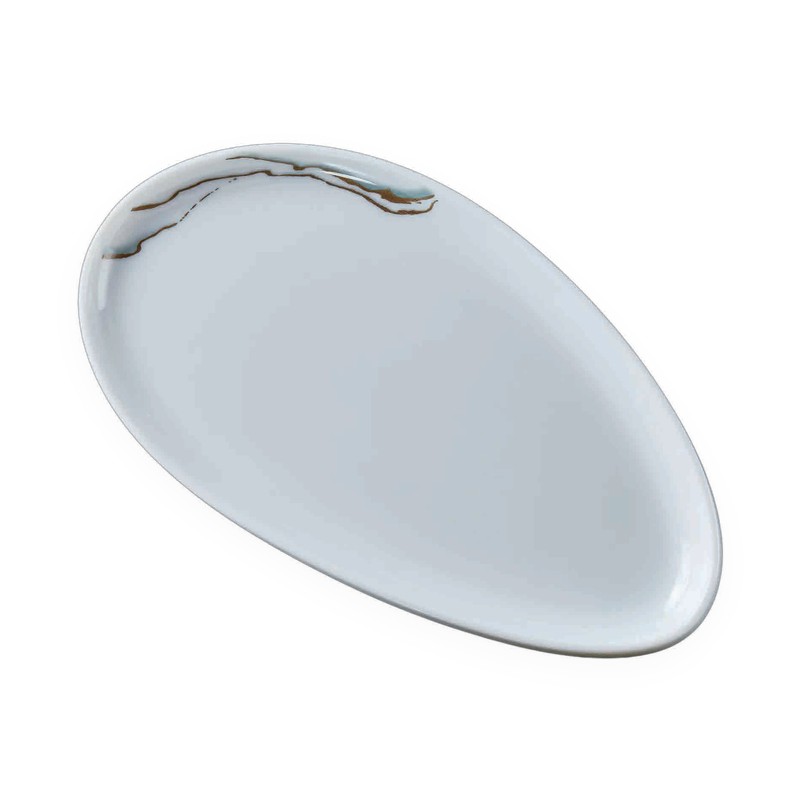
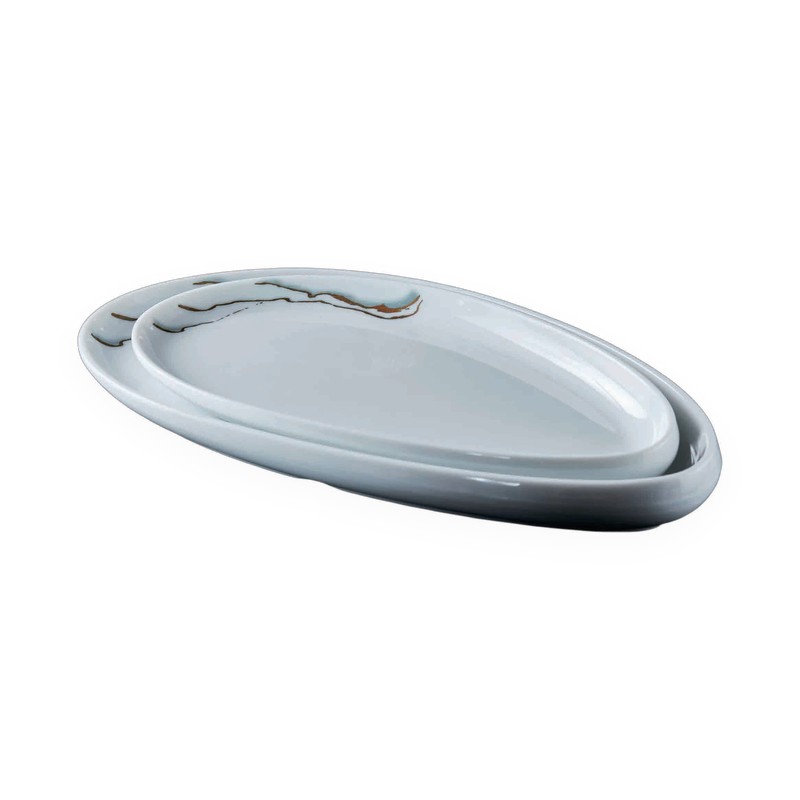
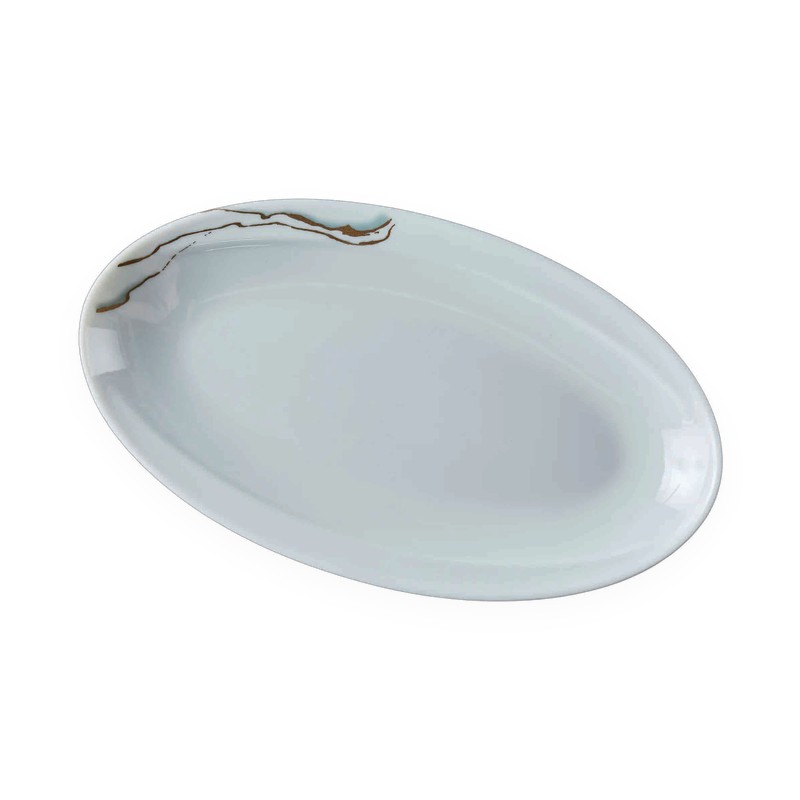
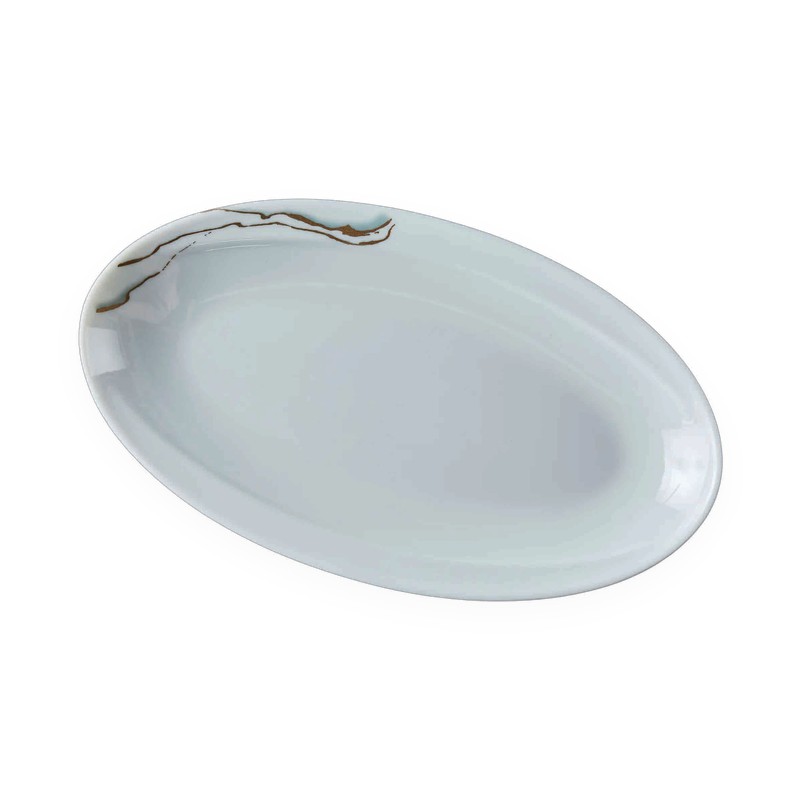
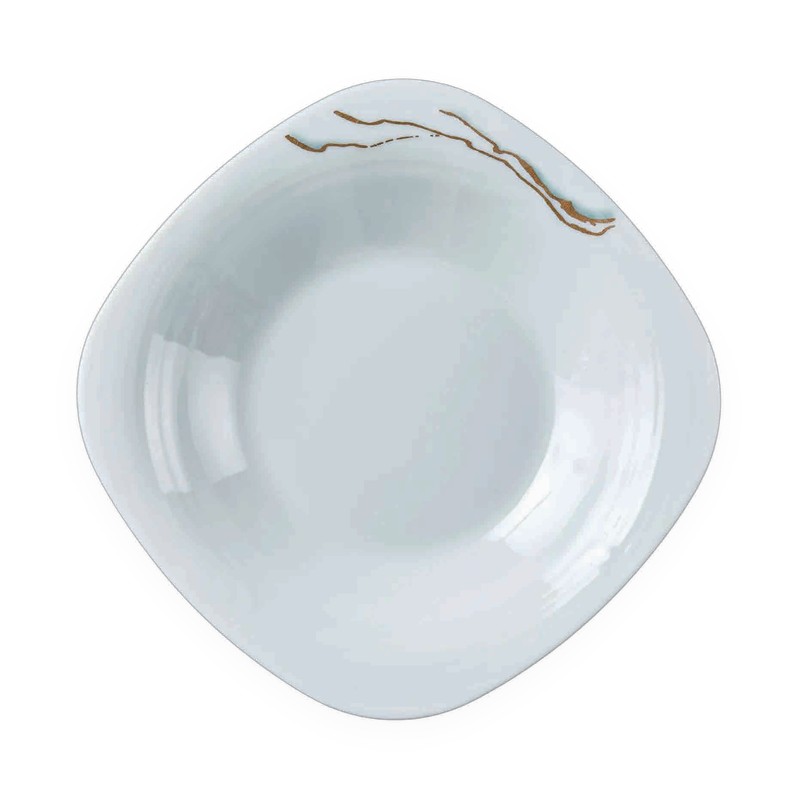
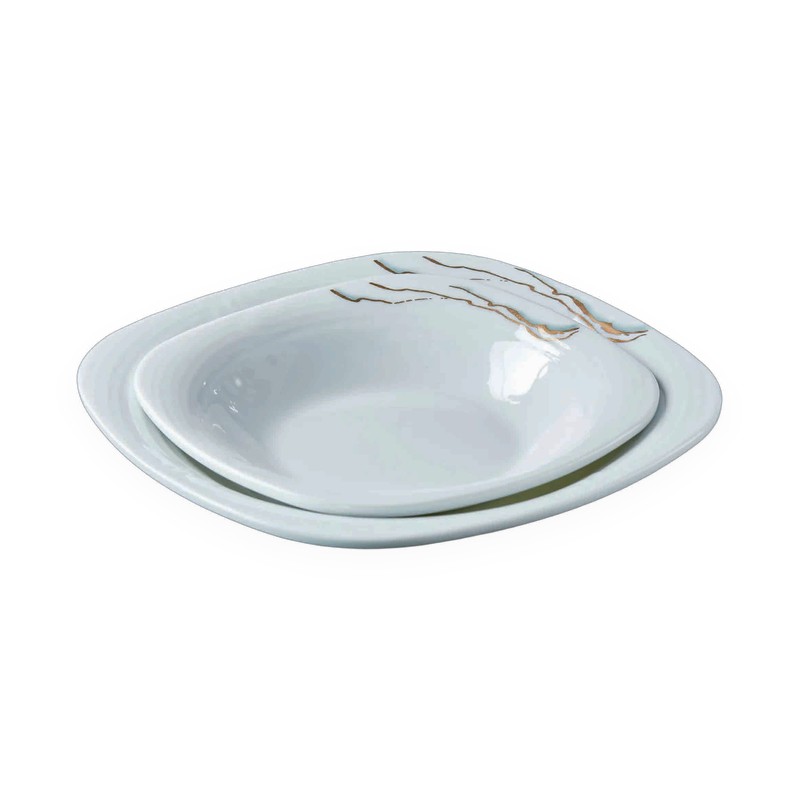
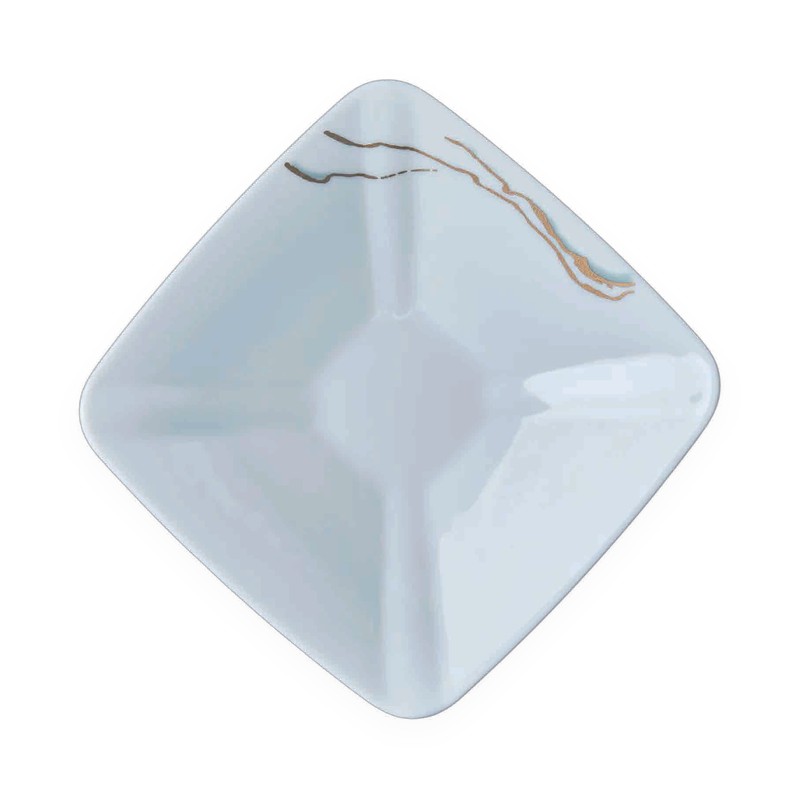
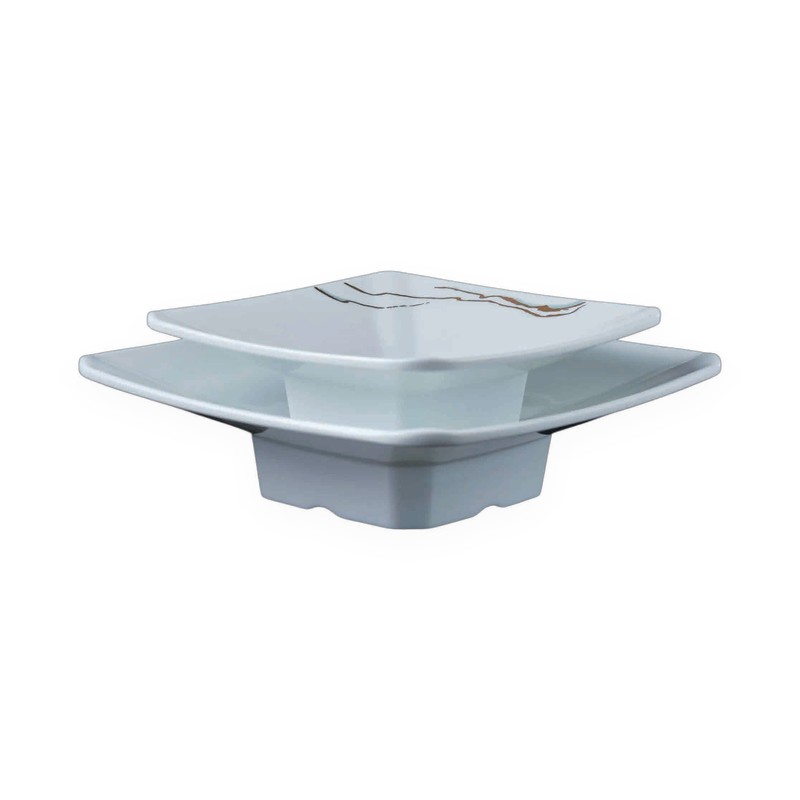
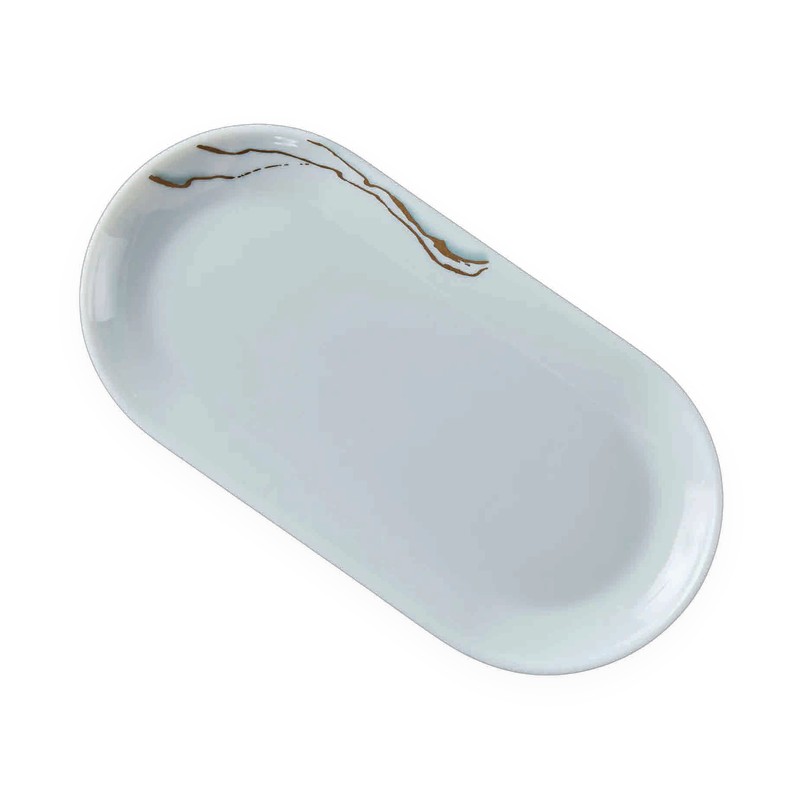
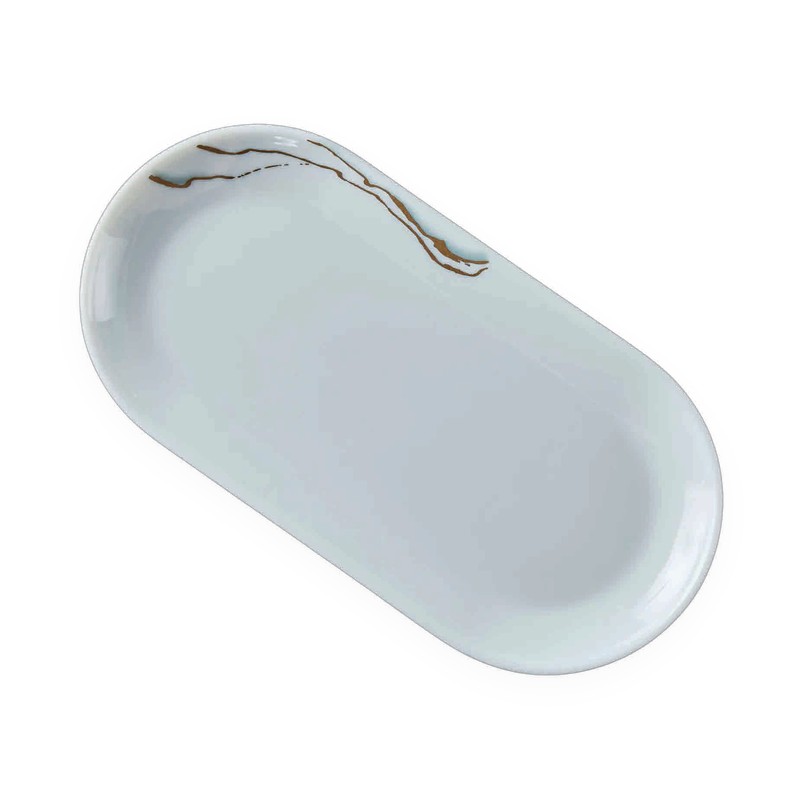
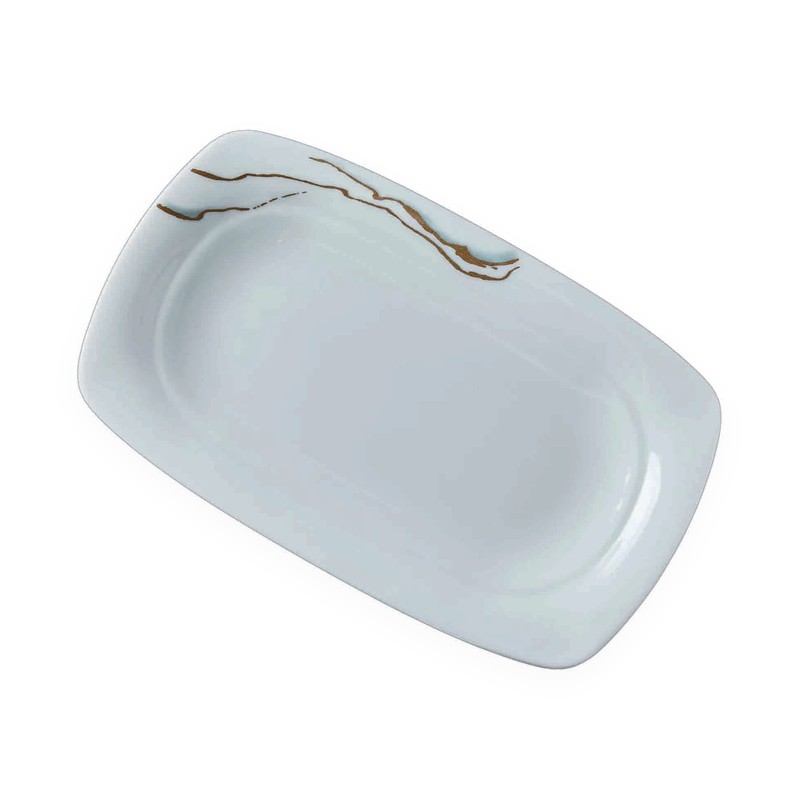
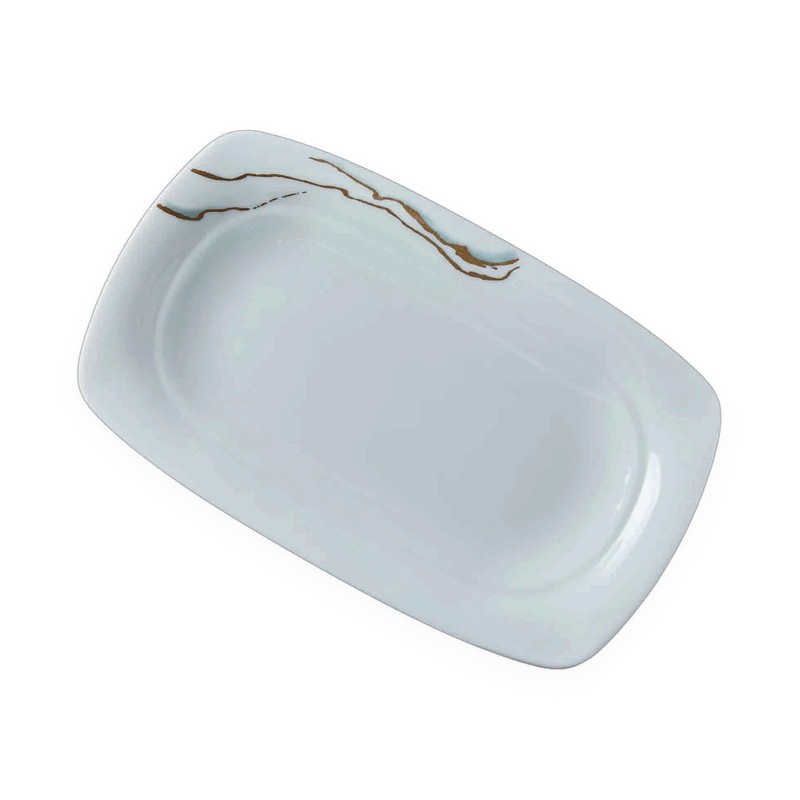
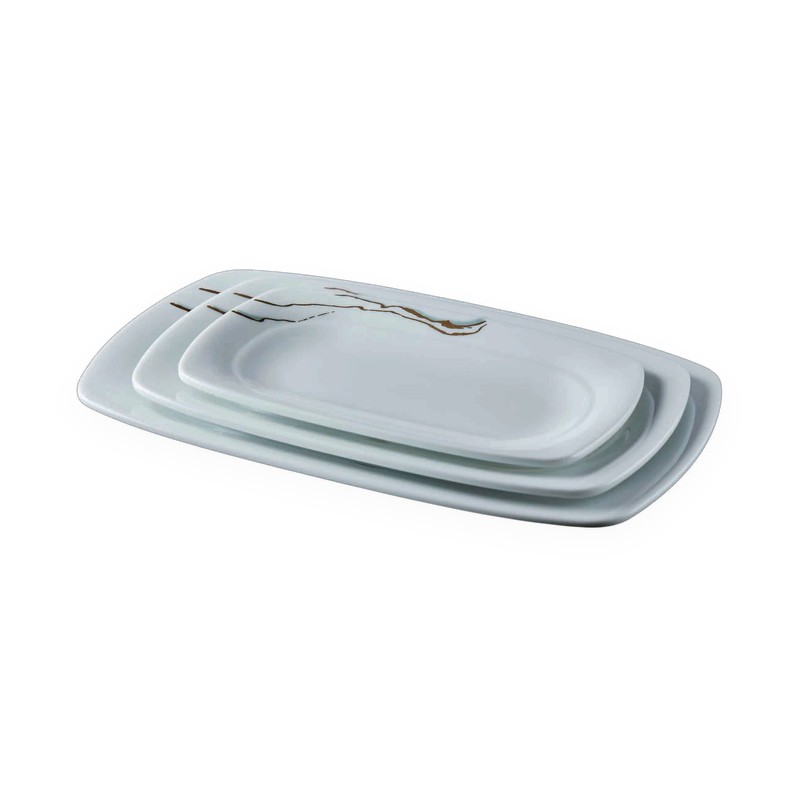
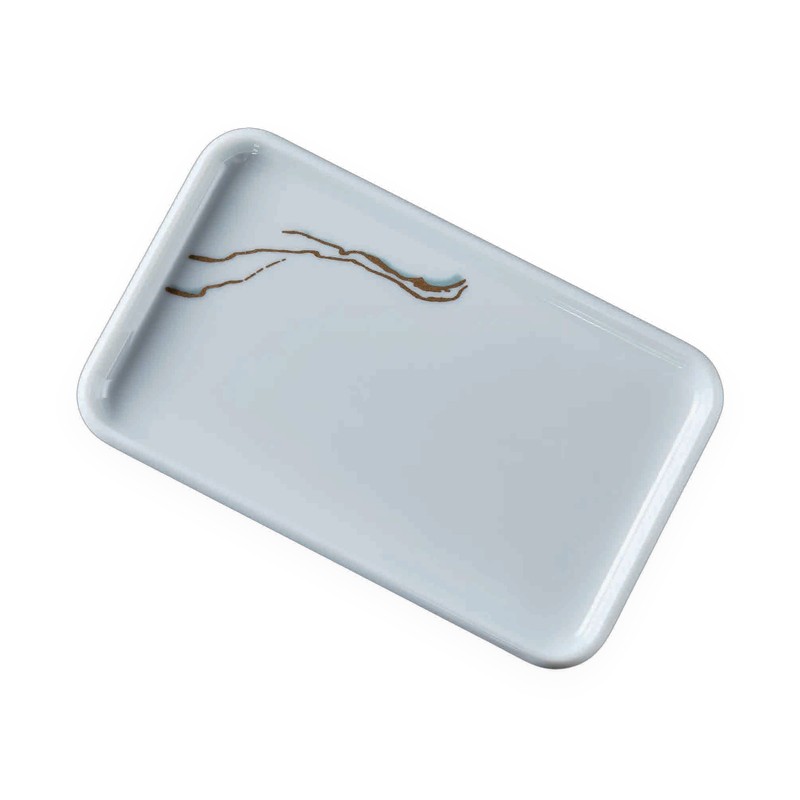
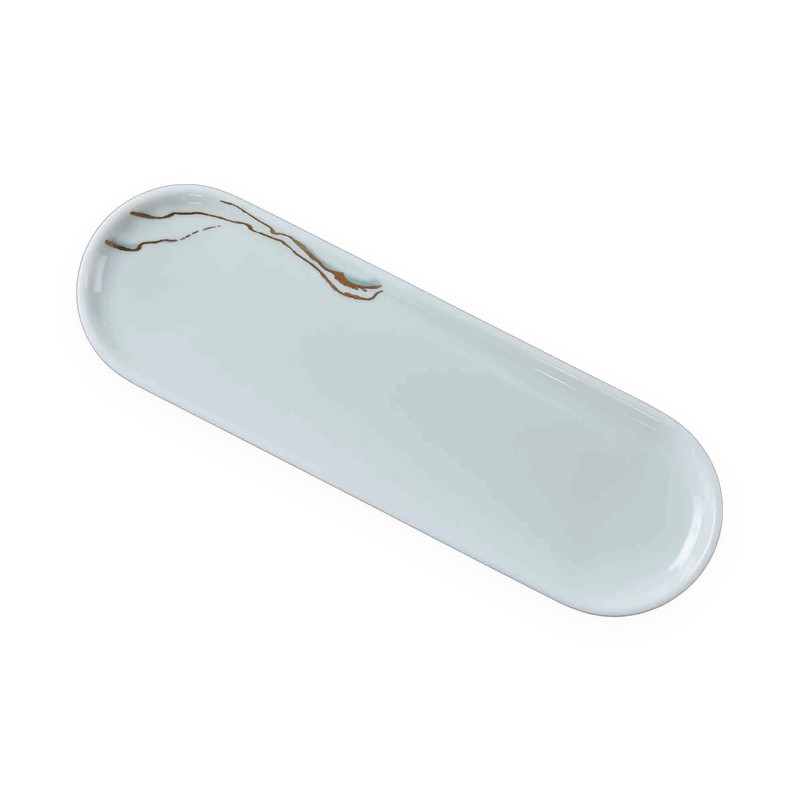
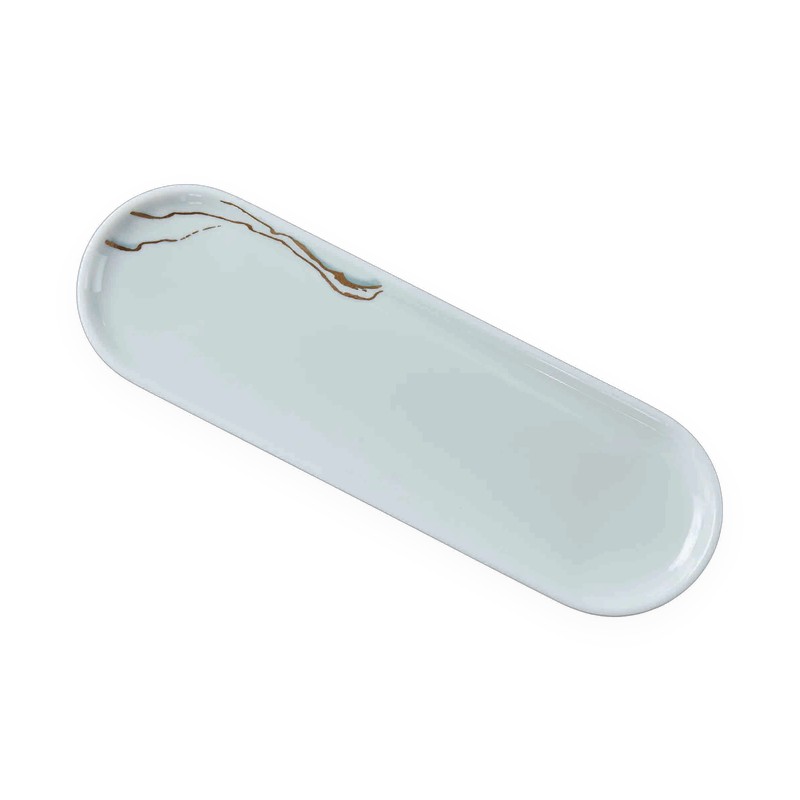
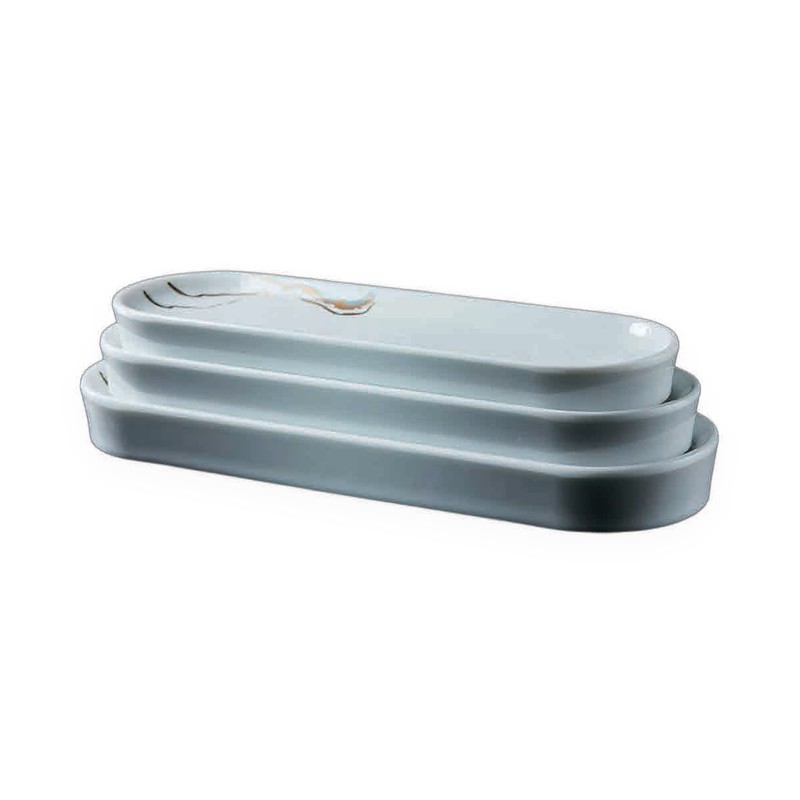
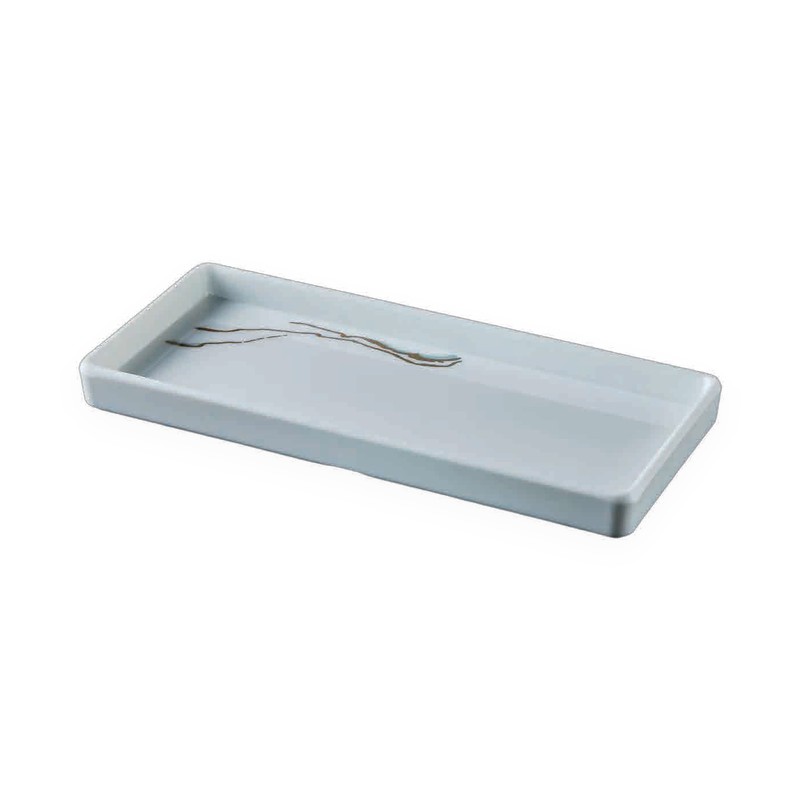
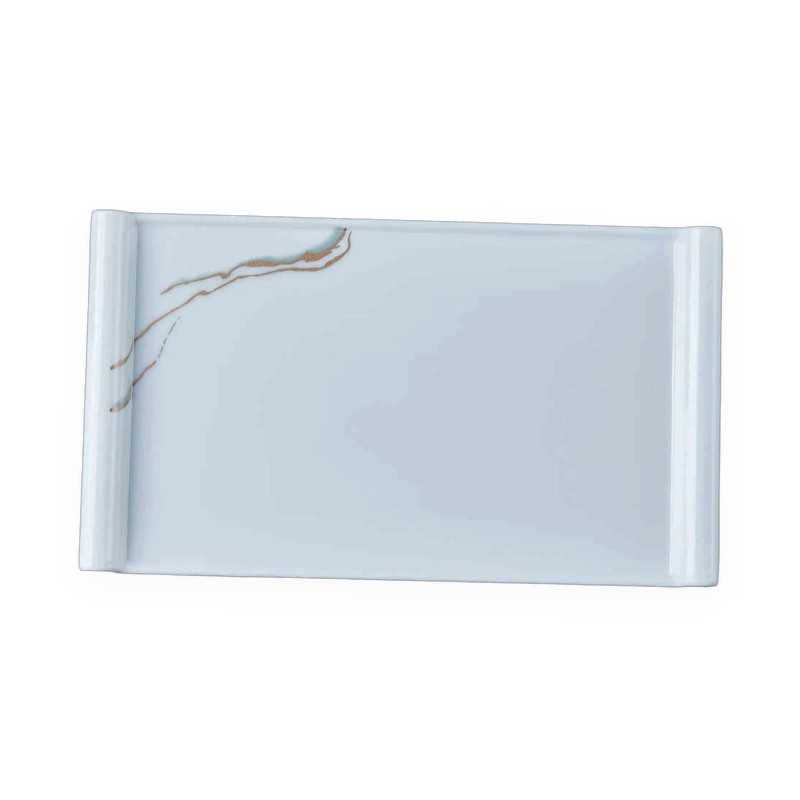
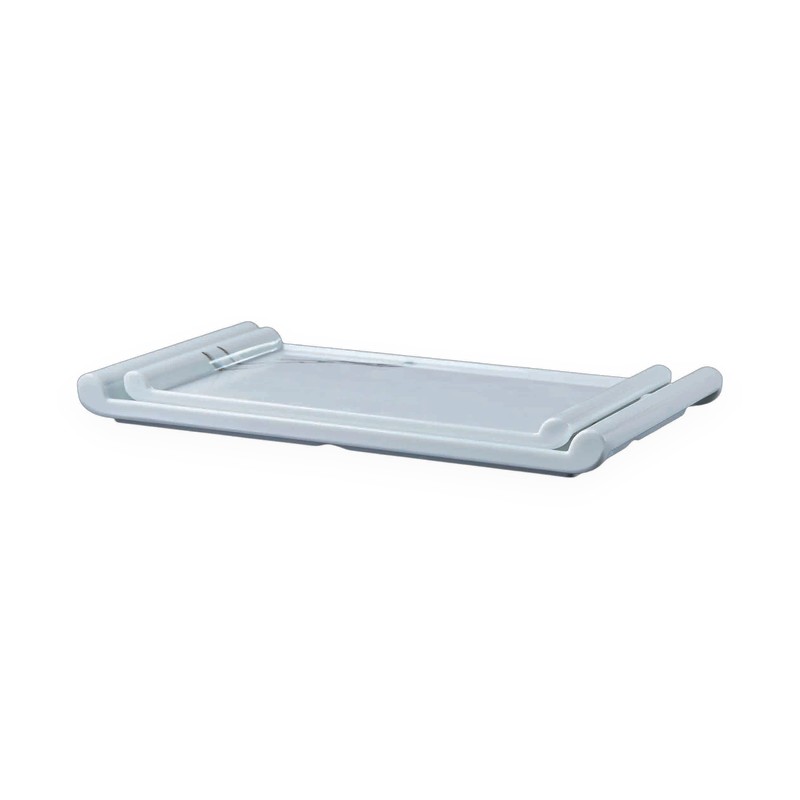
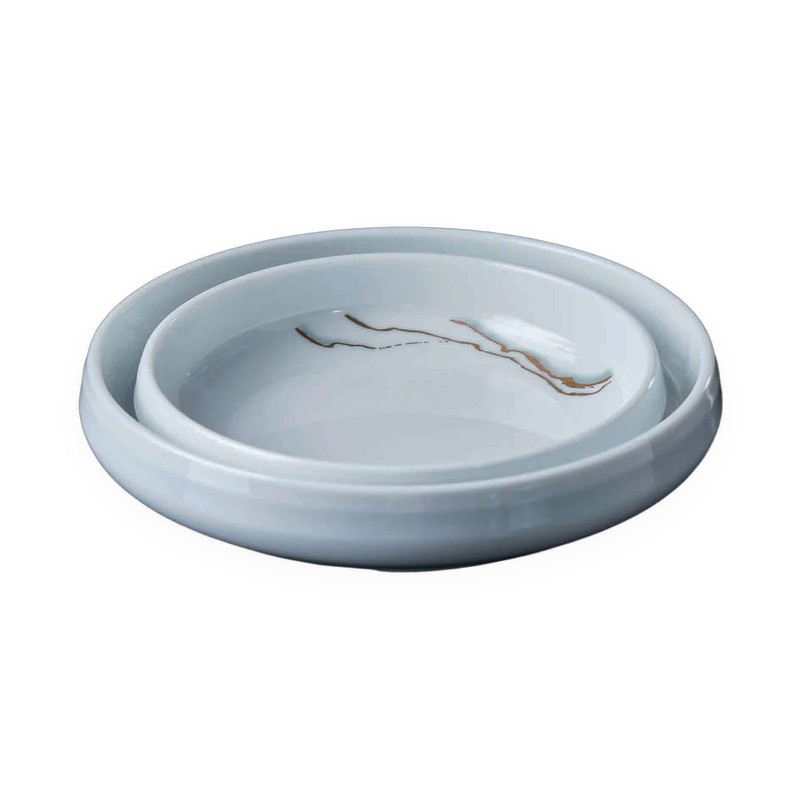
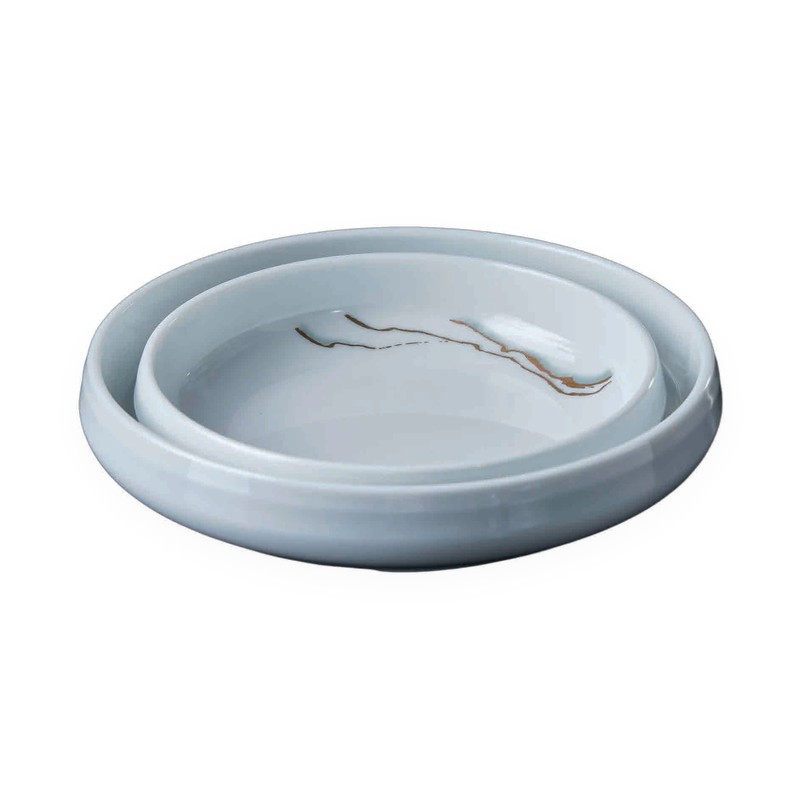
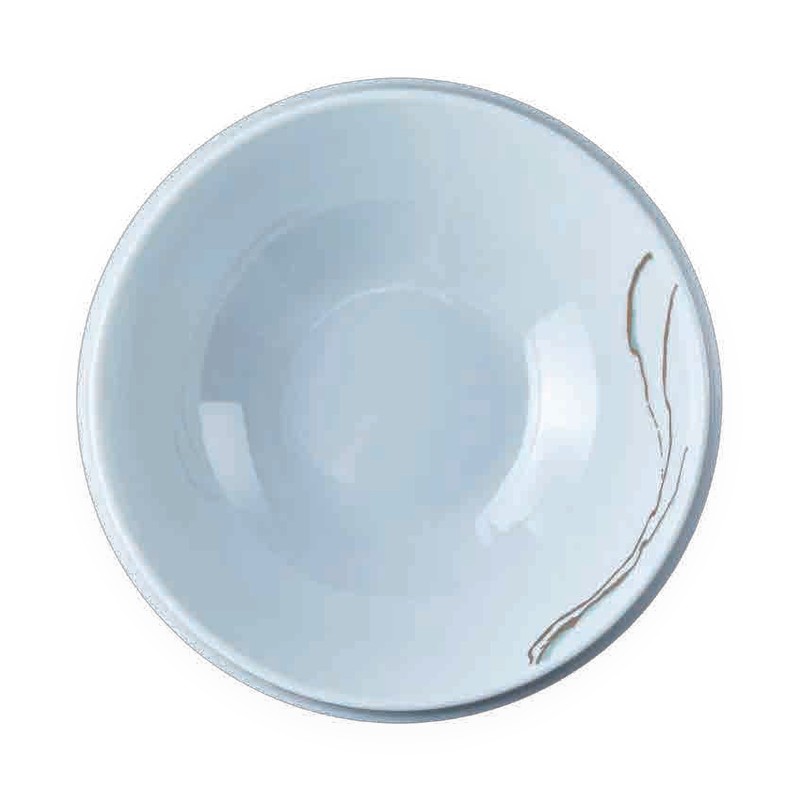
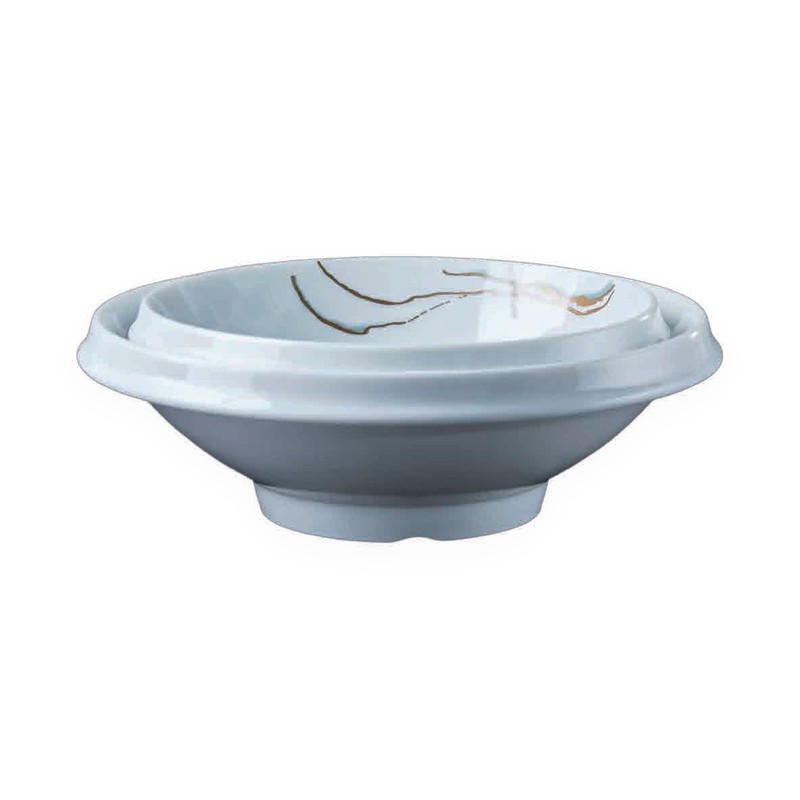
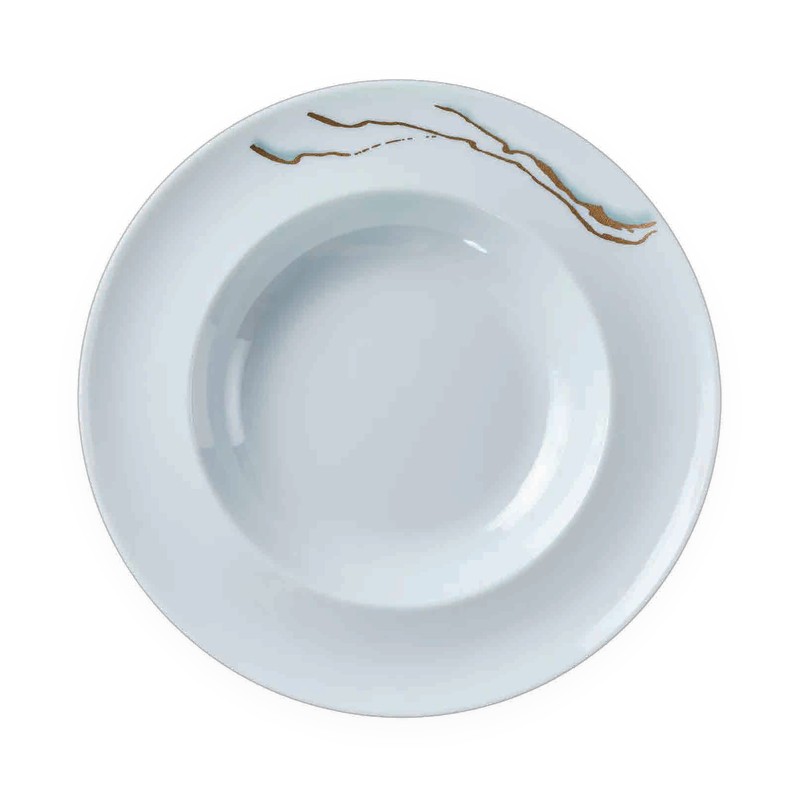
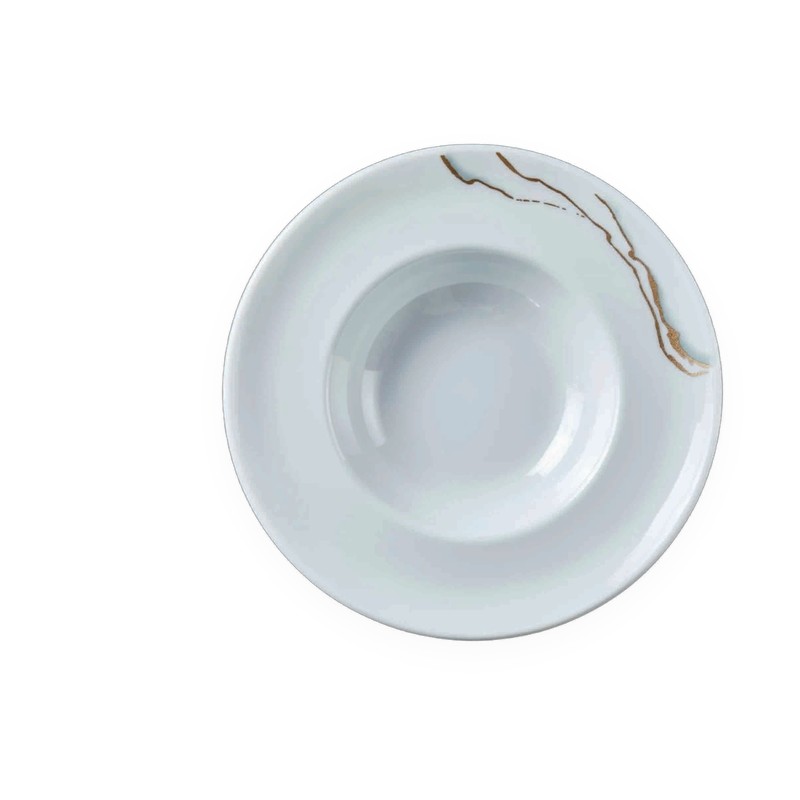
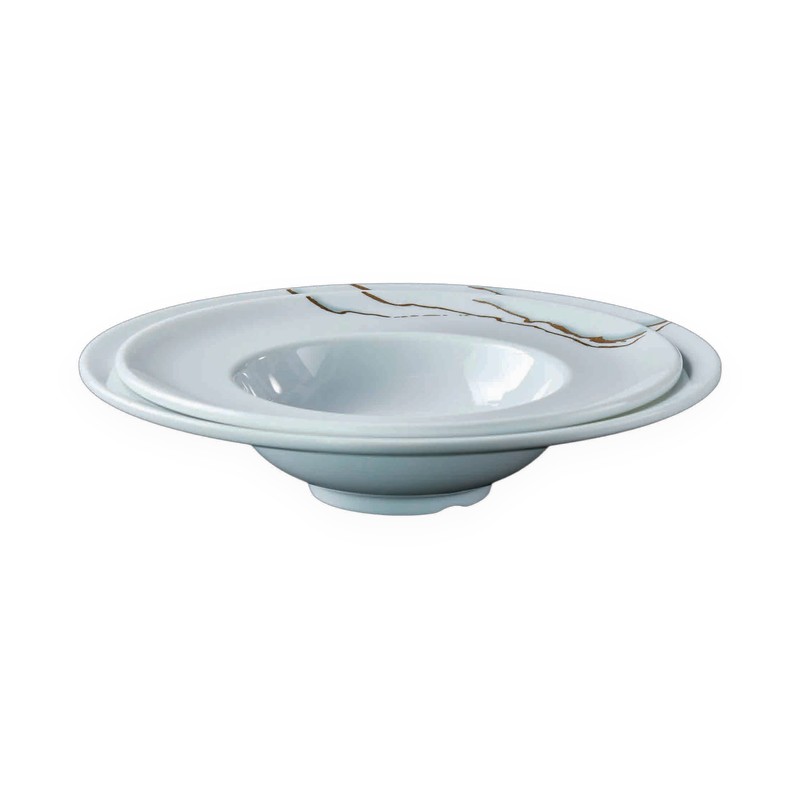
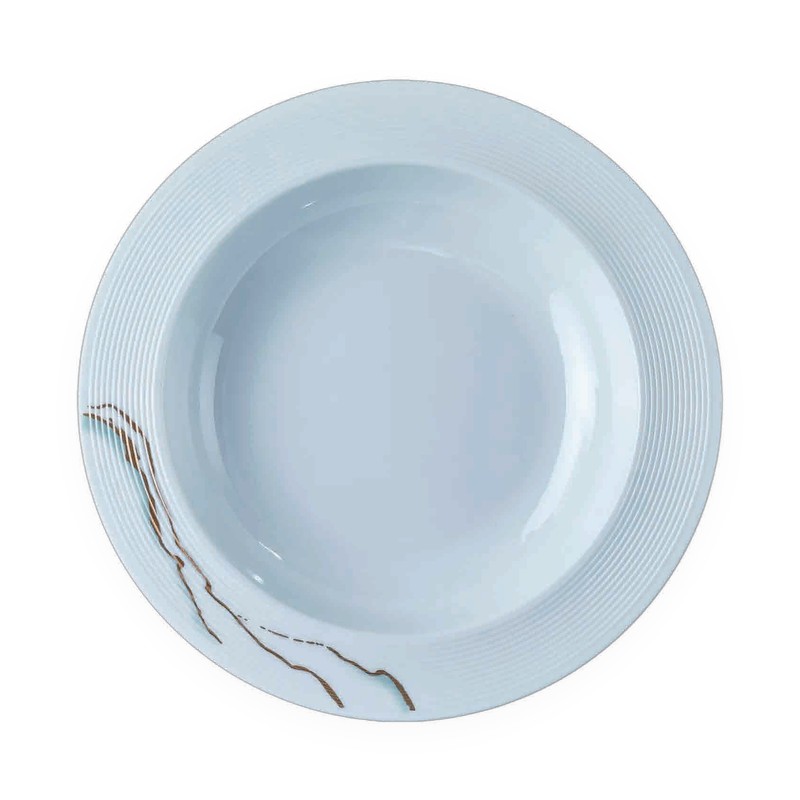
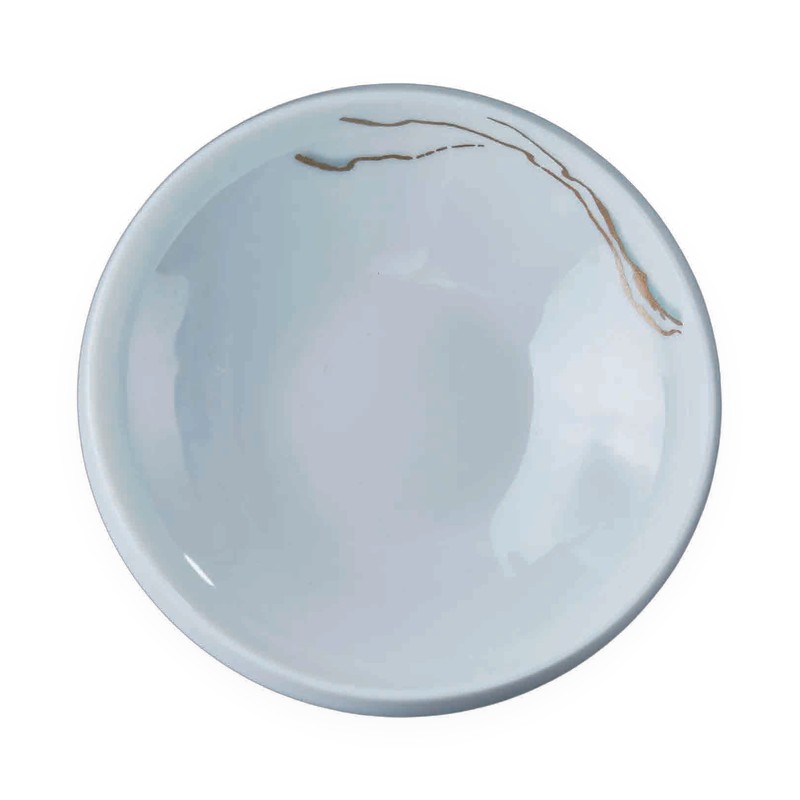
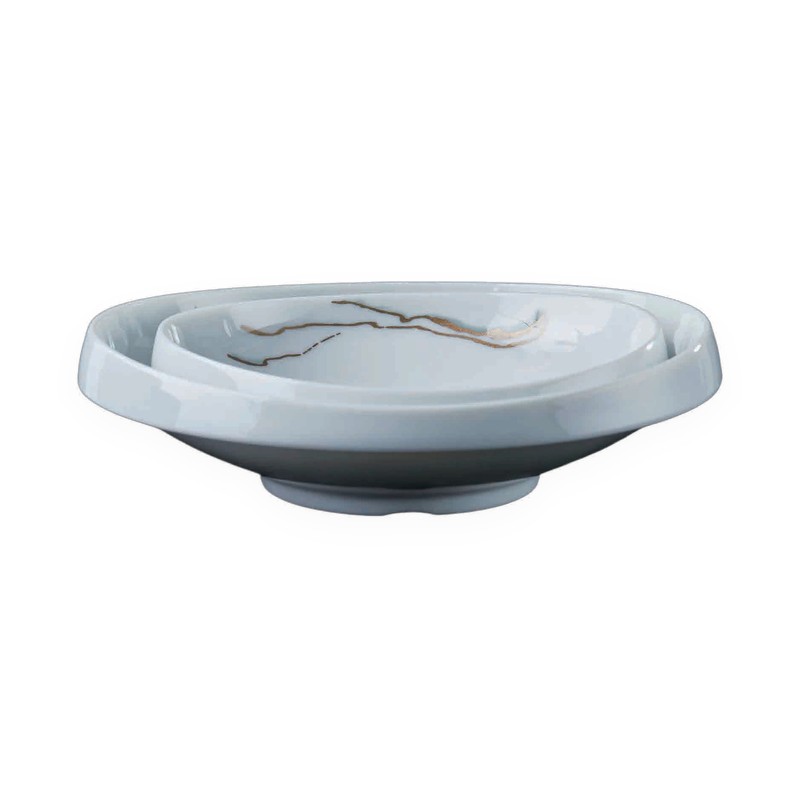
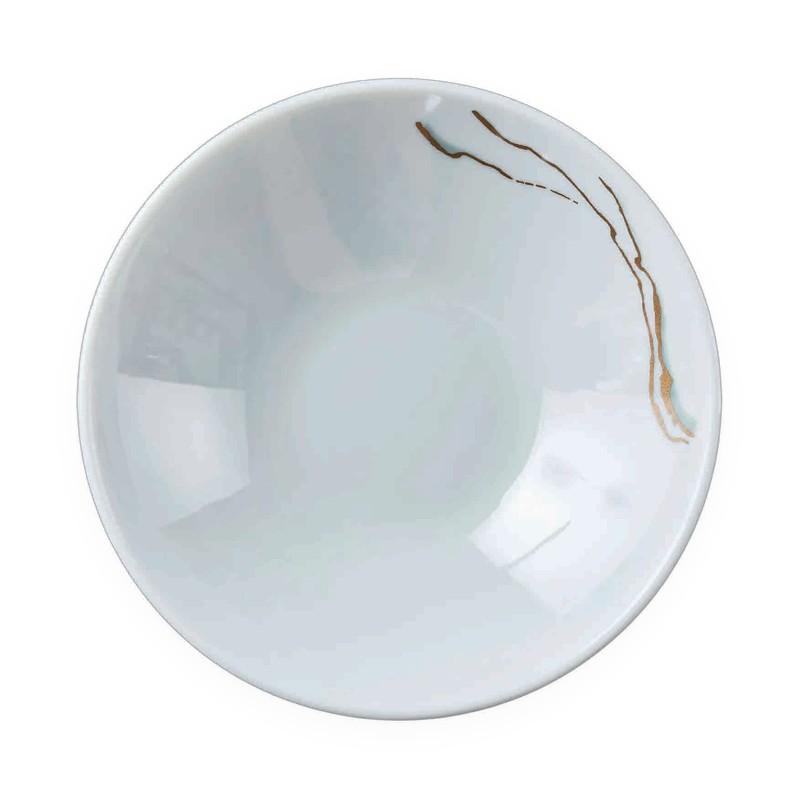
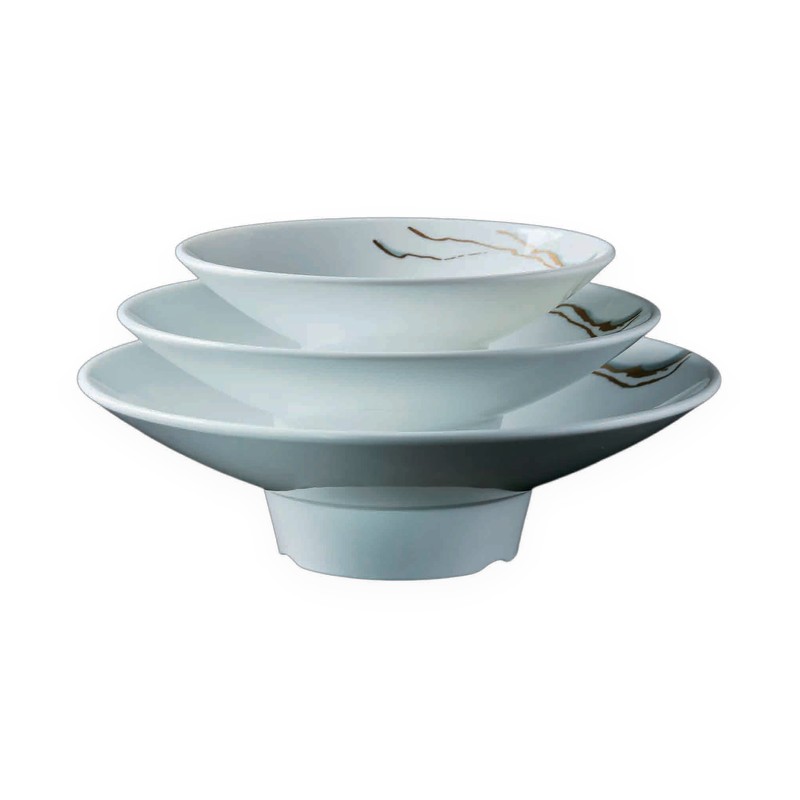
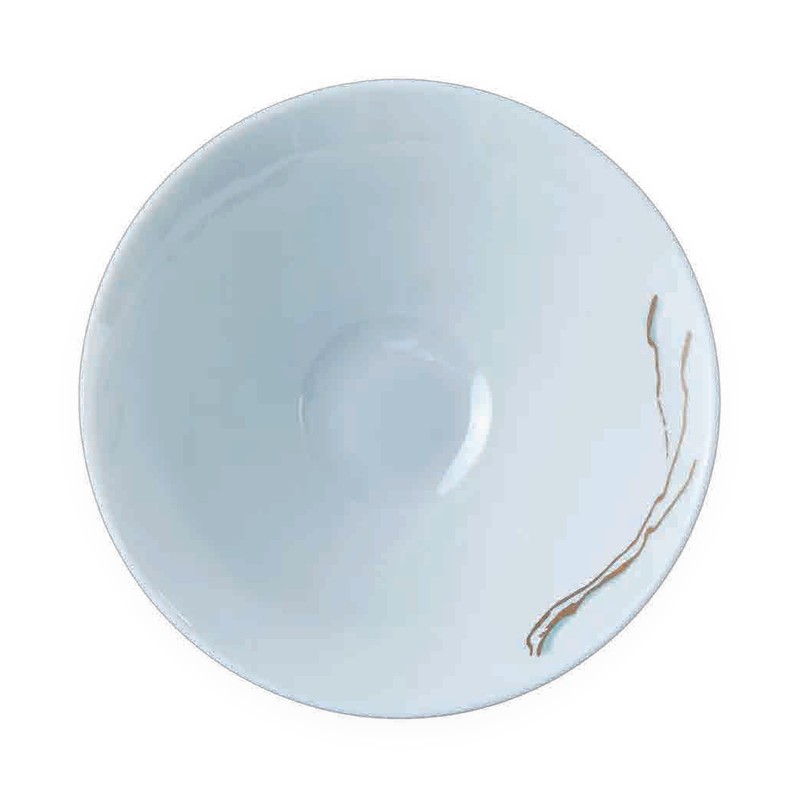
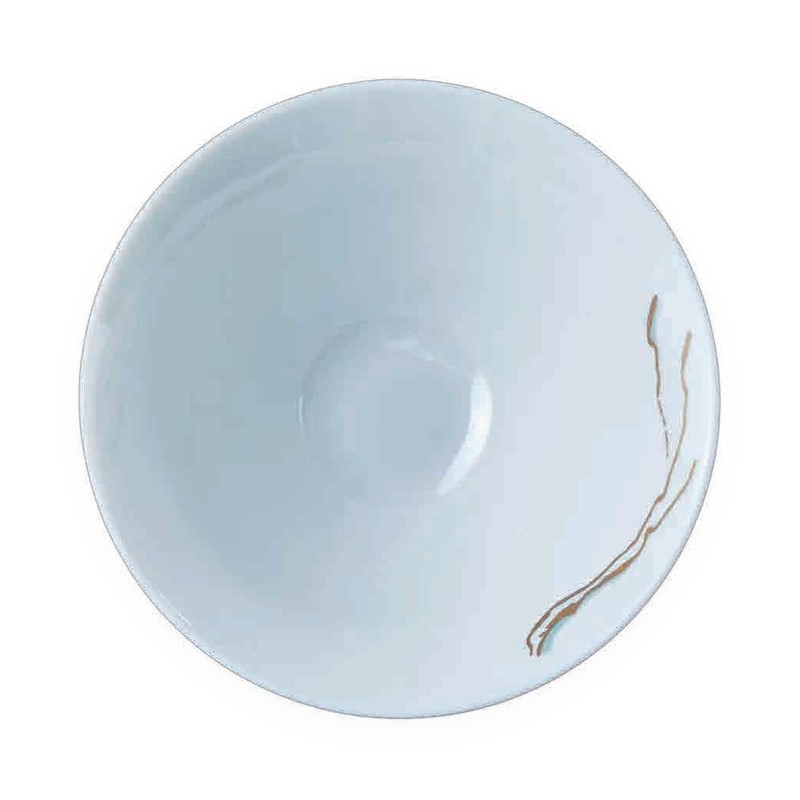
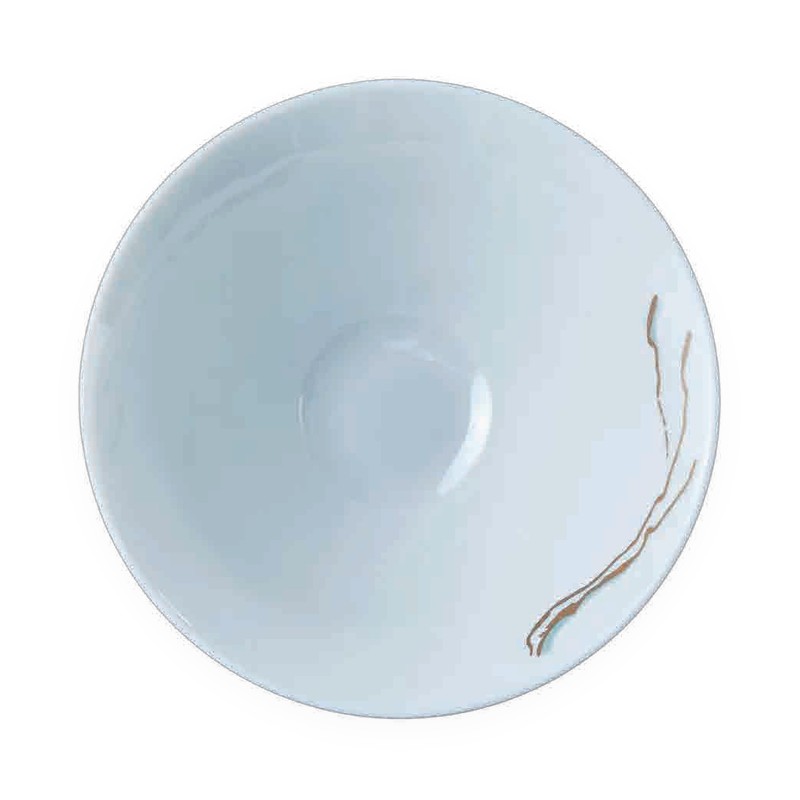
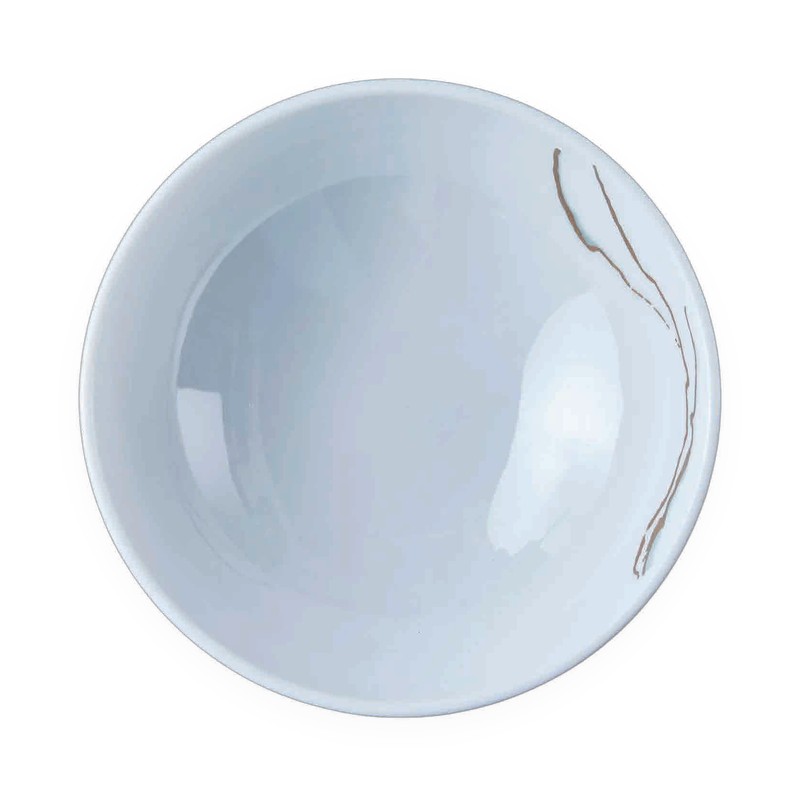
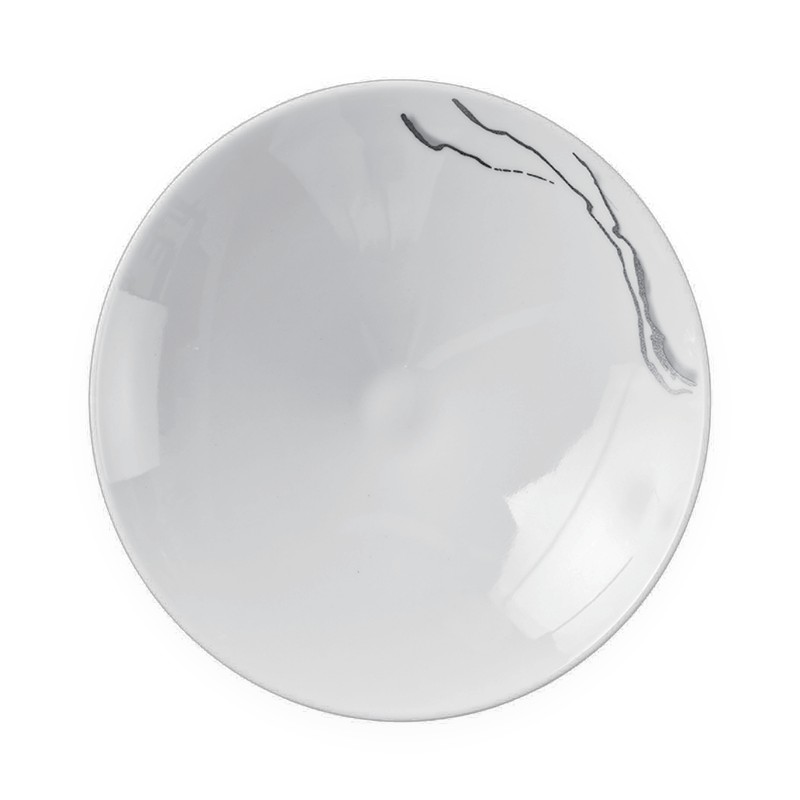
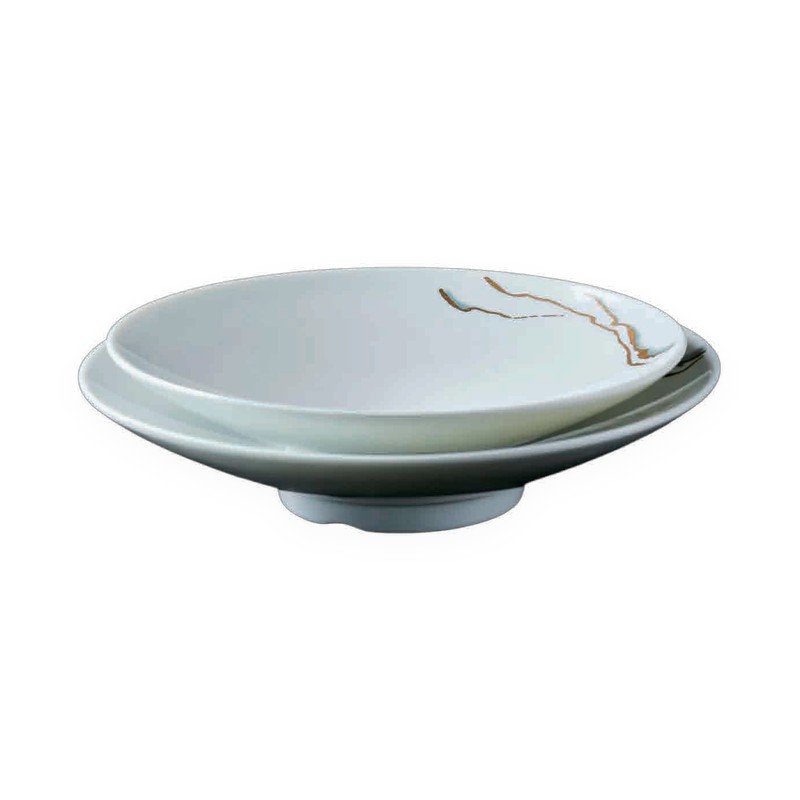
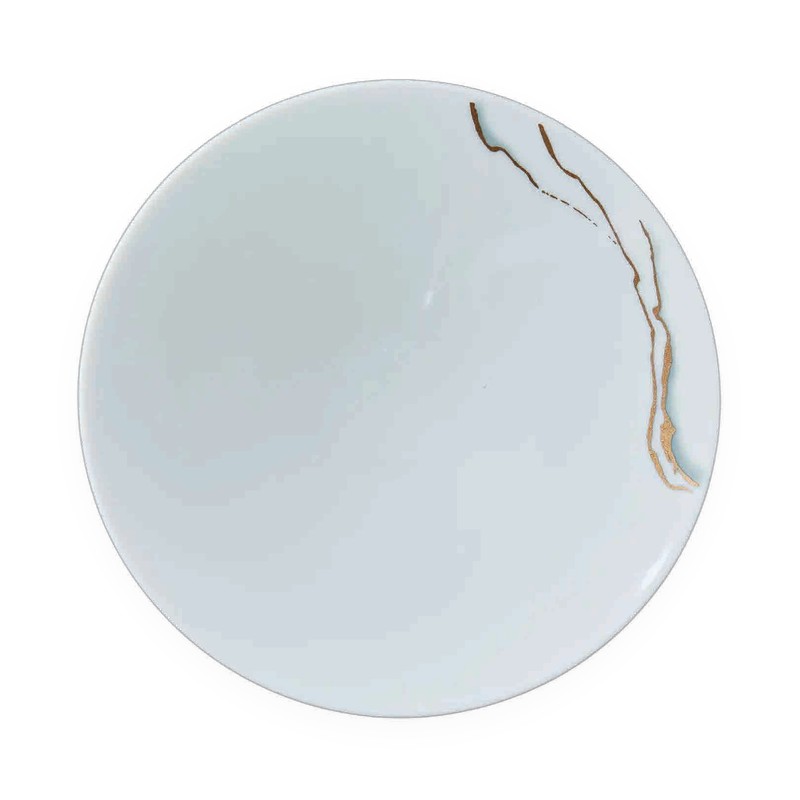
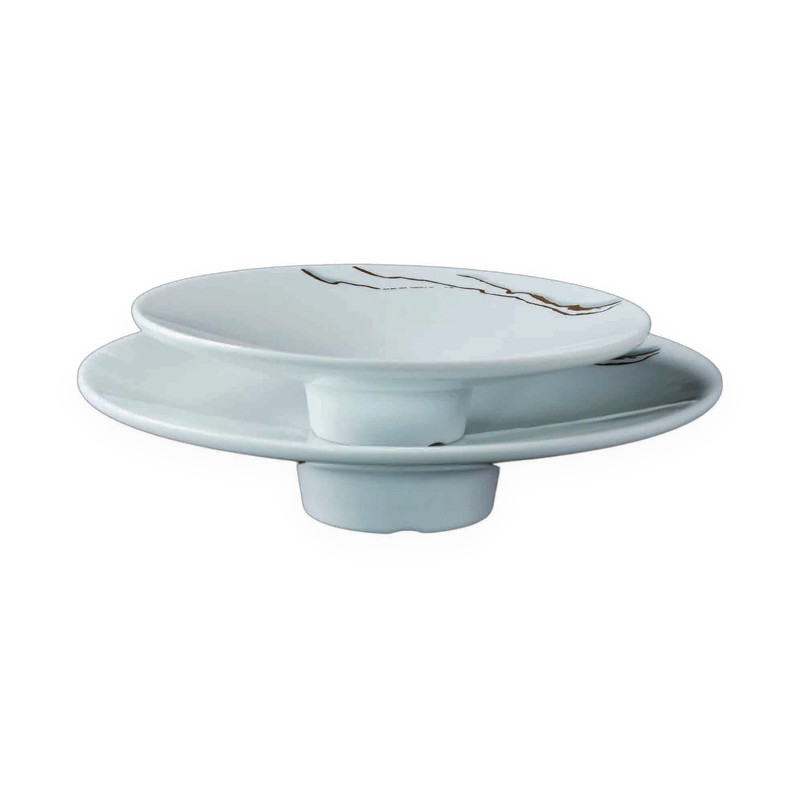
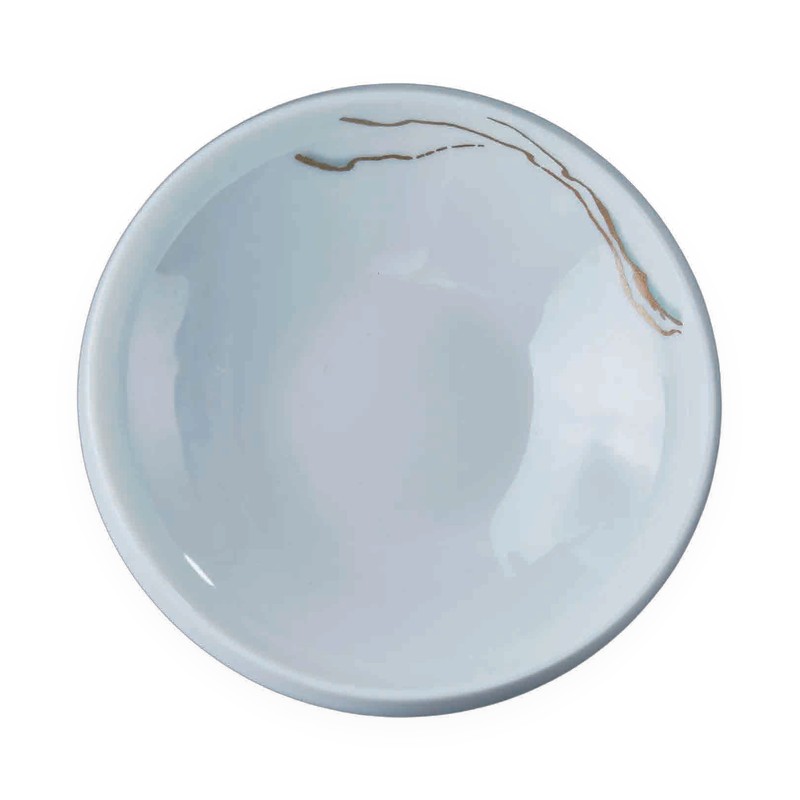
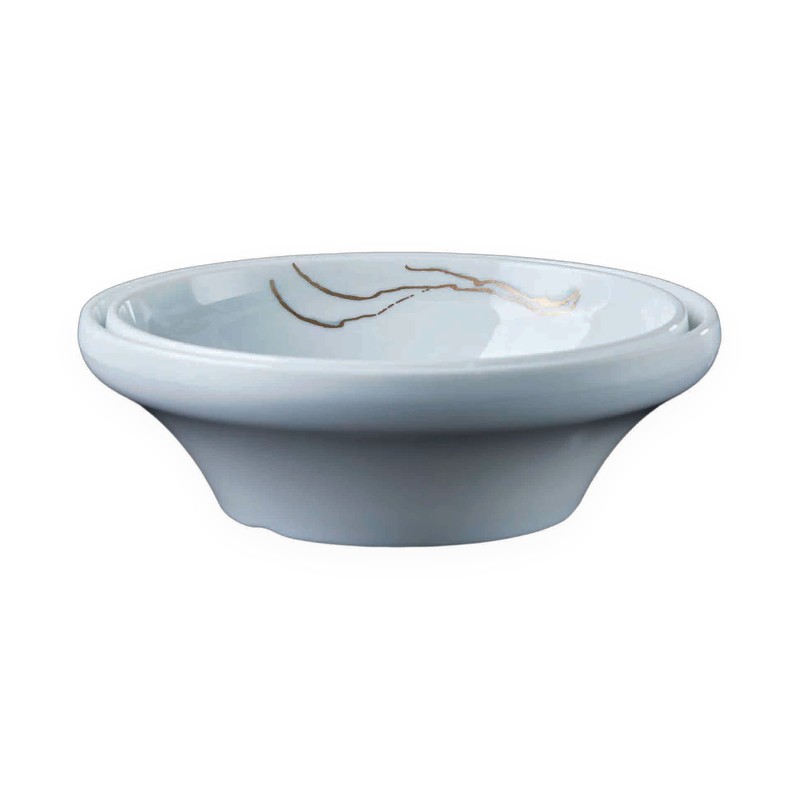
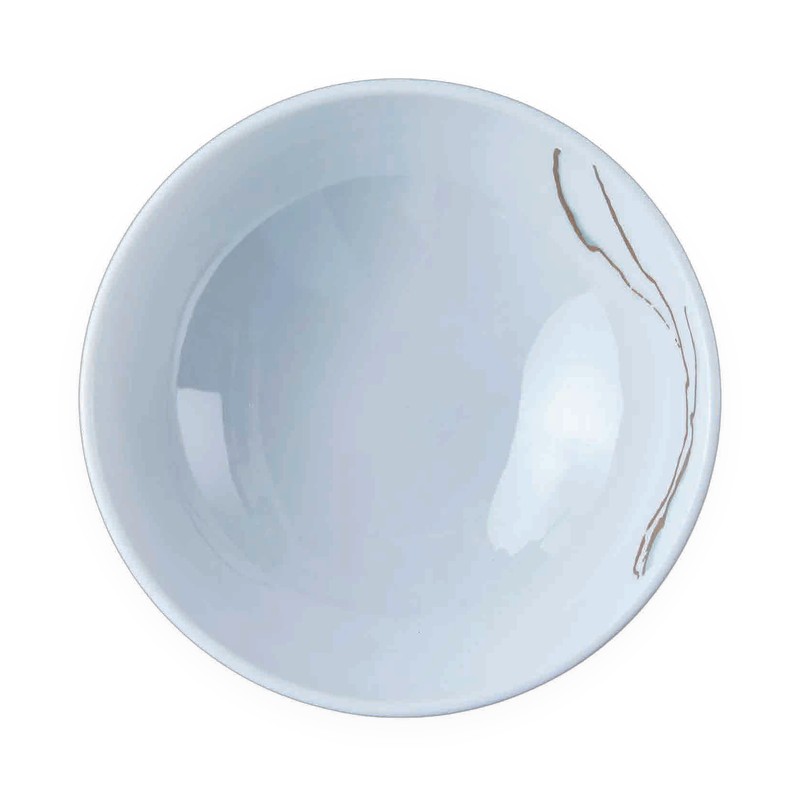
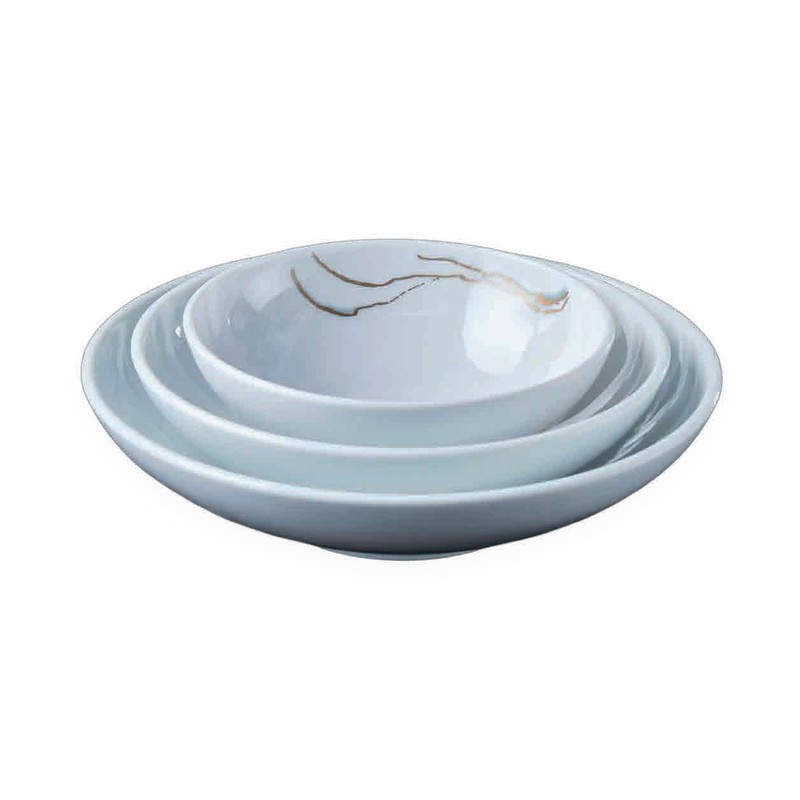
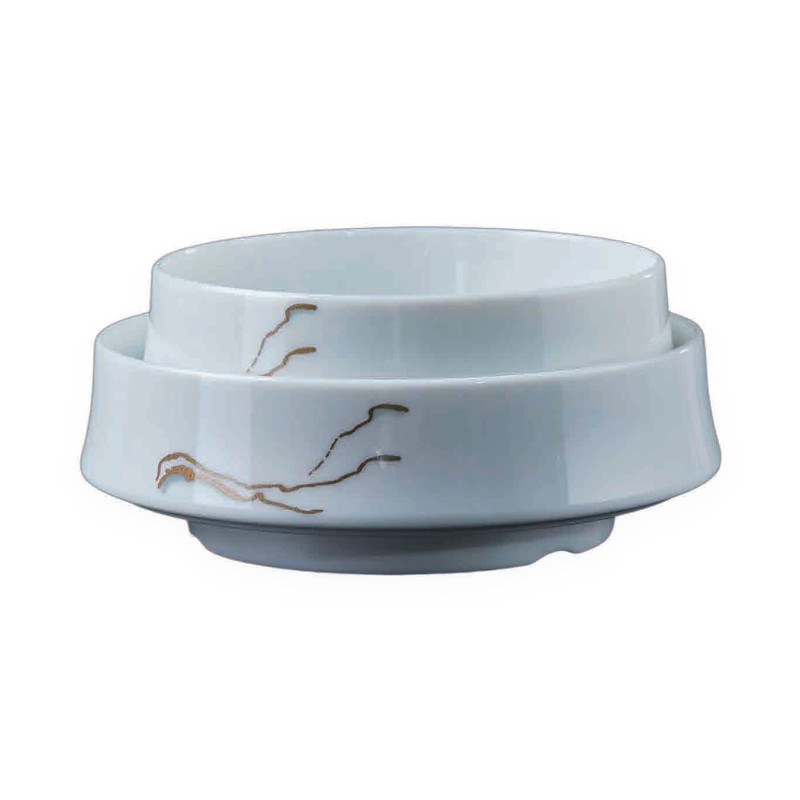
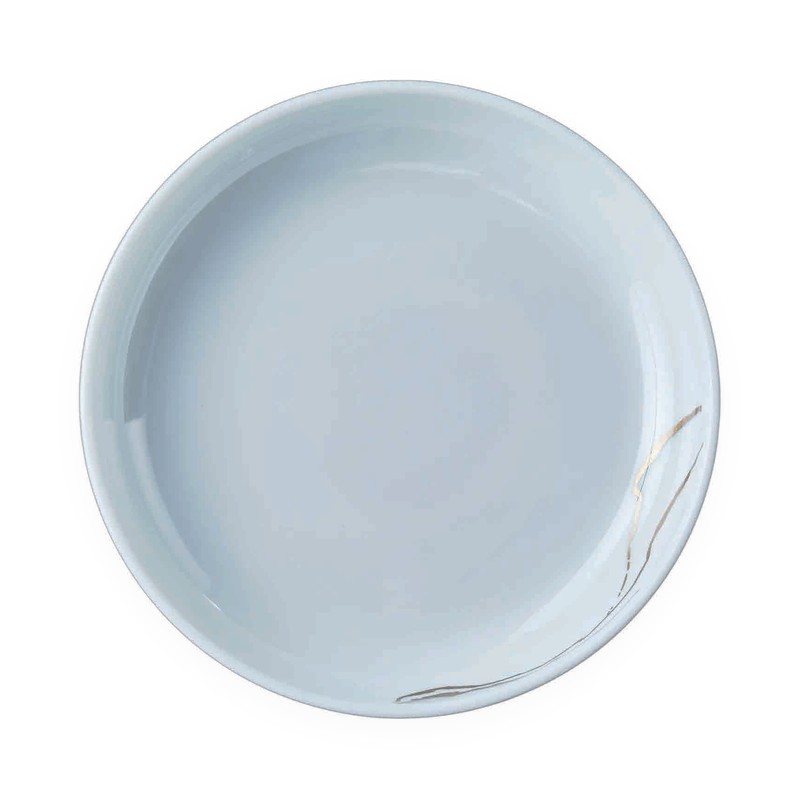
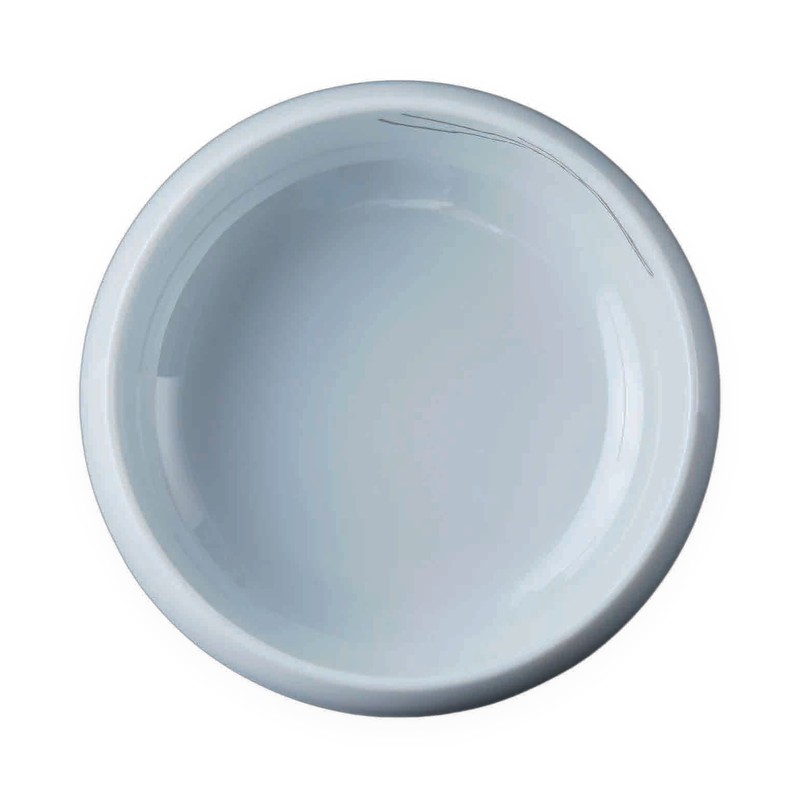
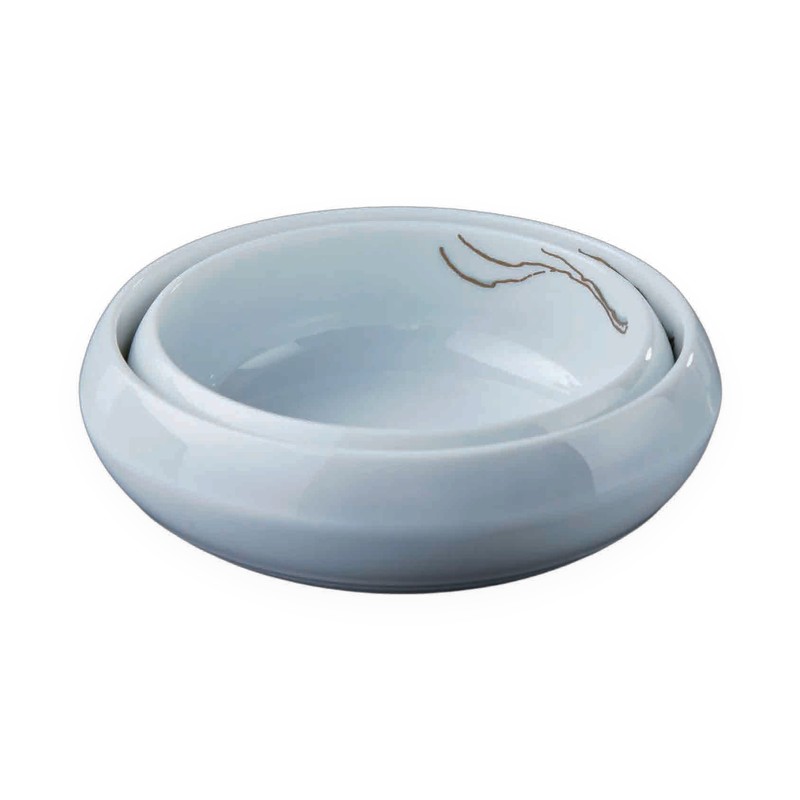
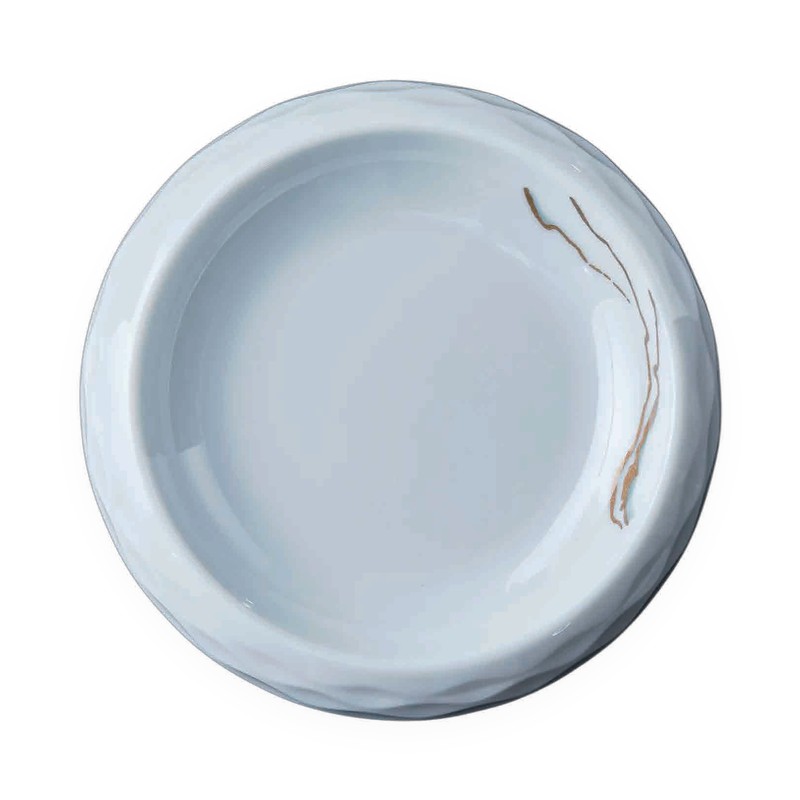
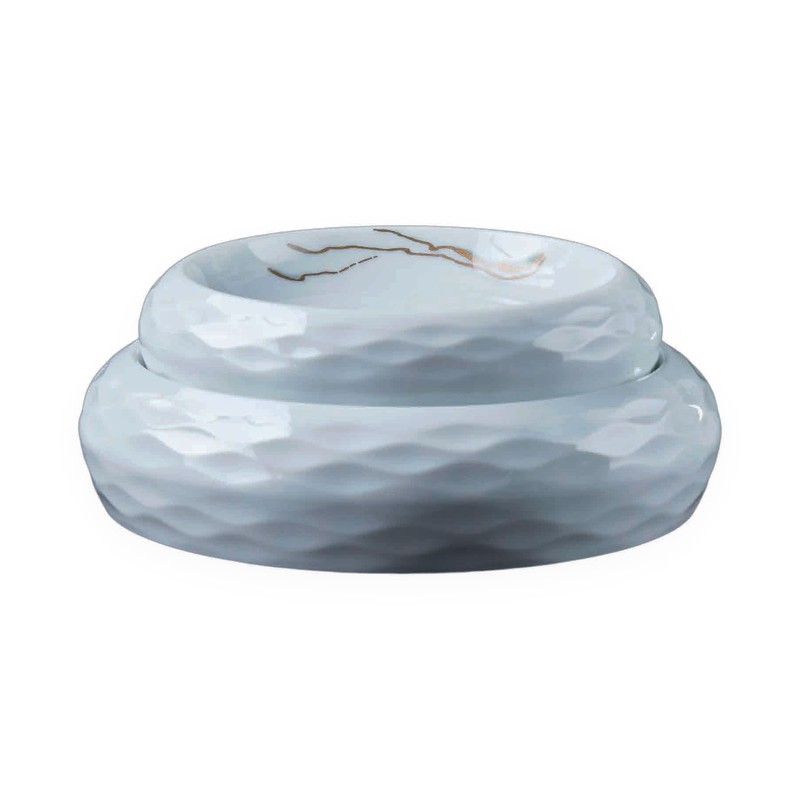
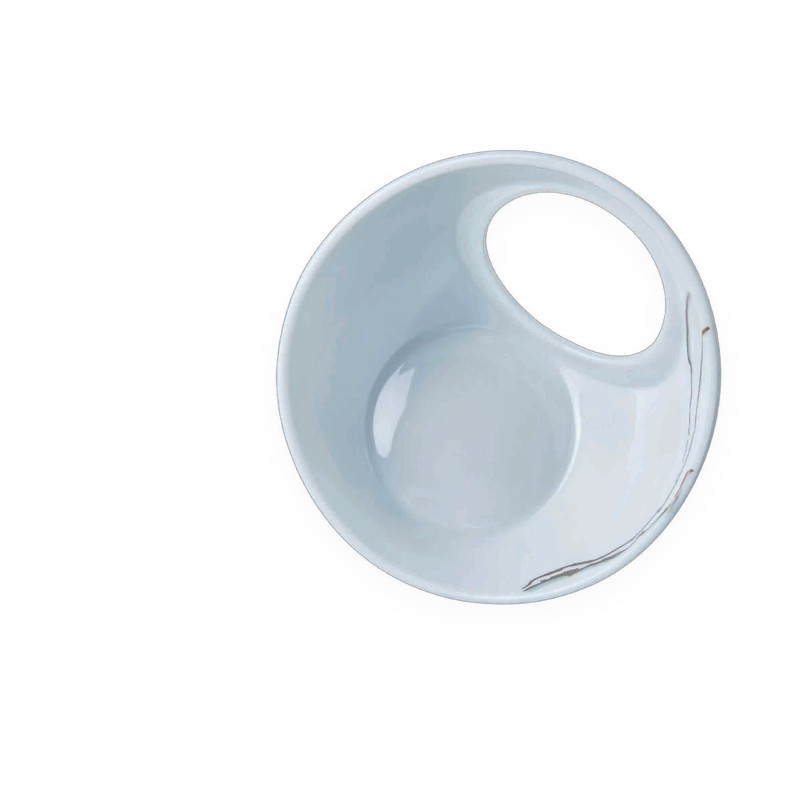
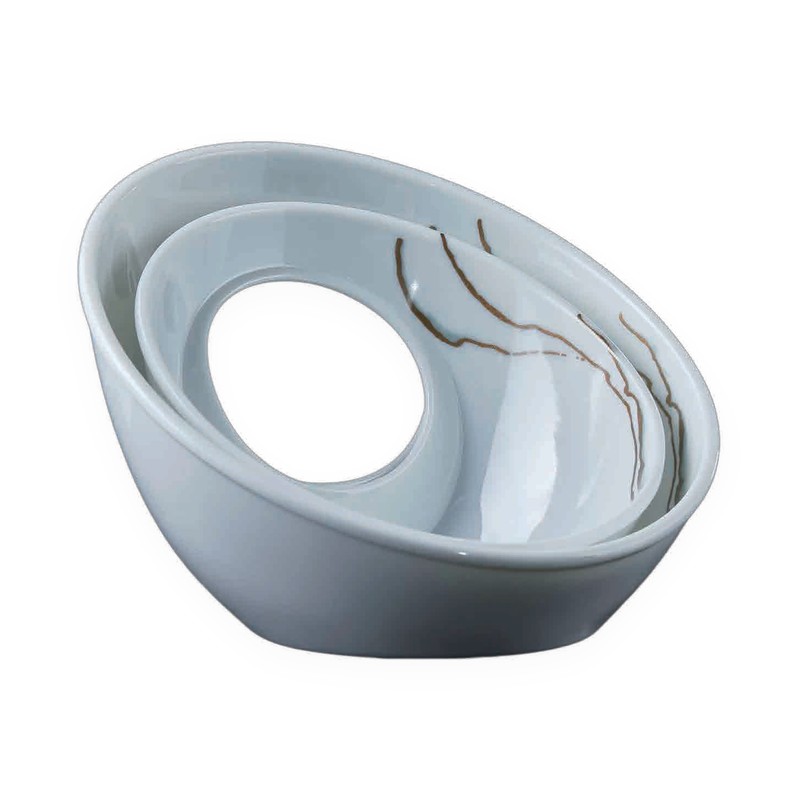
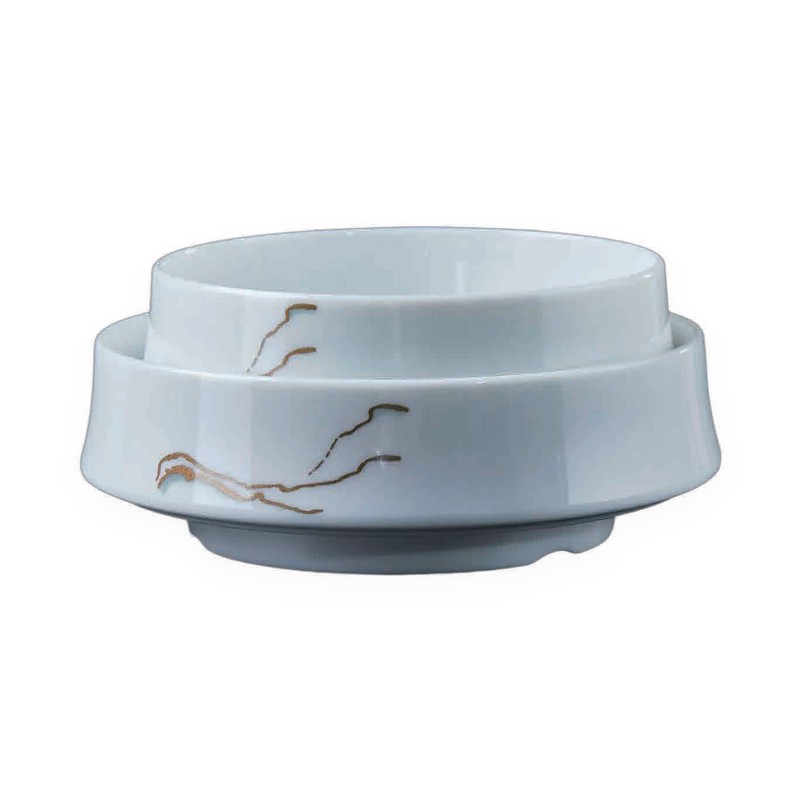
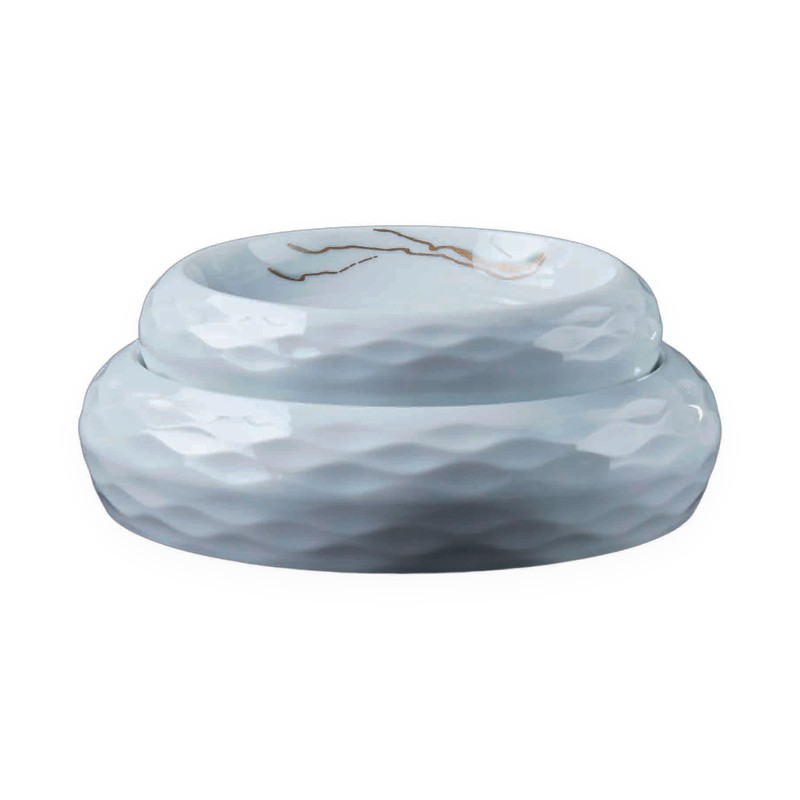
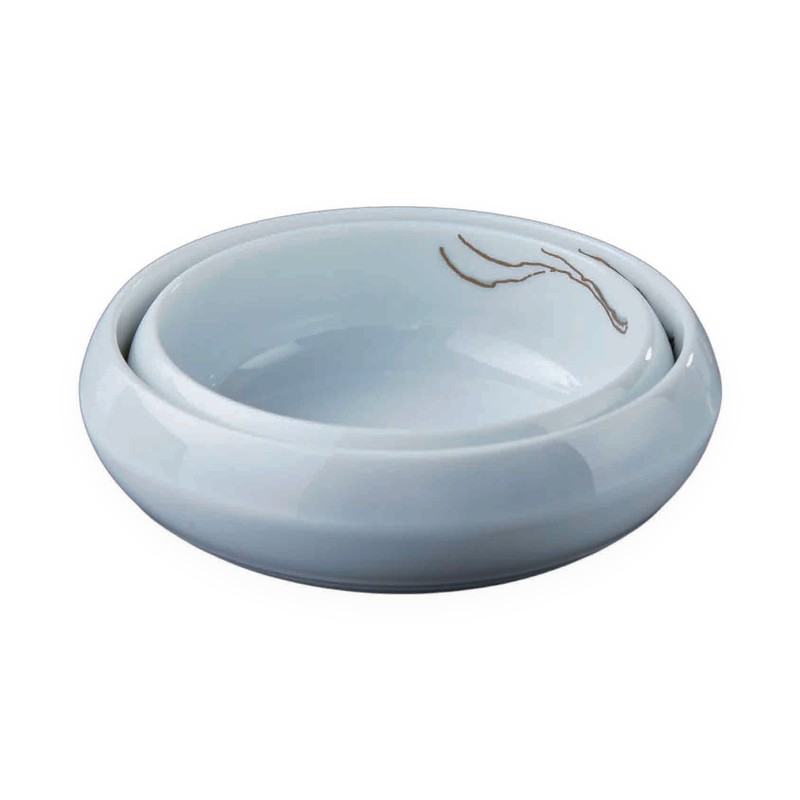
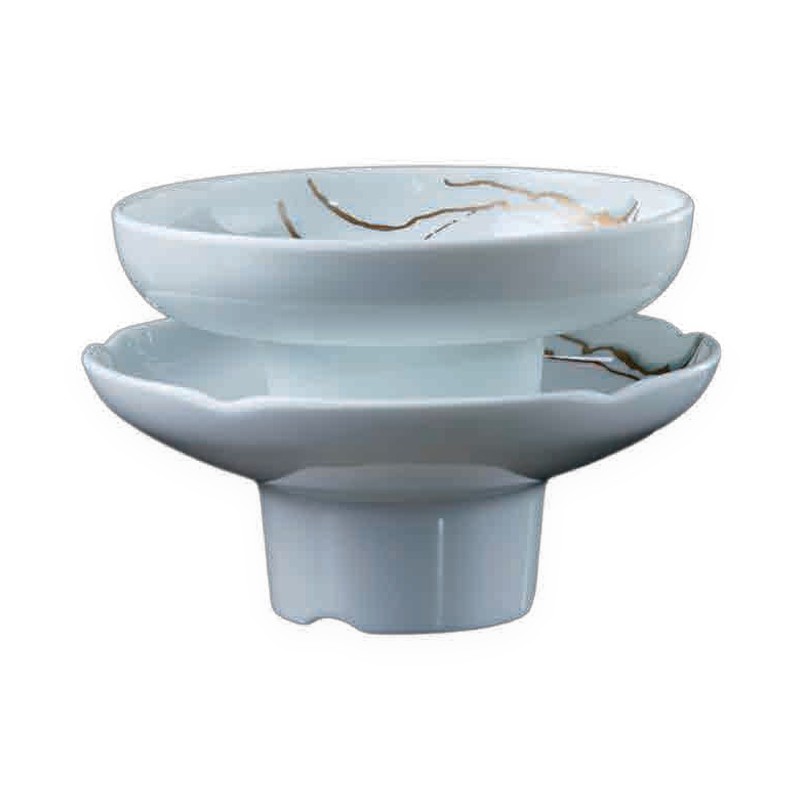
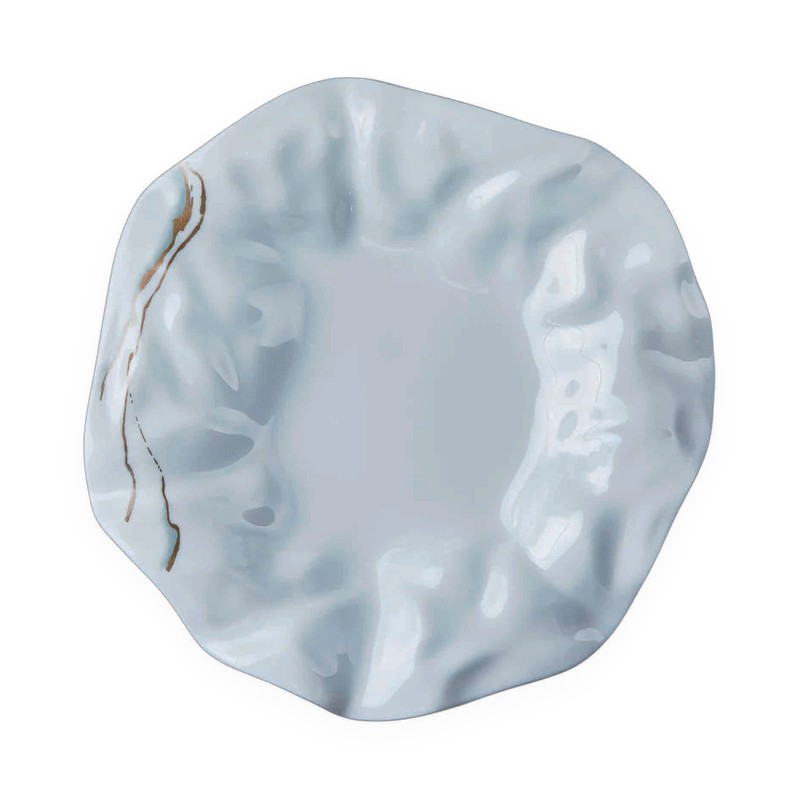
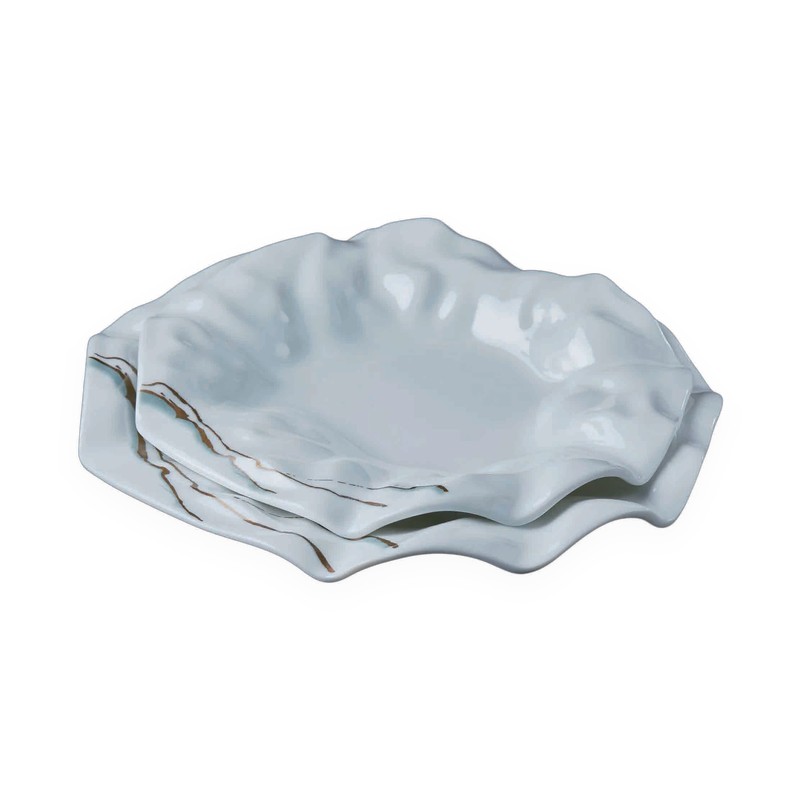
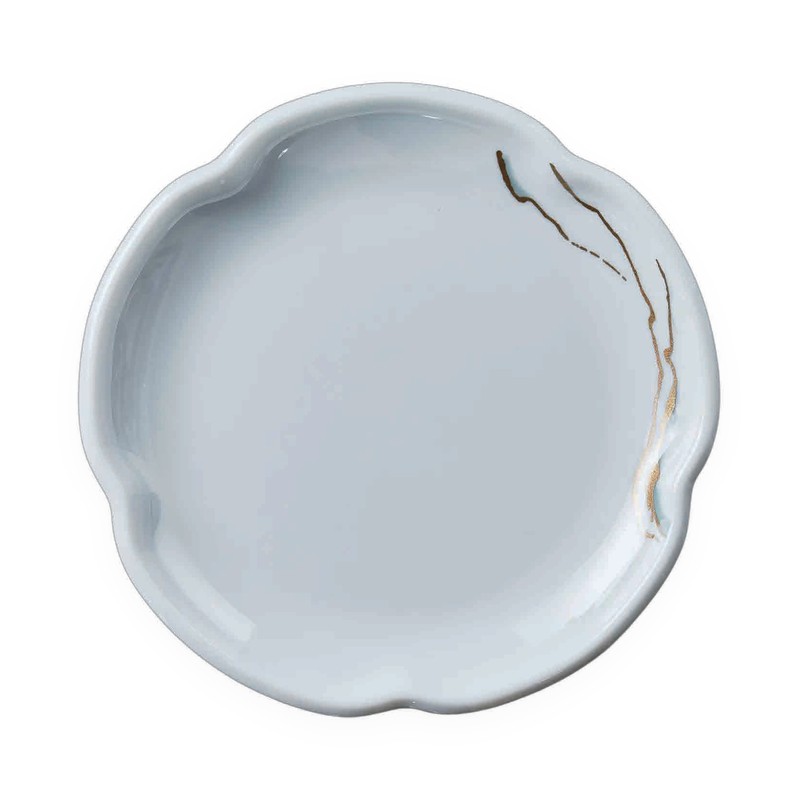
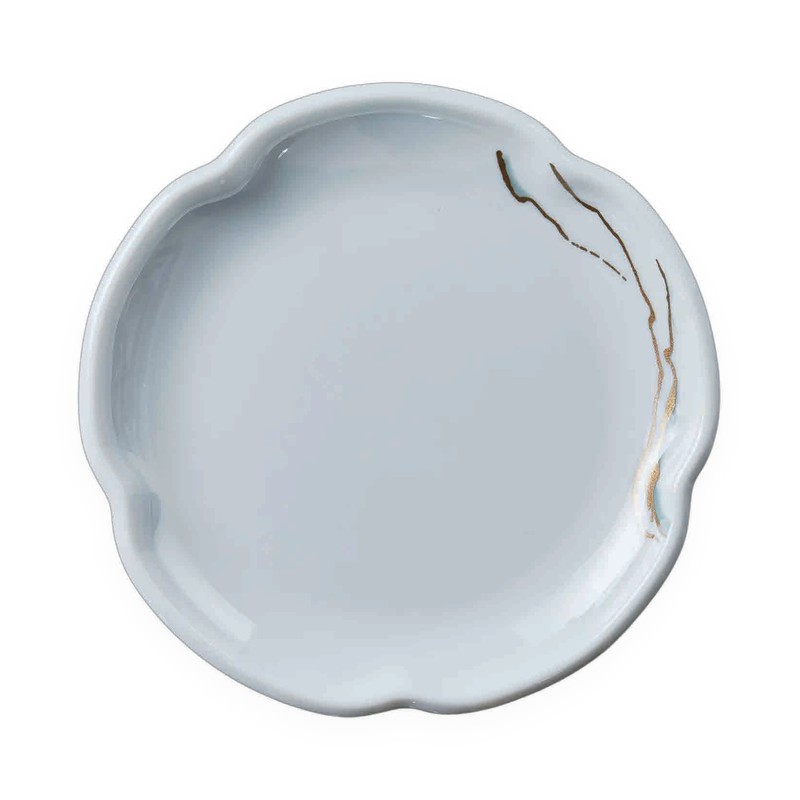
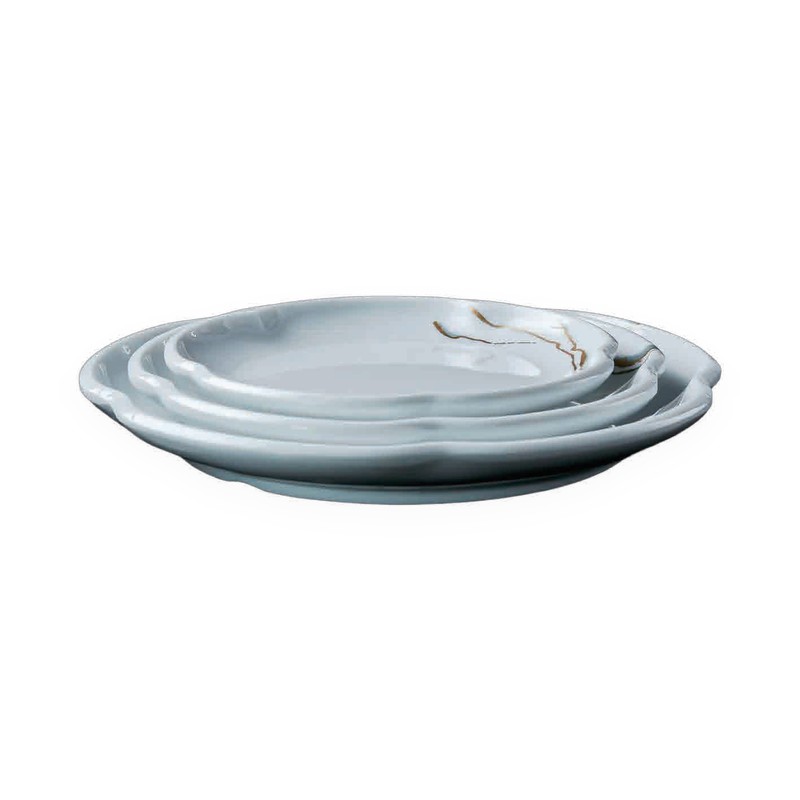
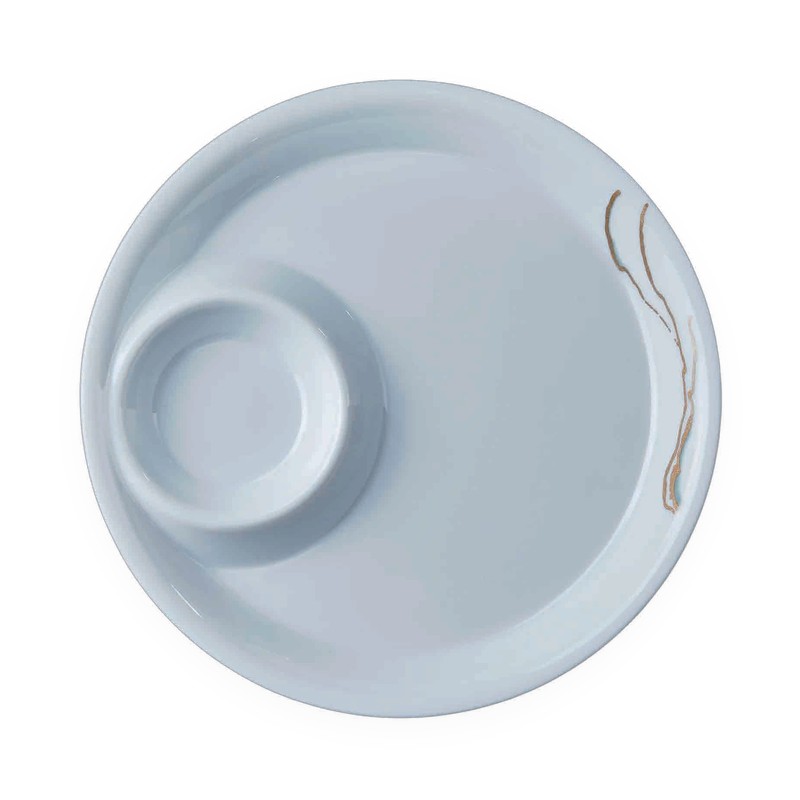
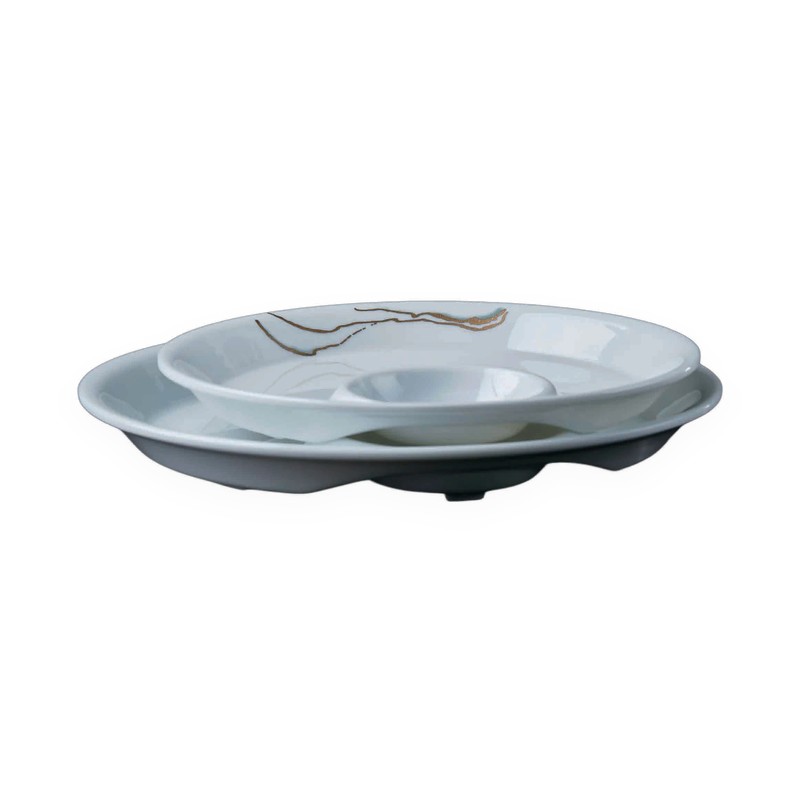
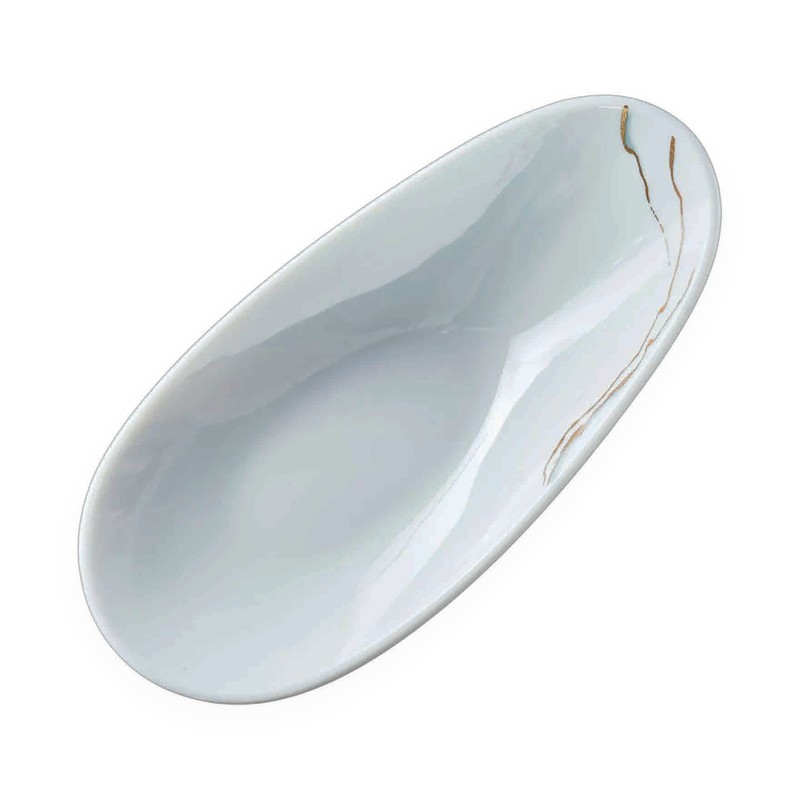
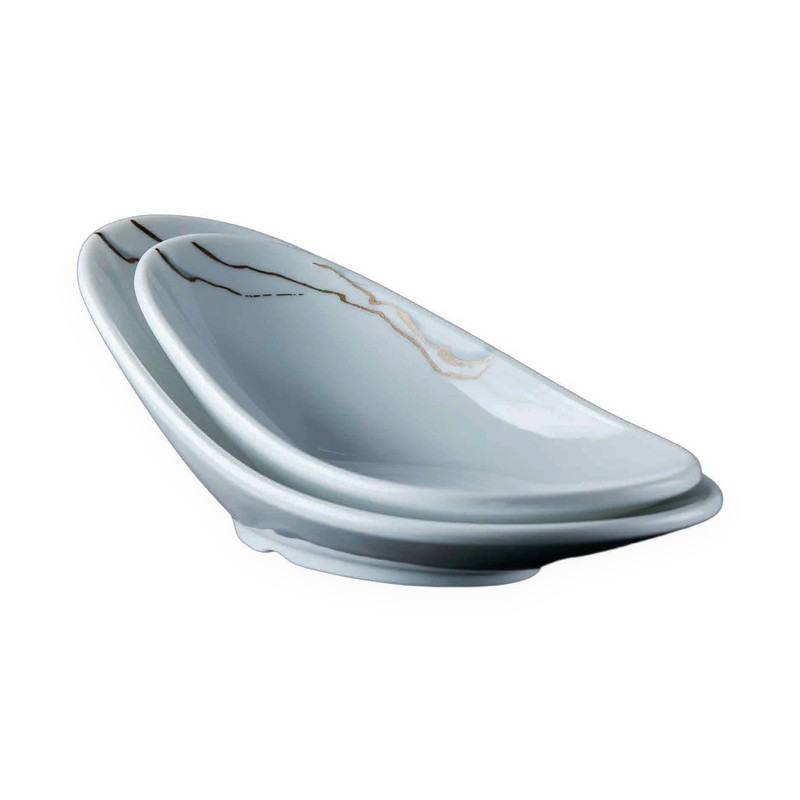
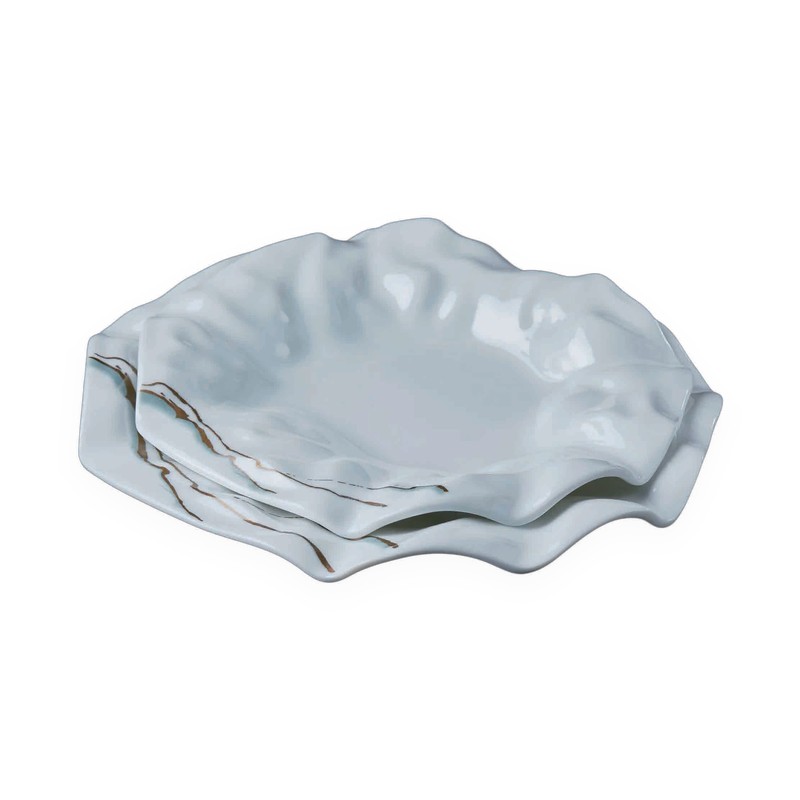
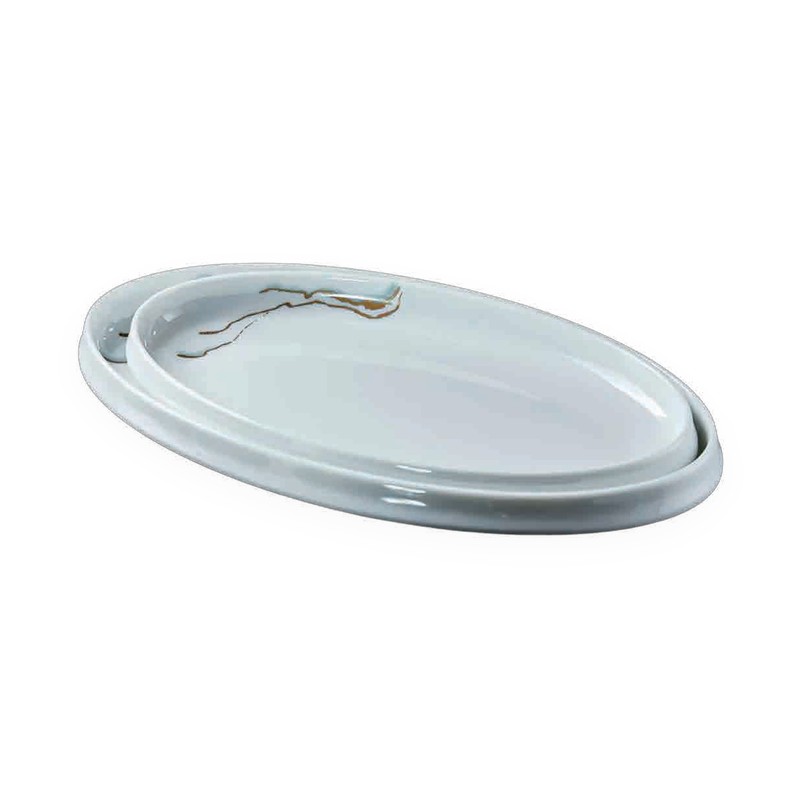
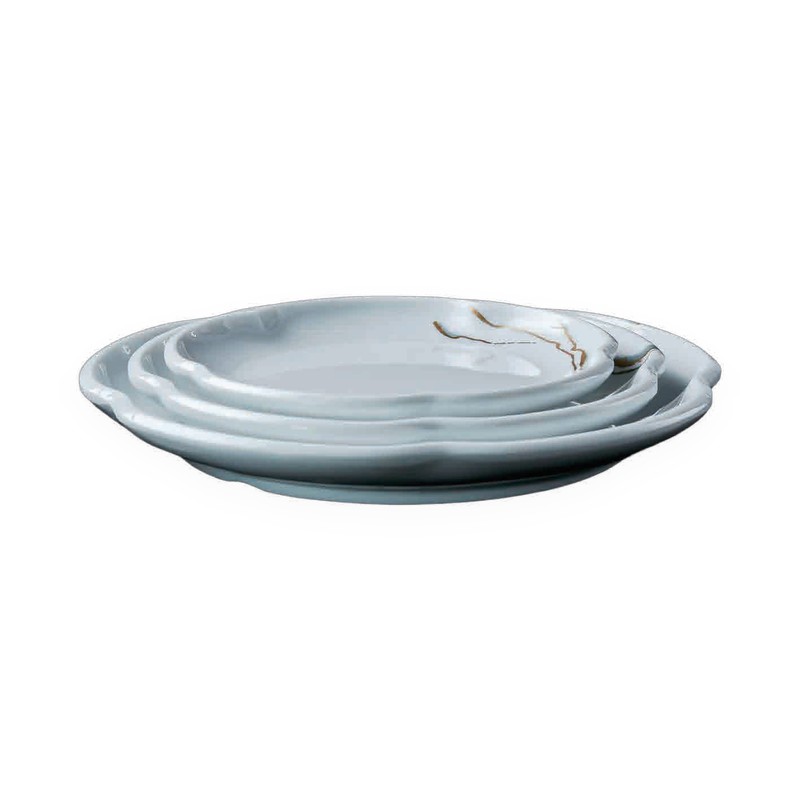
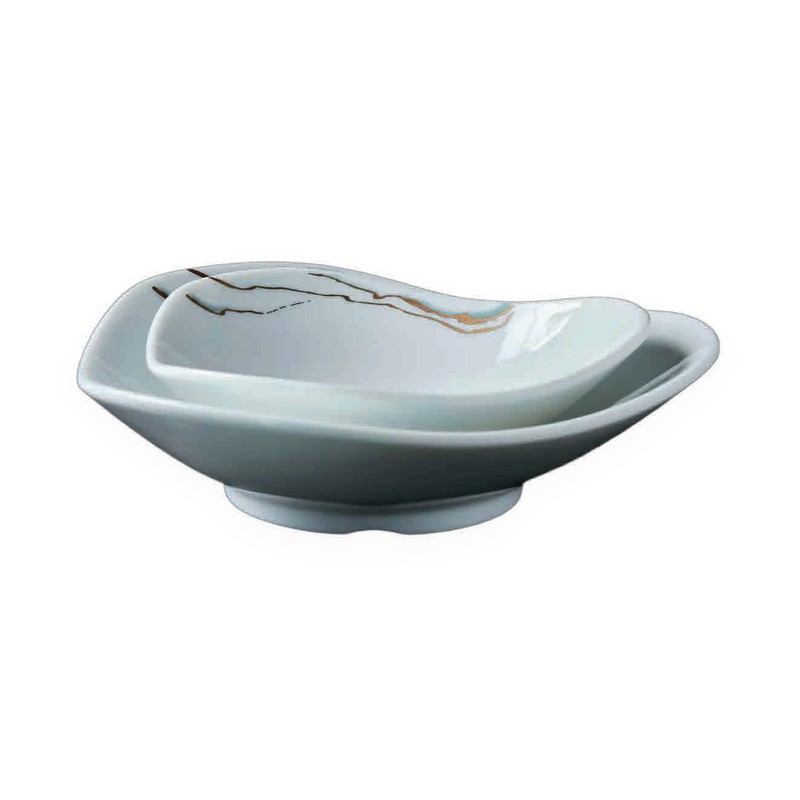
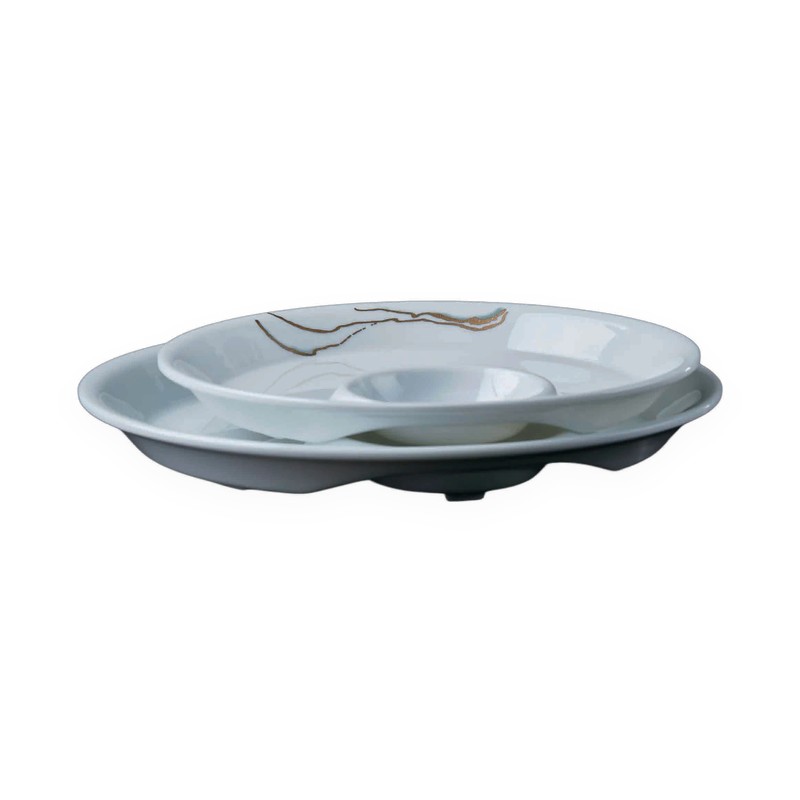
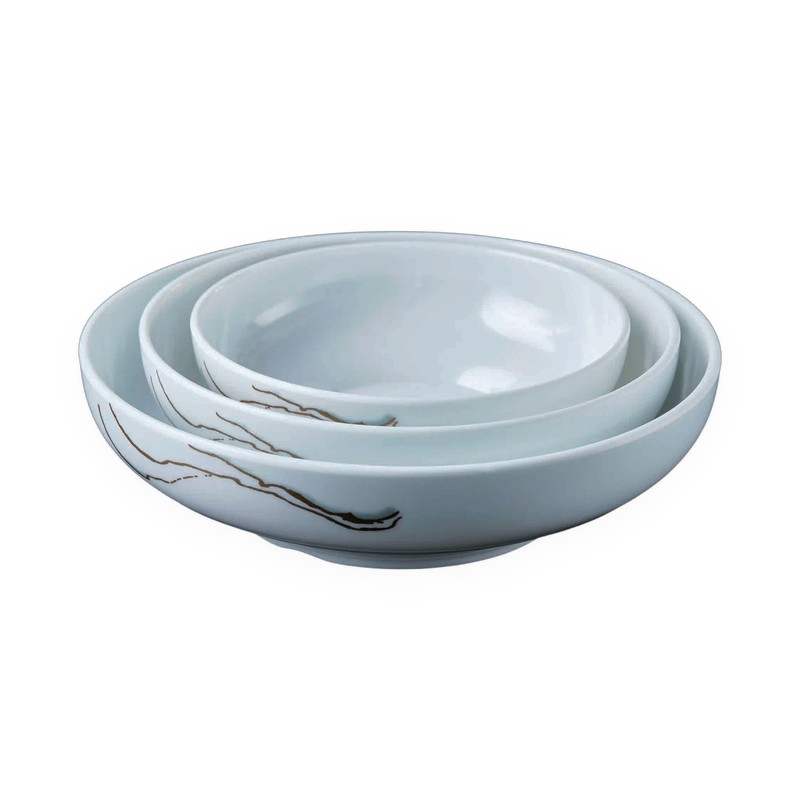
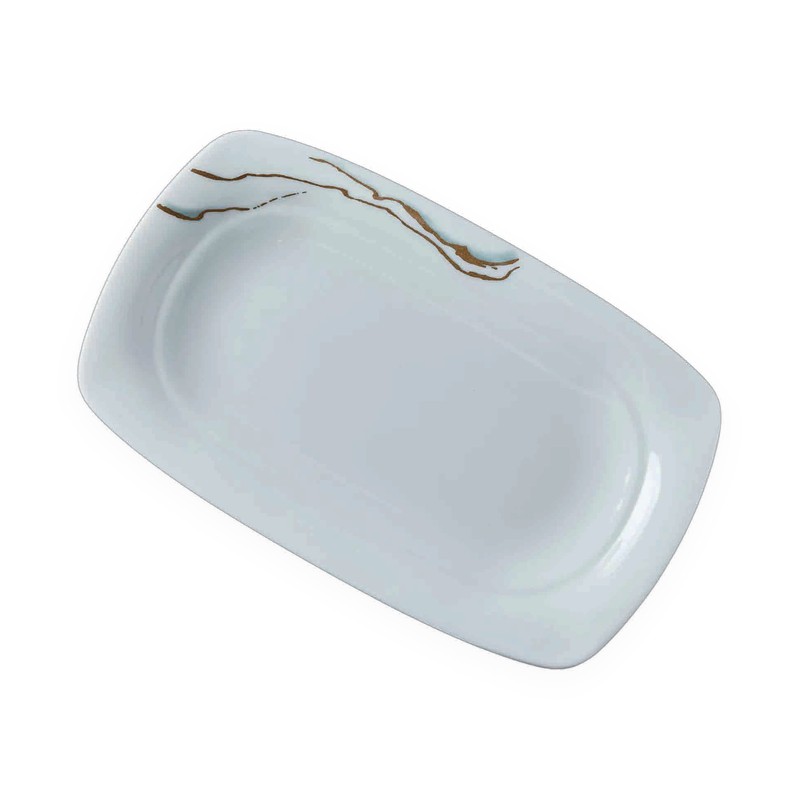
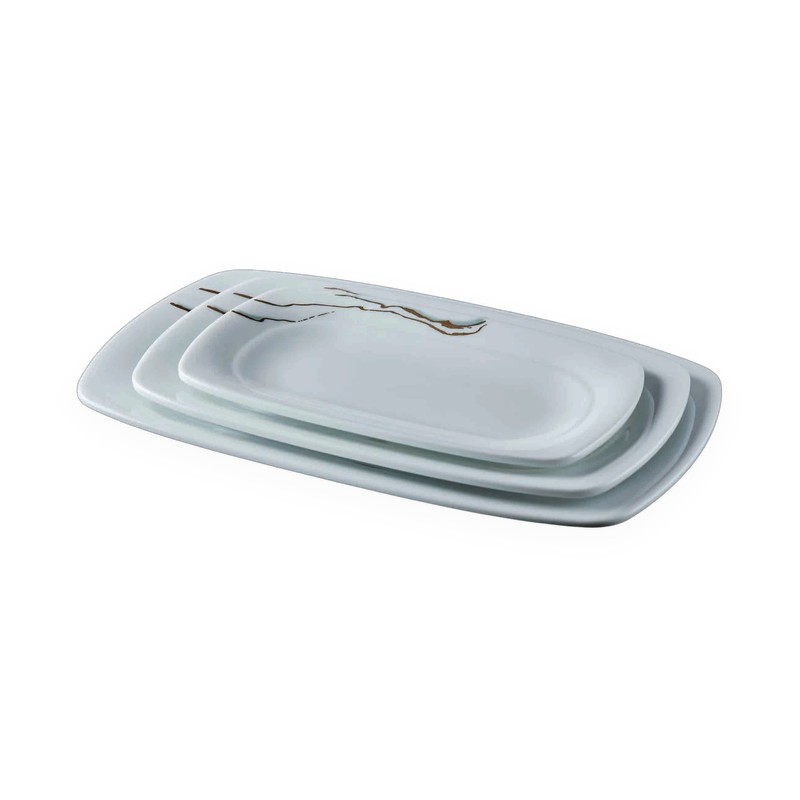
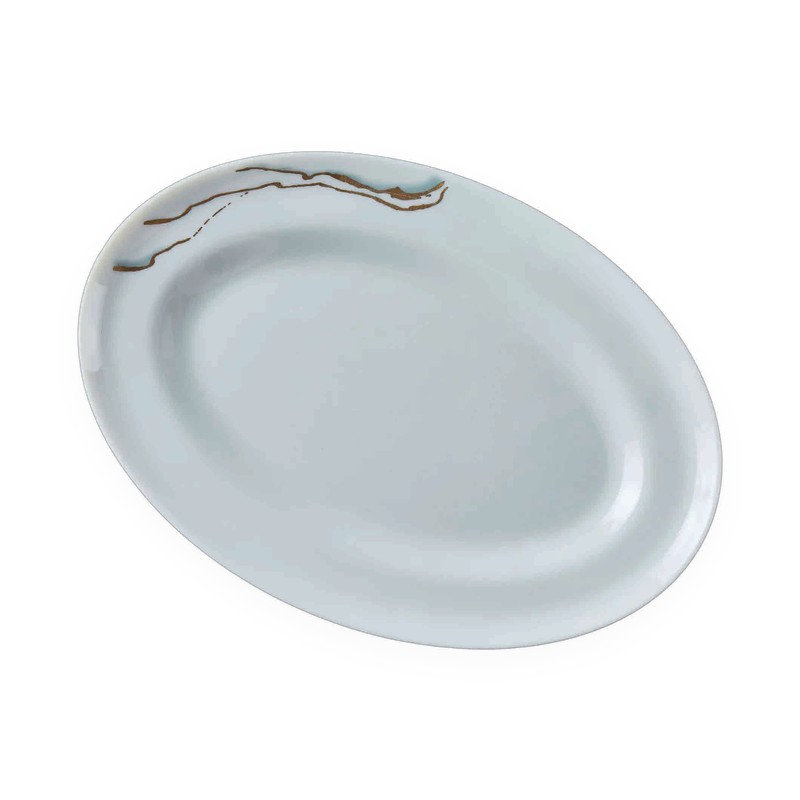
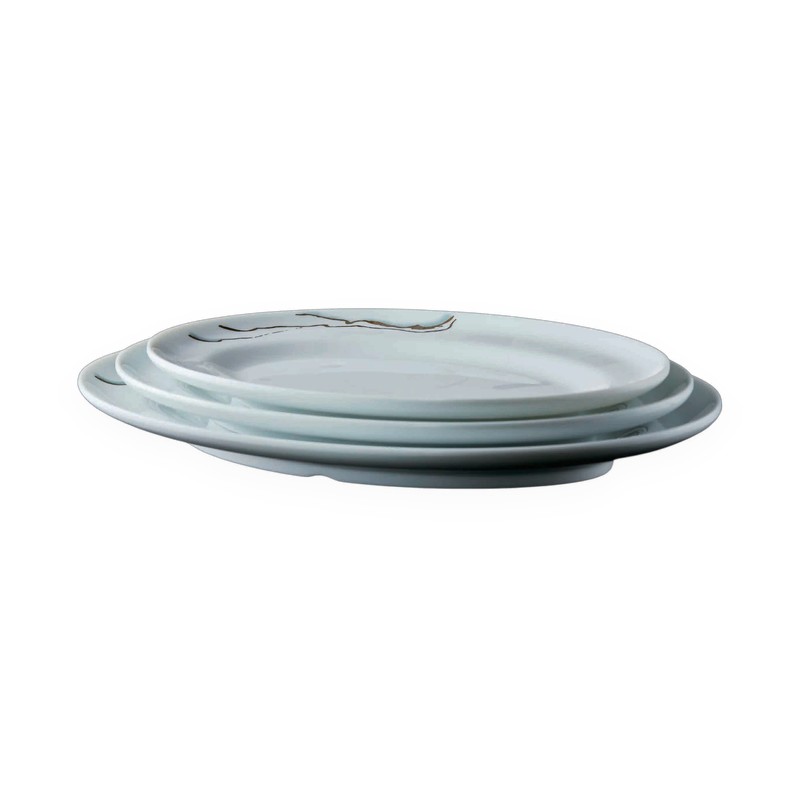
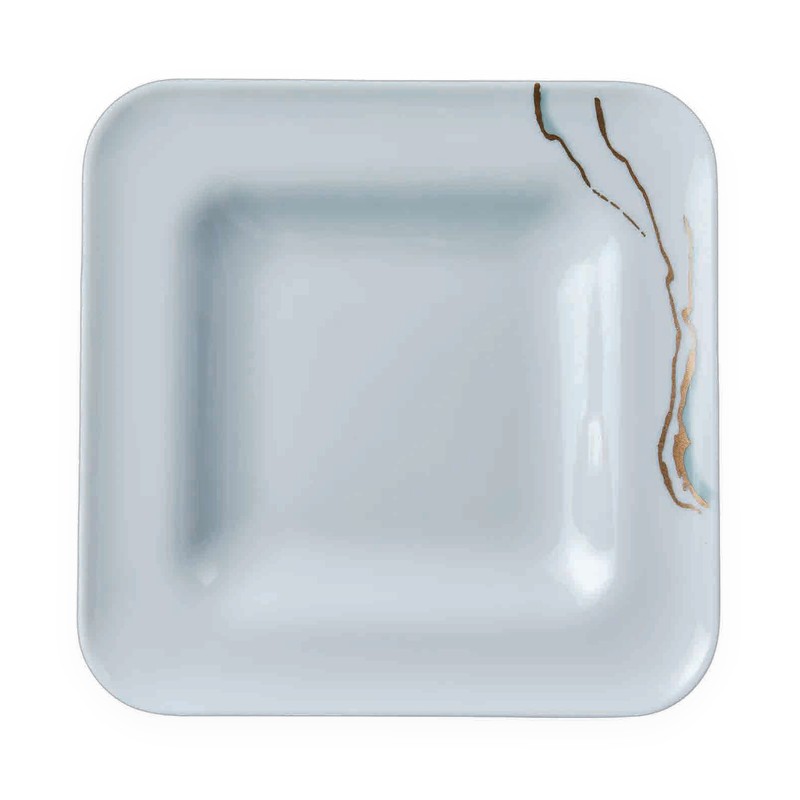
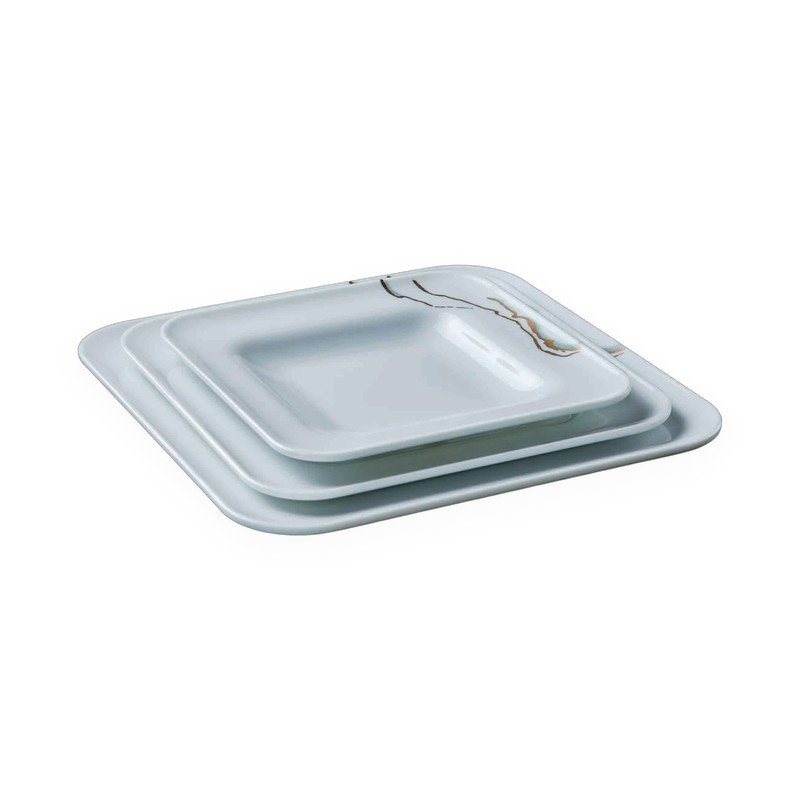
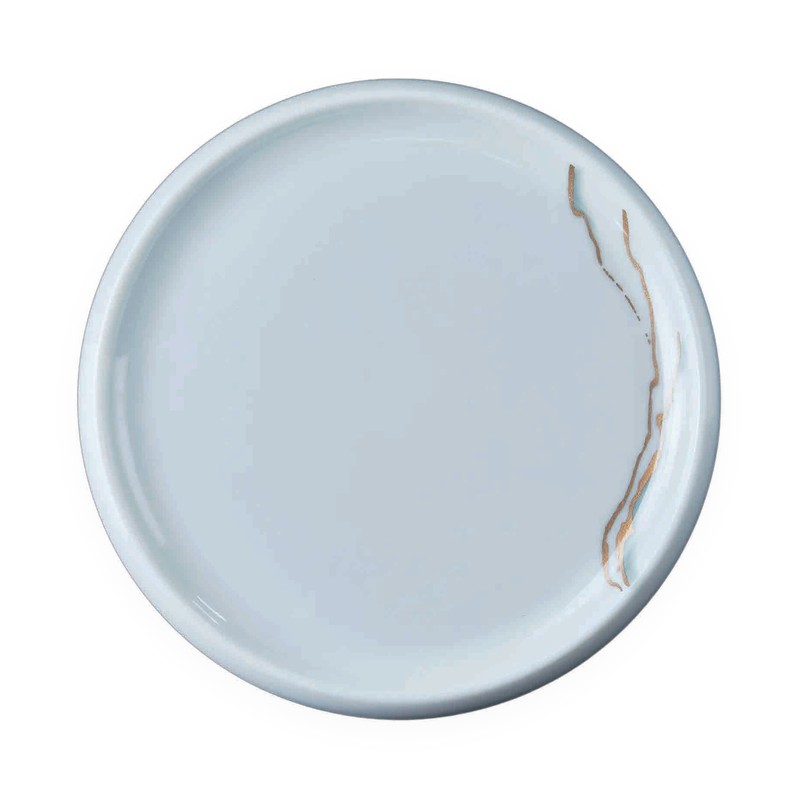
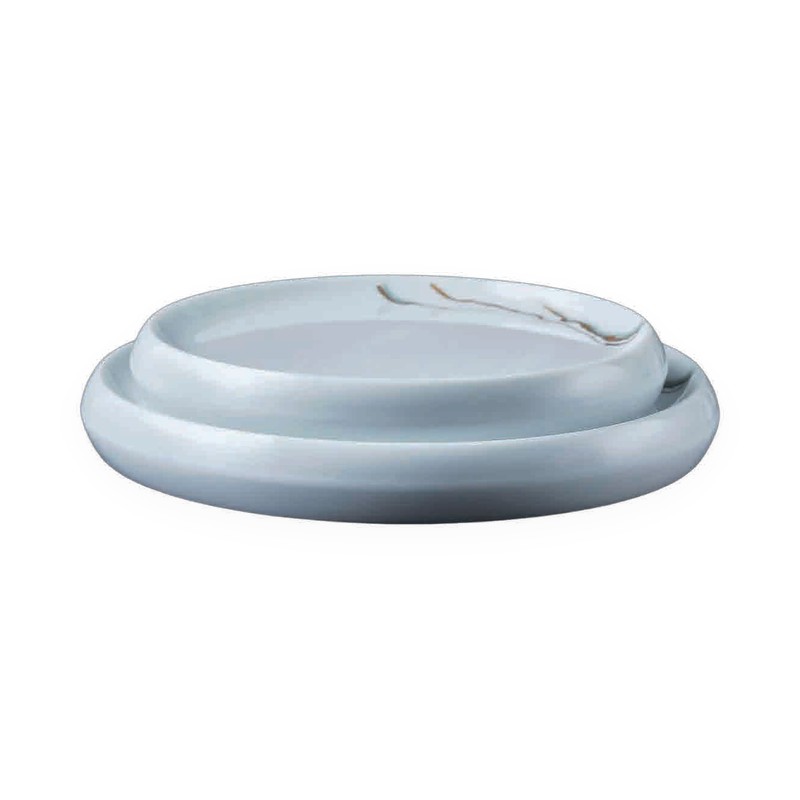
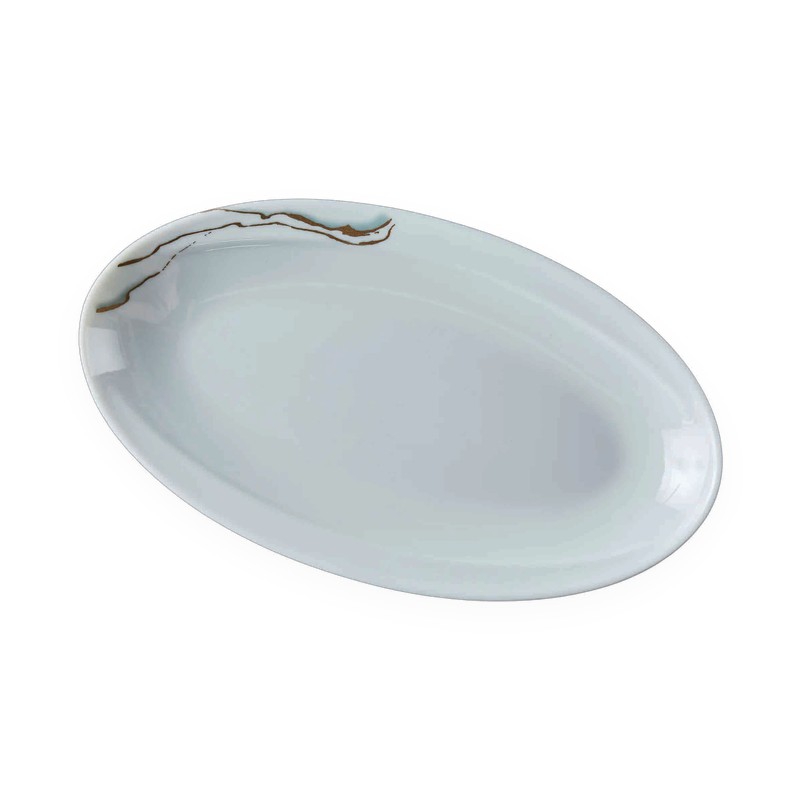
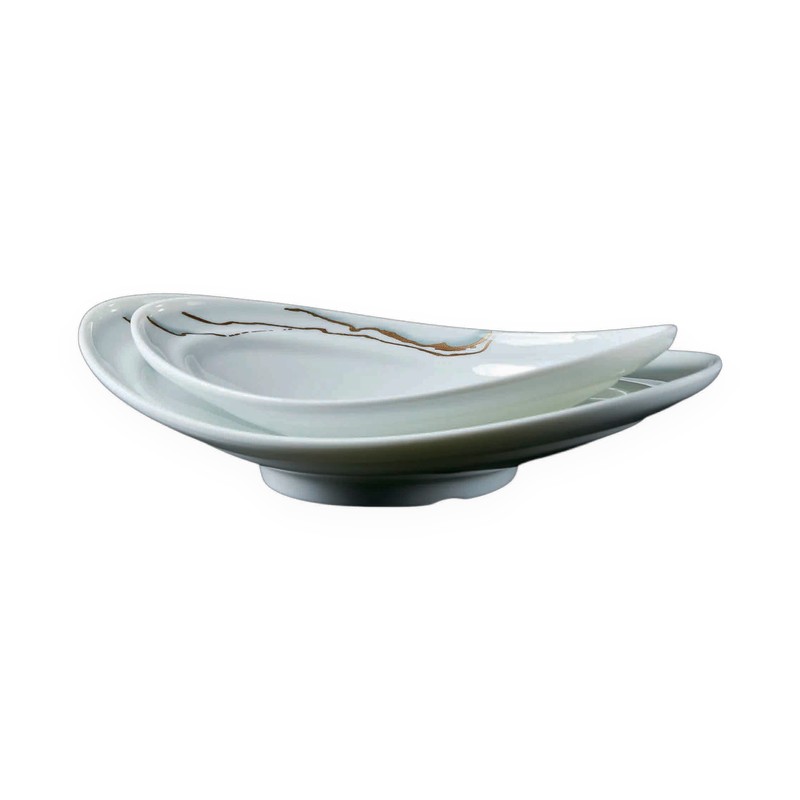
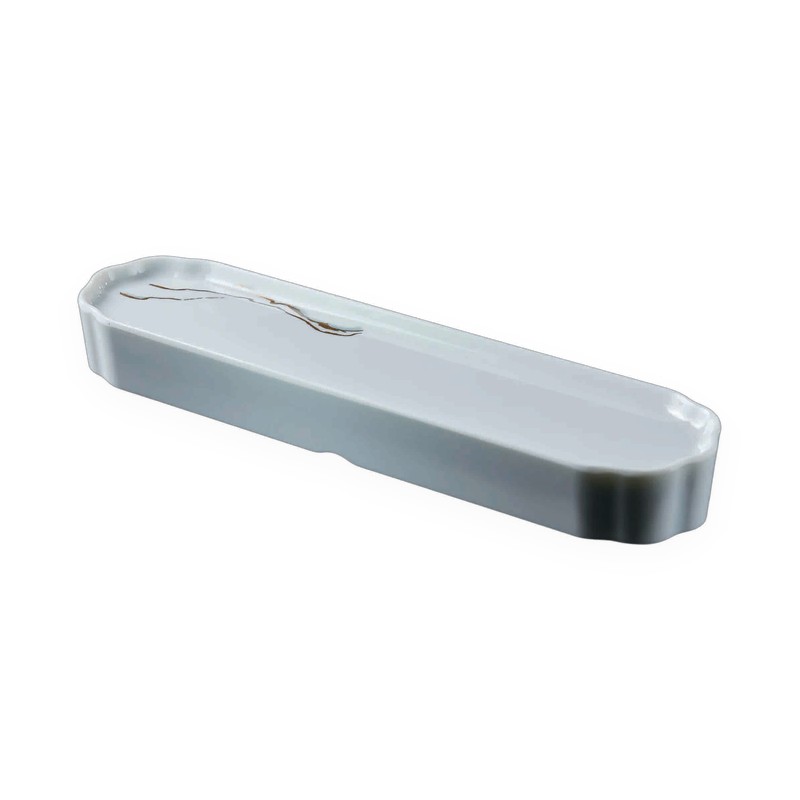
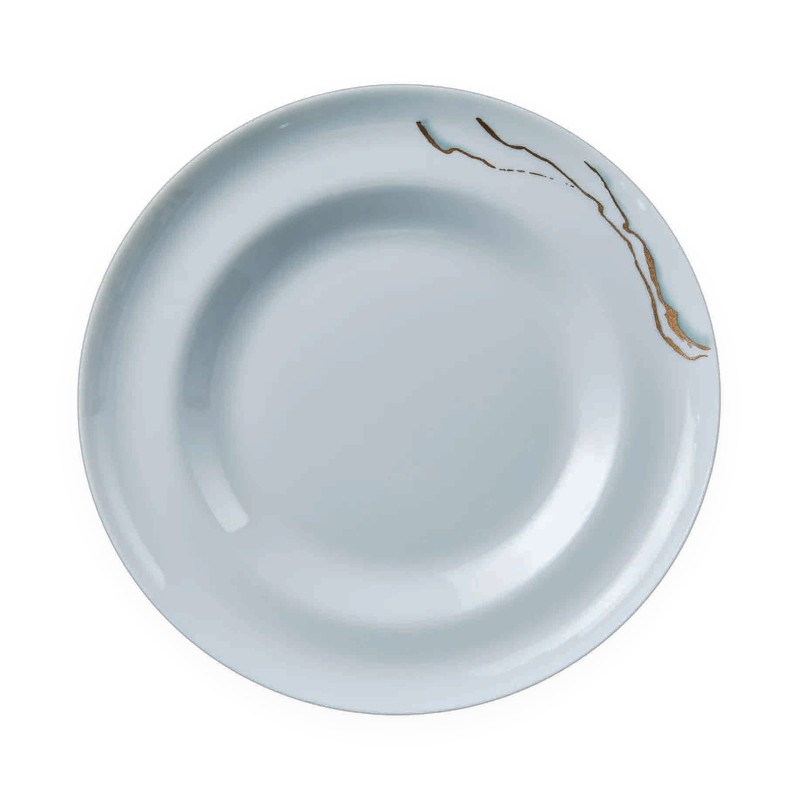
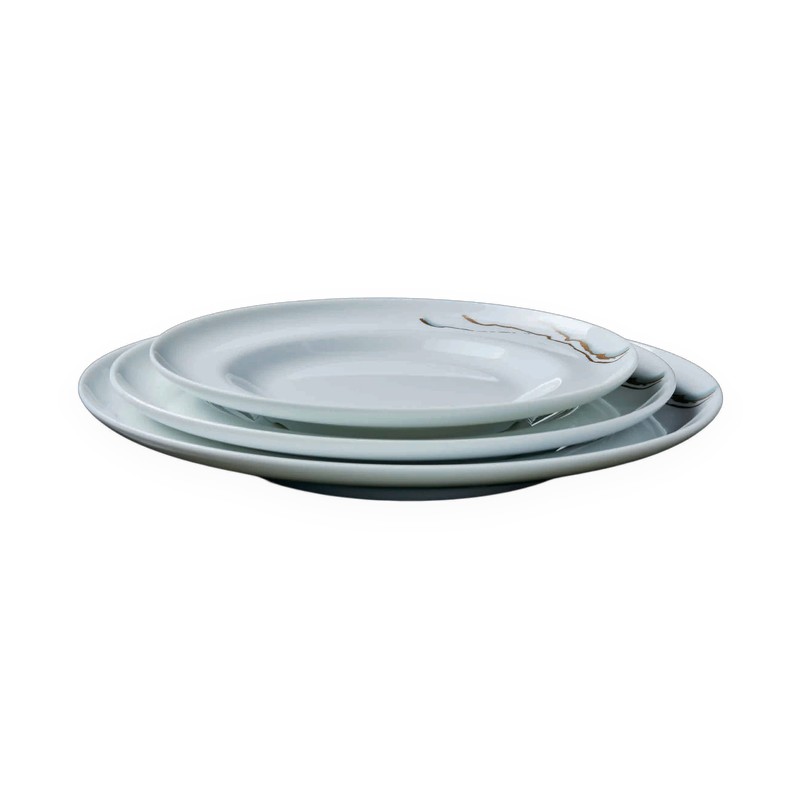
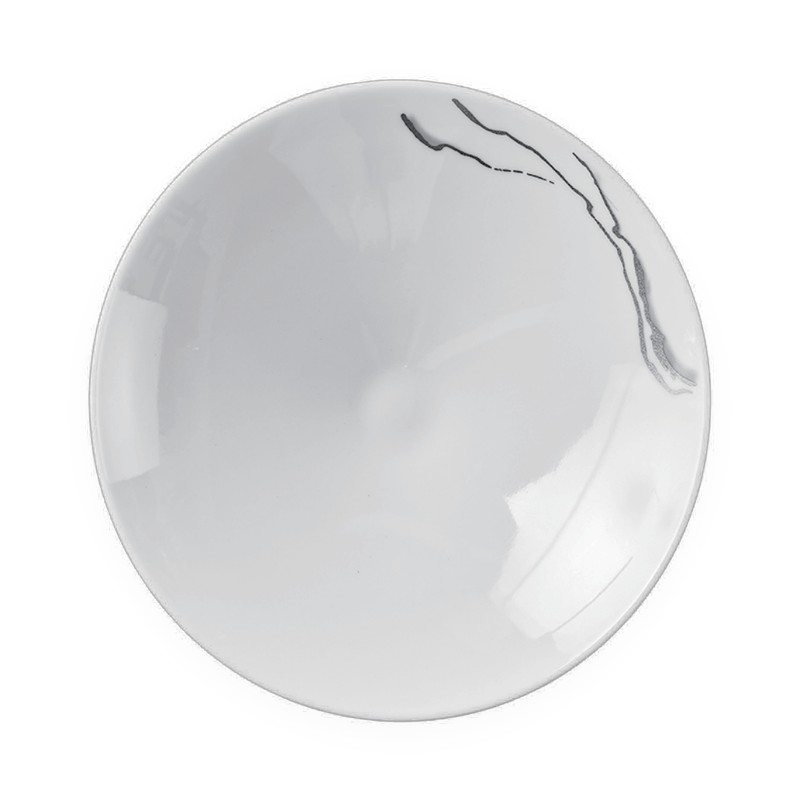
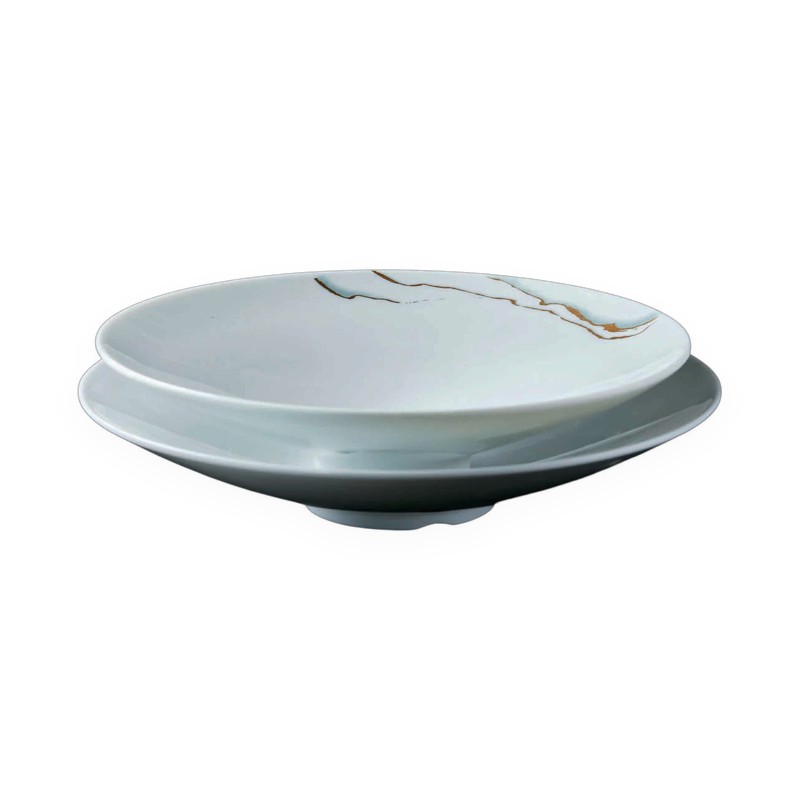
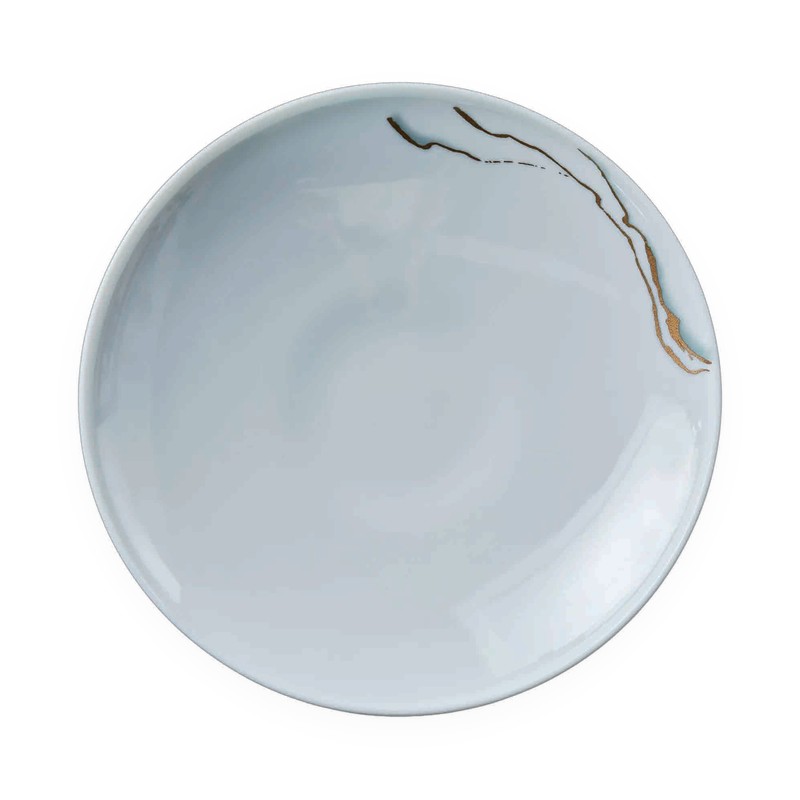
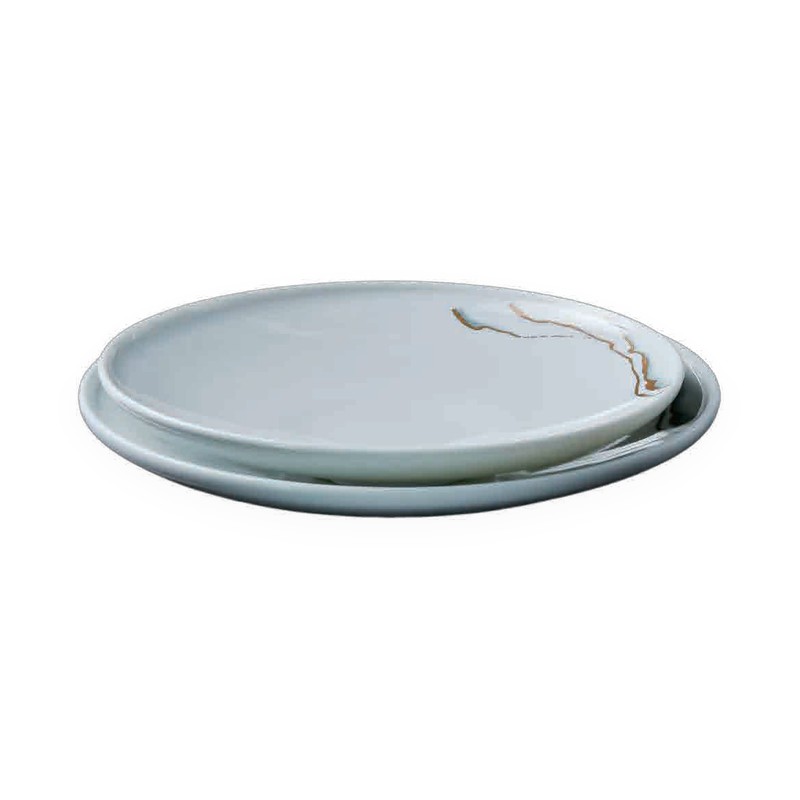
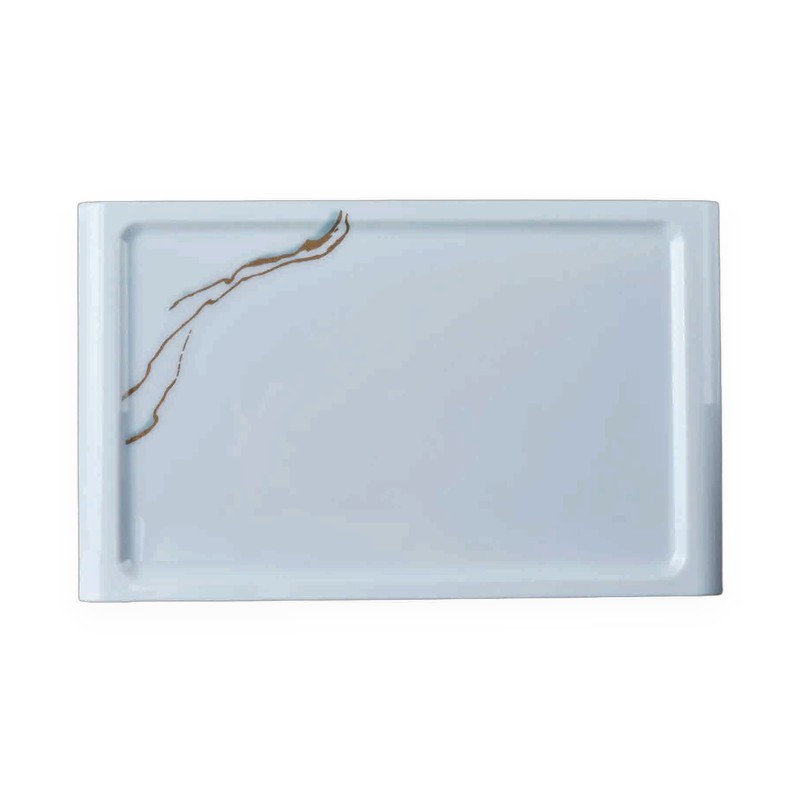
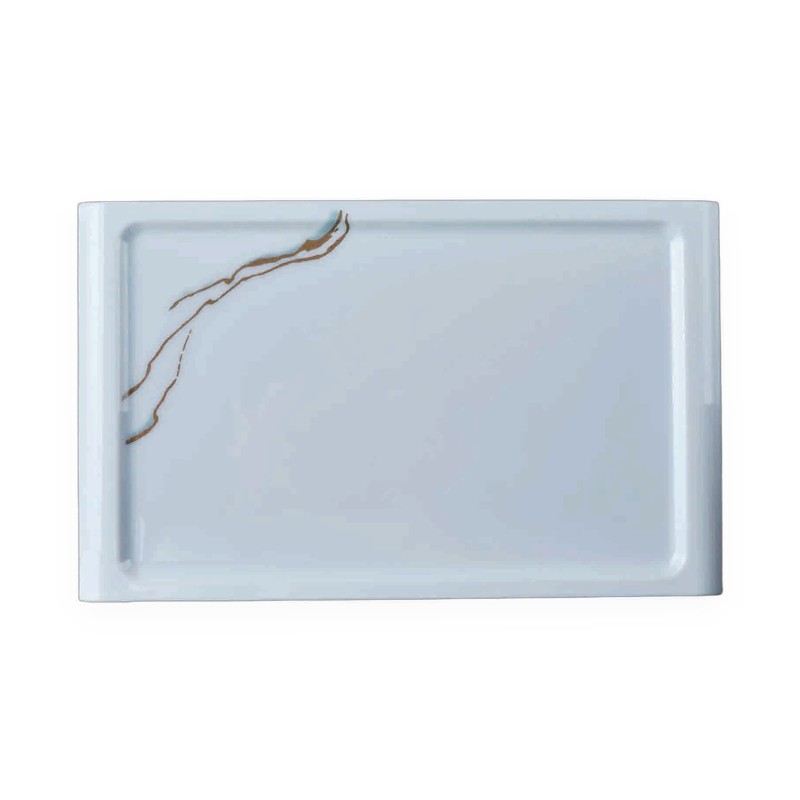
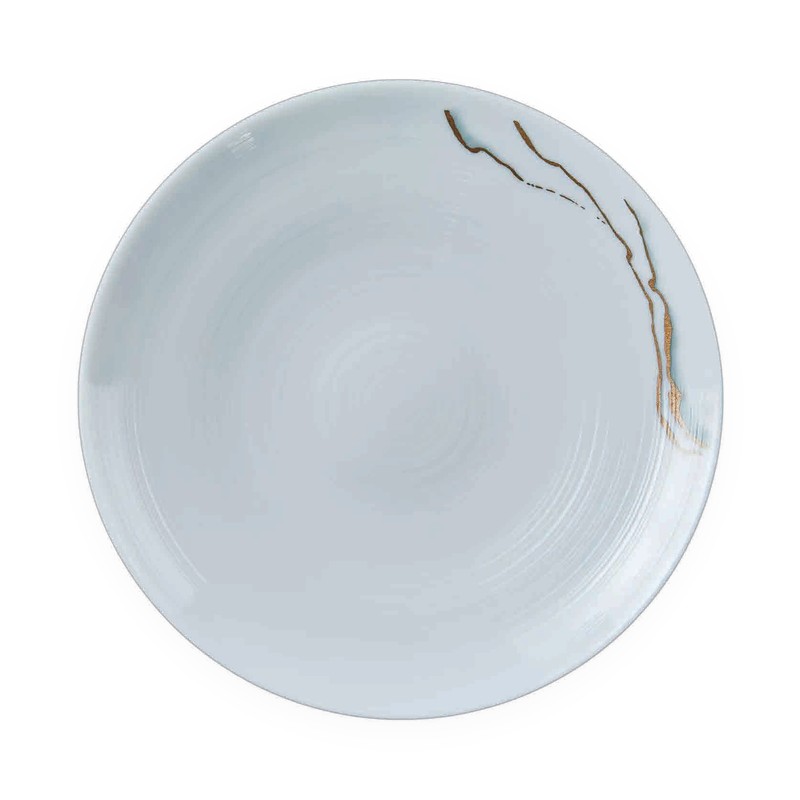
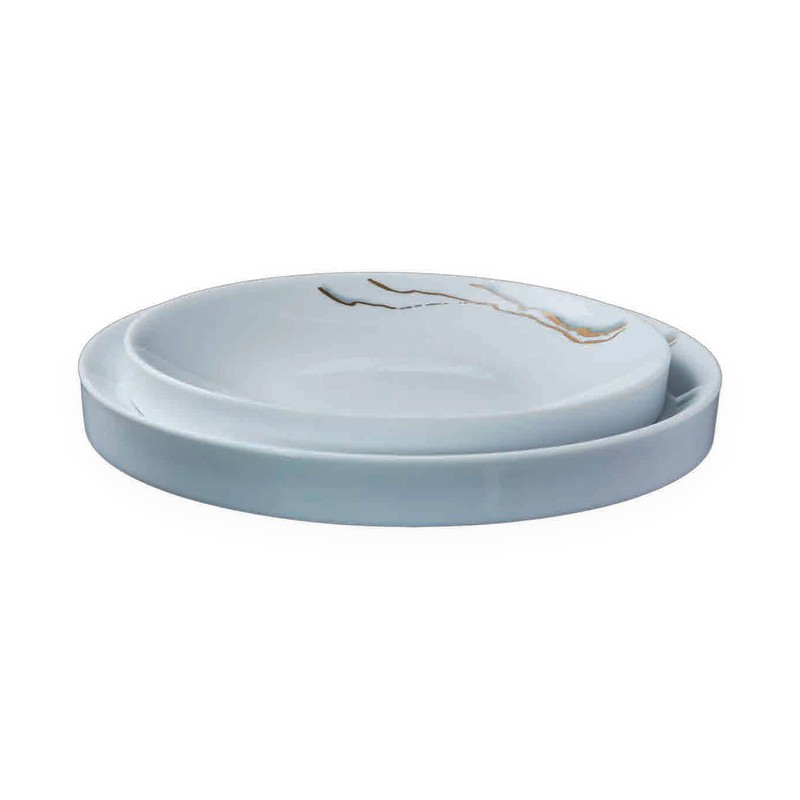
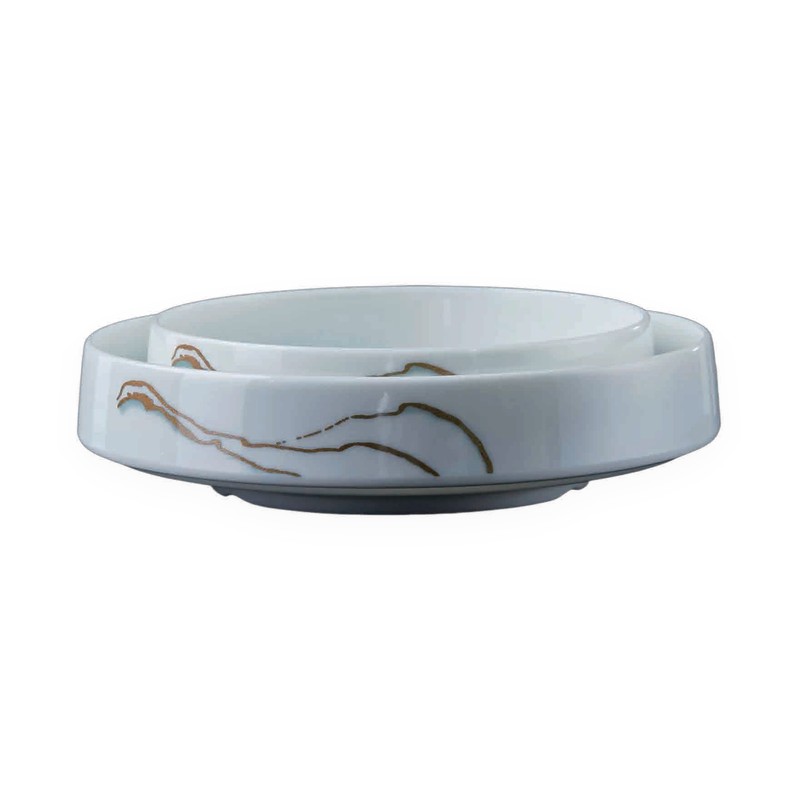
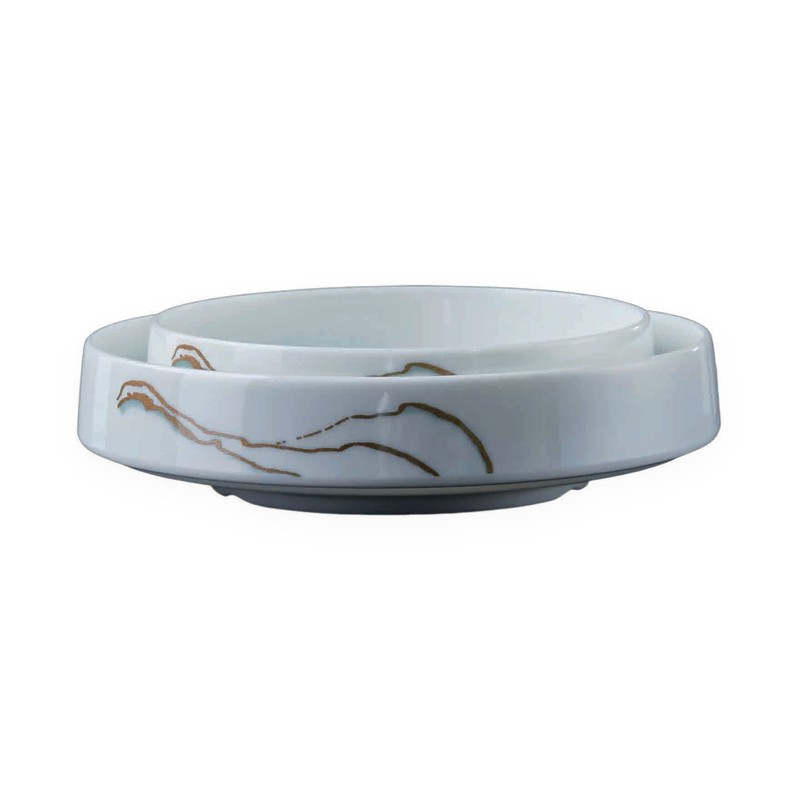
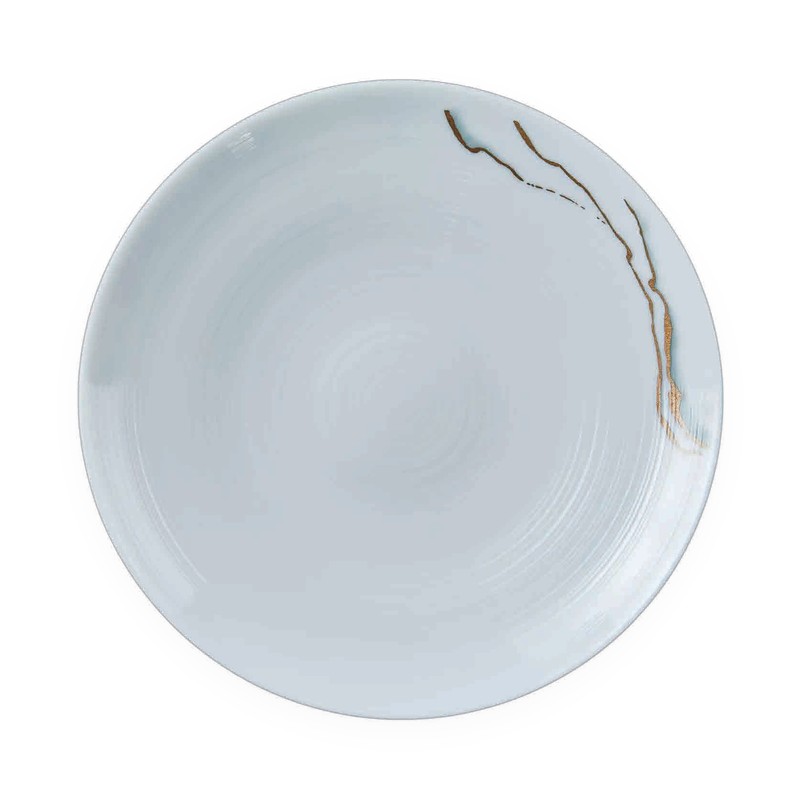
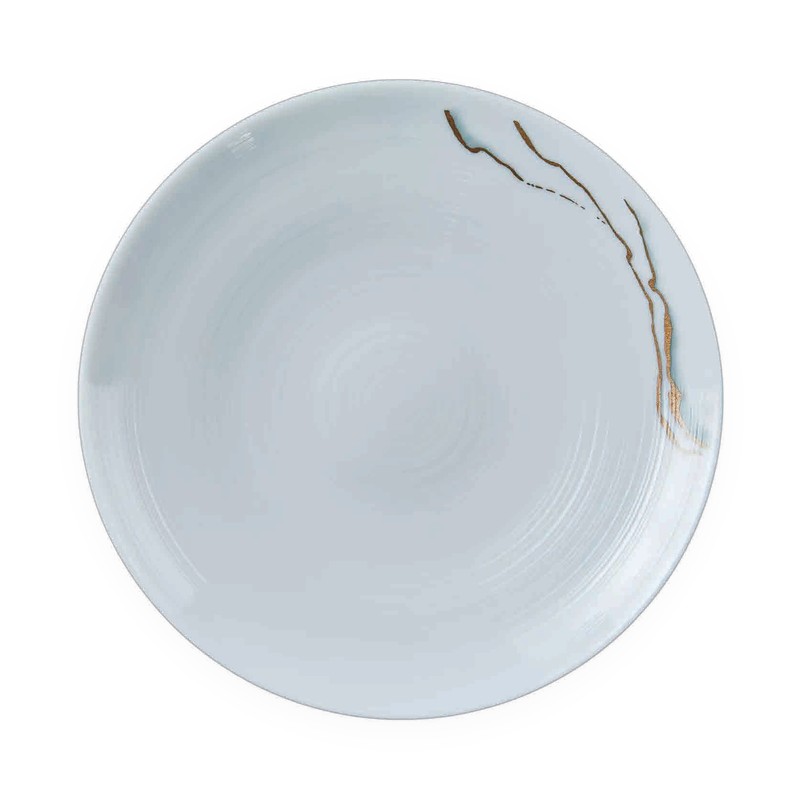
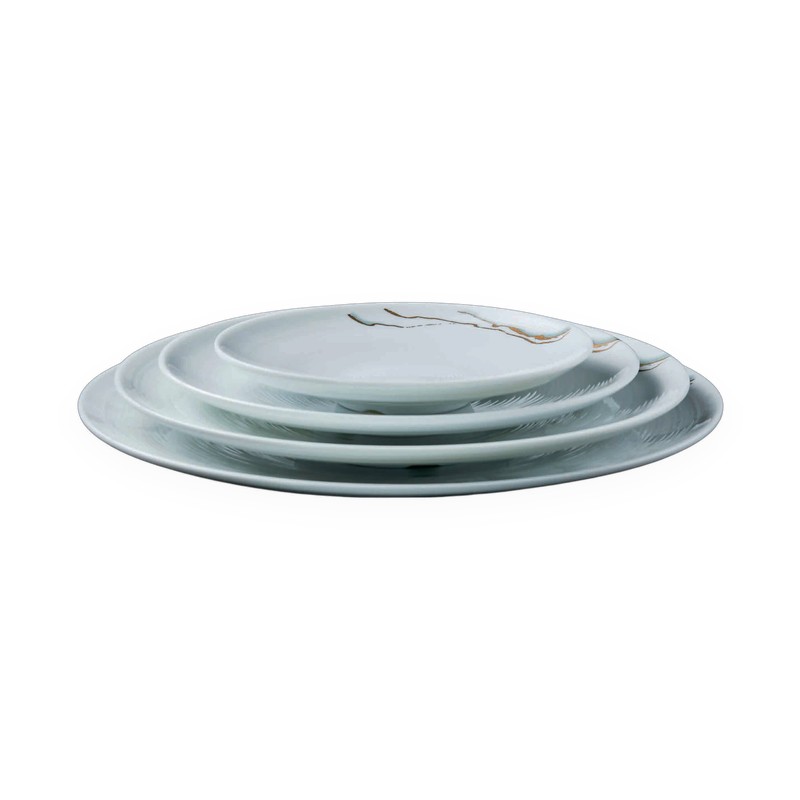
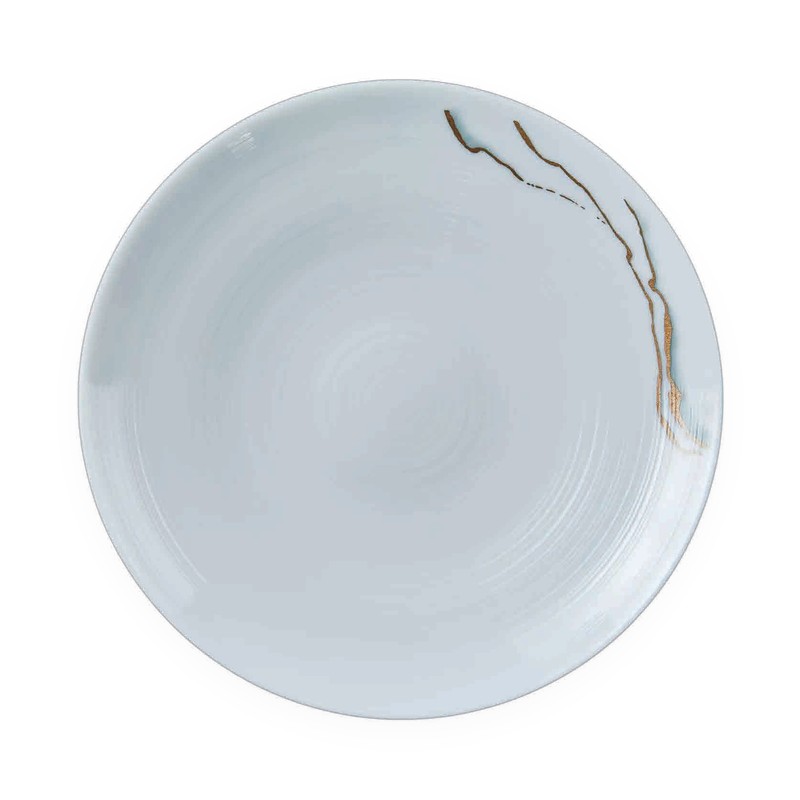
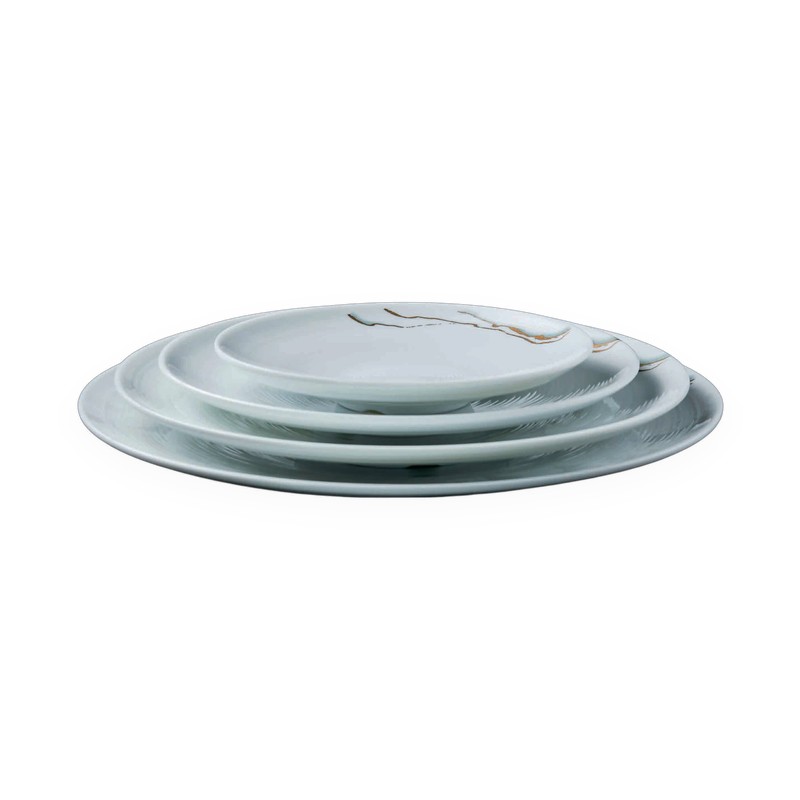
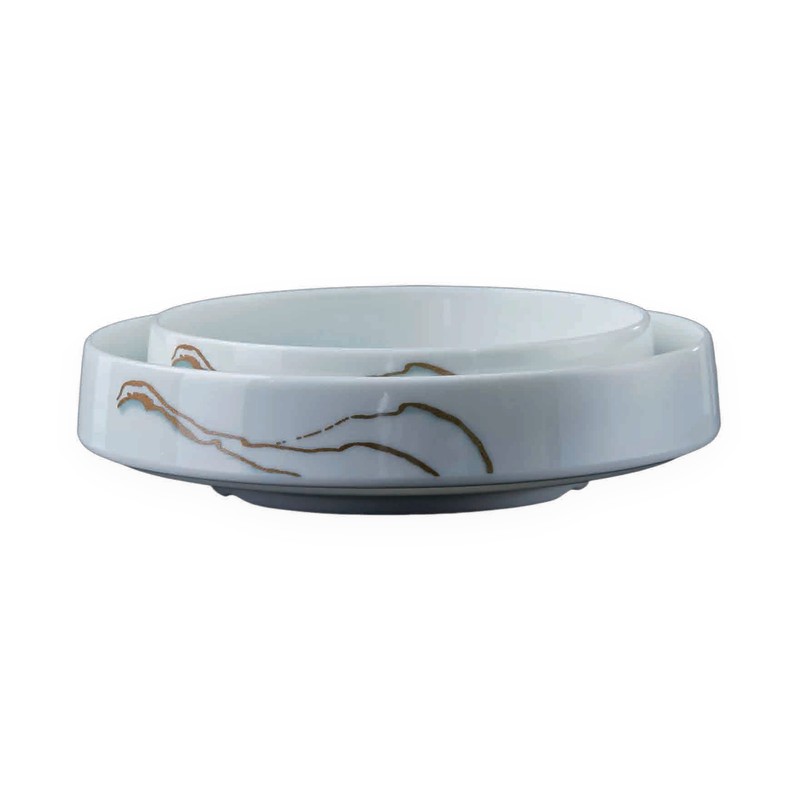
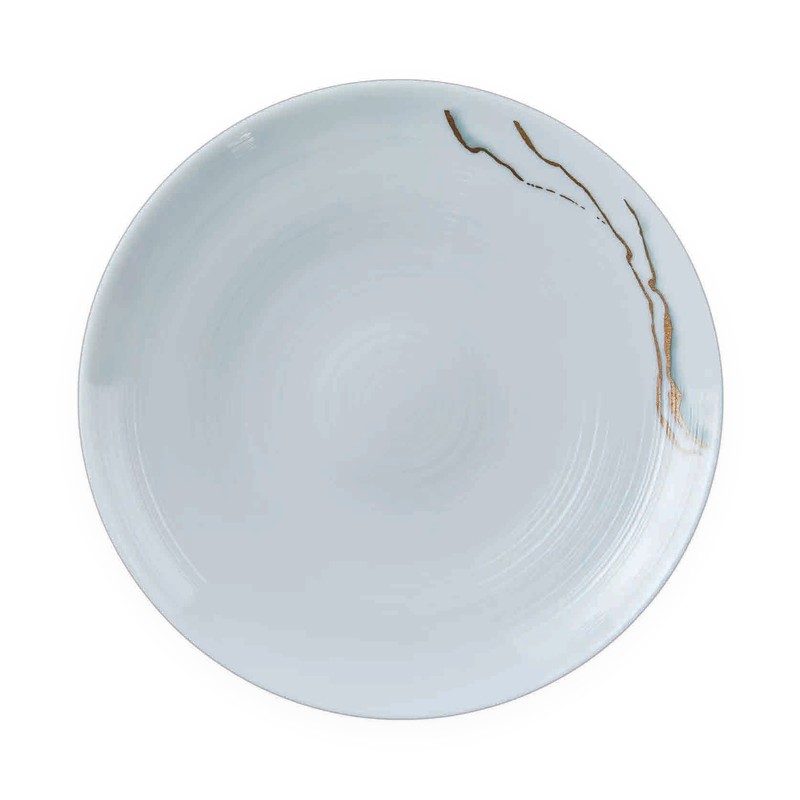
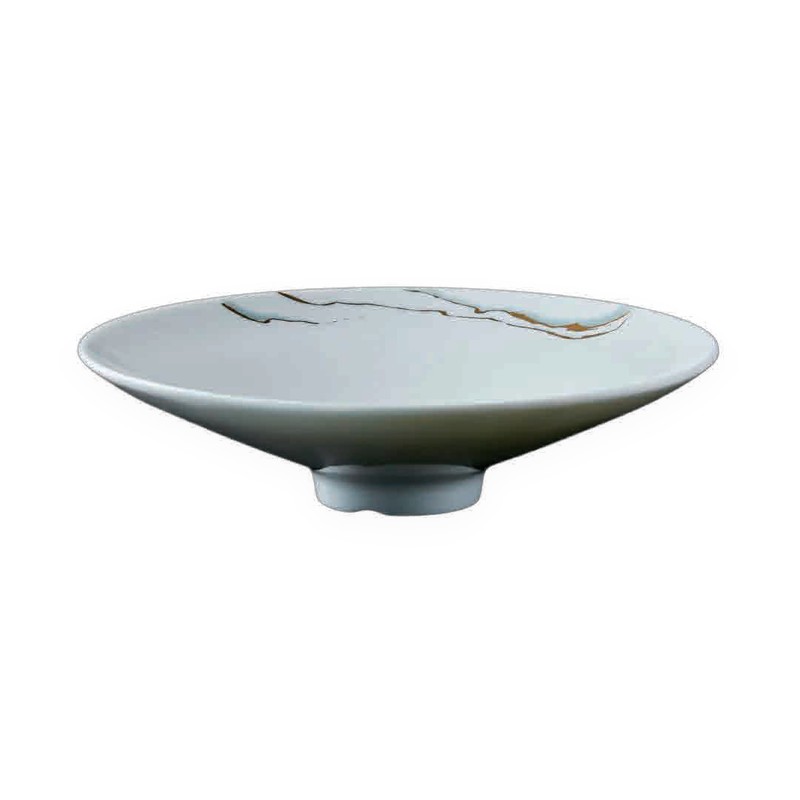
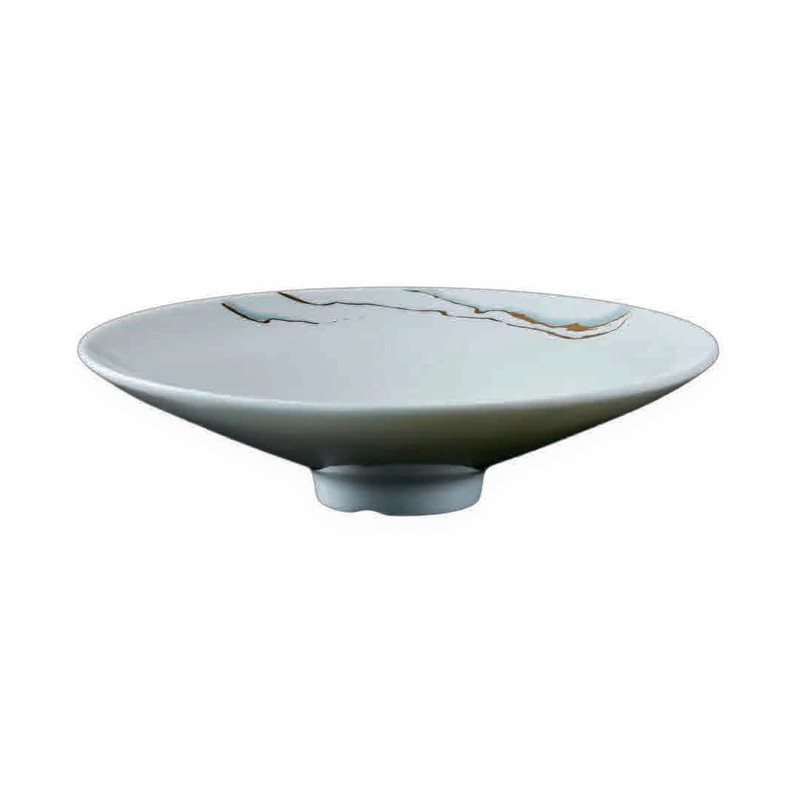
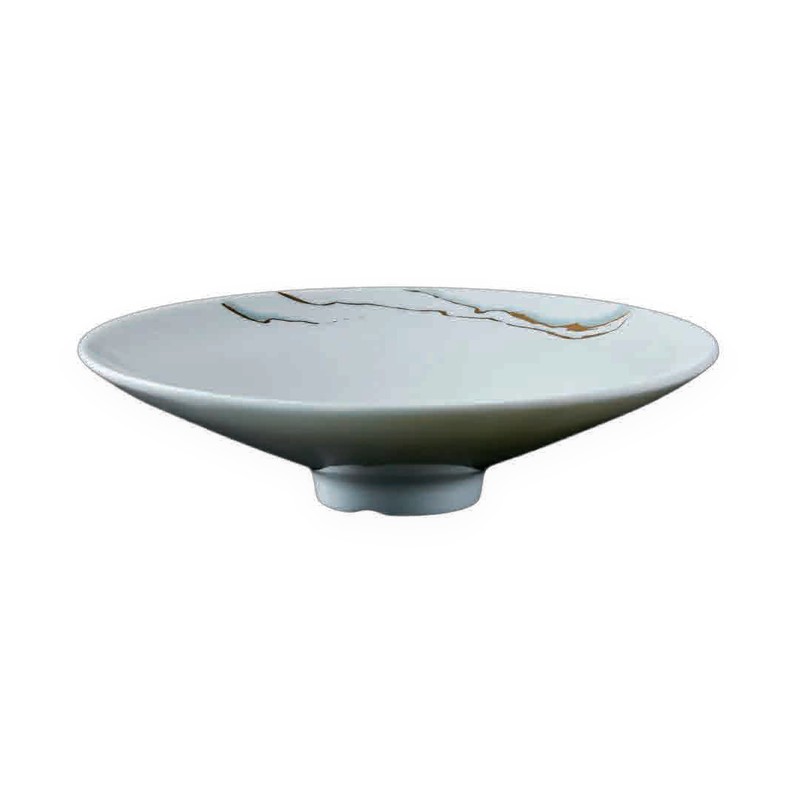
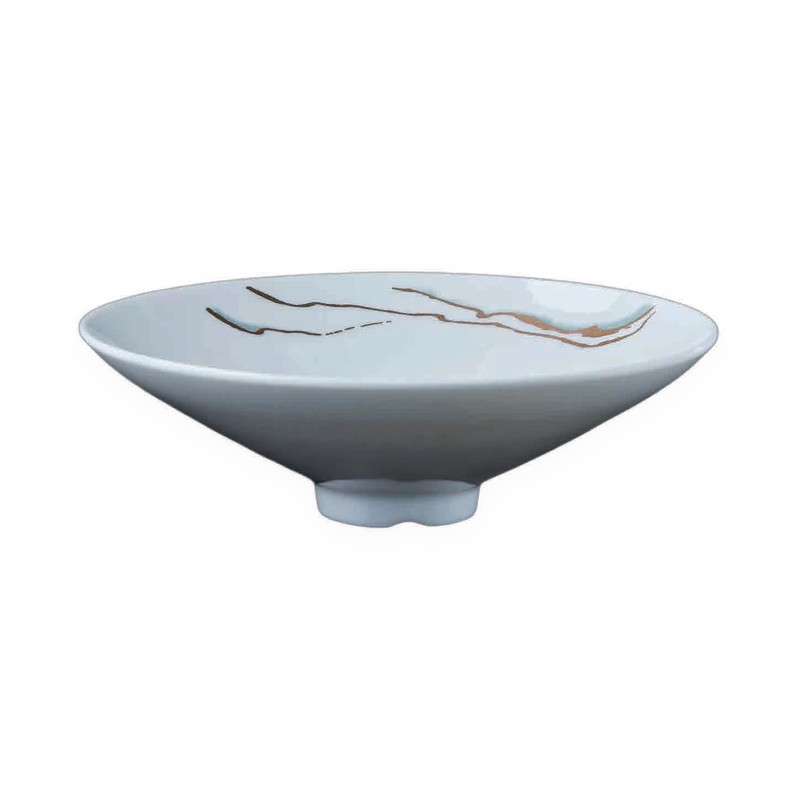
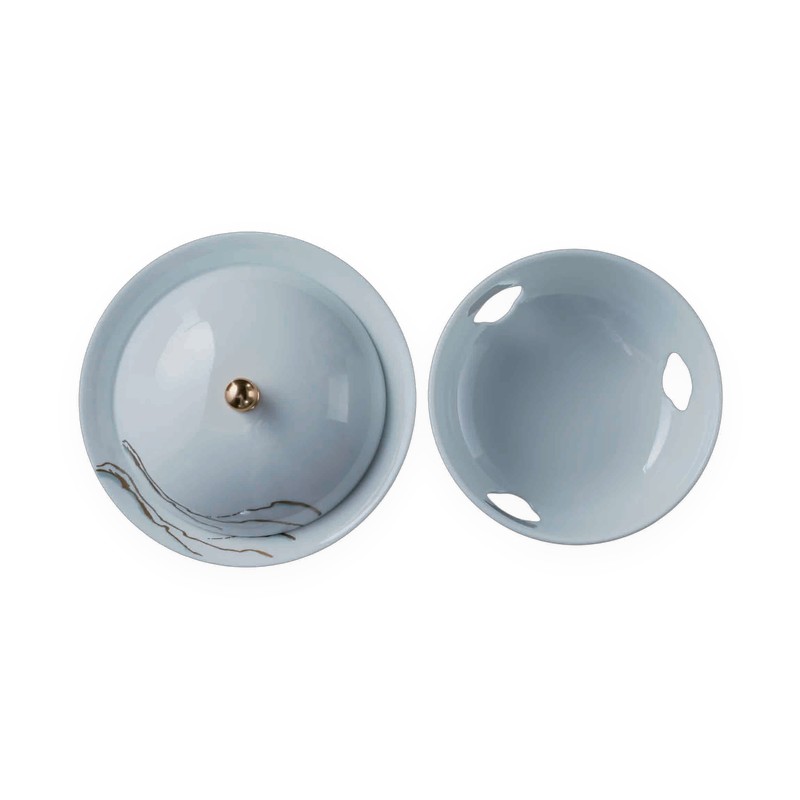
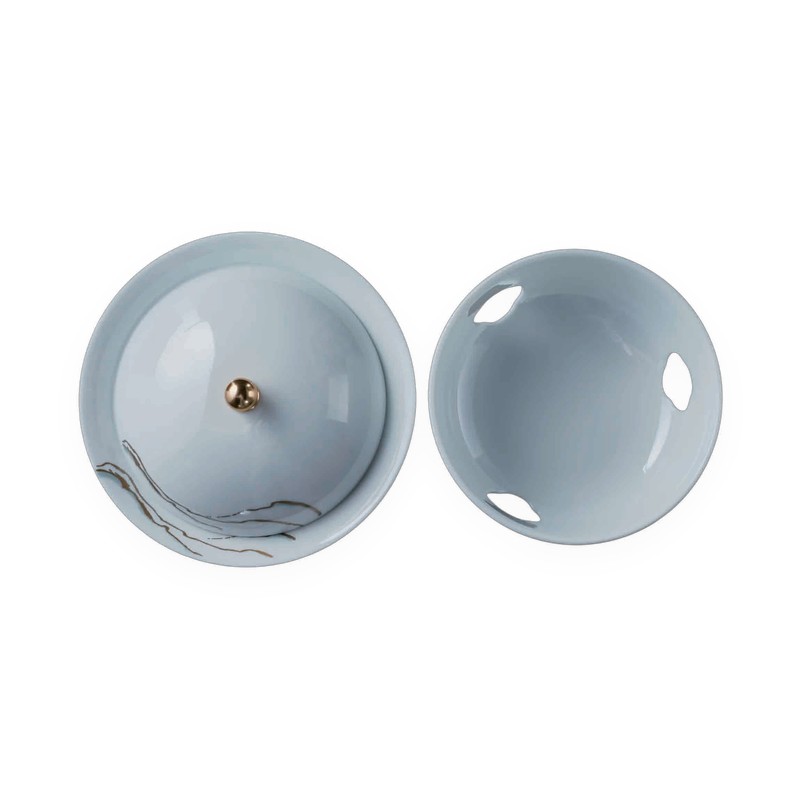
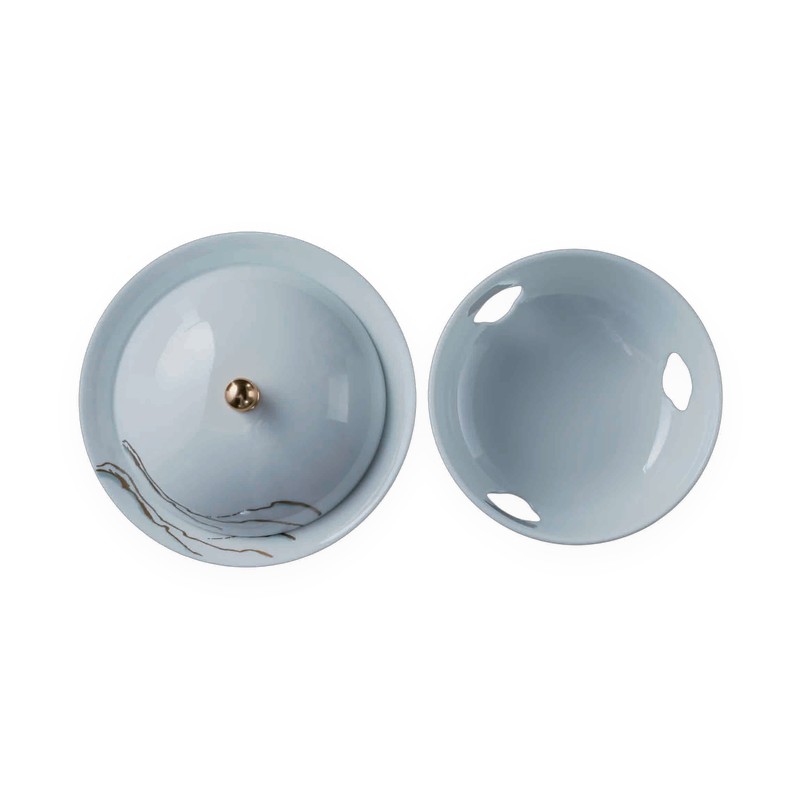
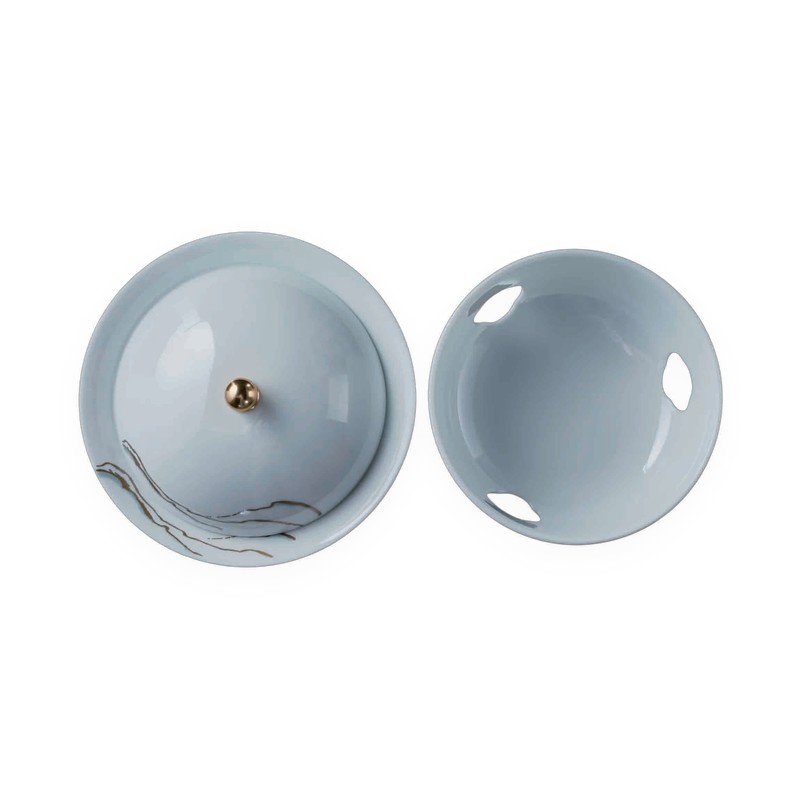
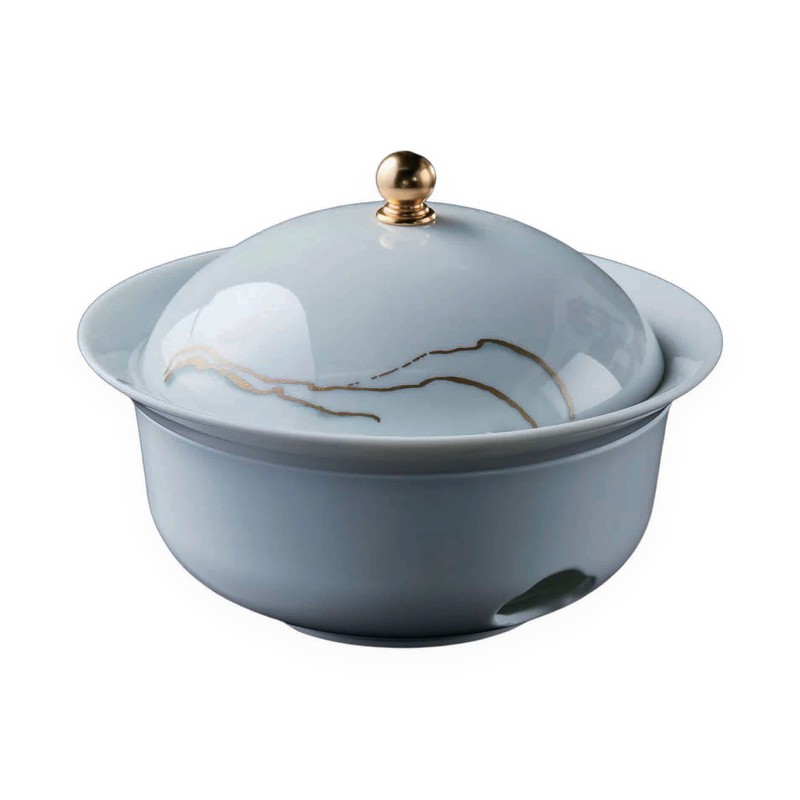
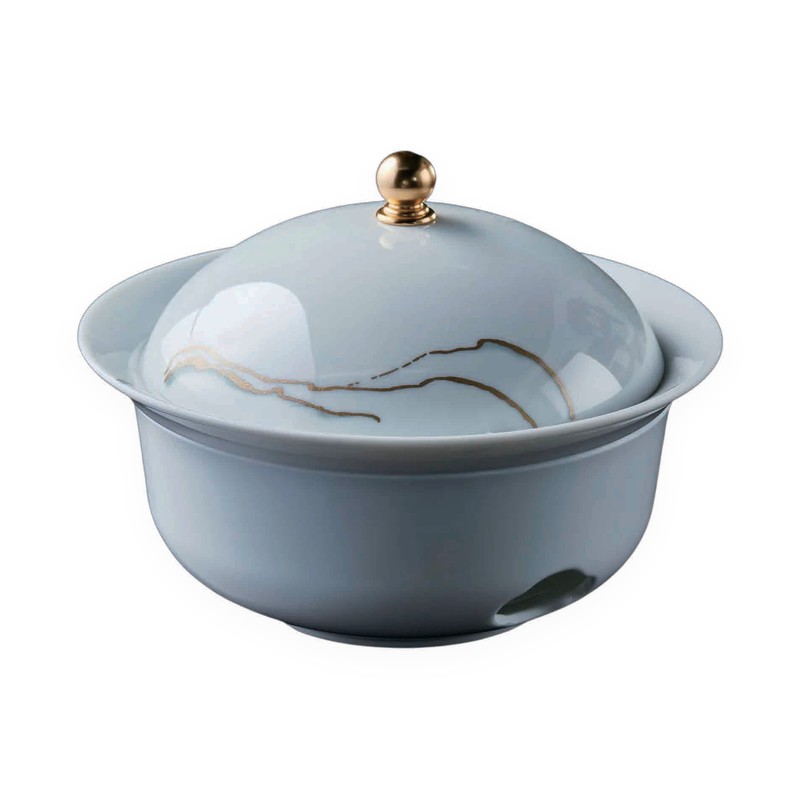
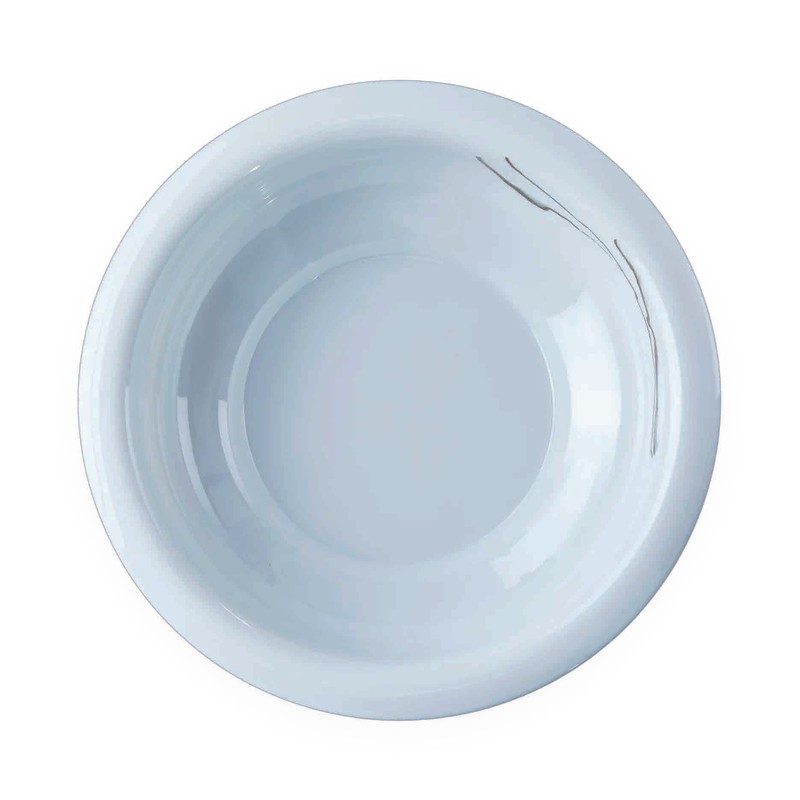
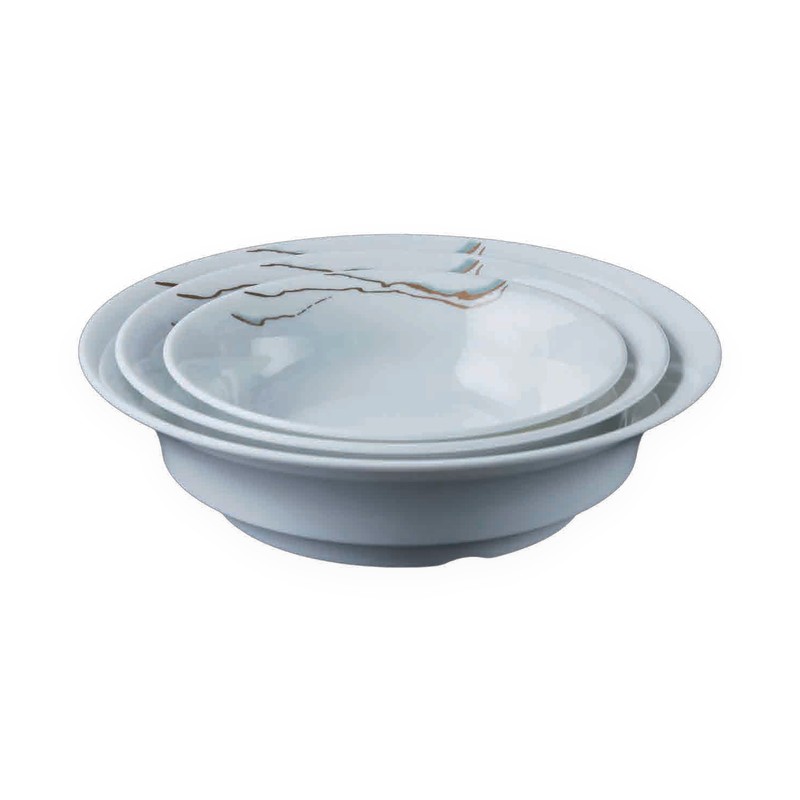
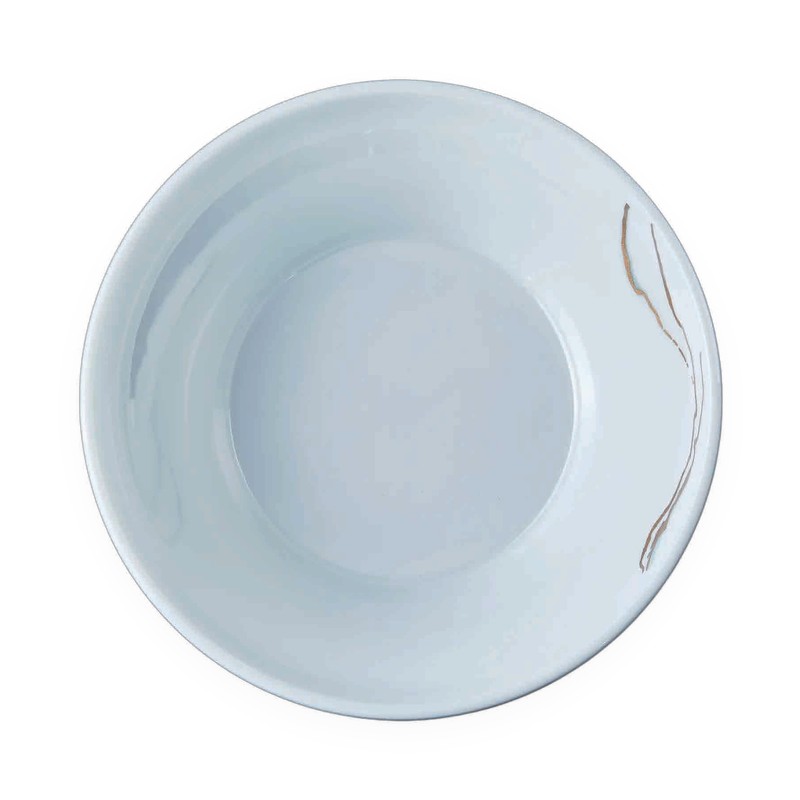
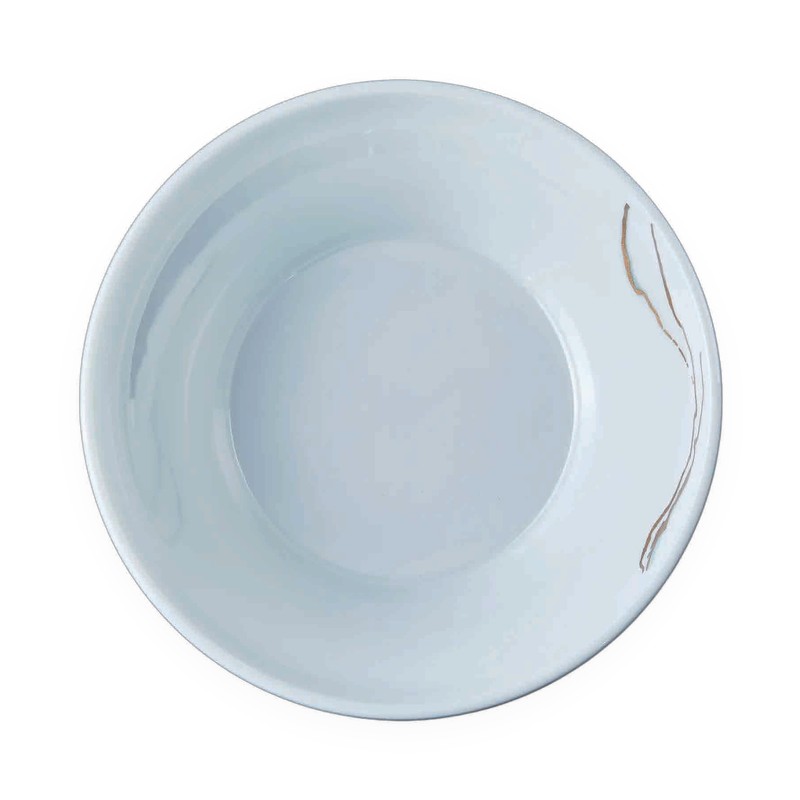
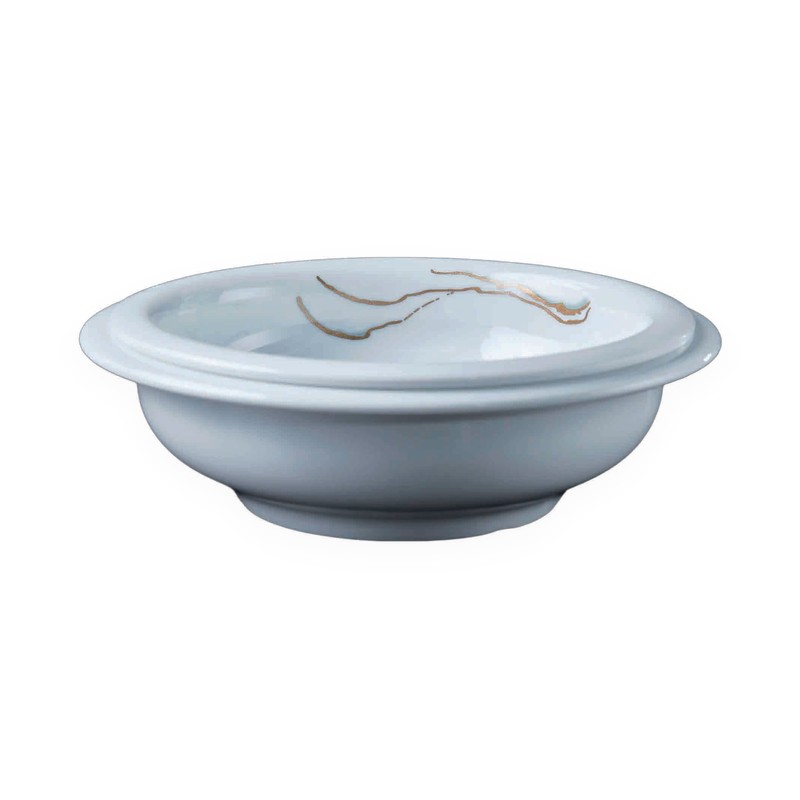
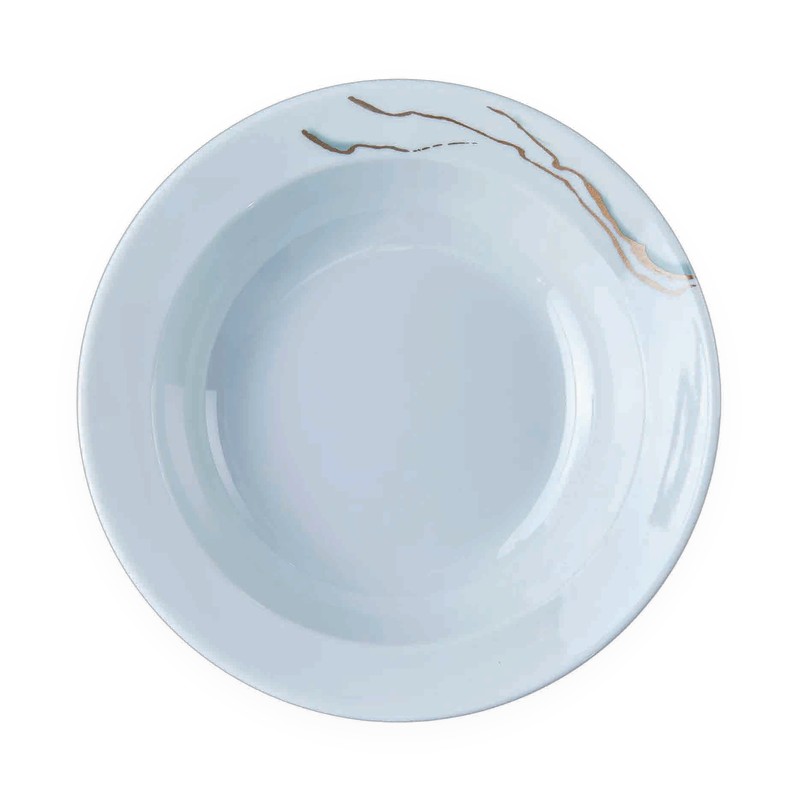
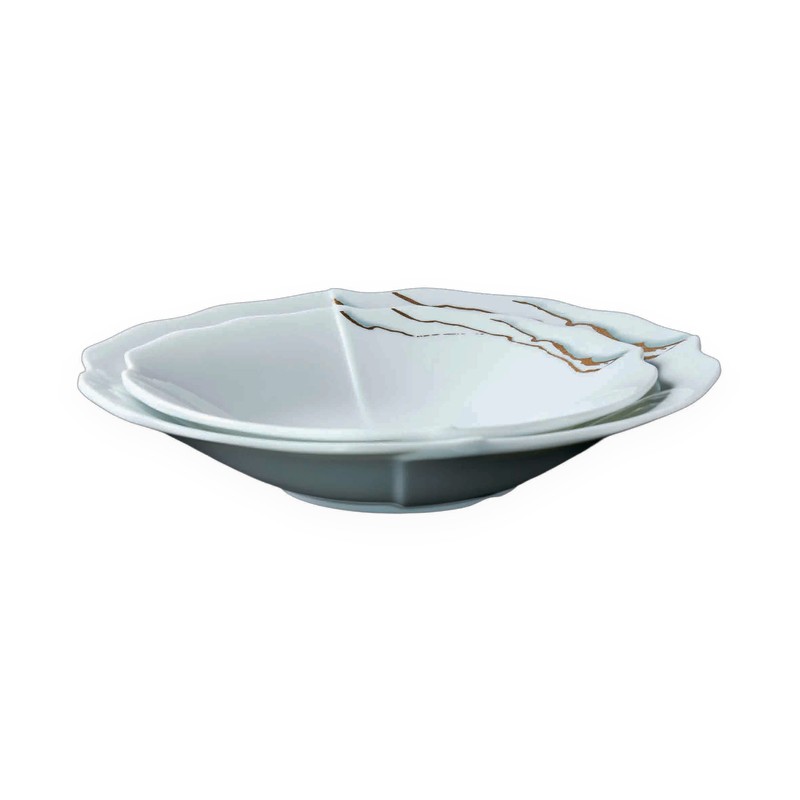
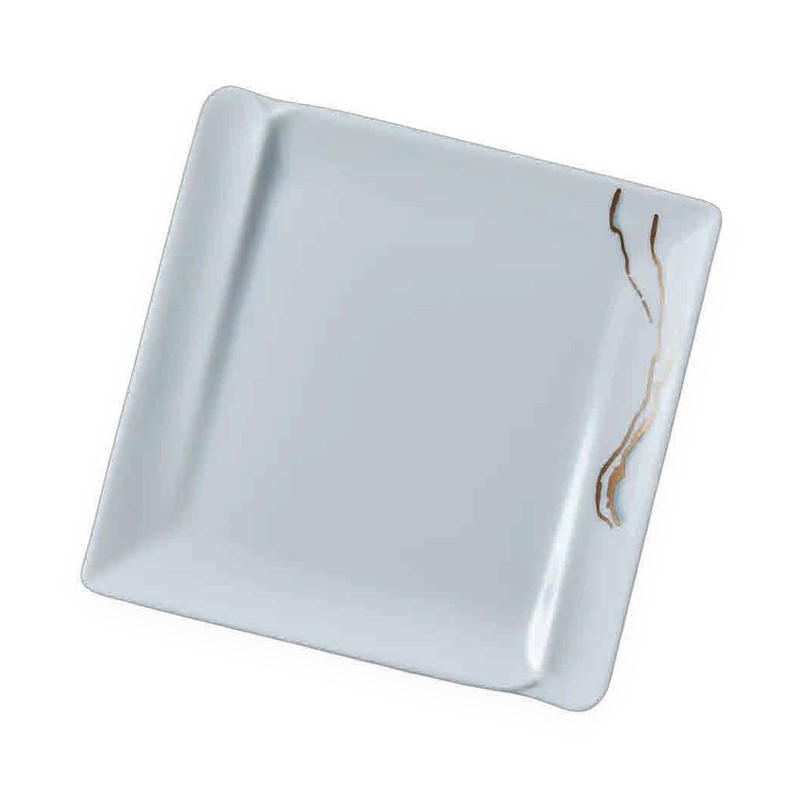
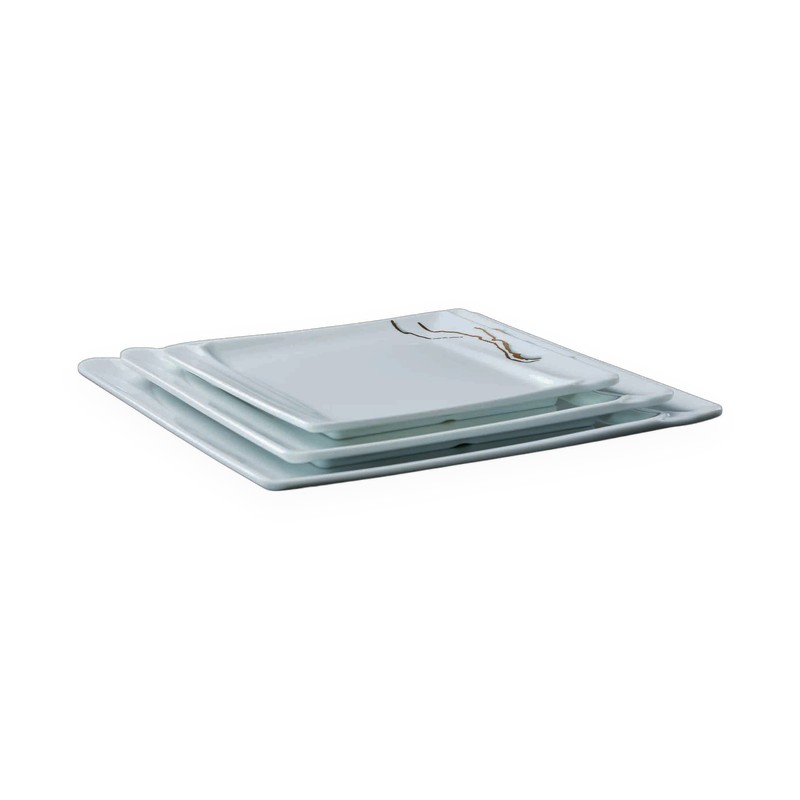
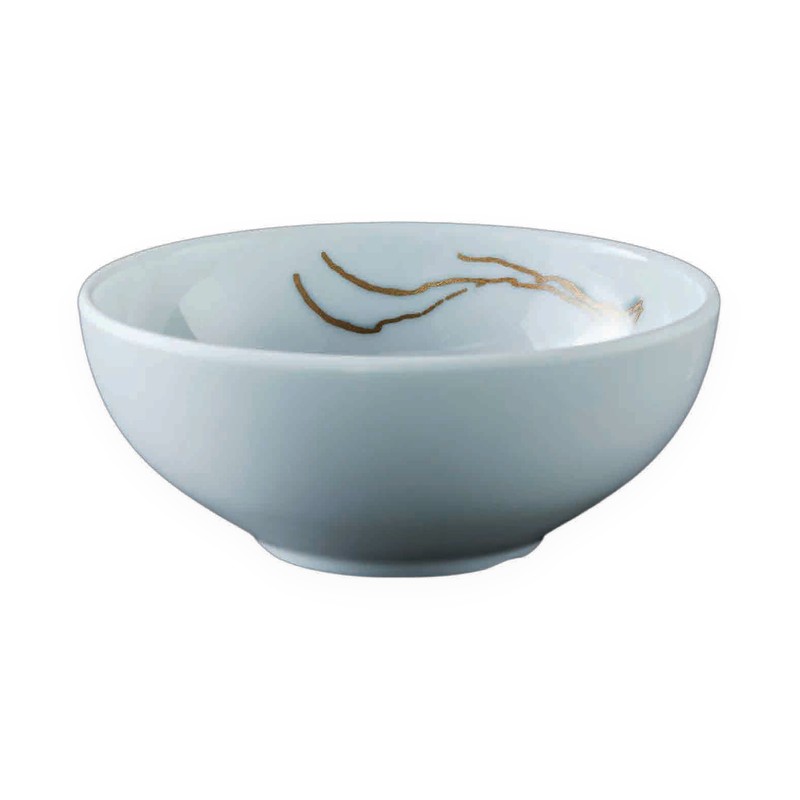
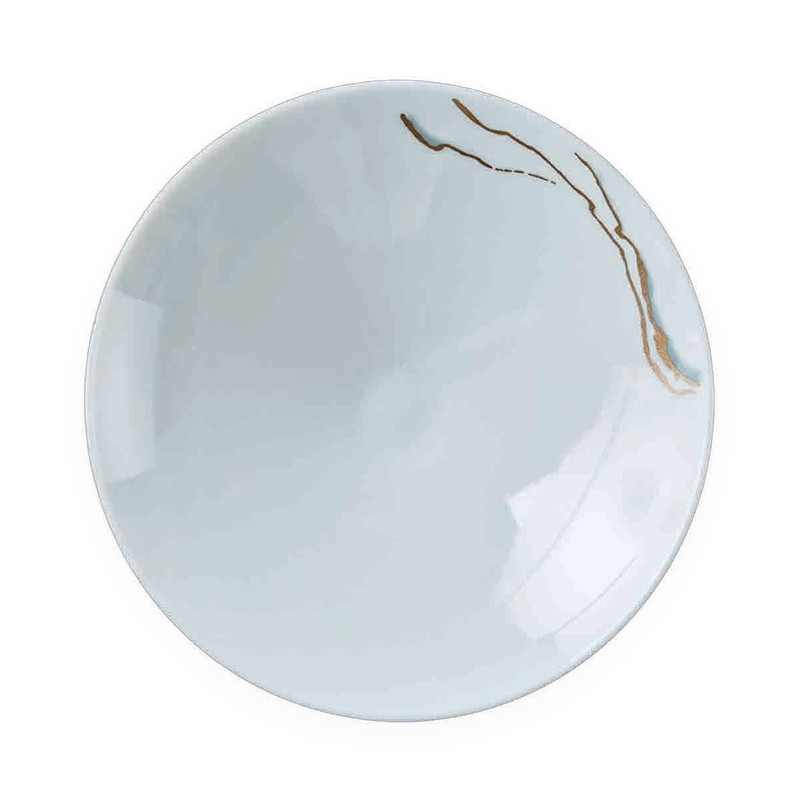
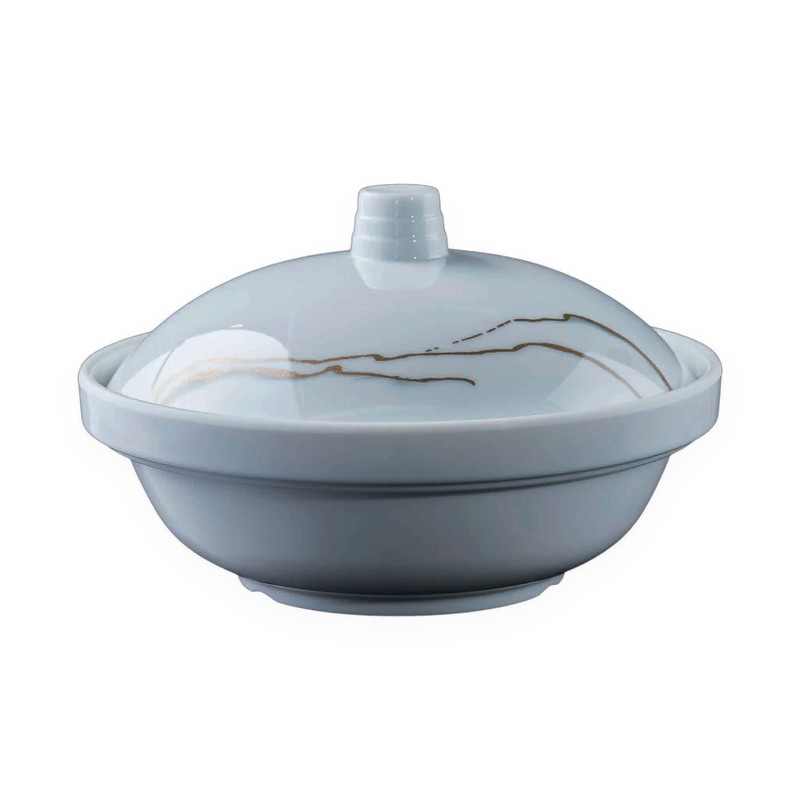
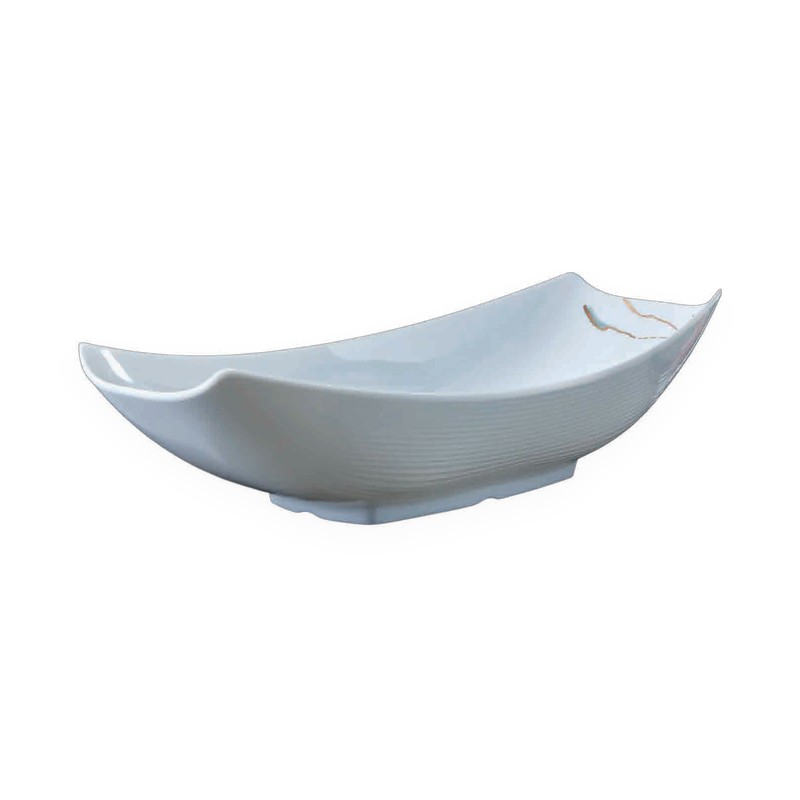
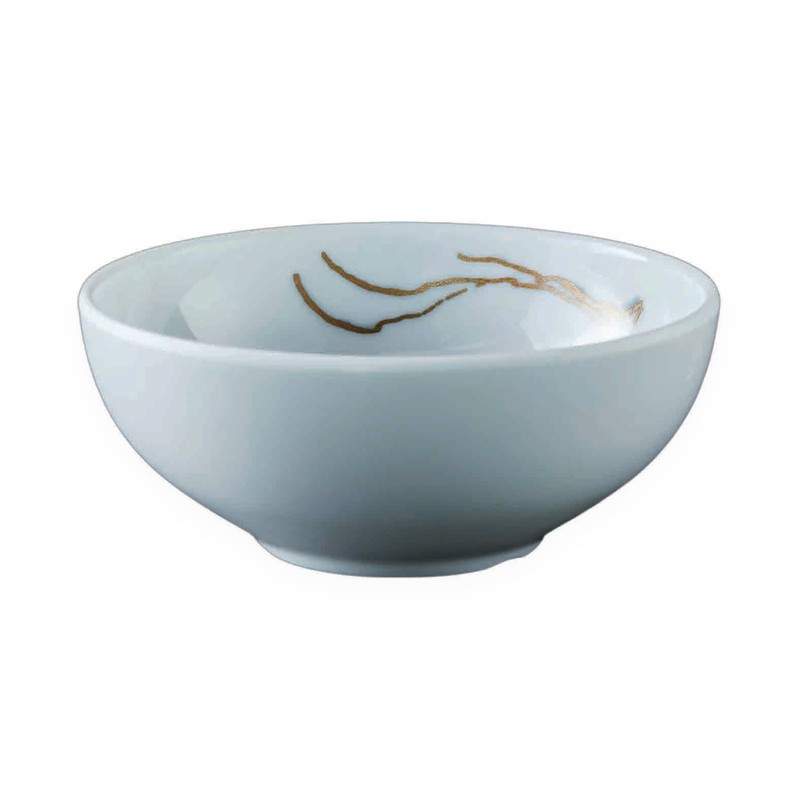
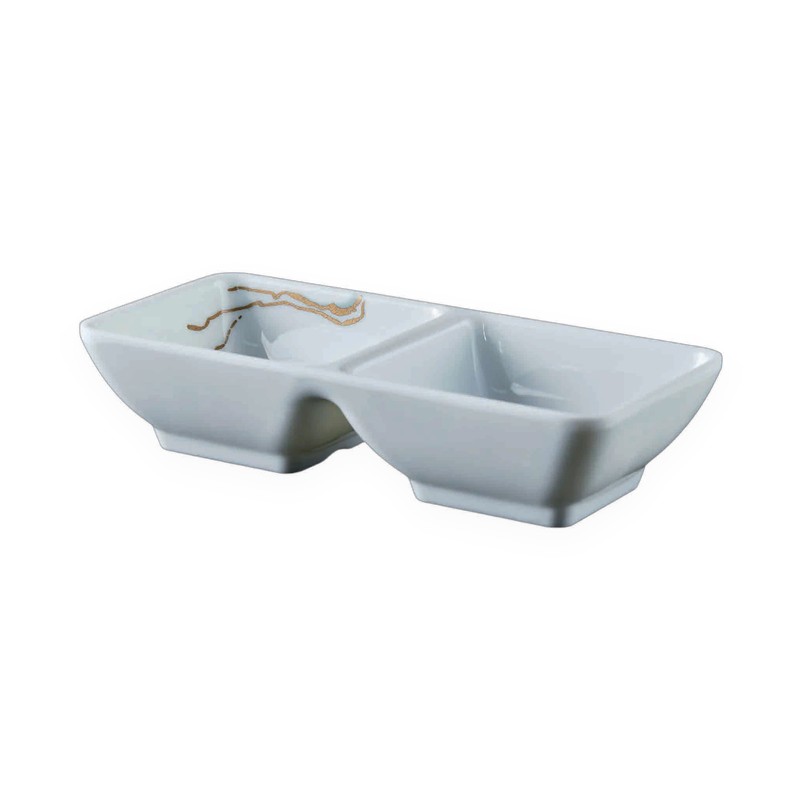
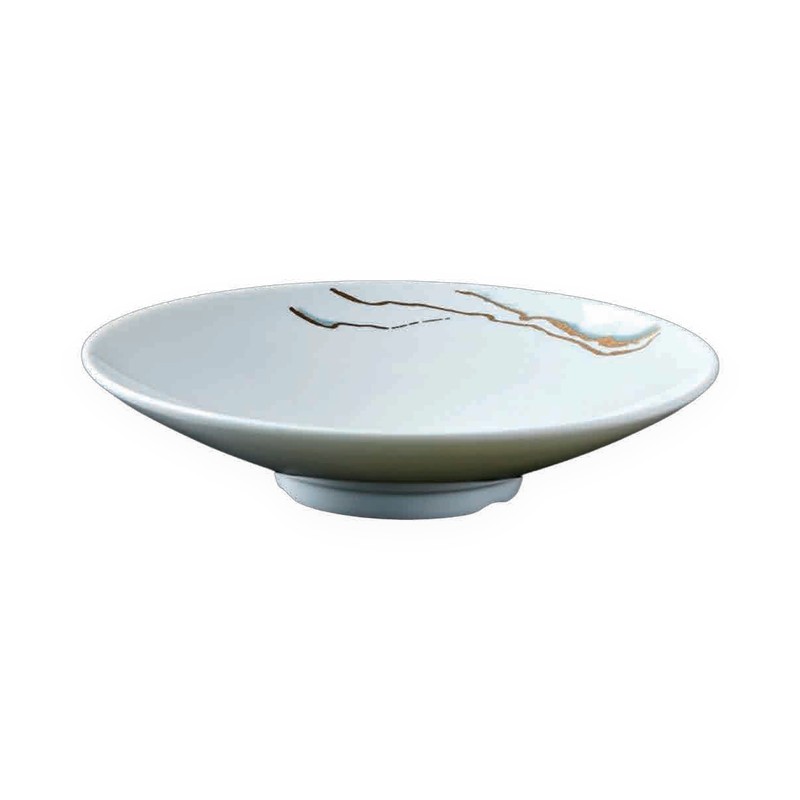
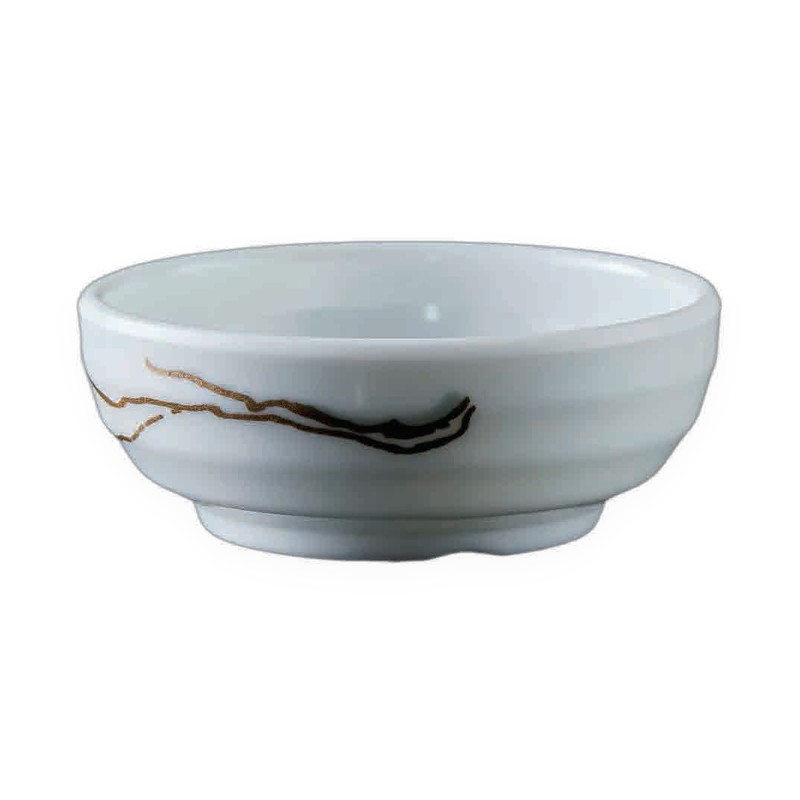
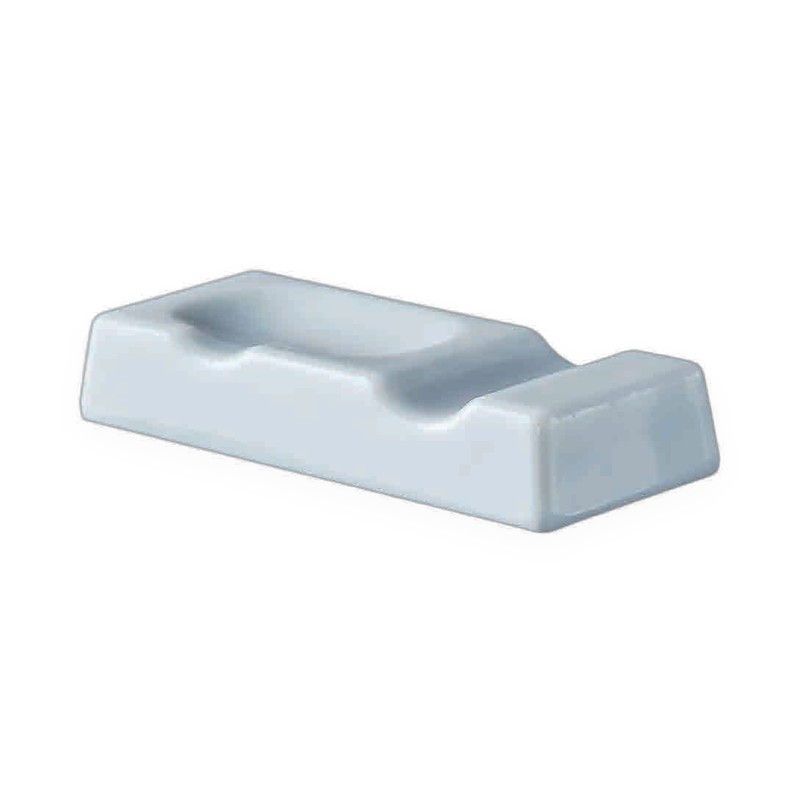
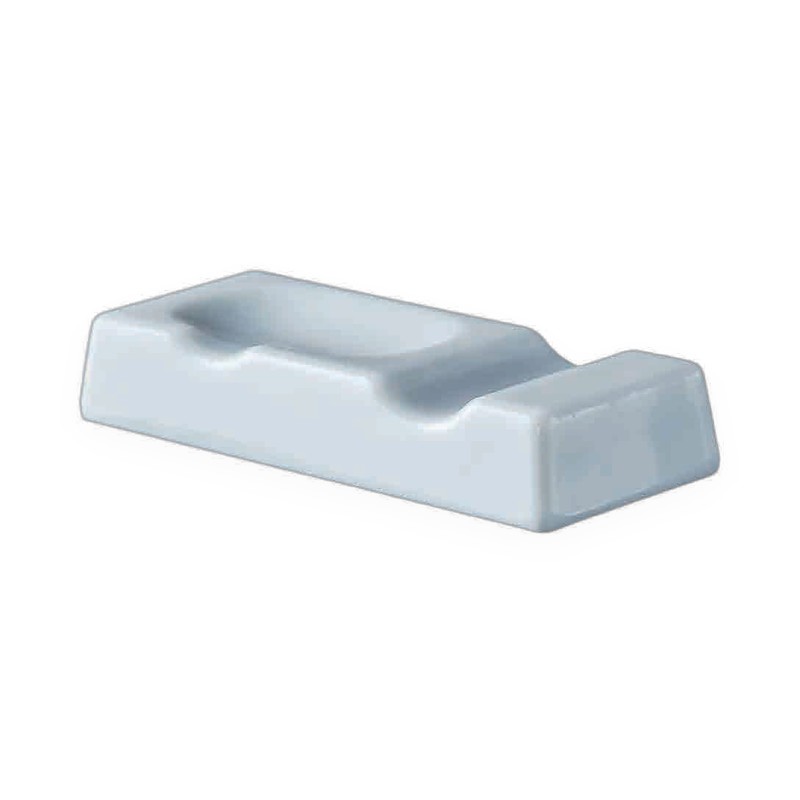
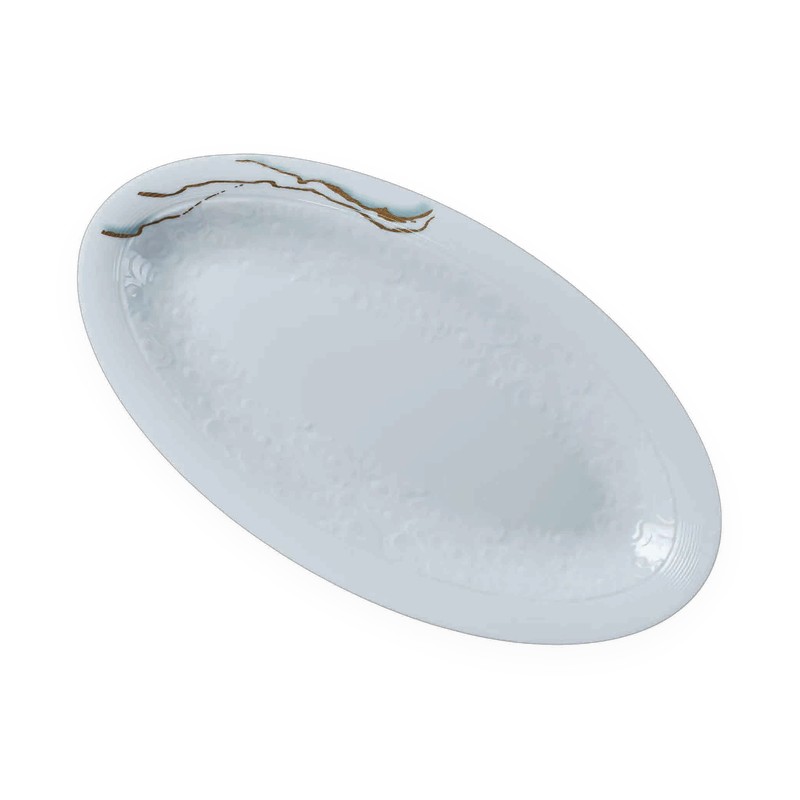
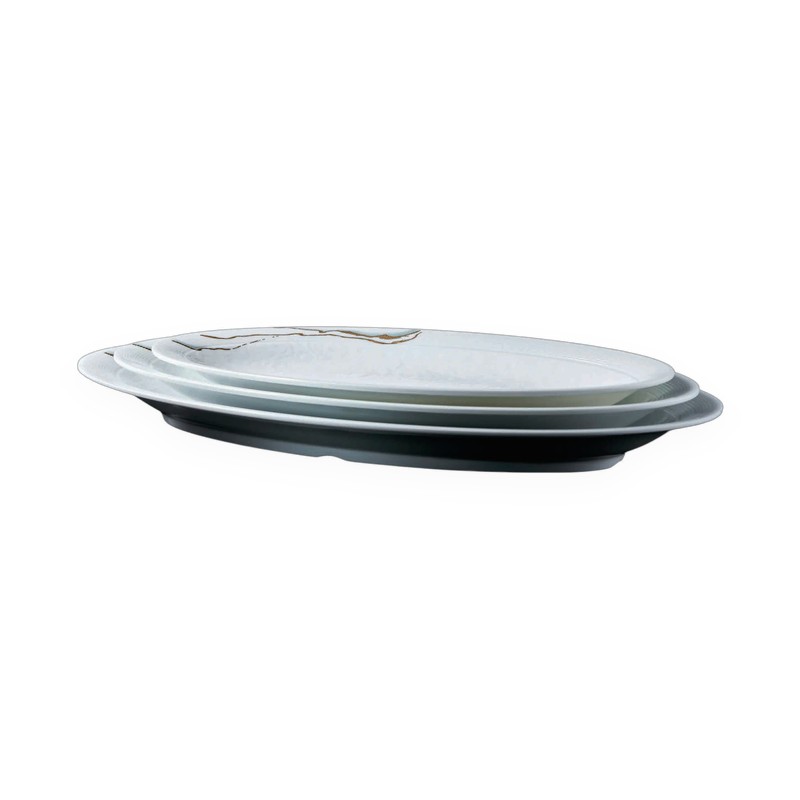
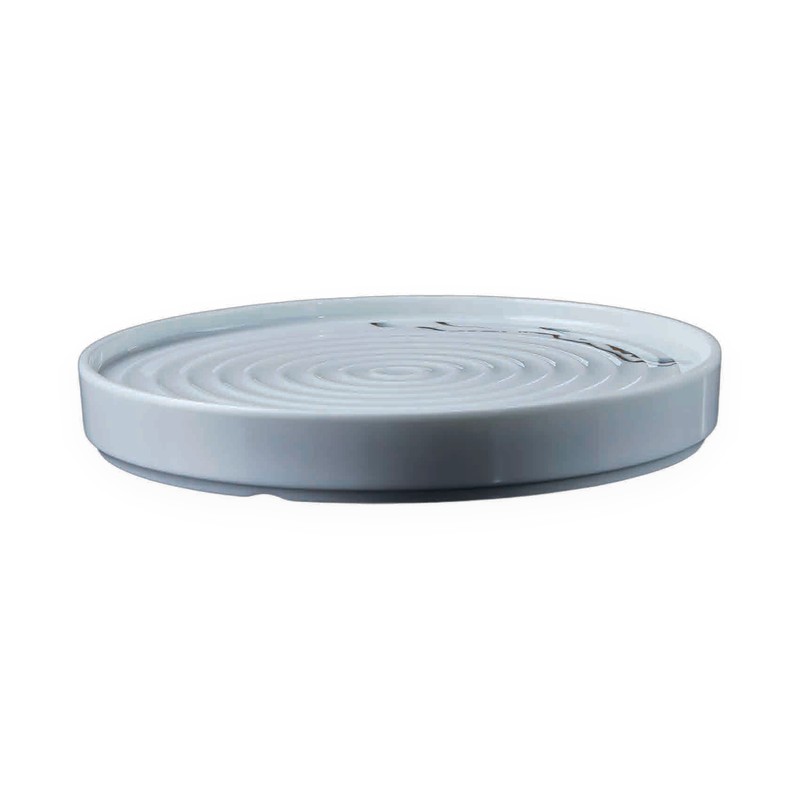
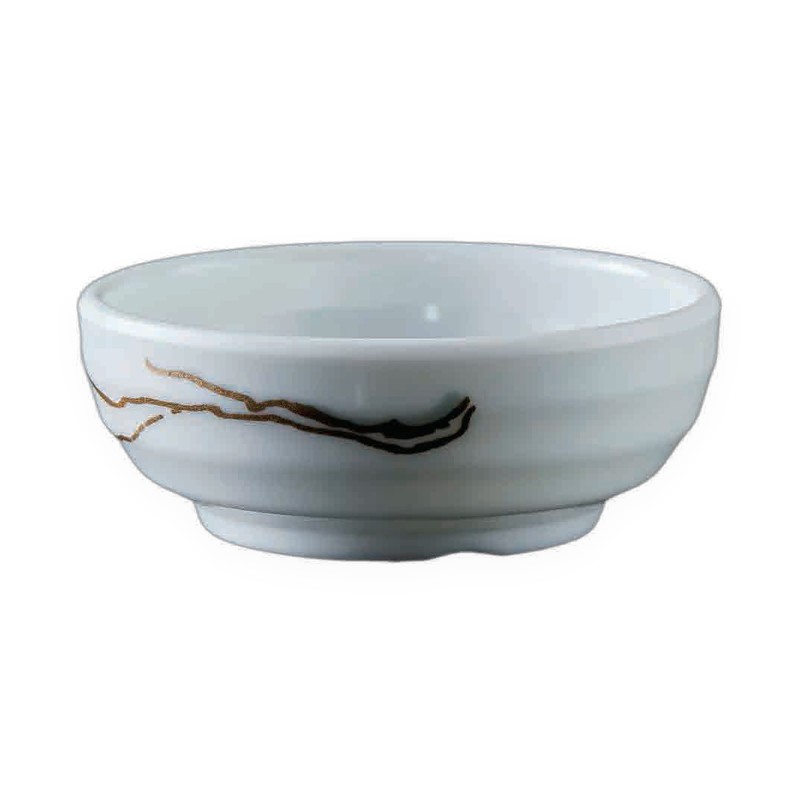
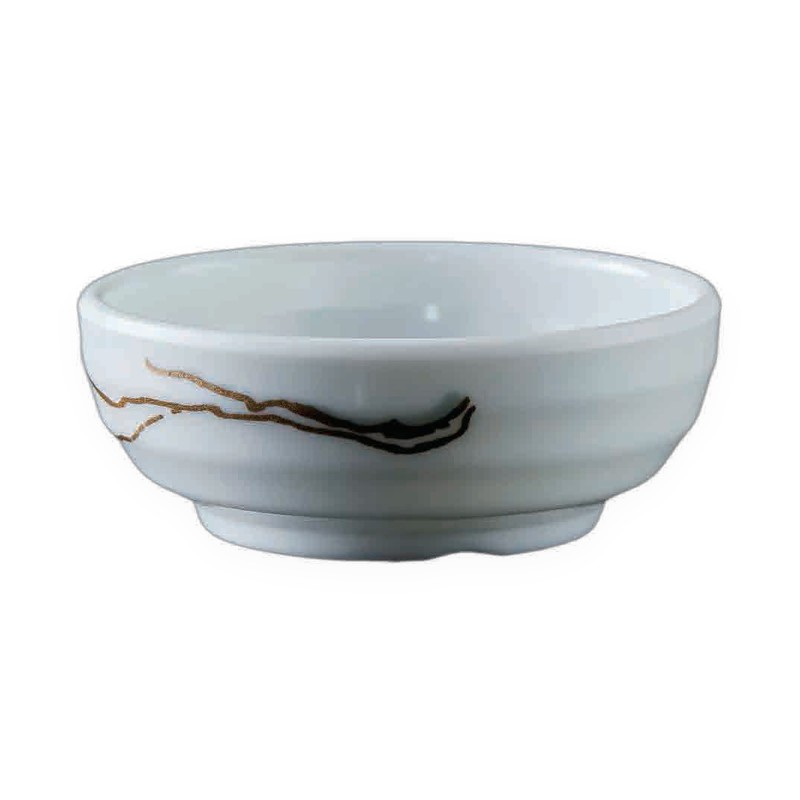
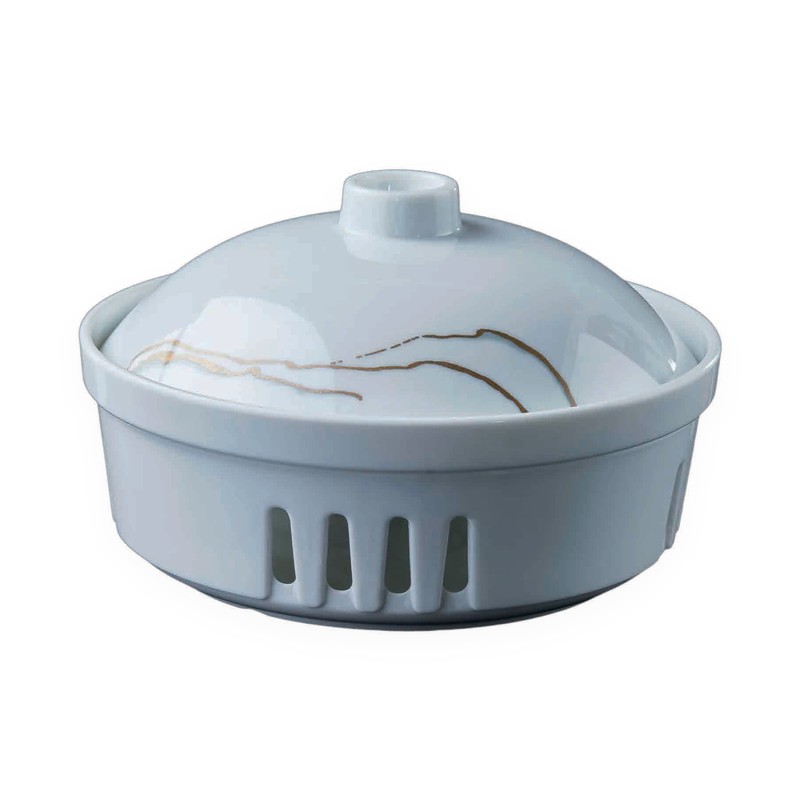
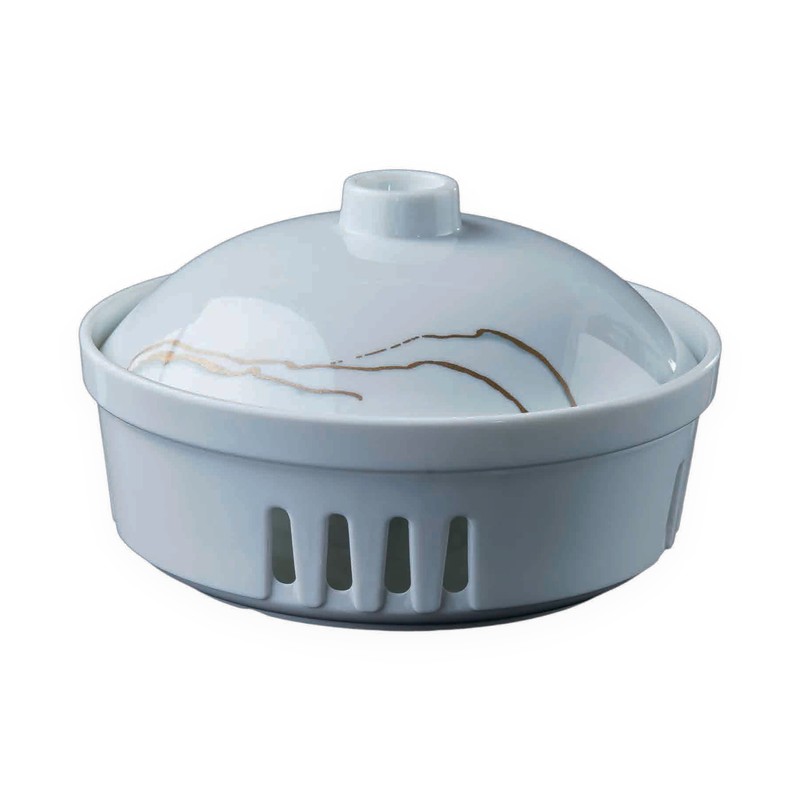
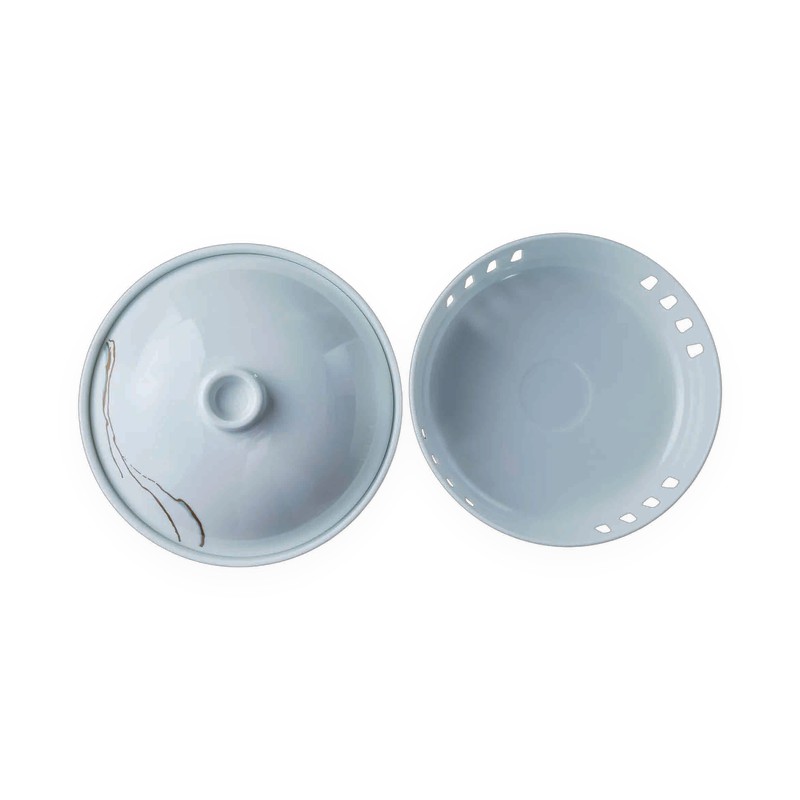
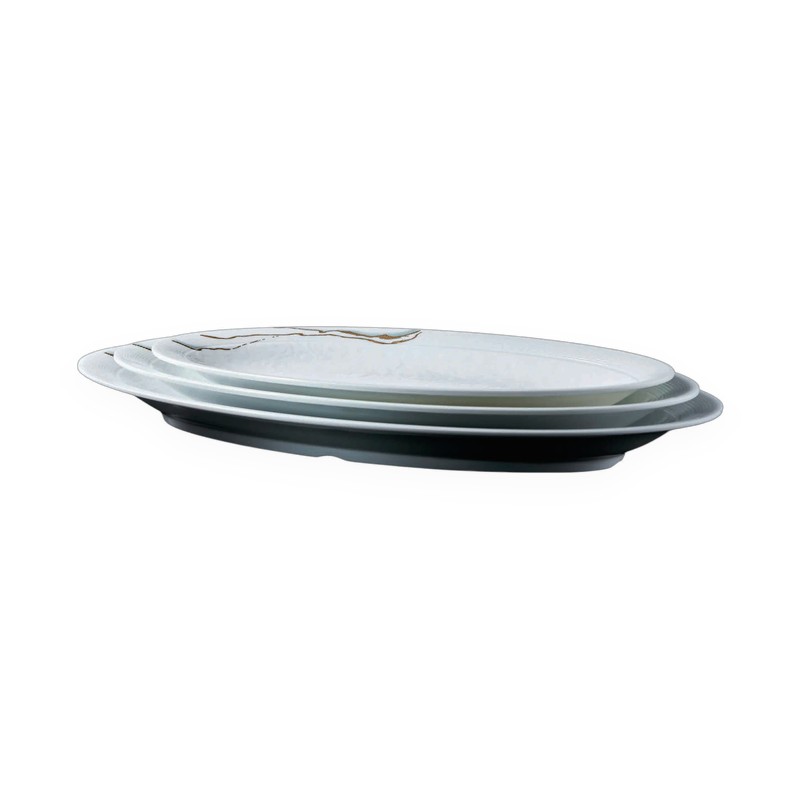
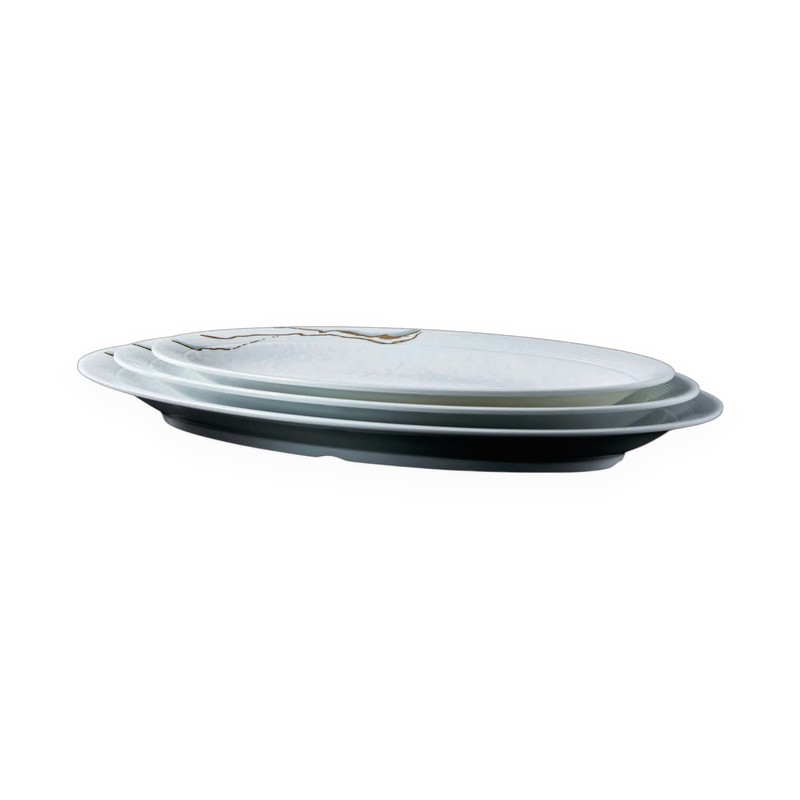
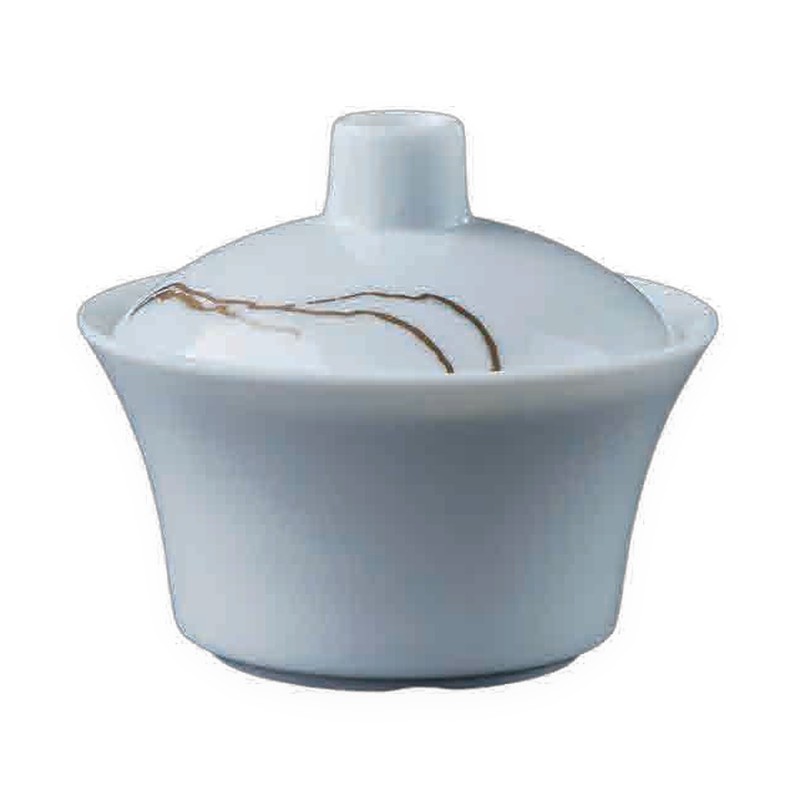
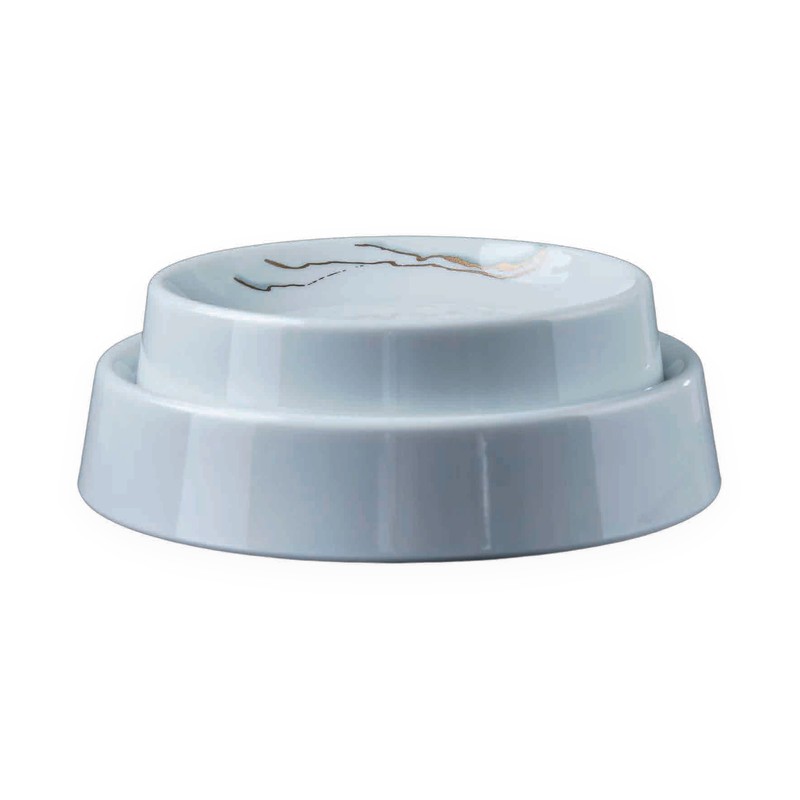
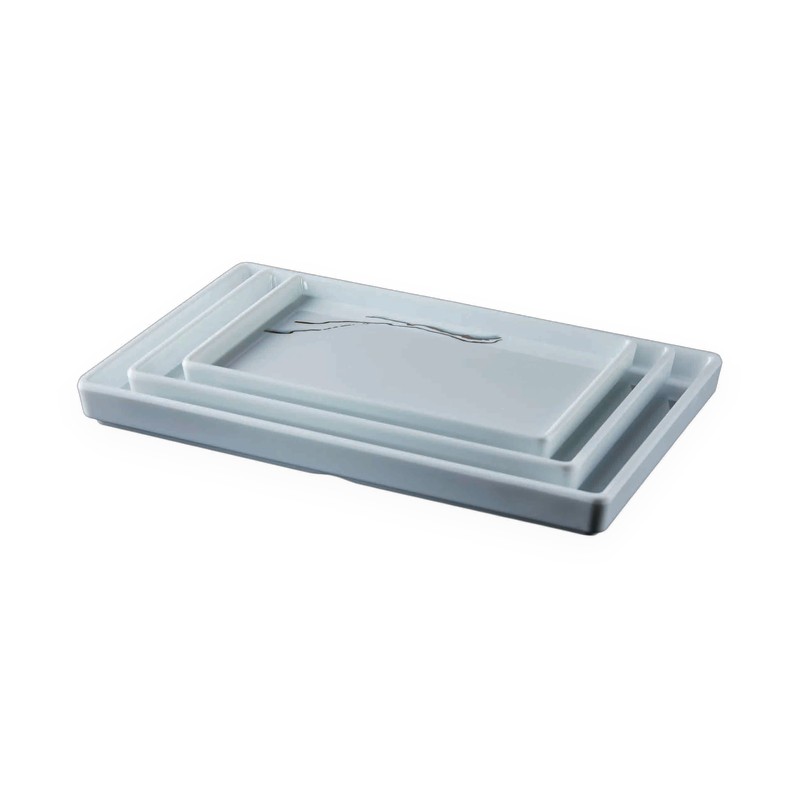
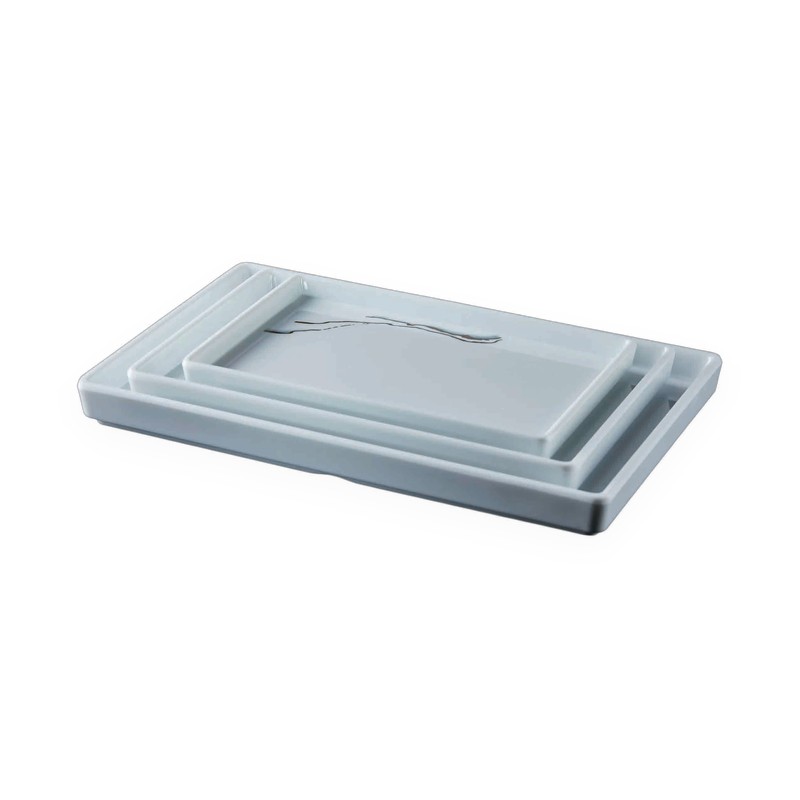
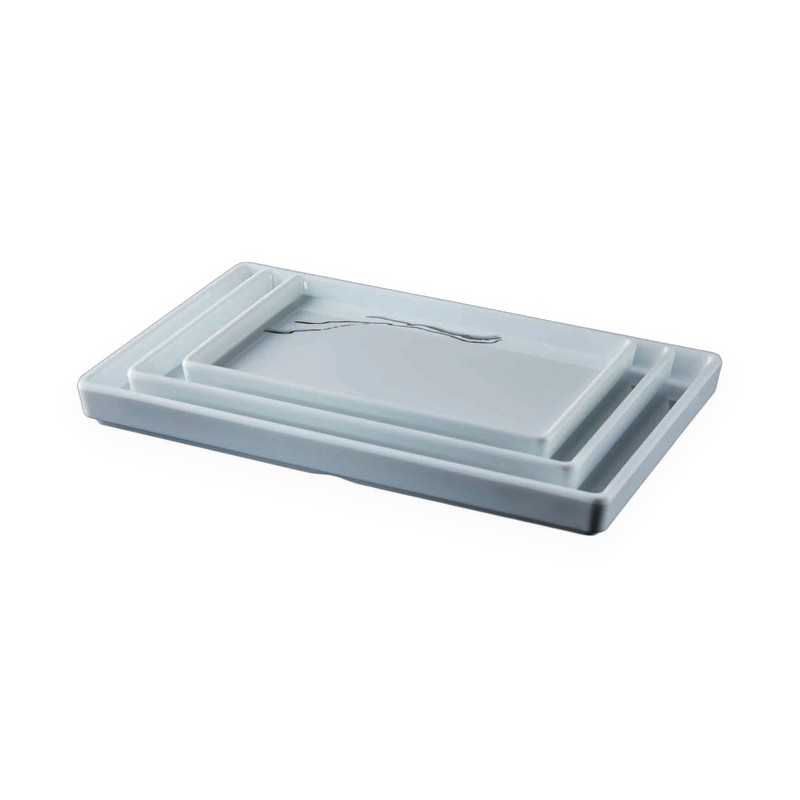
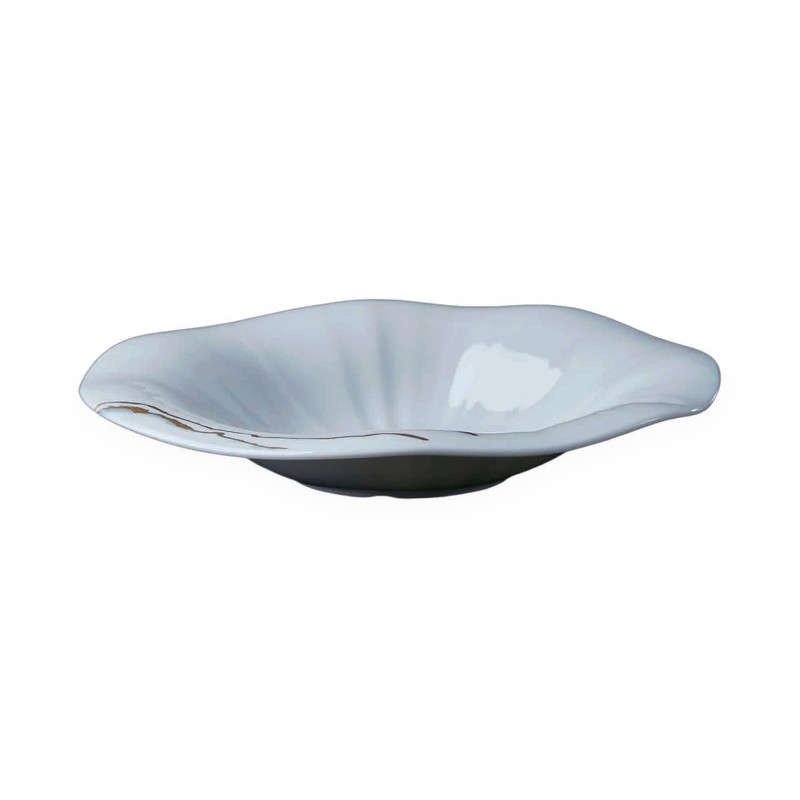
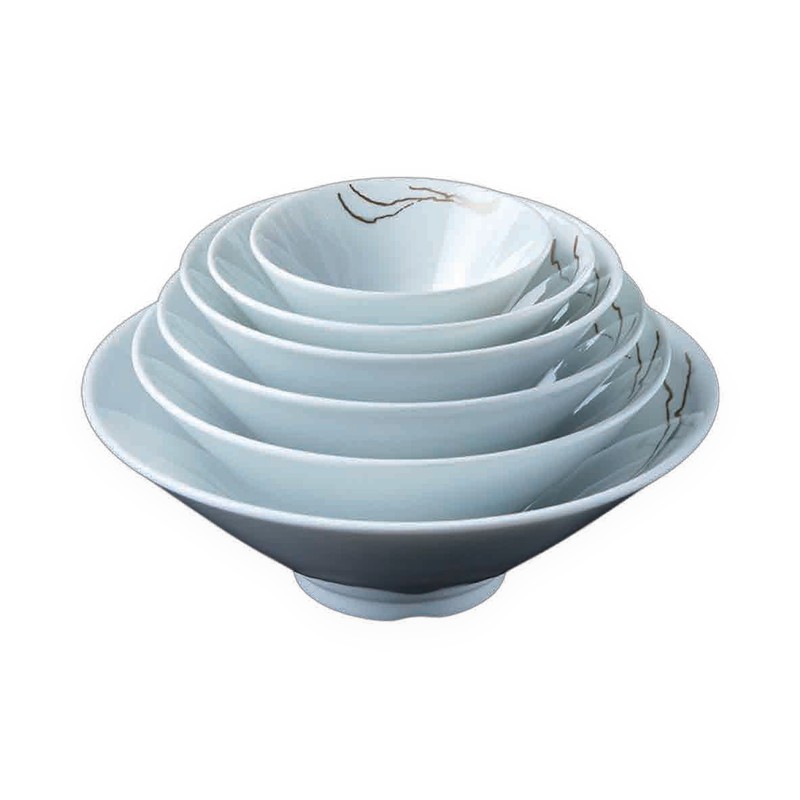
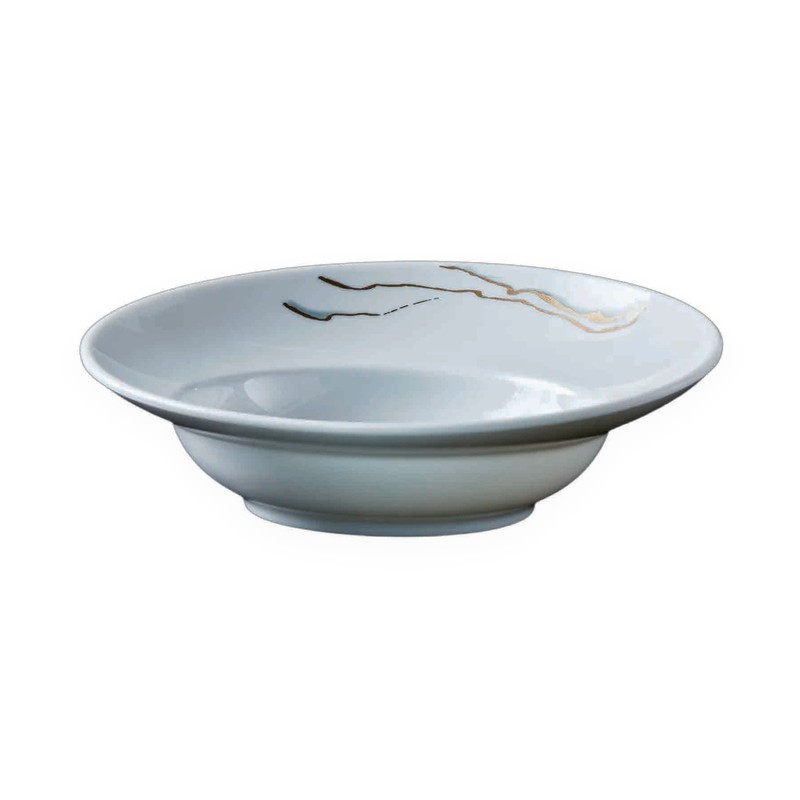
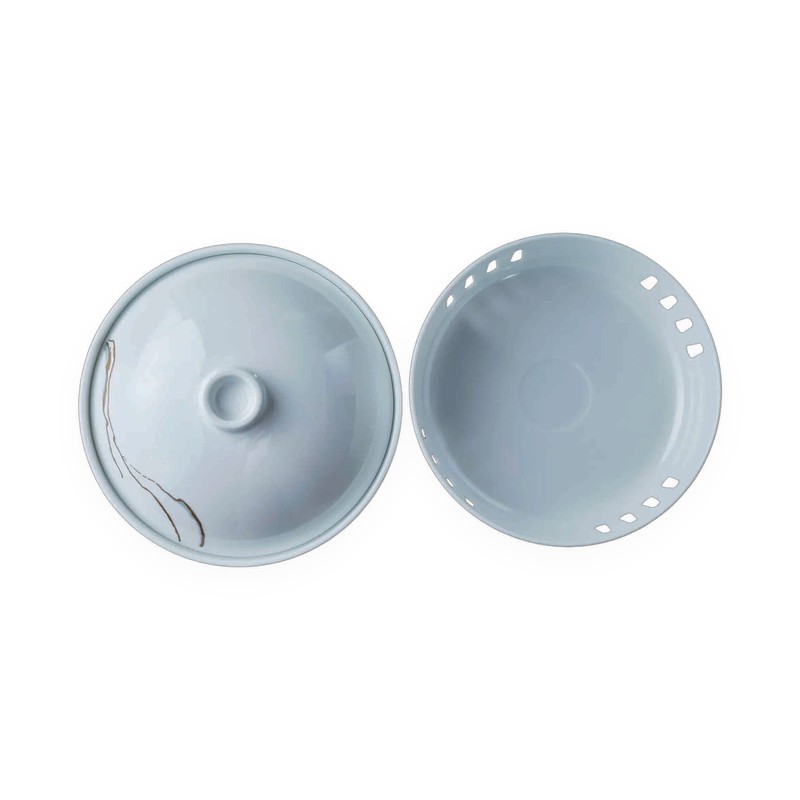
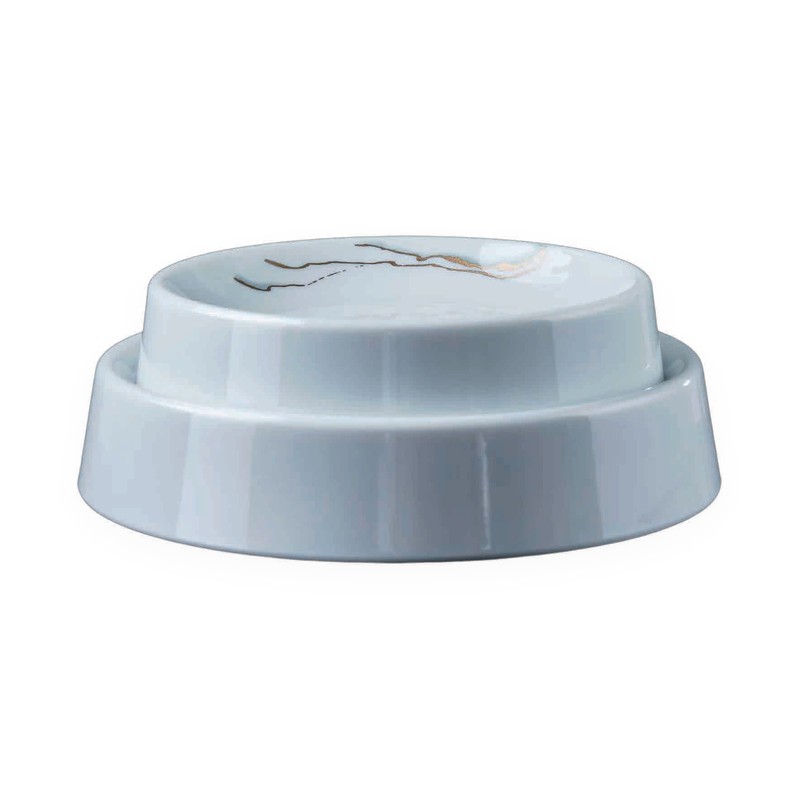
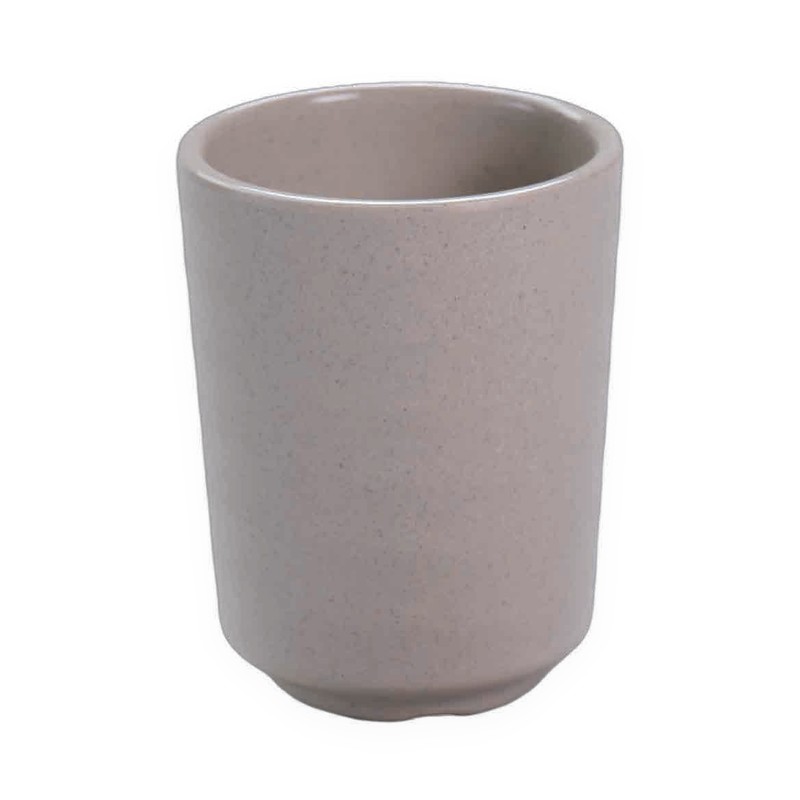
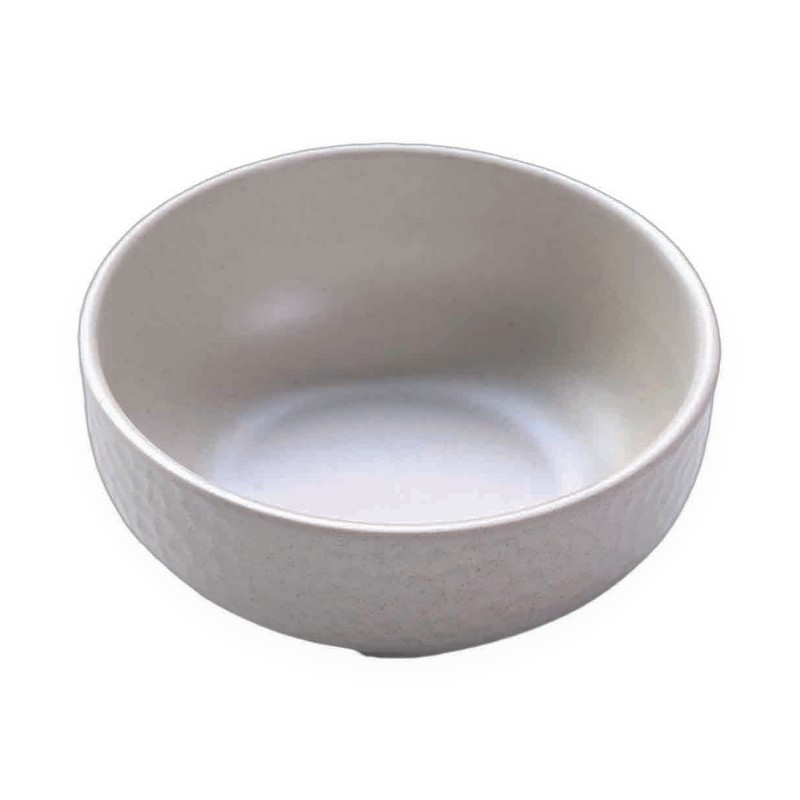
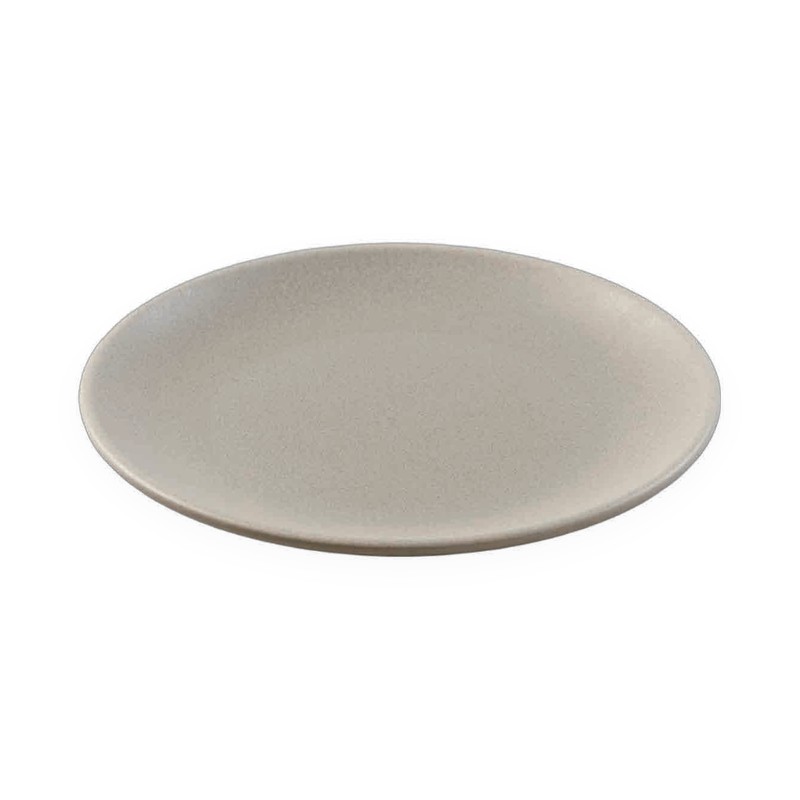
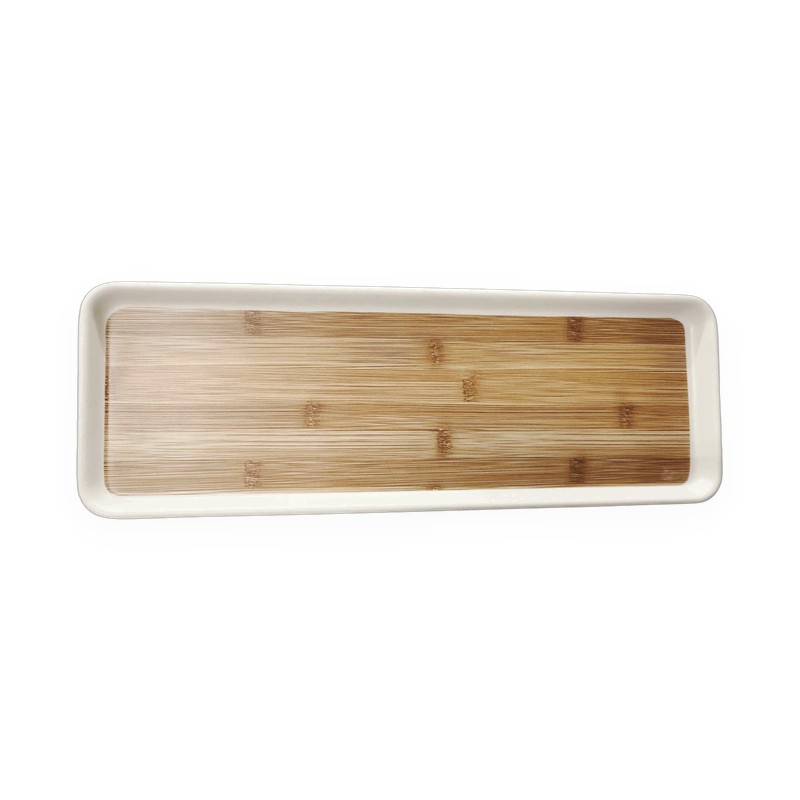
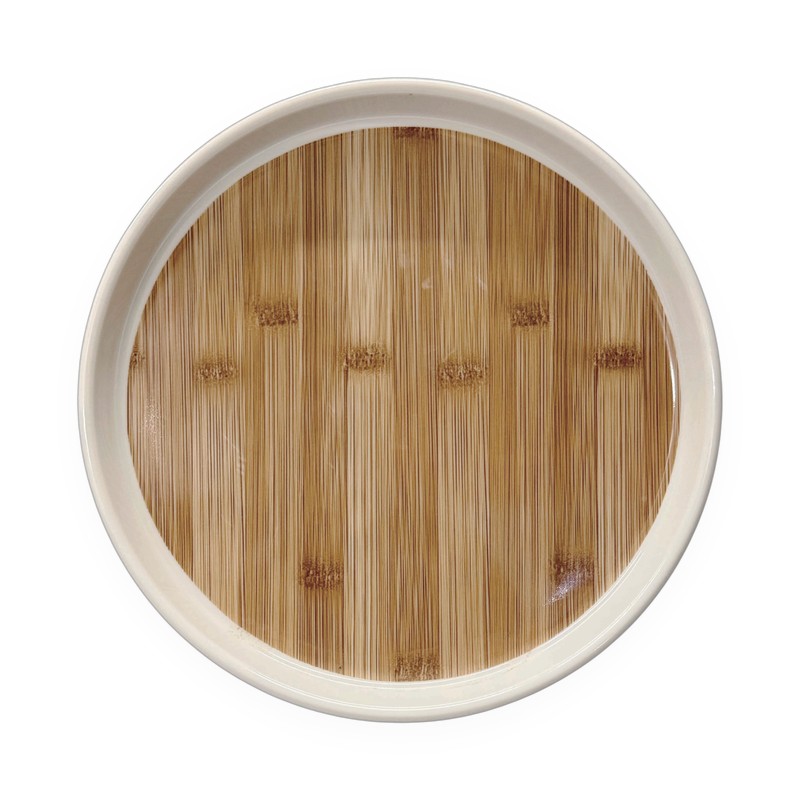
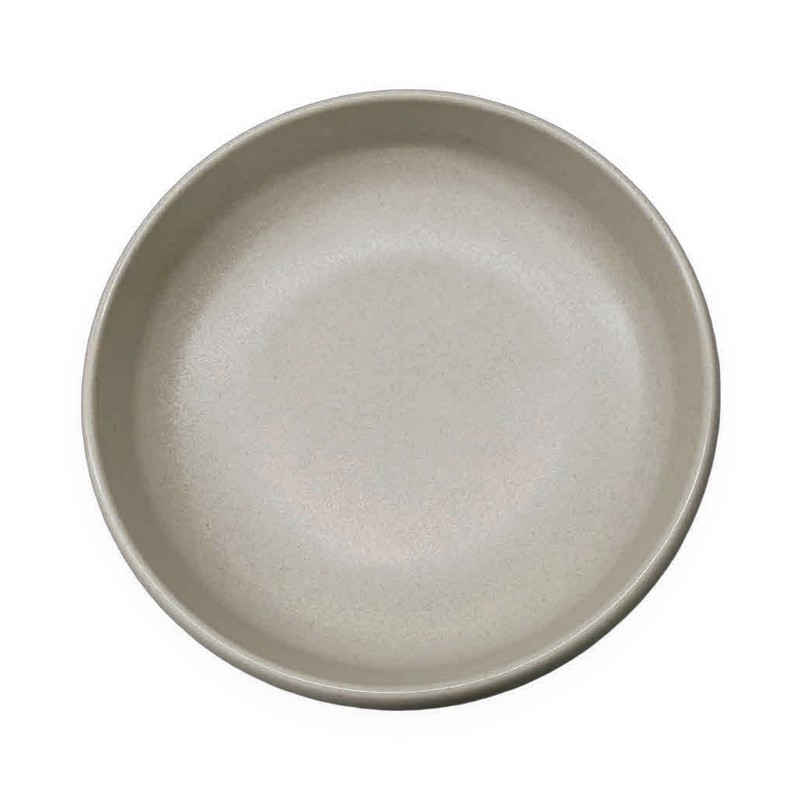
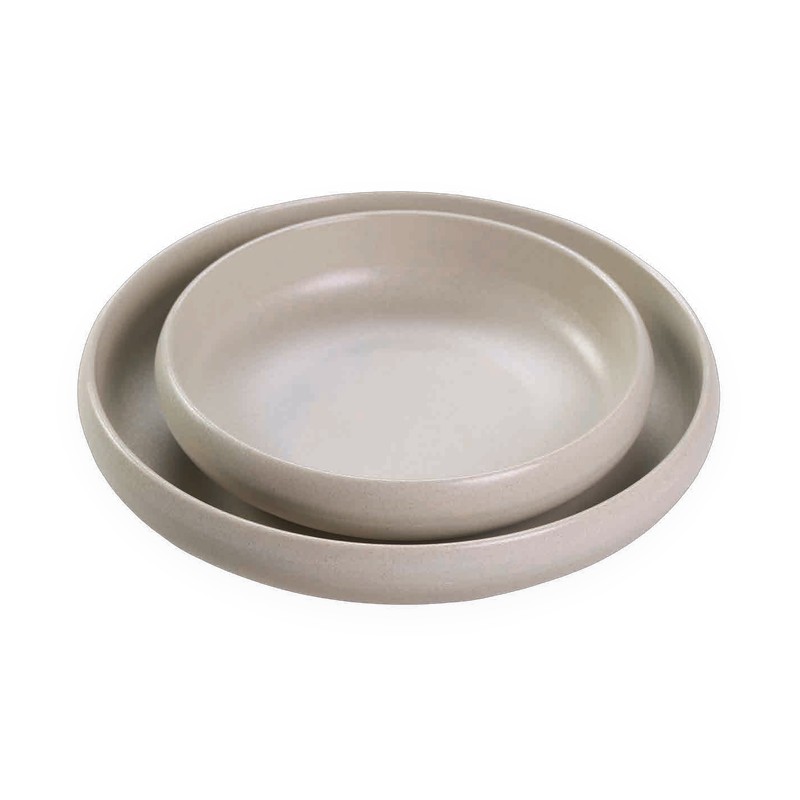
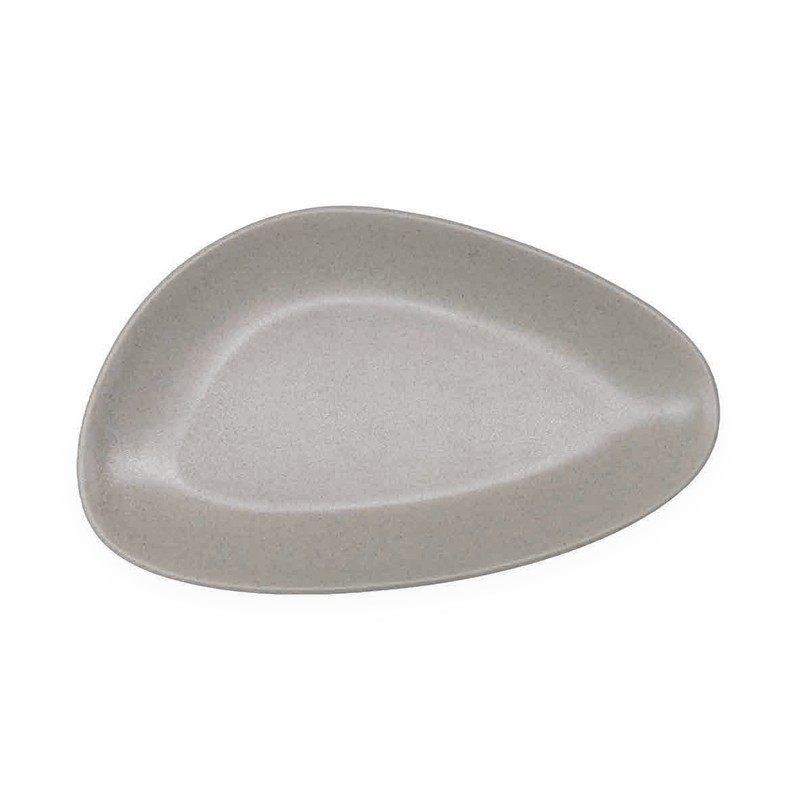
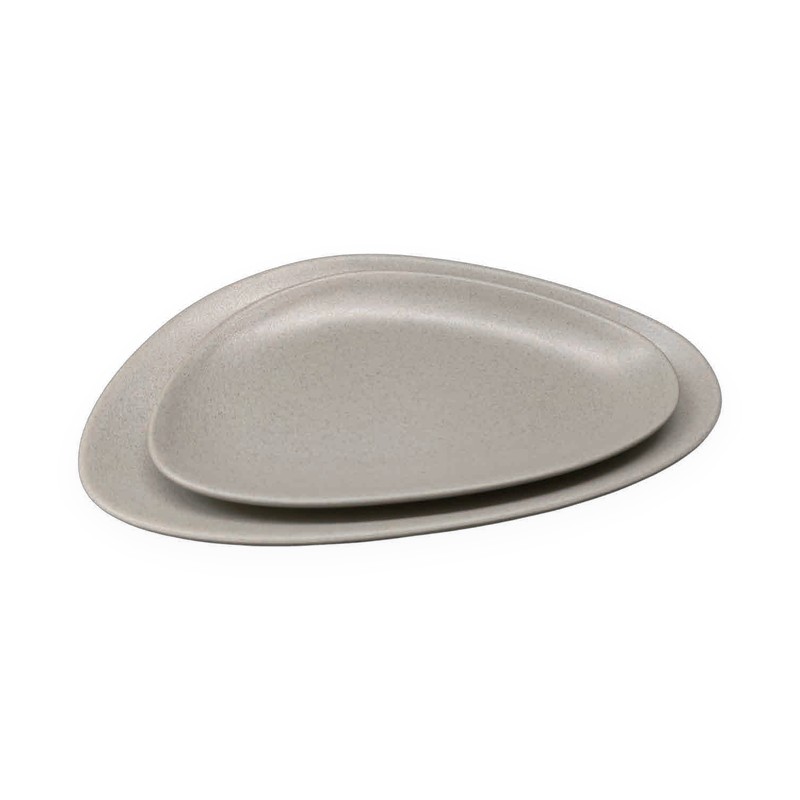
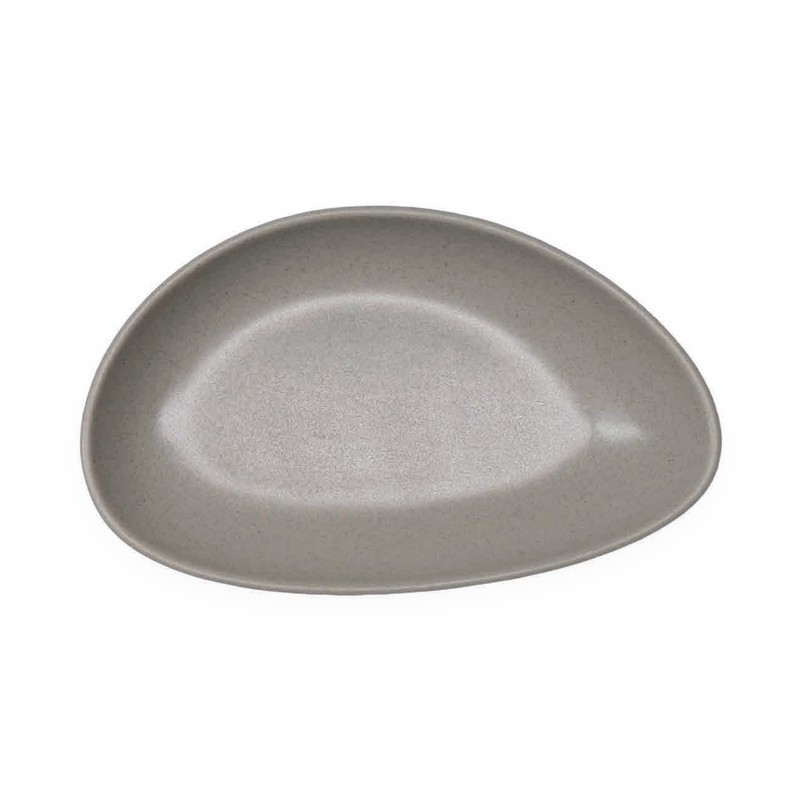
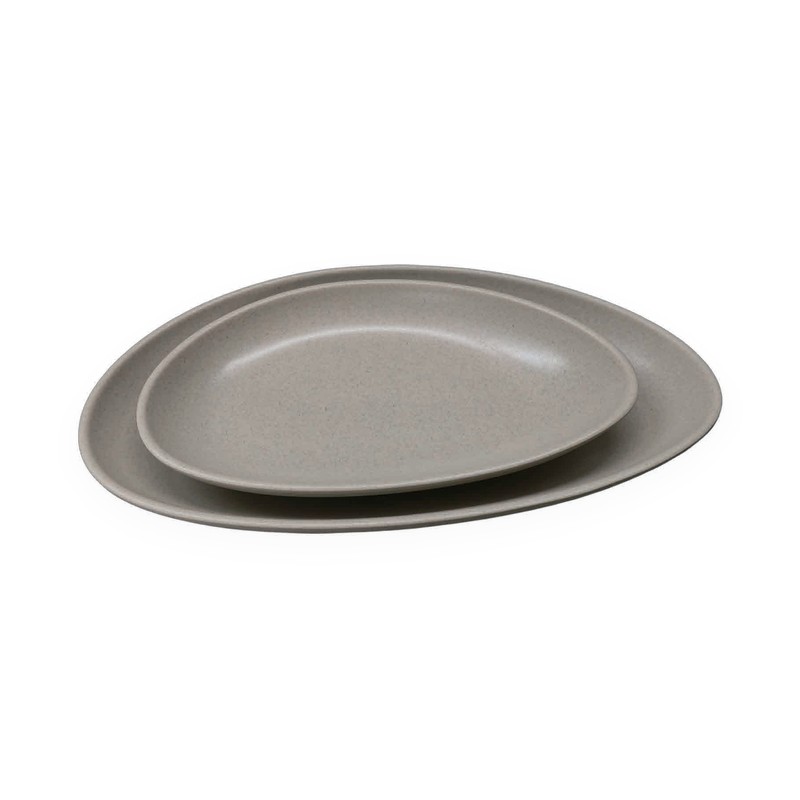
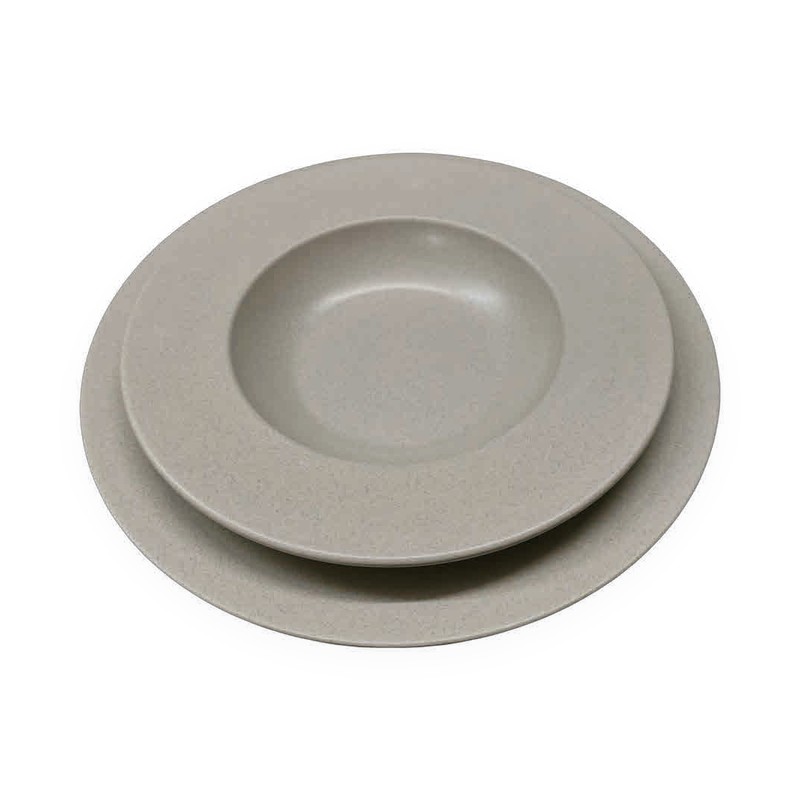
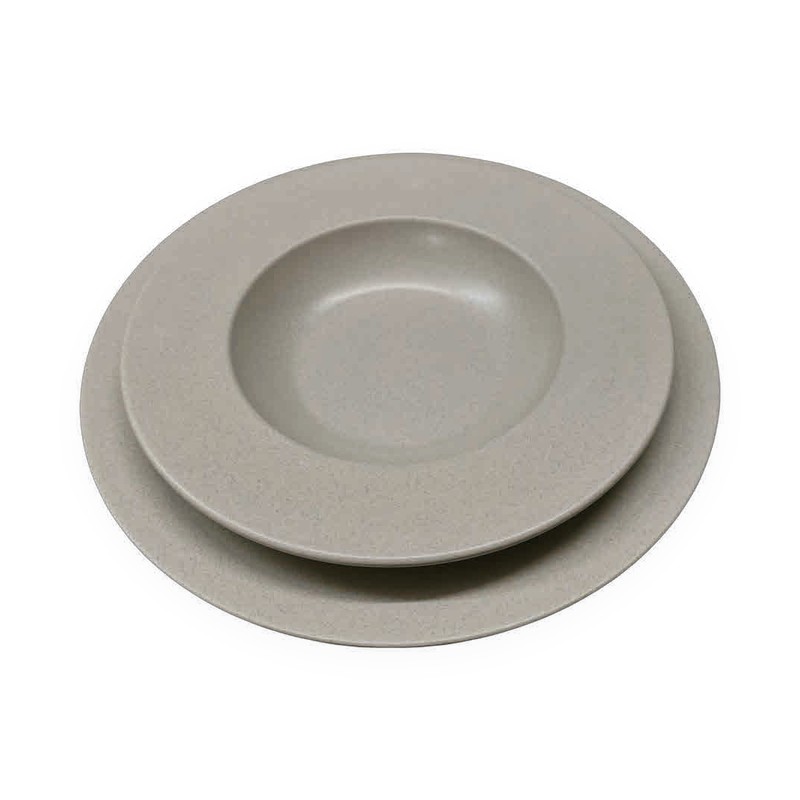
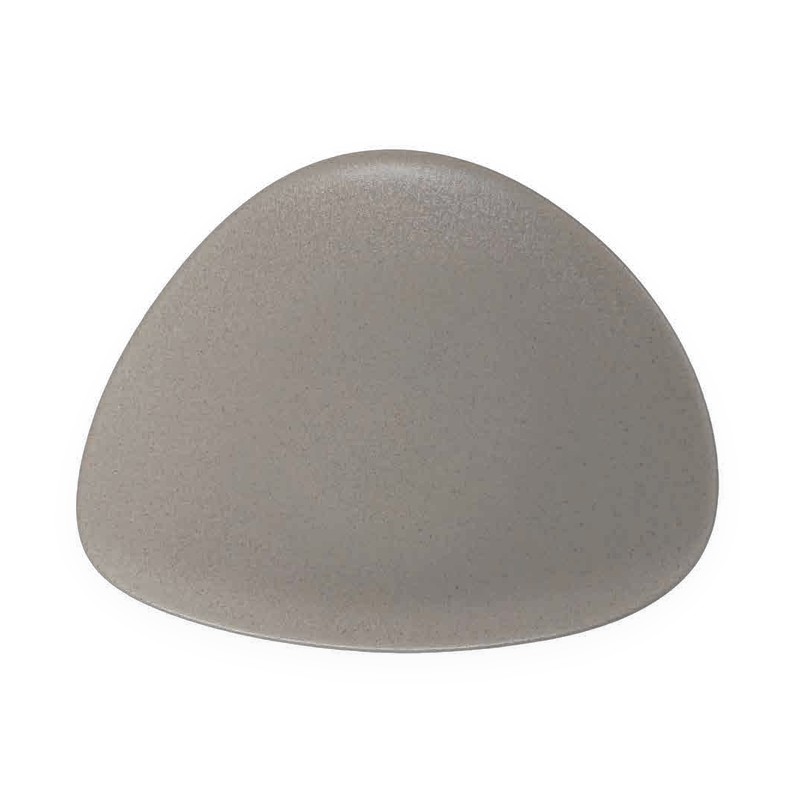
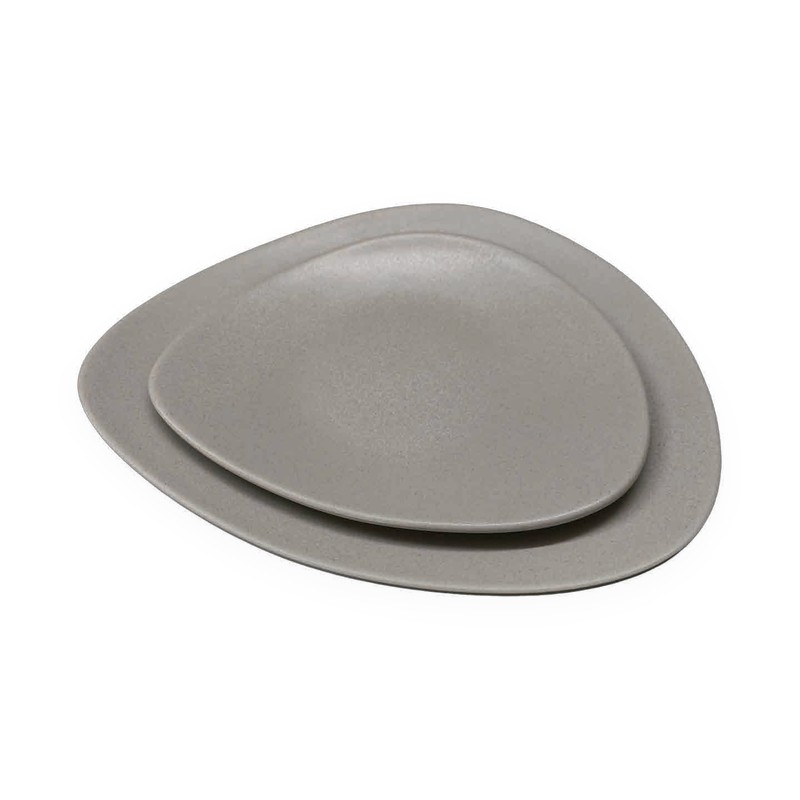
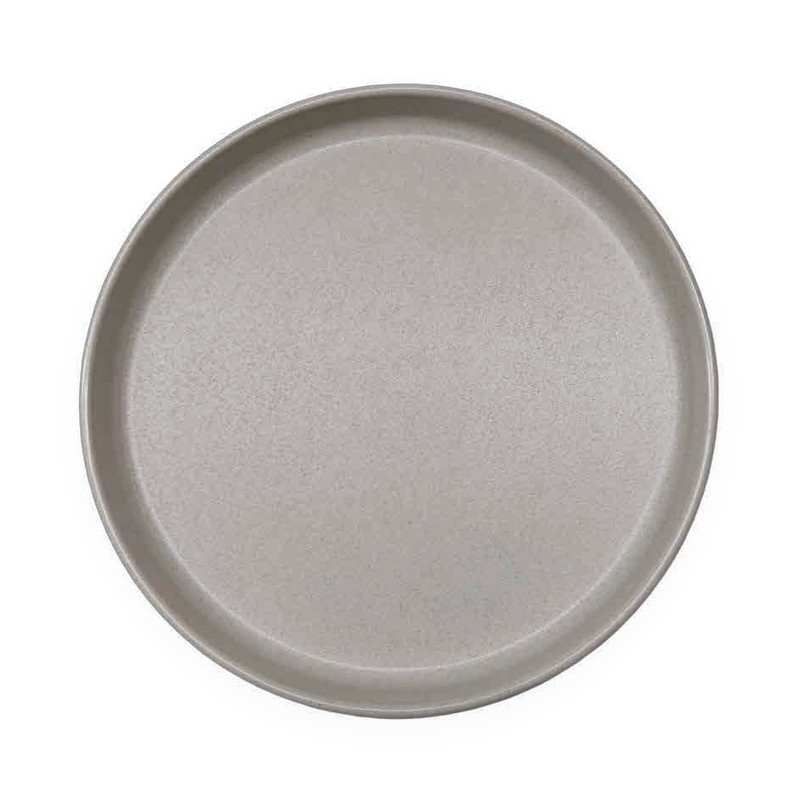
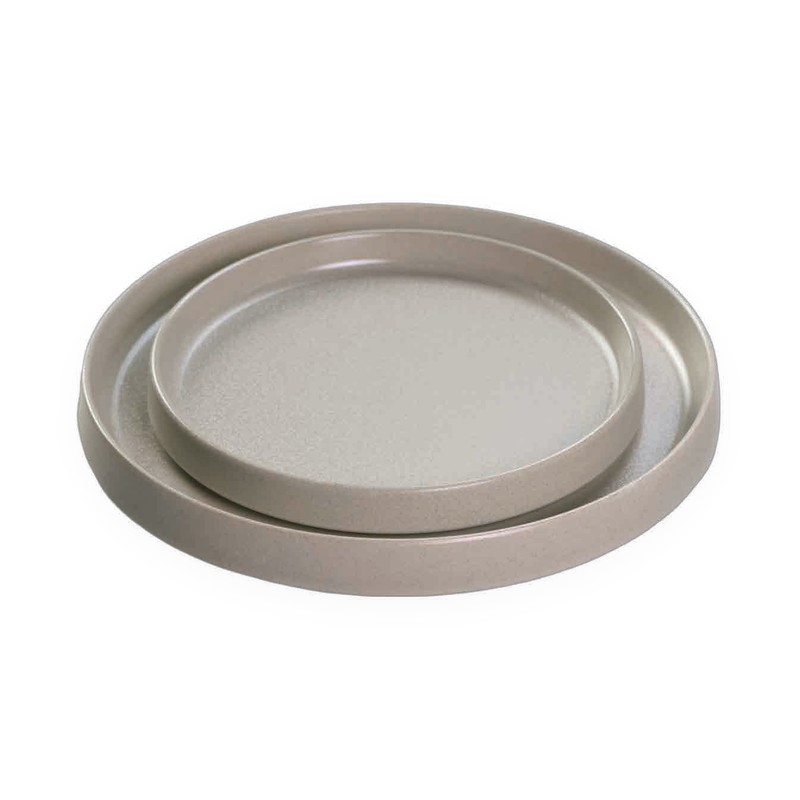
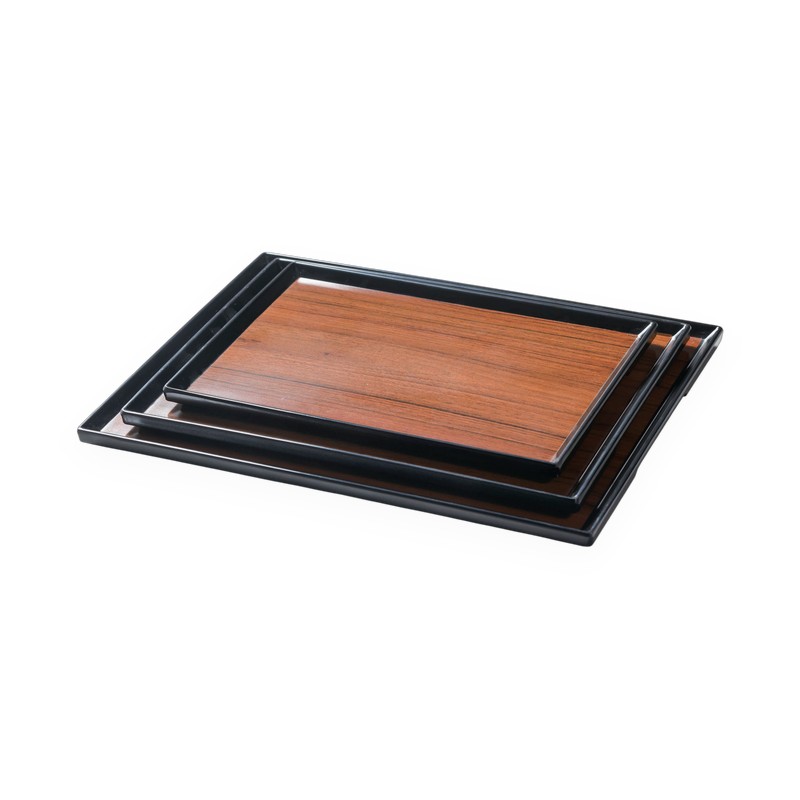
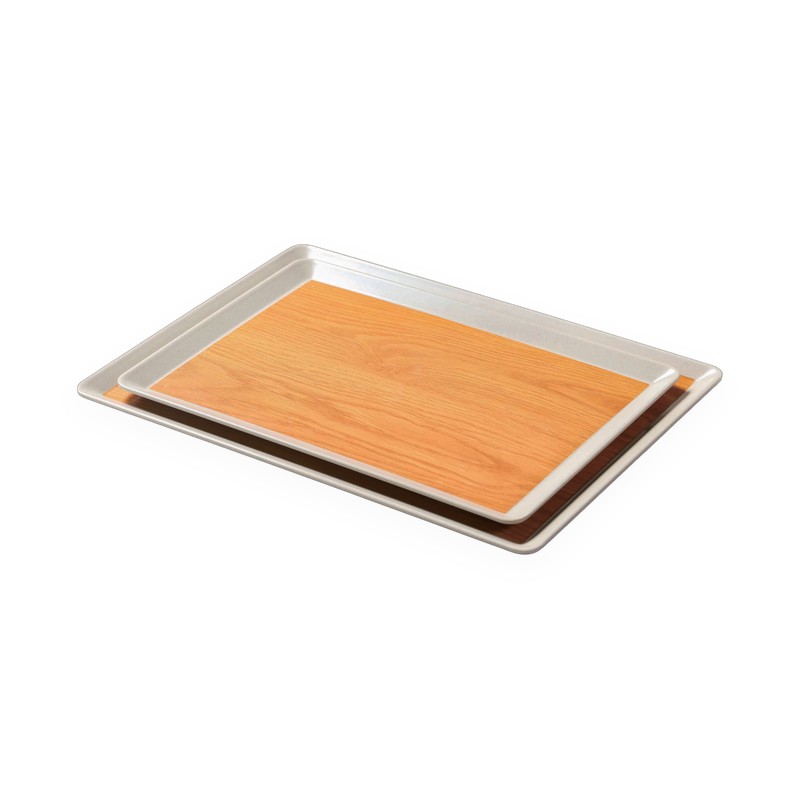
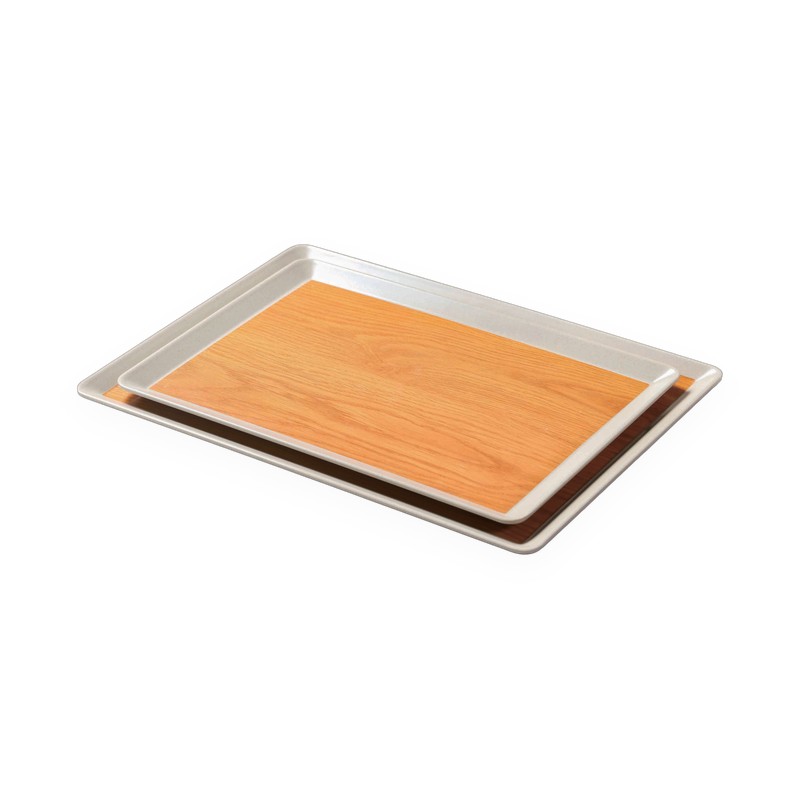
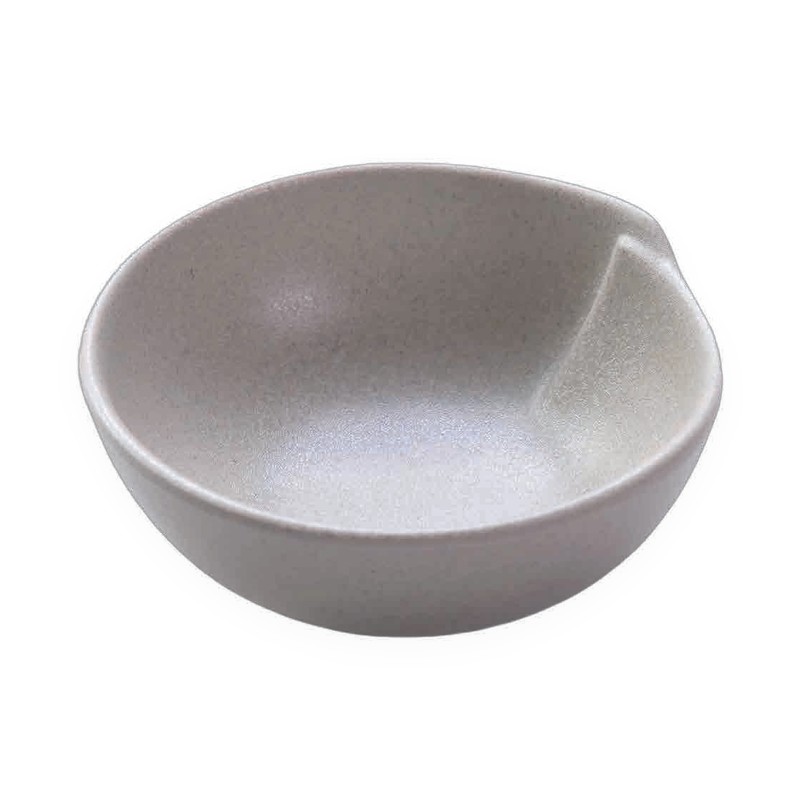
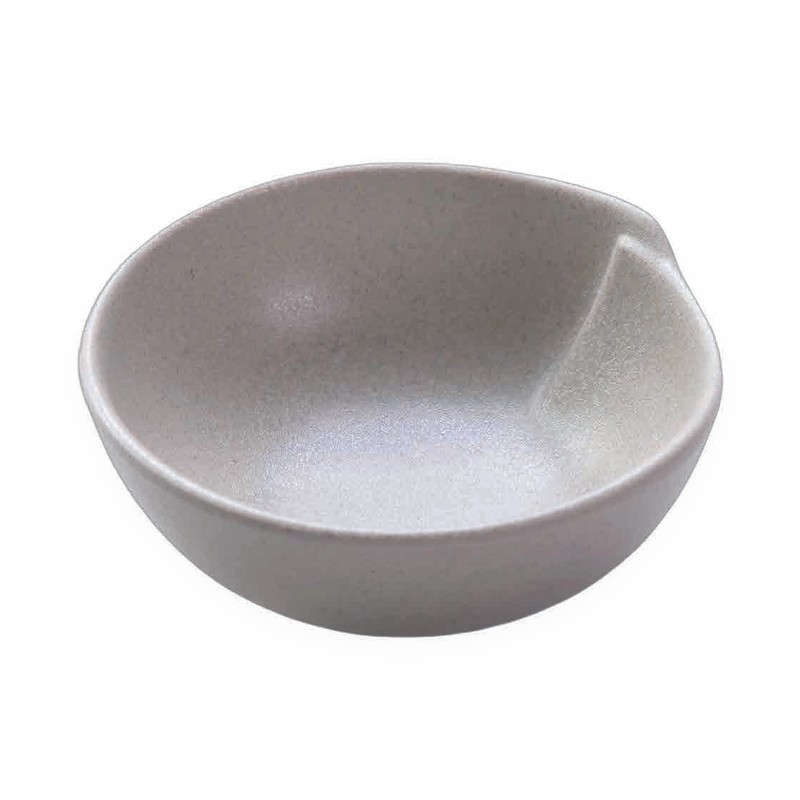
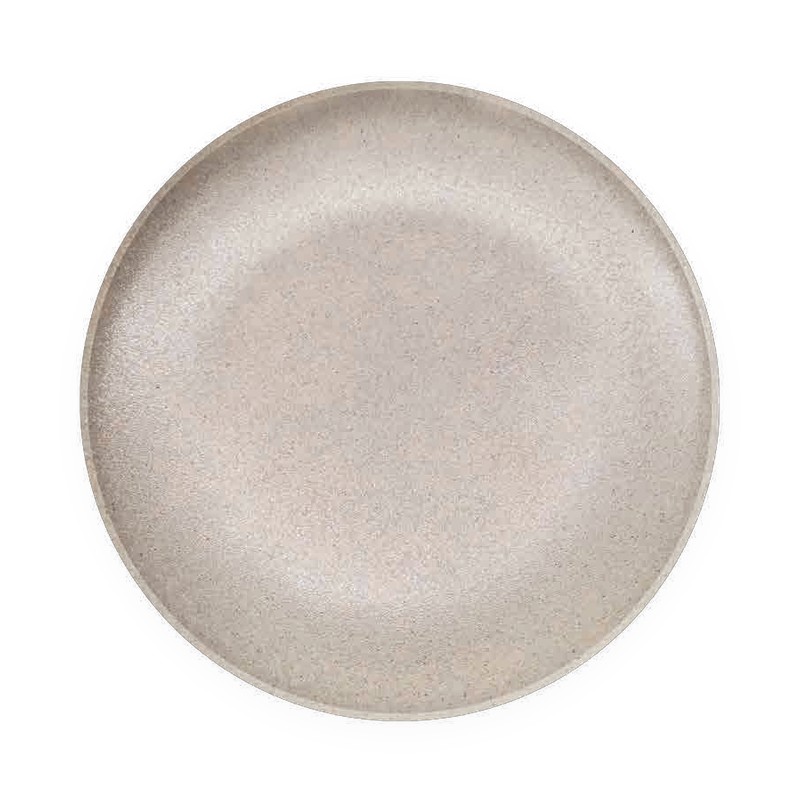
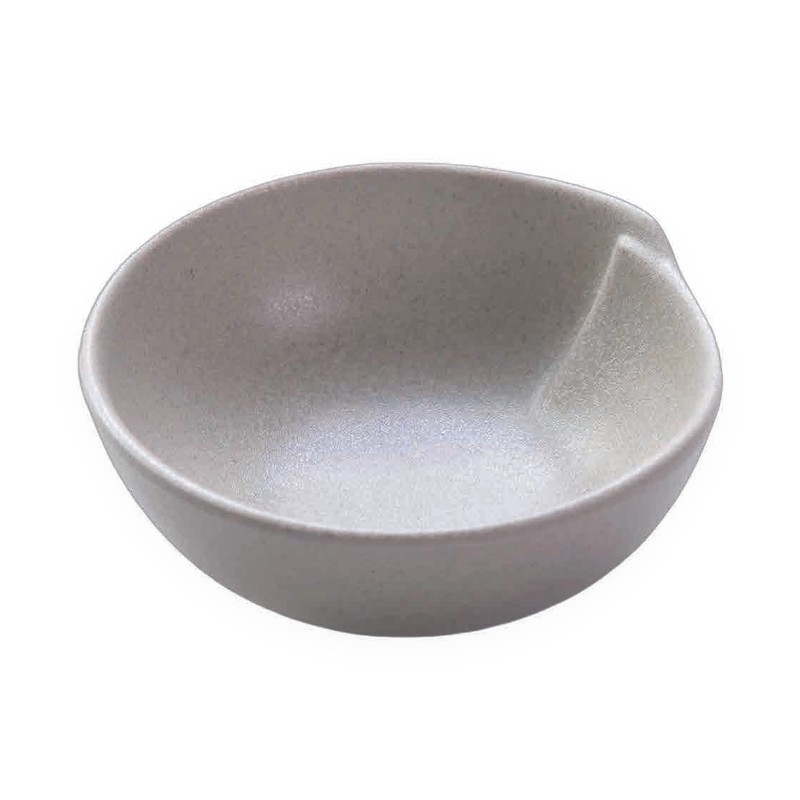
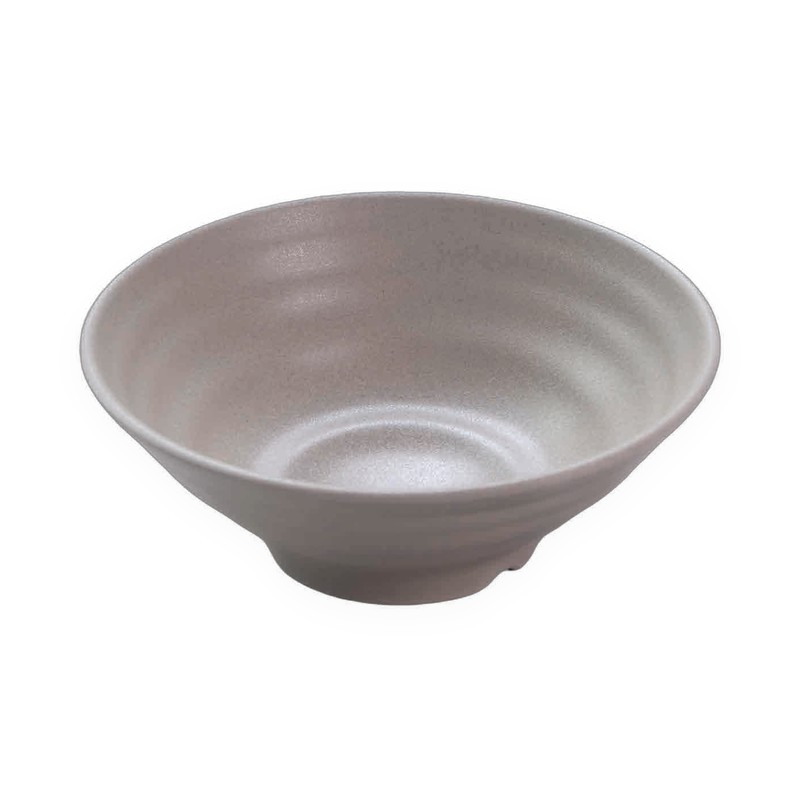
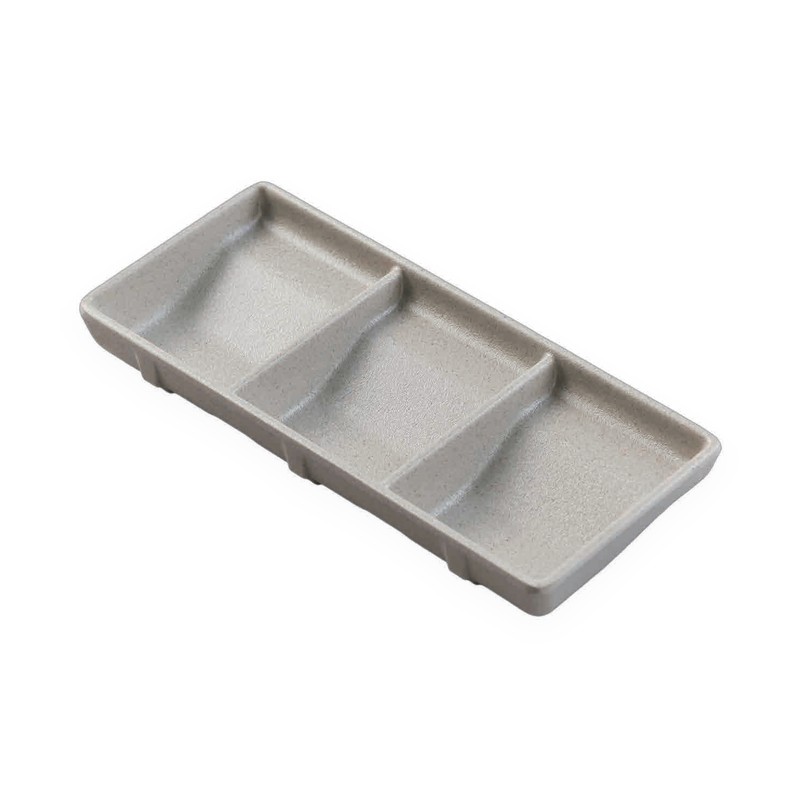
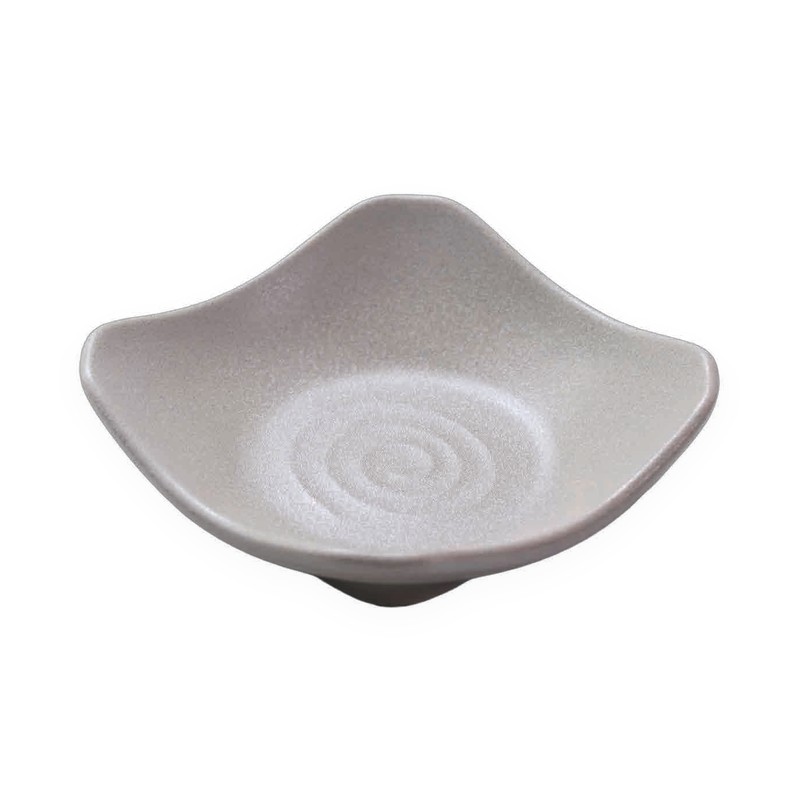
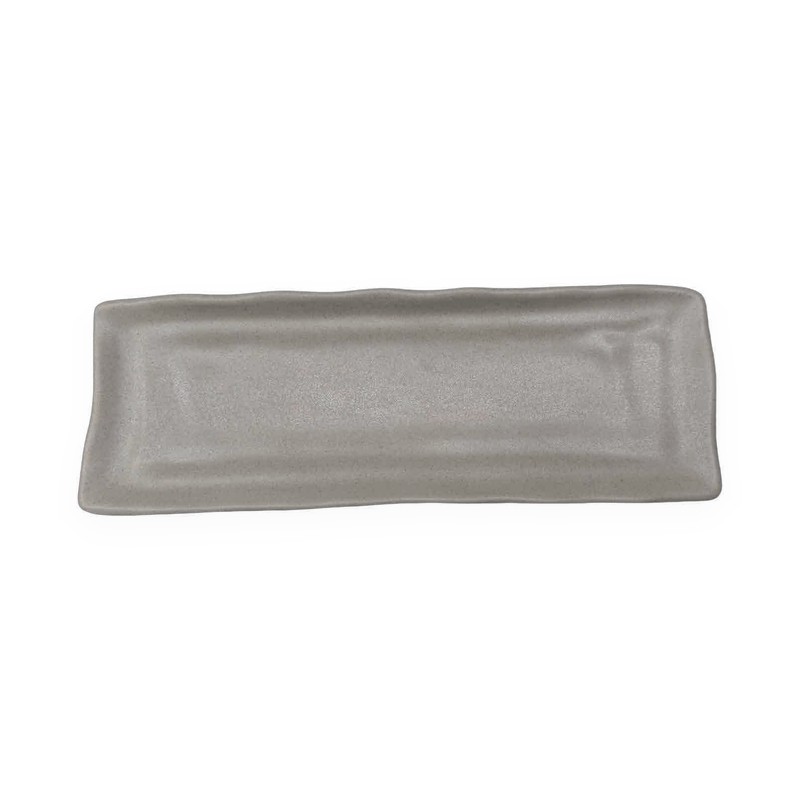
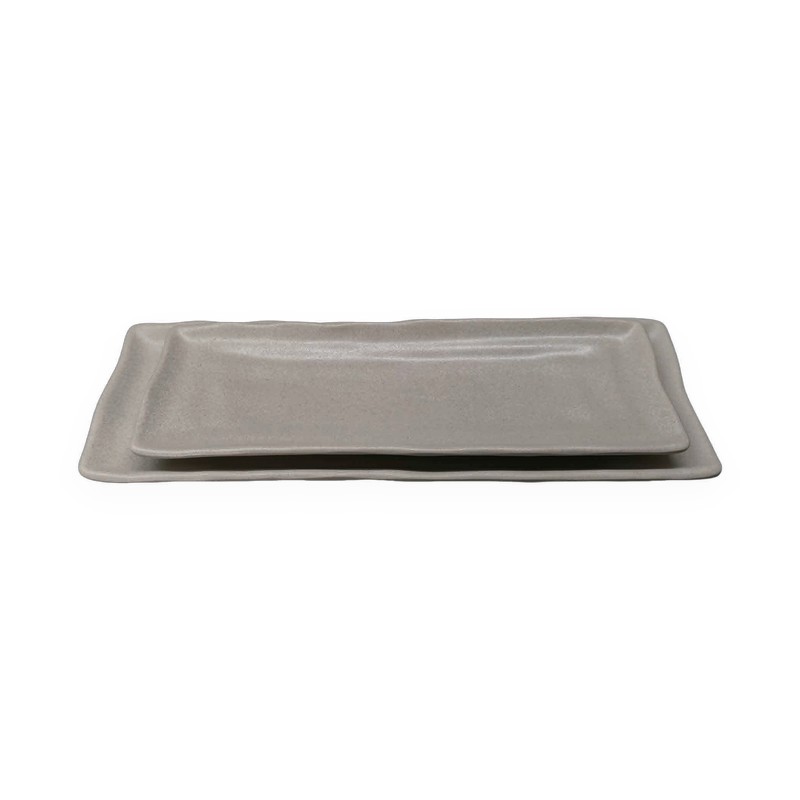
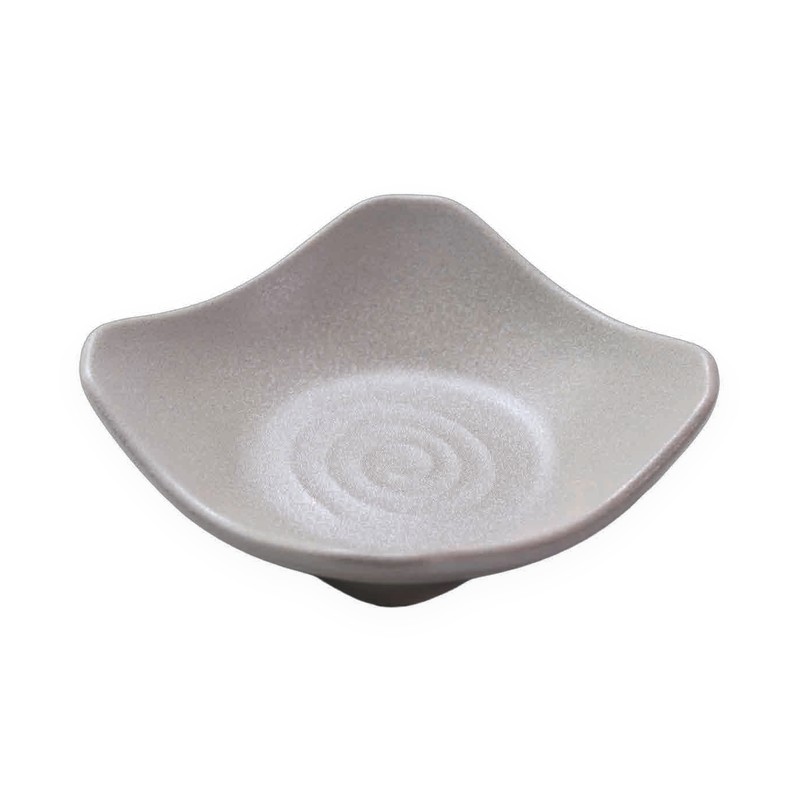
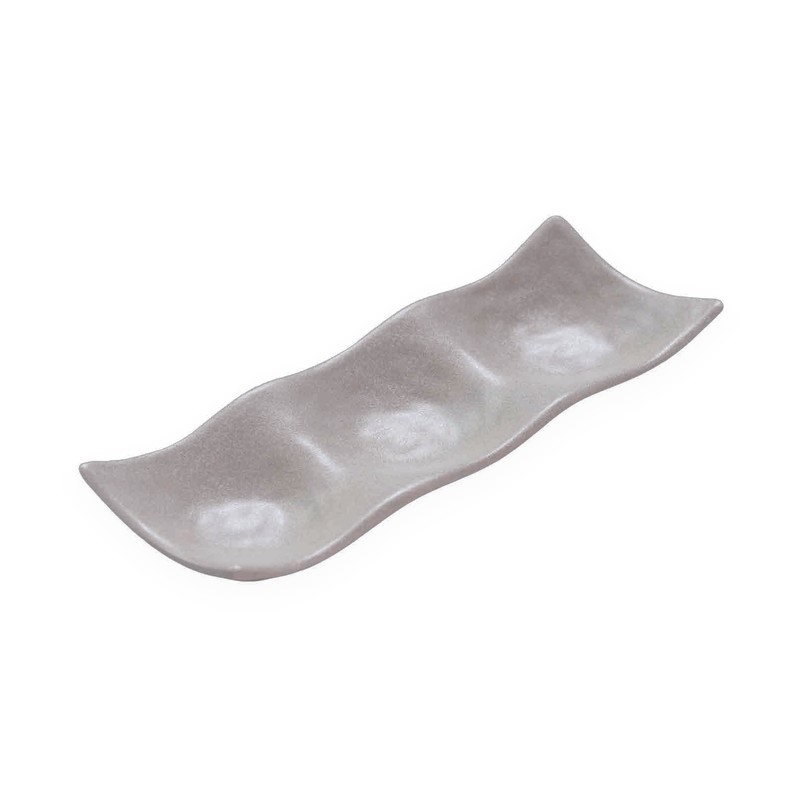
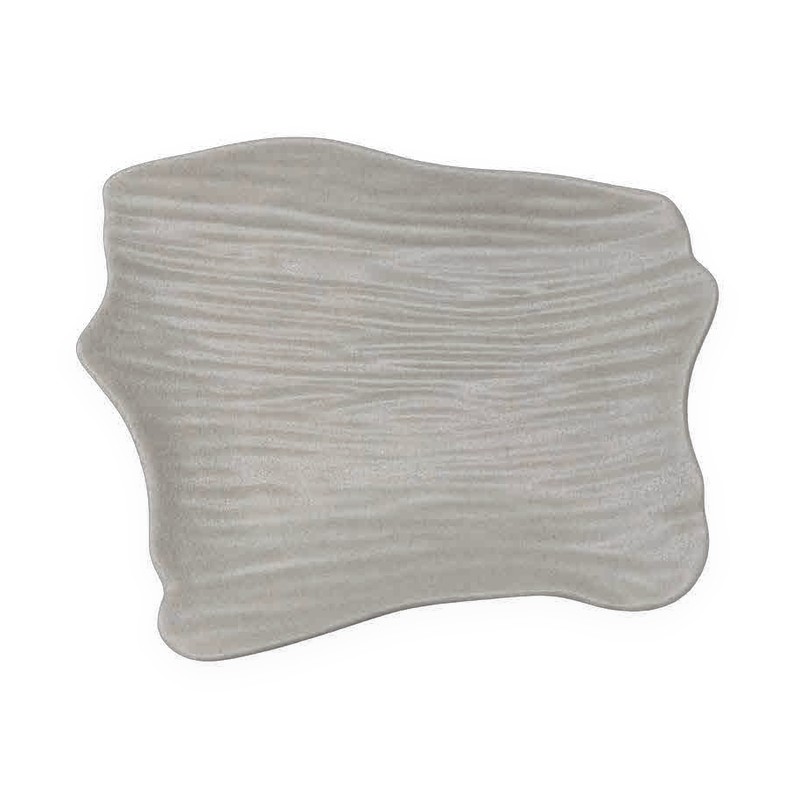
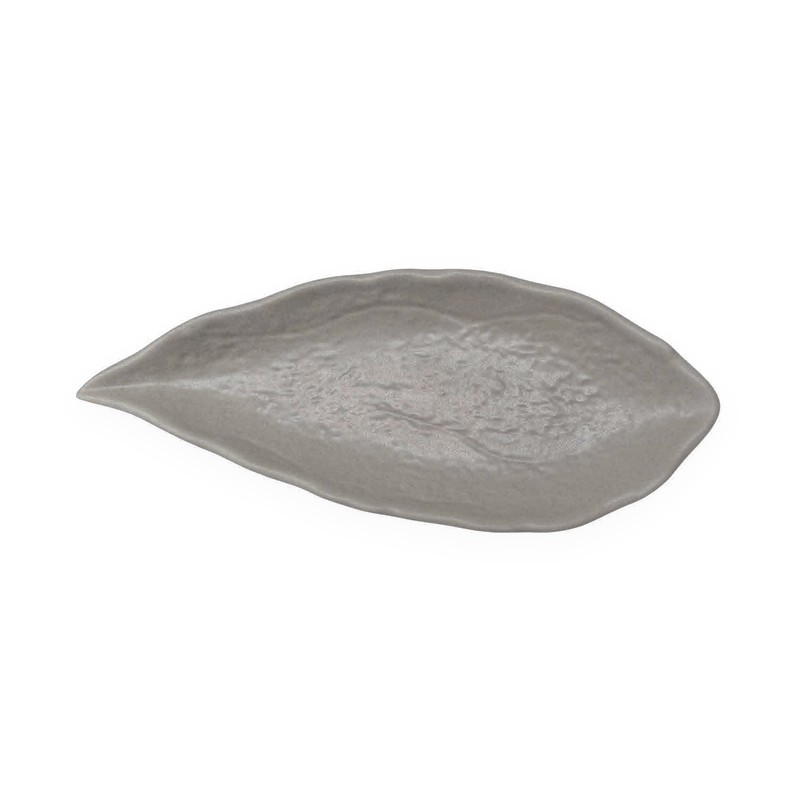
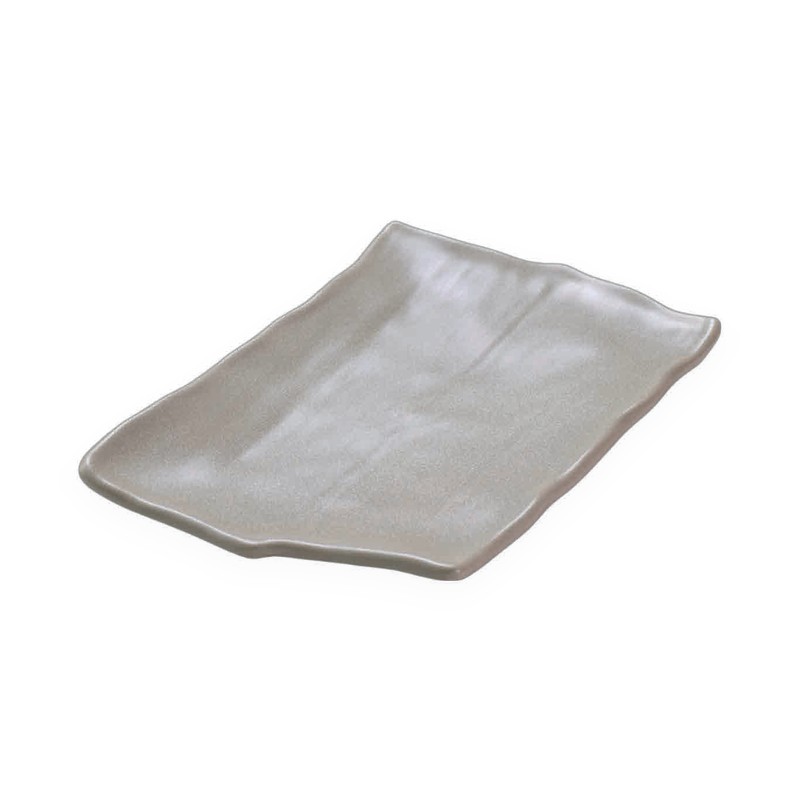
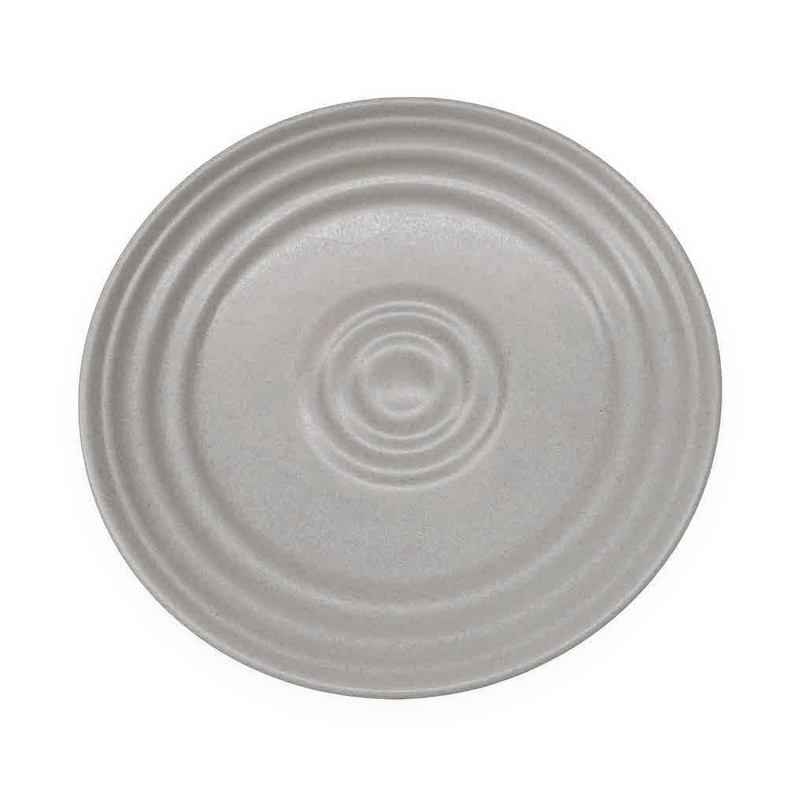
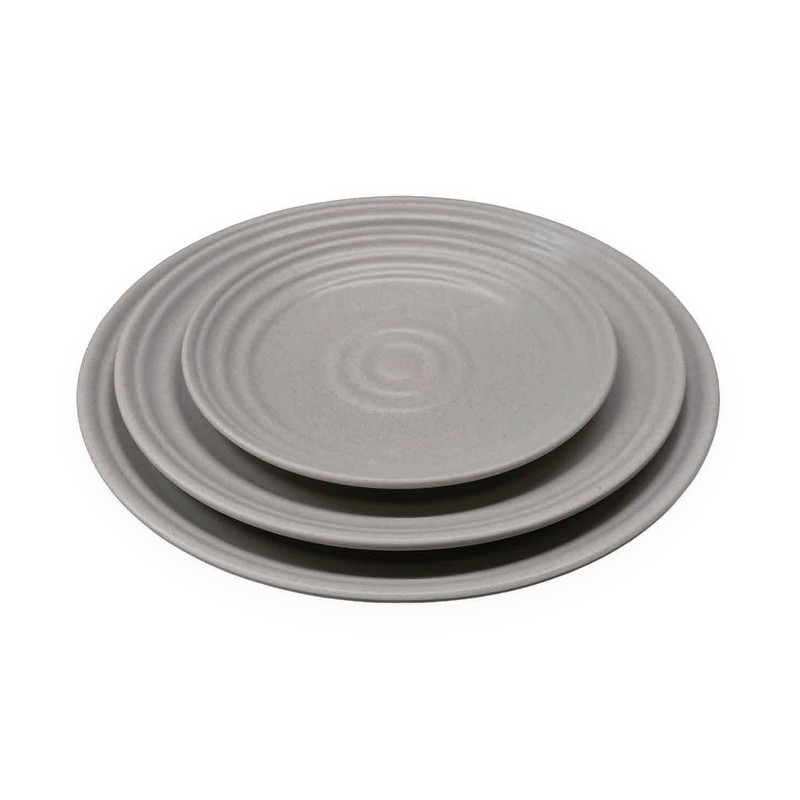
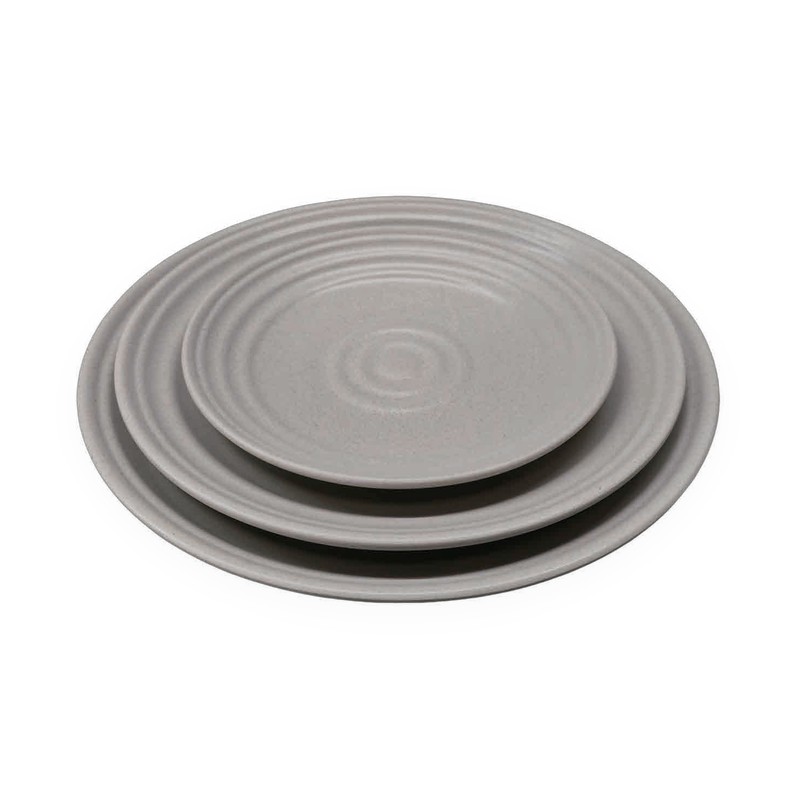
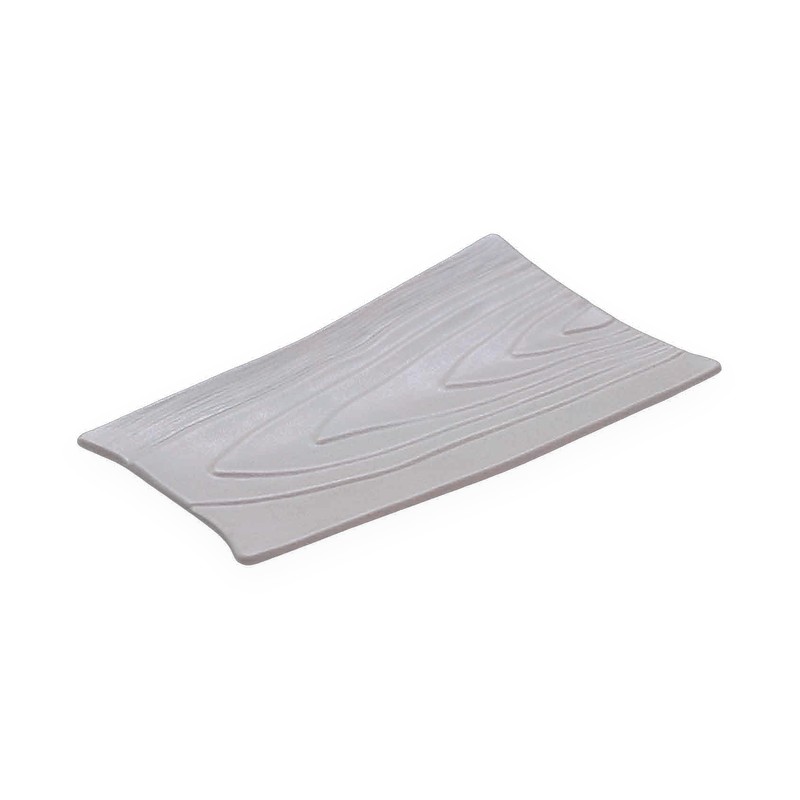
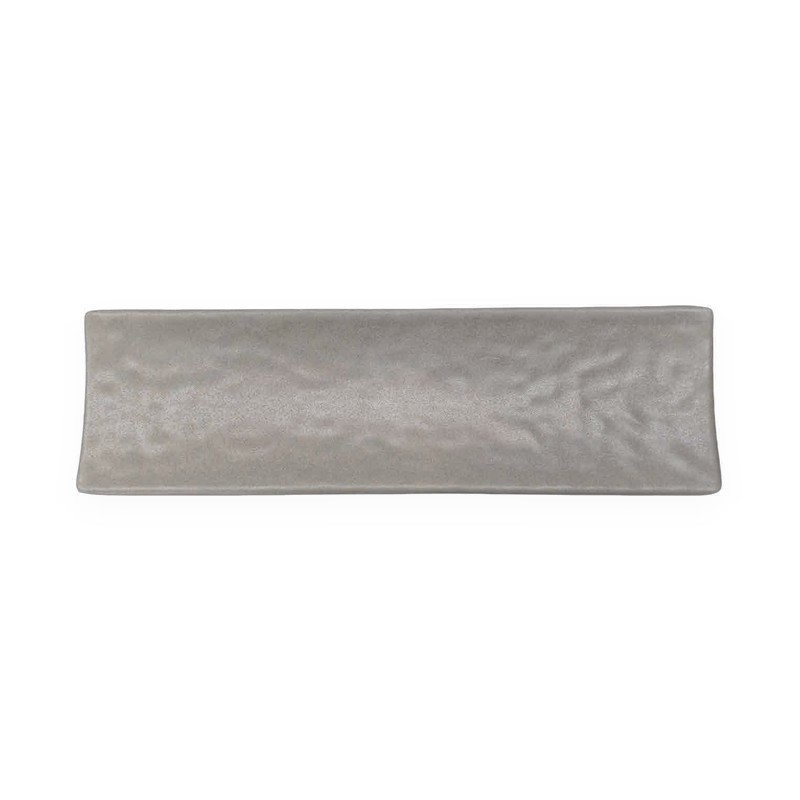
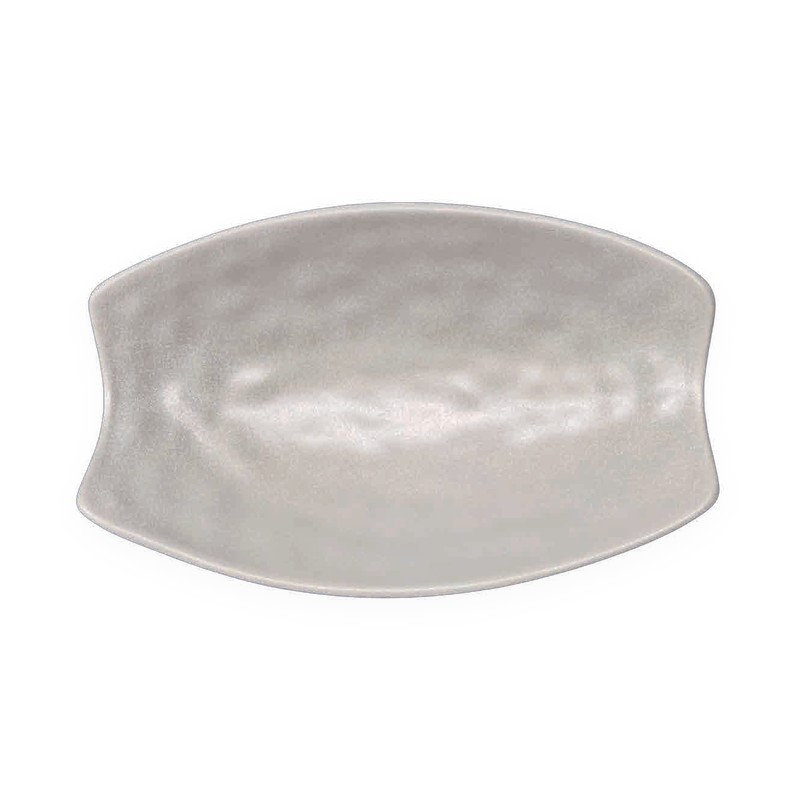
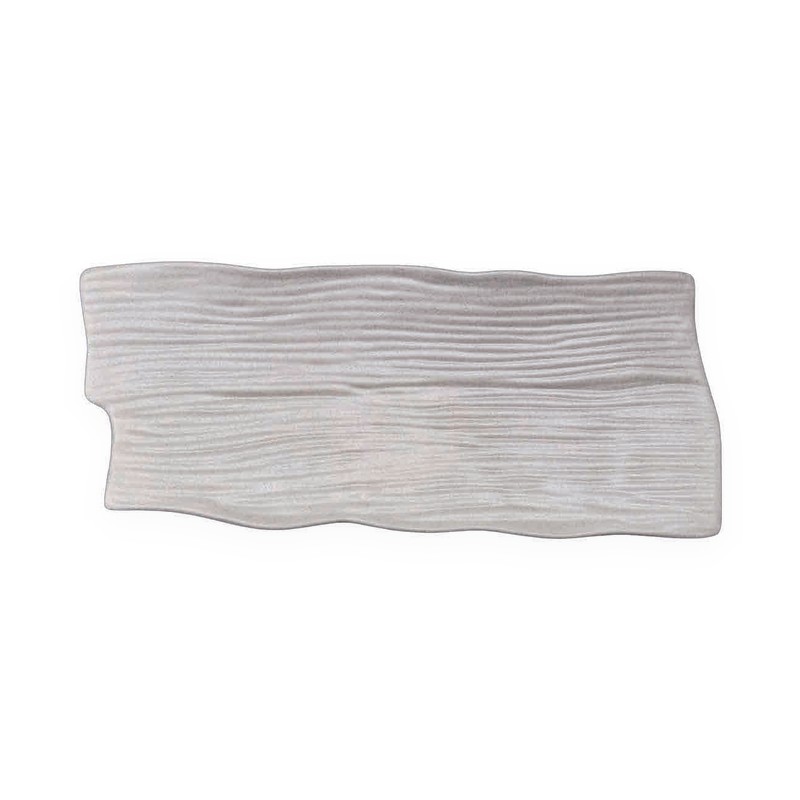
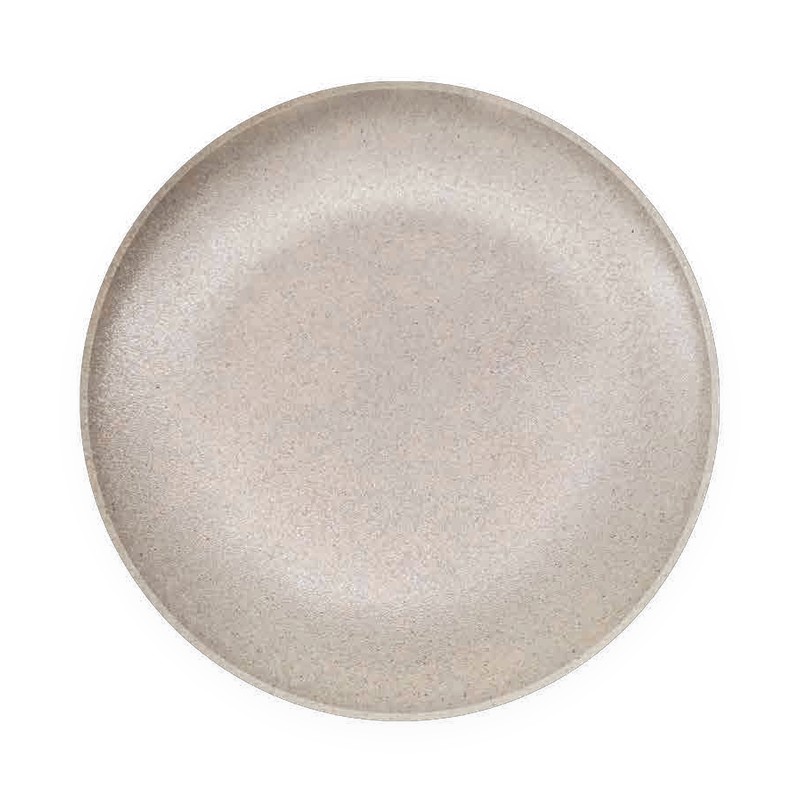
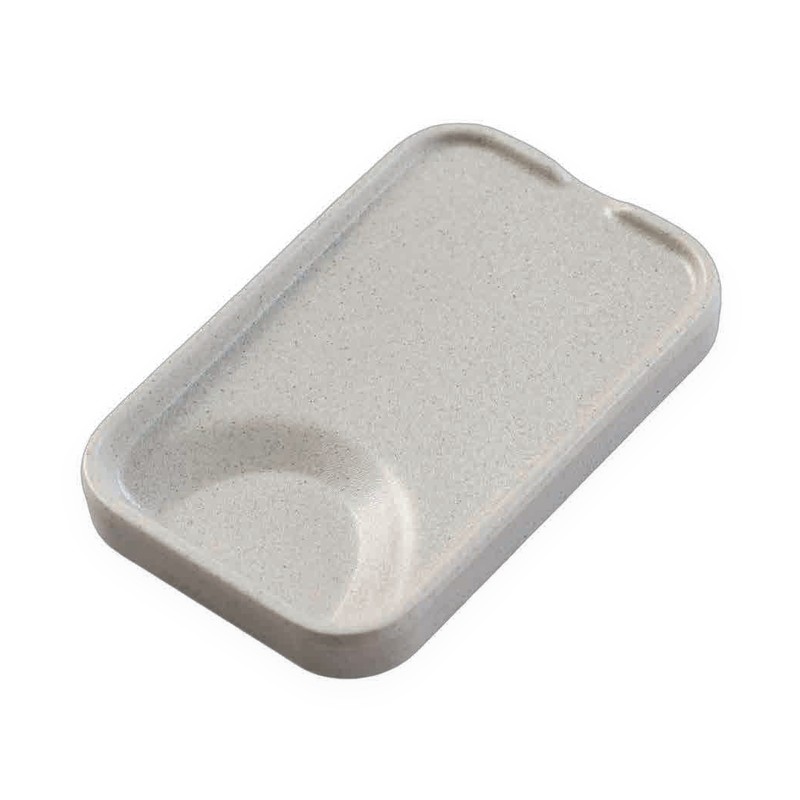
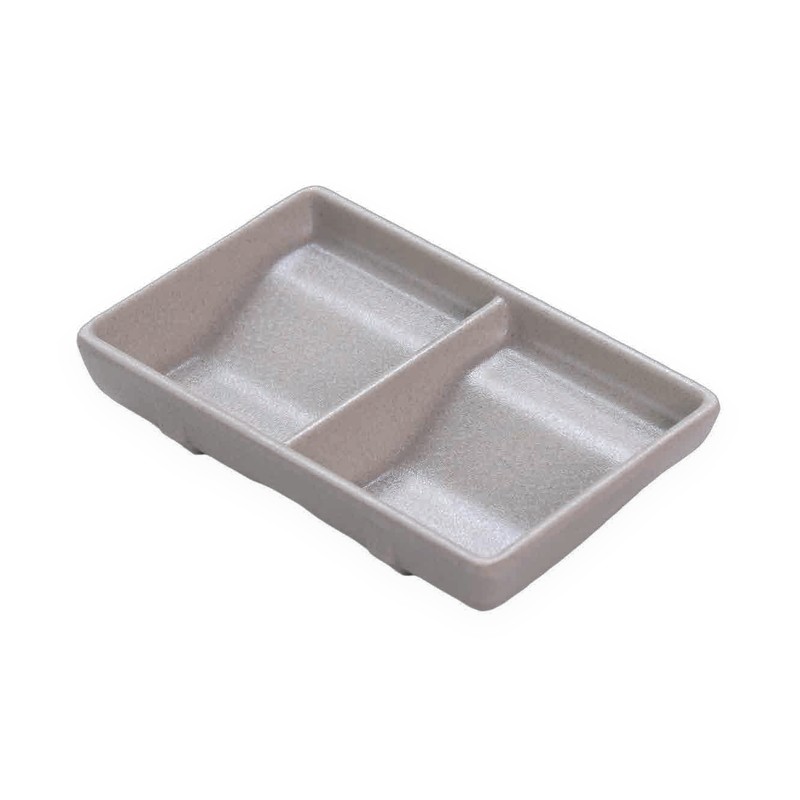
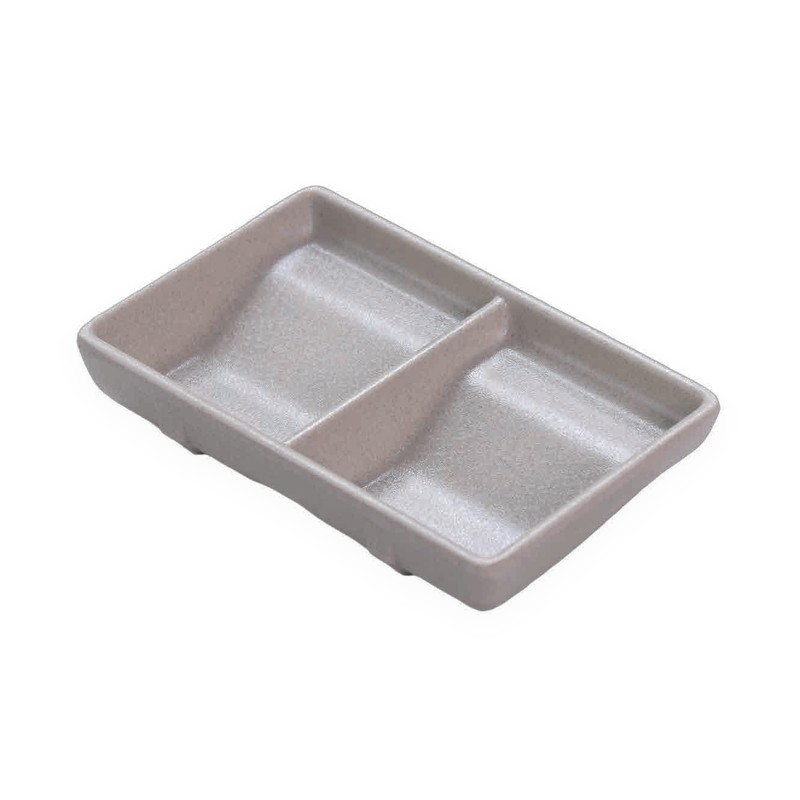
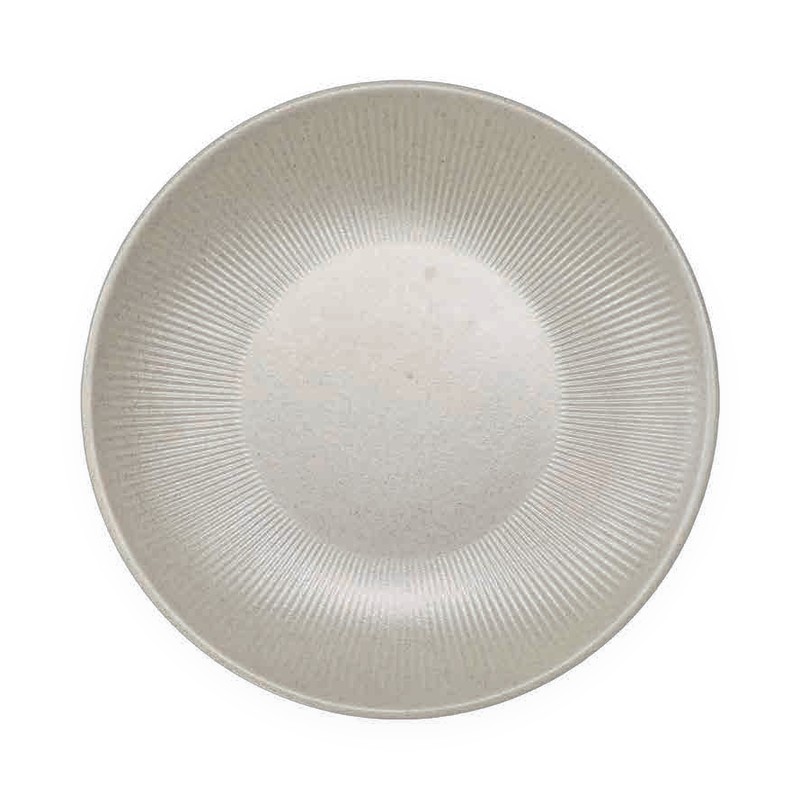
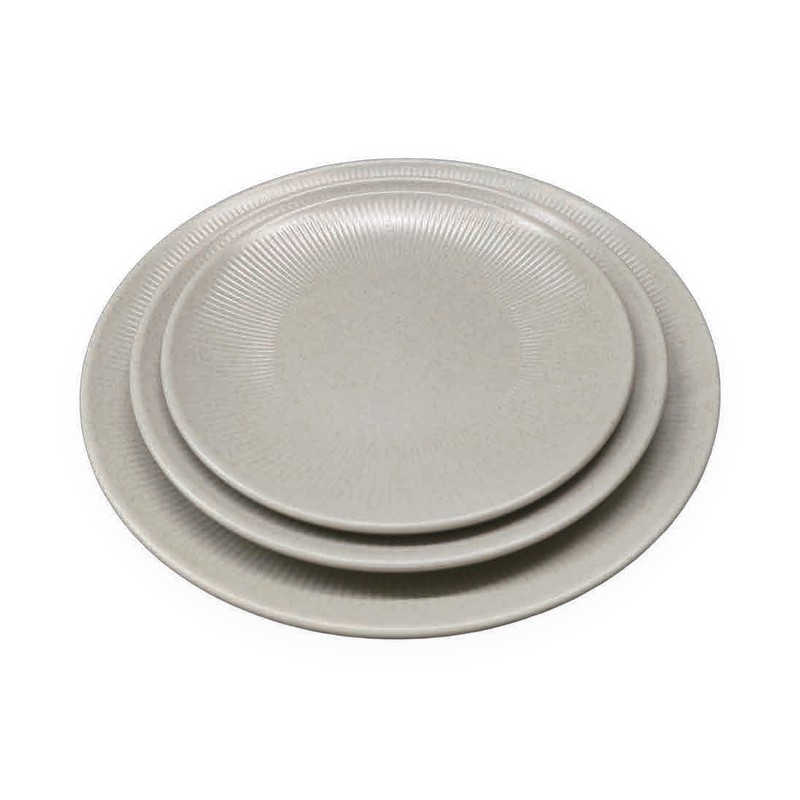
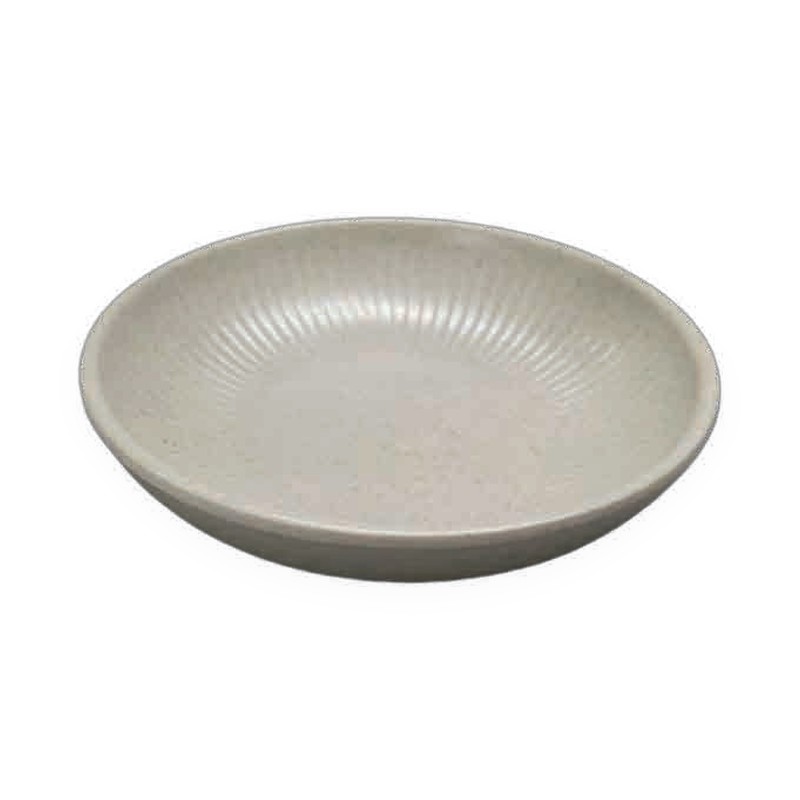
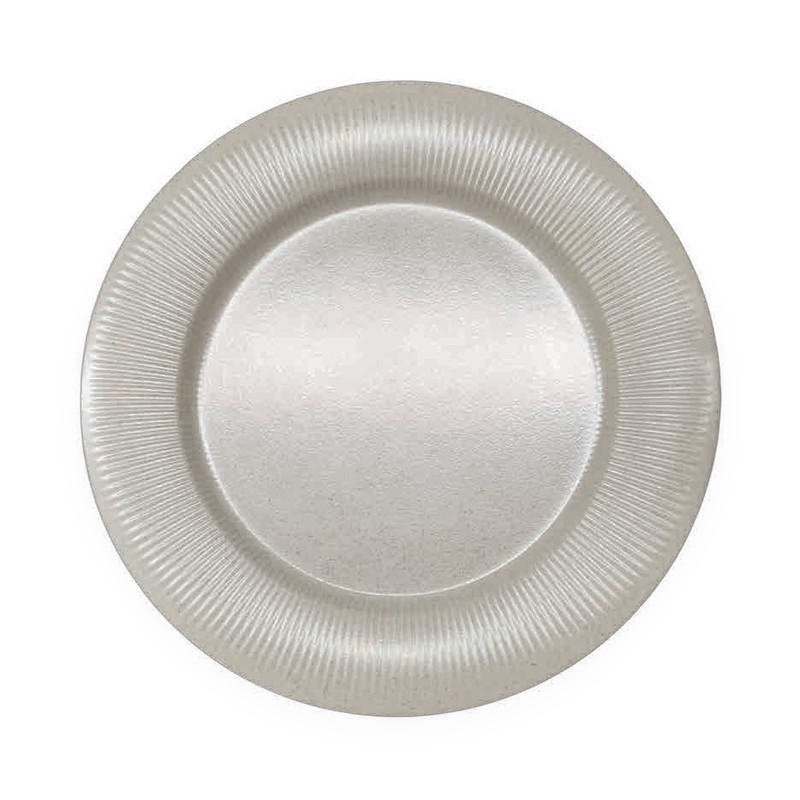
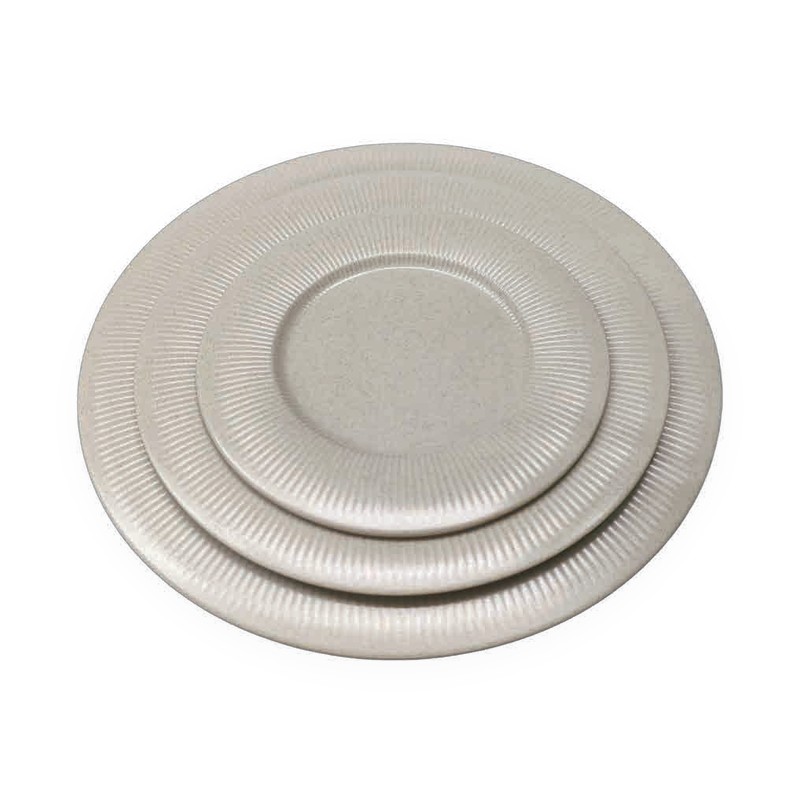
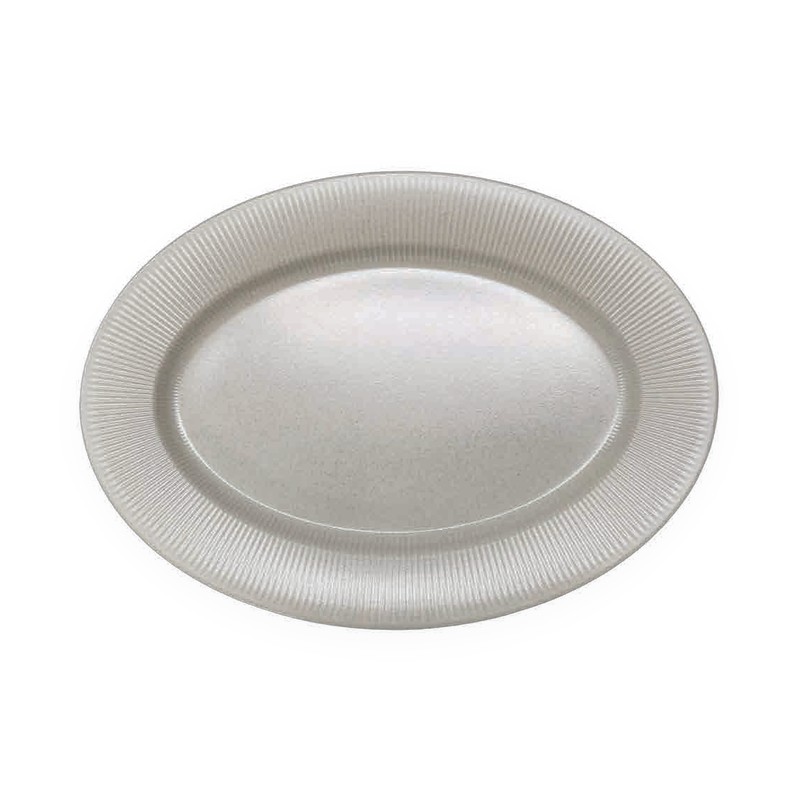
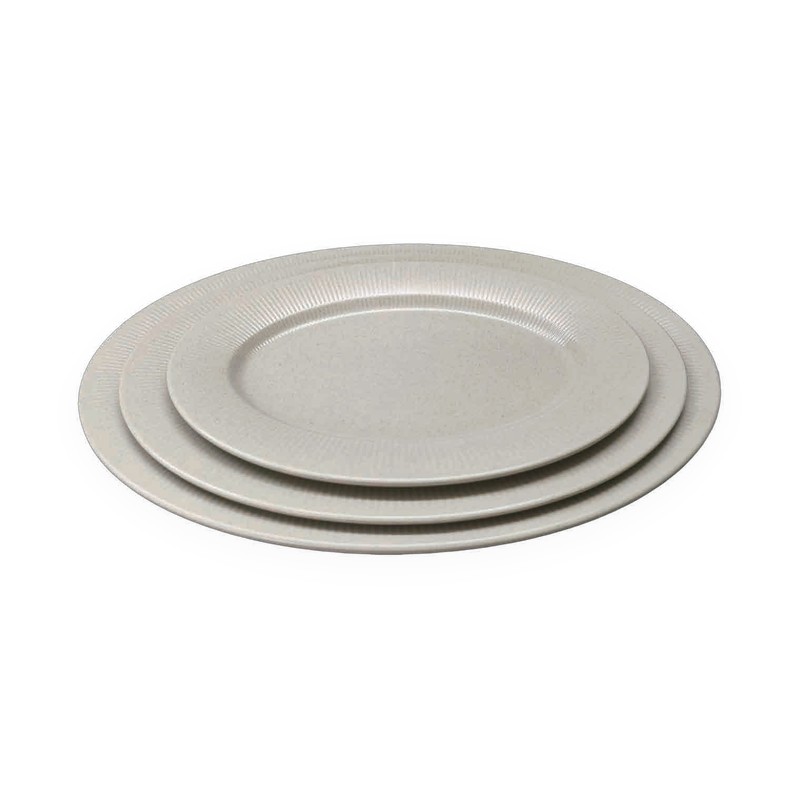
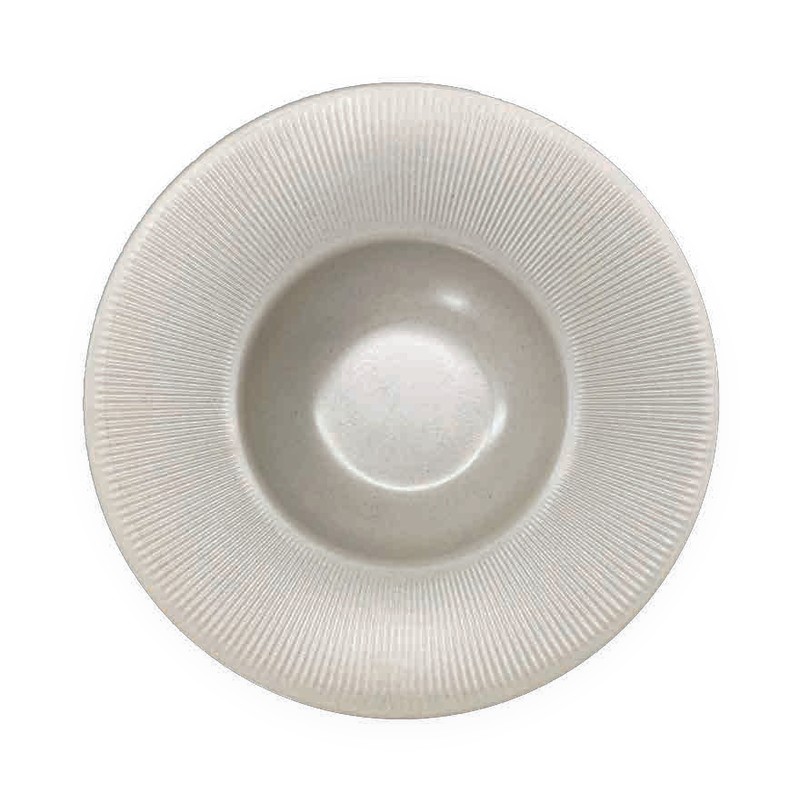
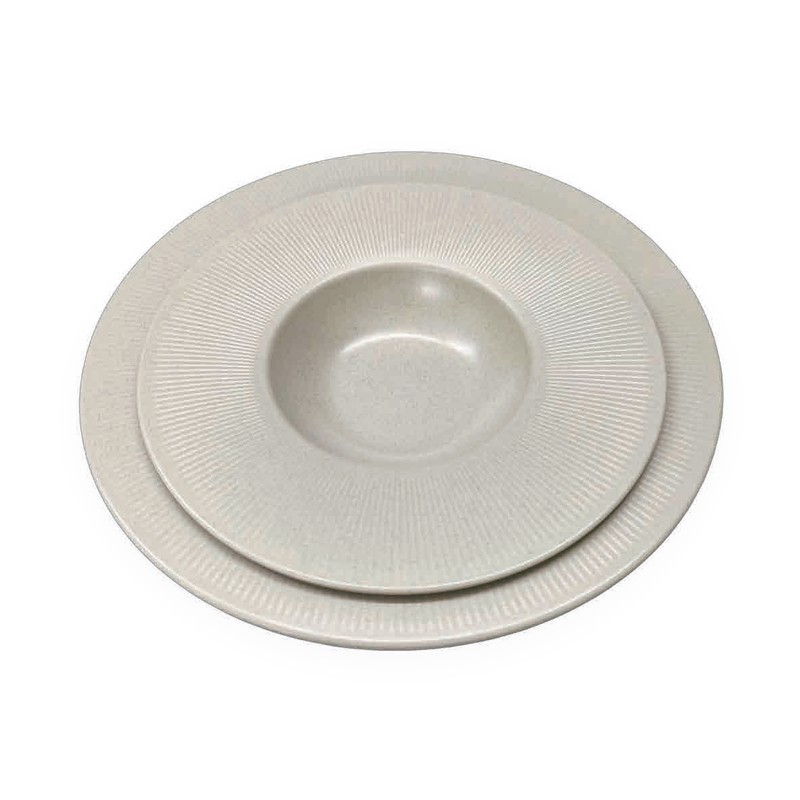
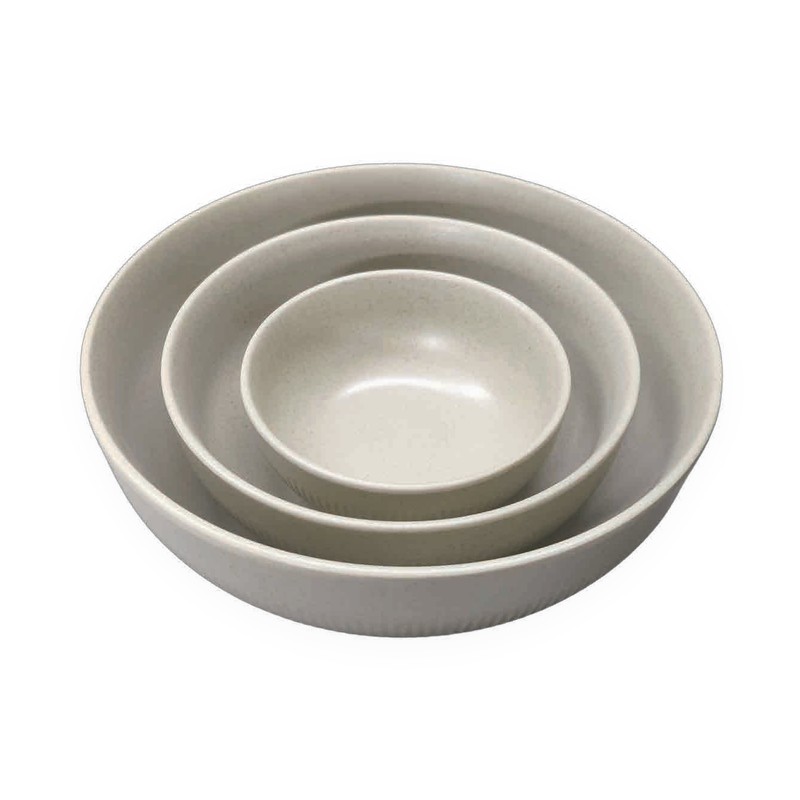
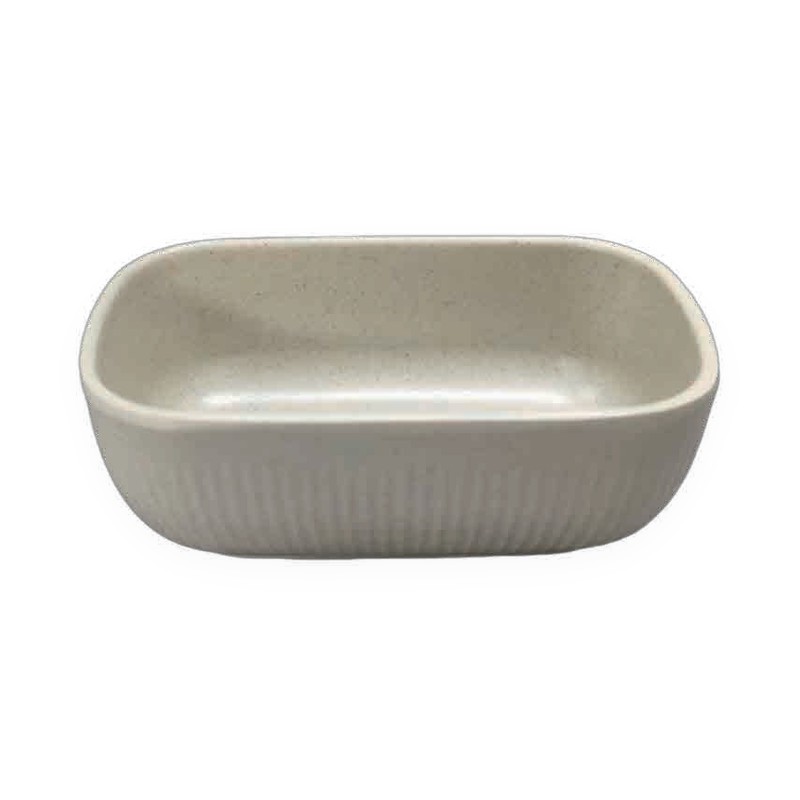
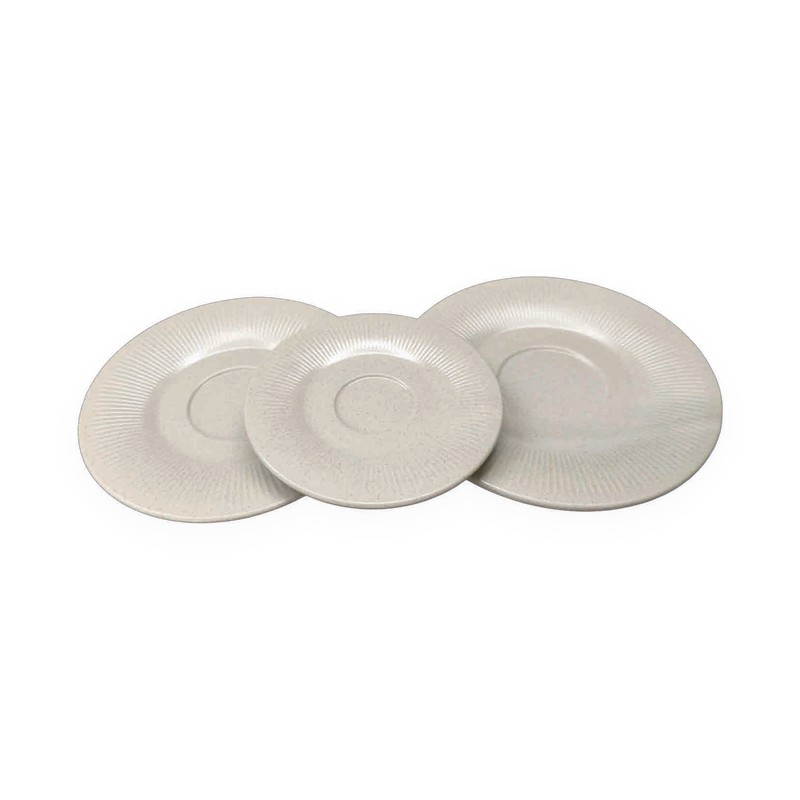
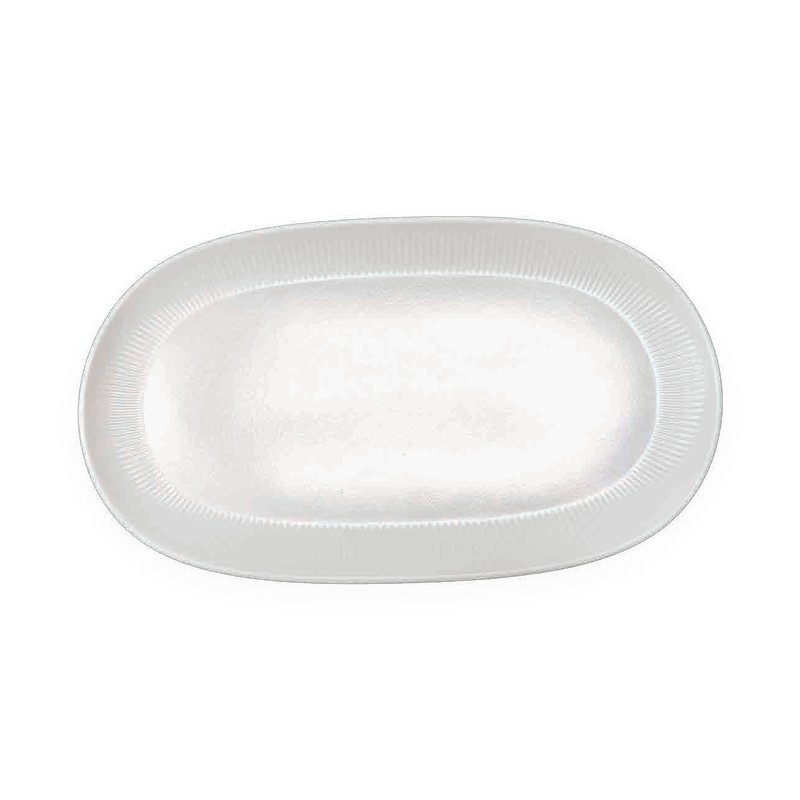
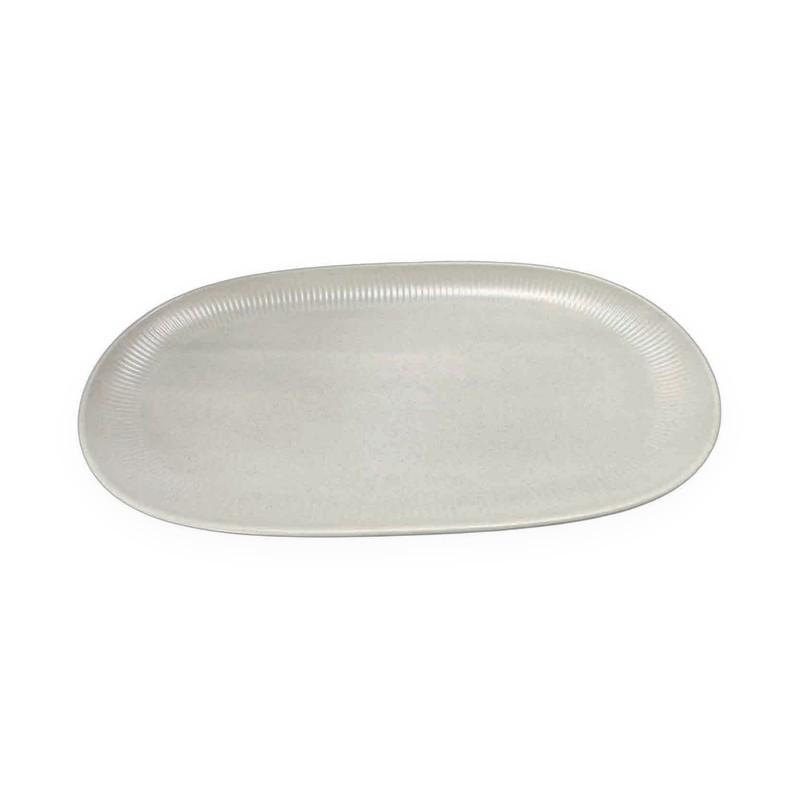
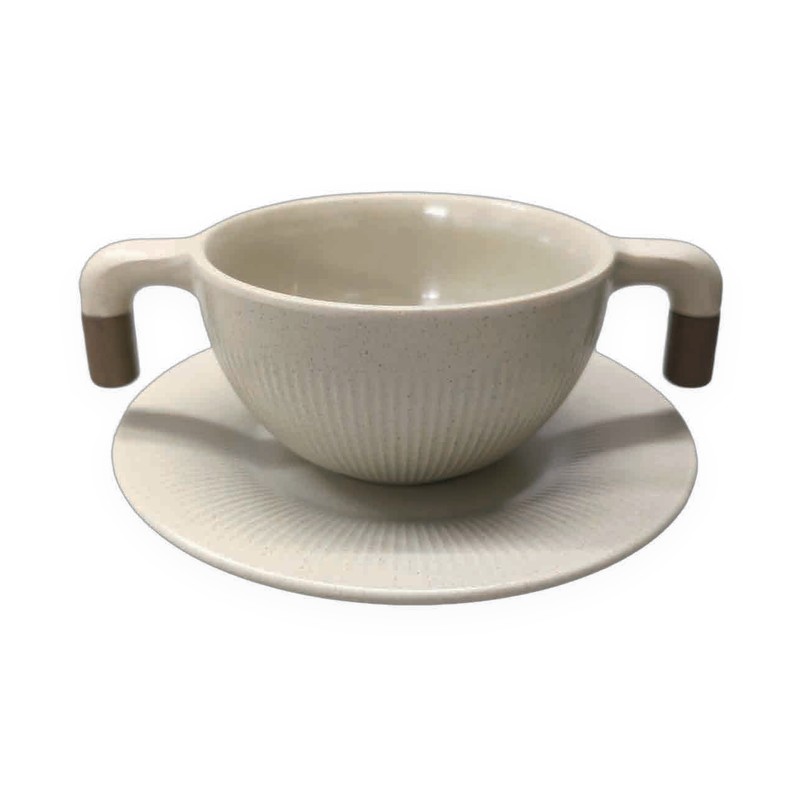
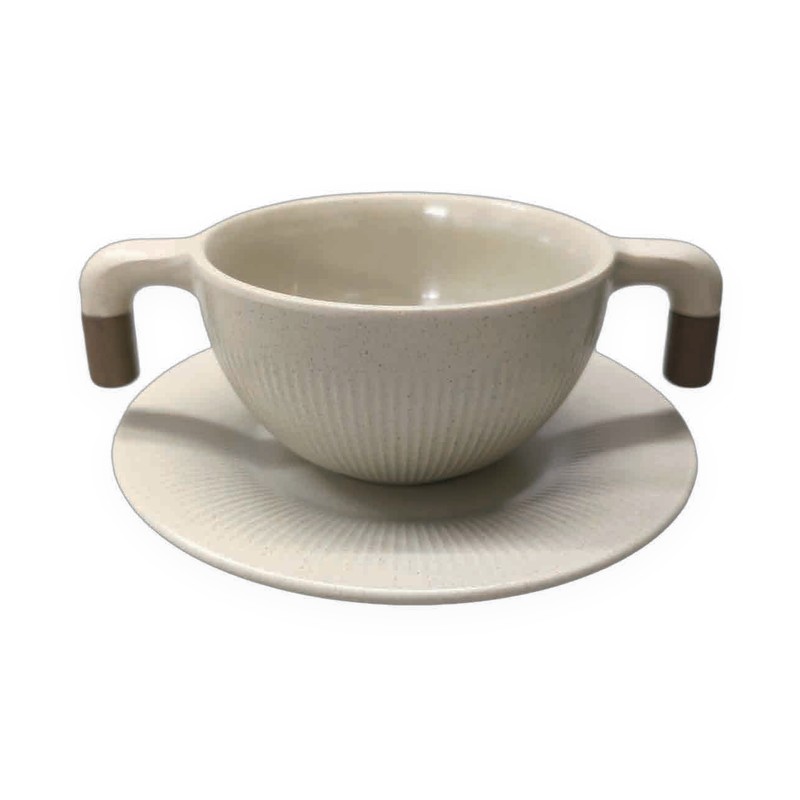
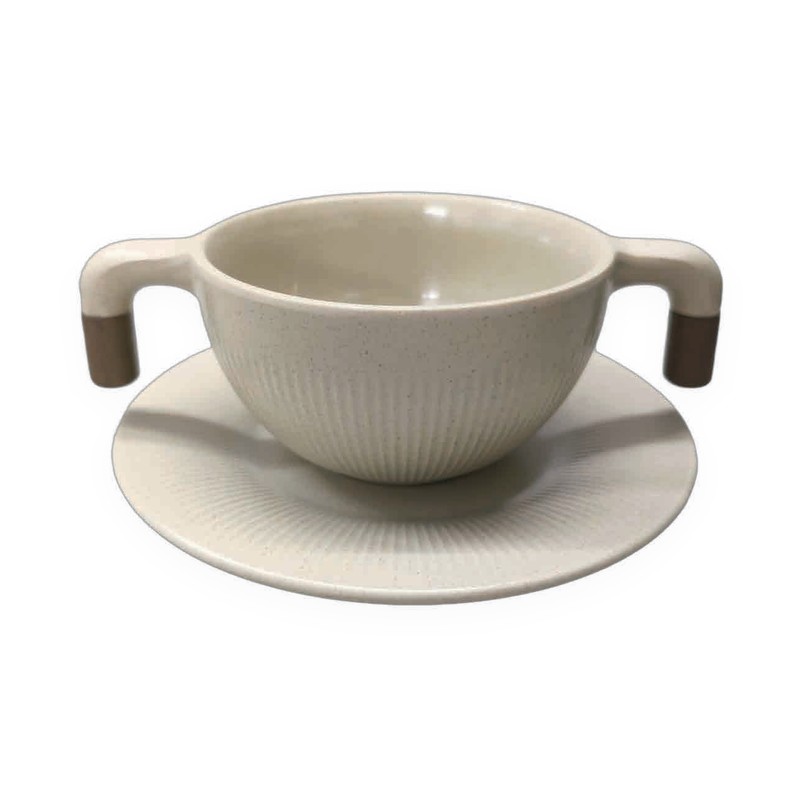
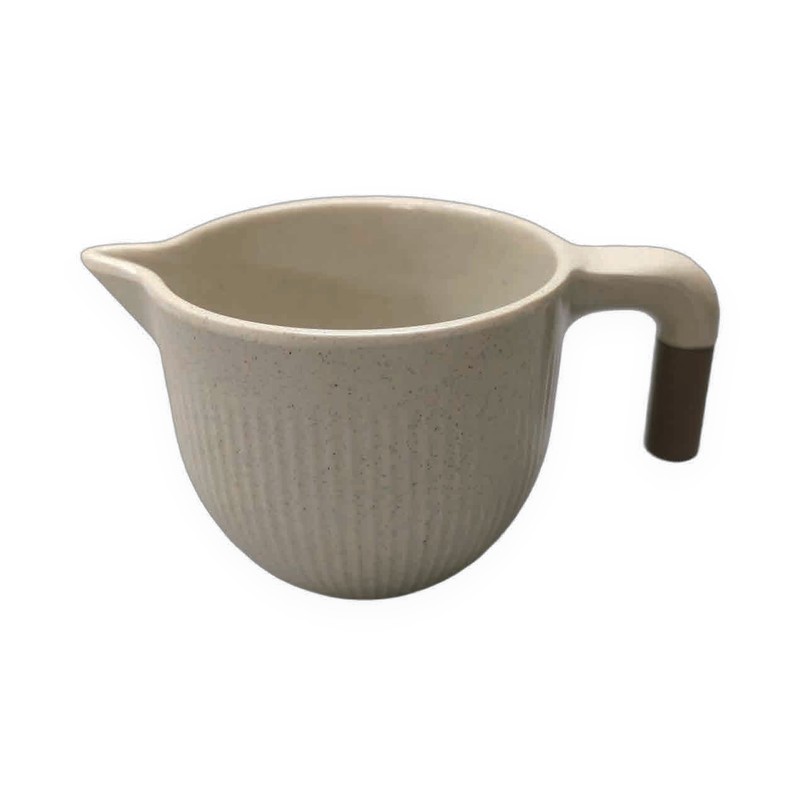
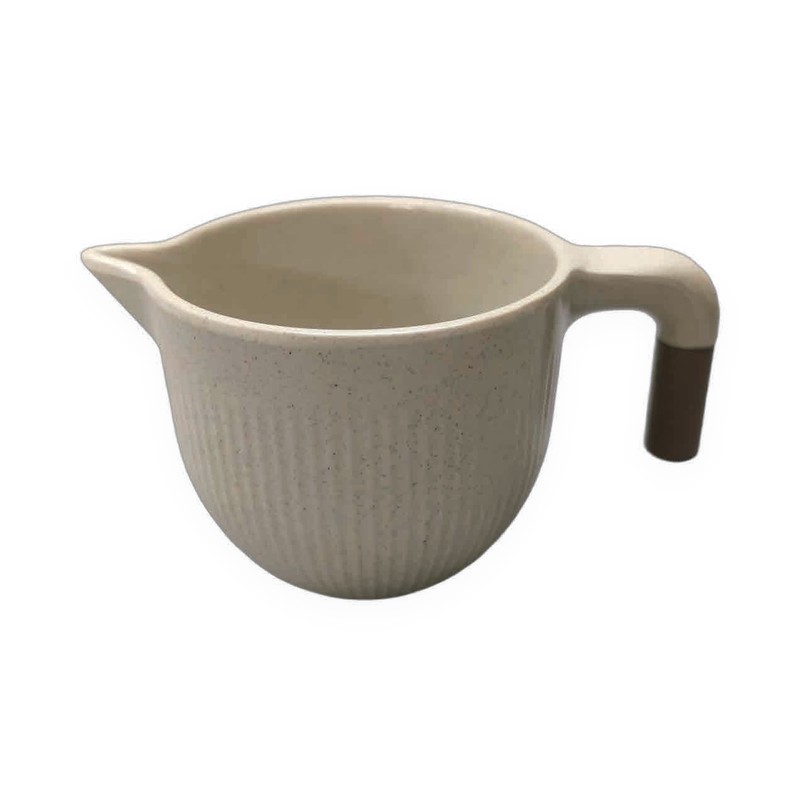
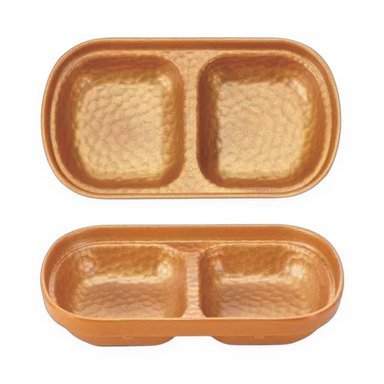 2201 单格碟
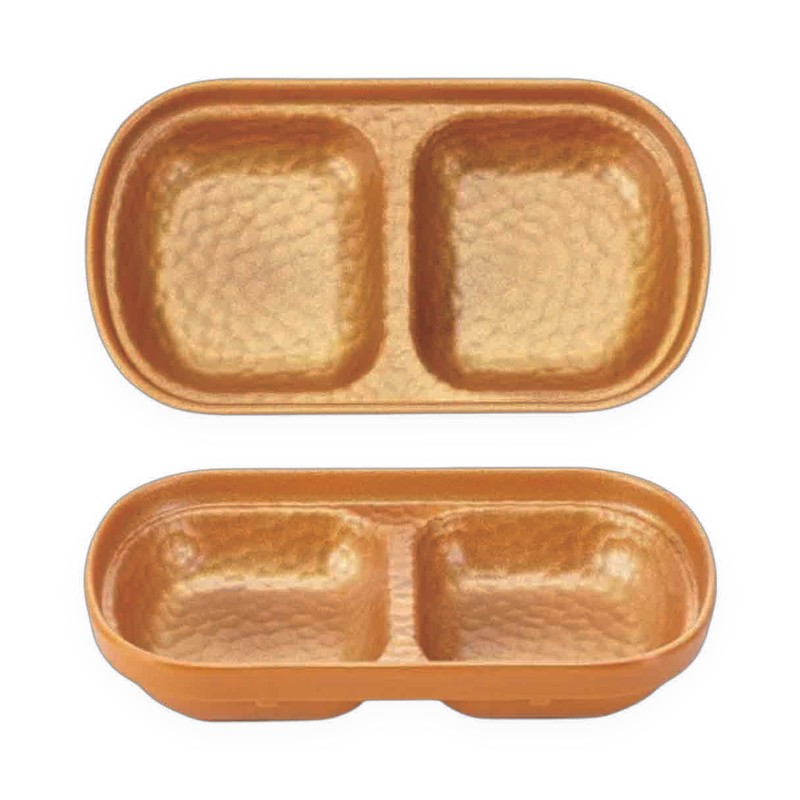
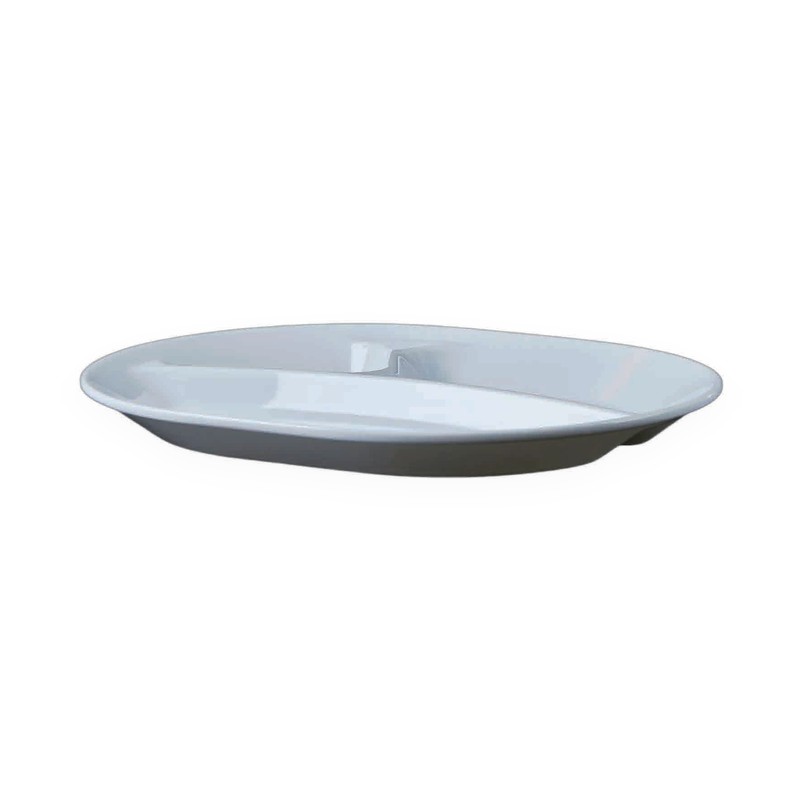
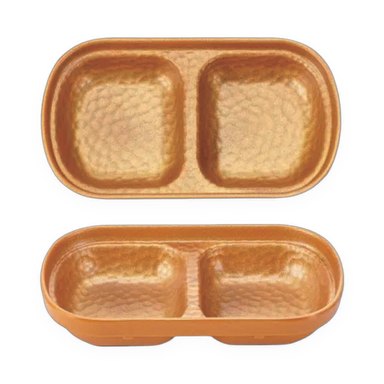 2202 双格碟
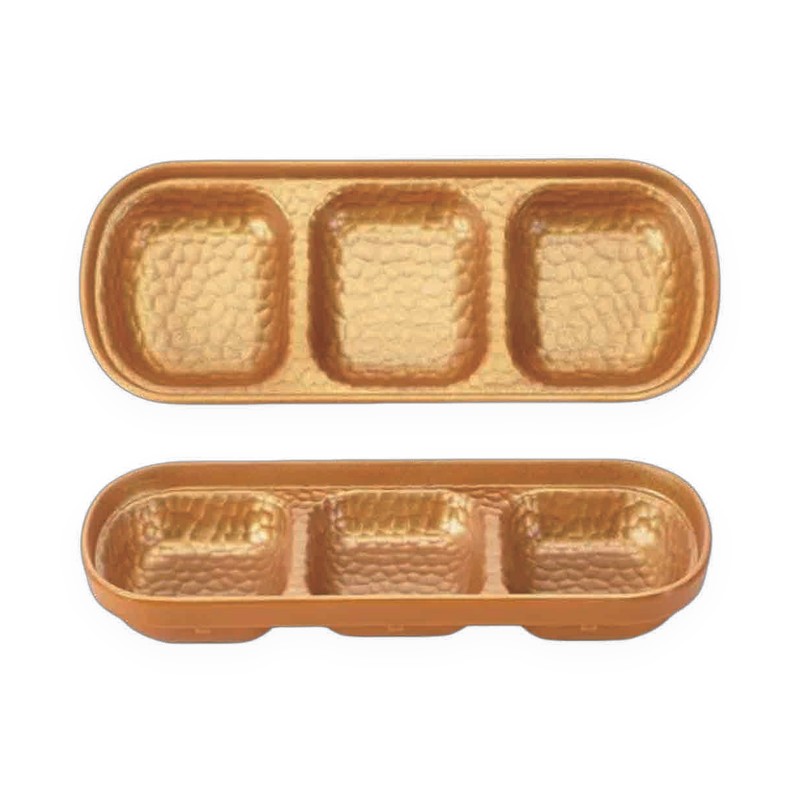
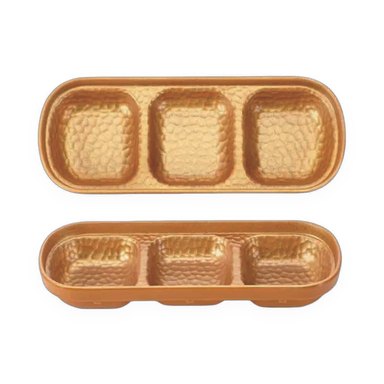 2203 三格碟
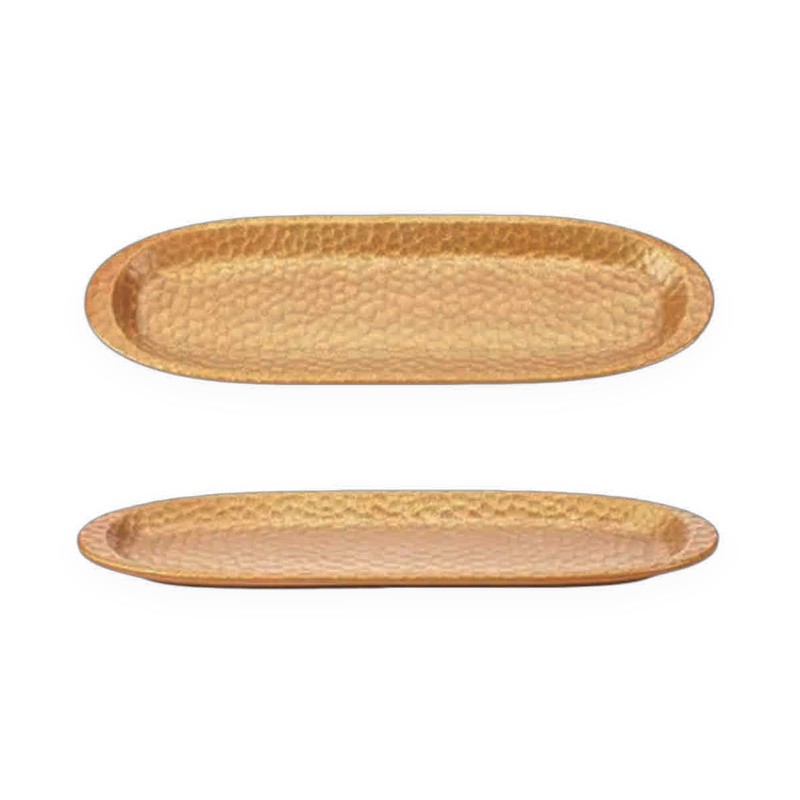
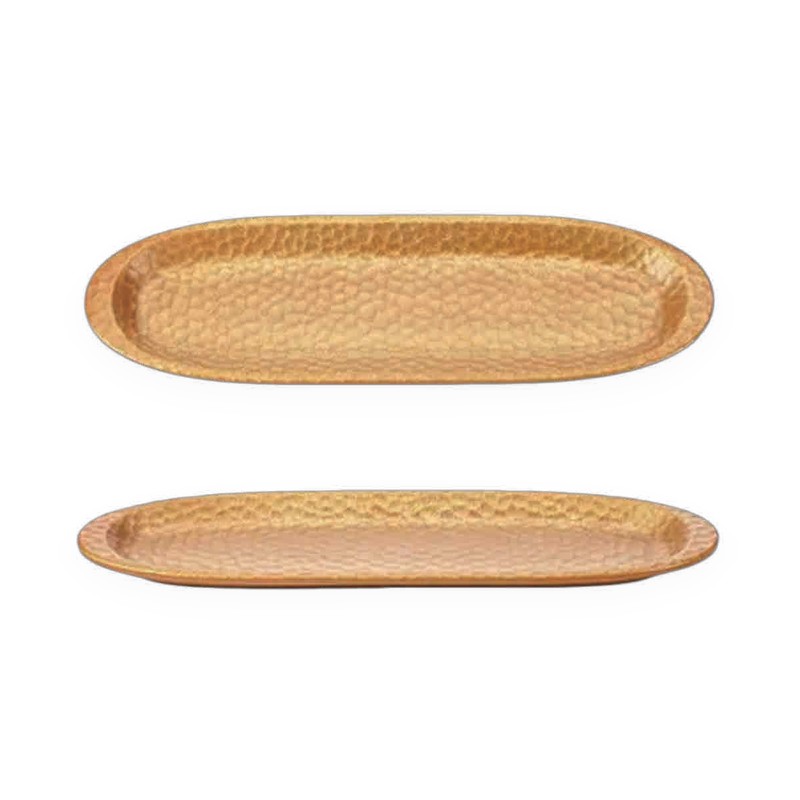
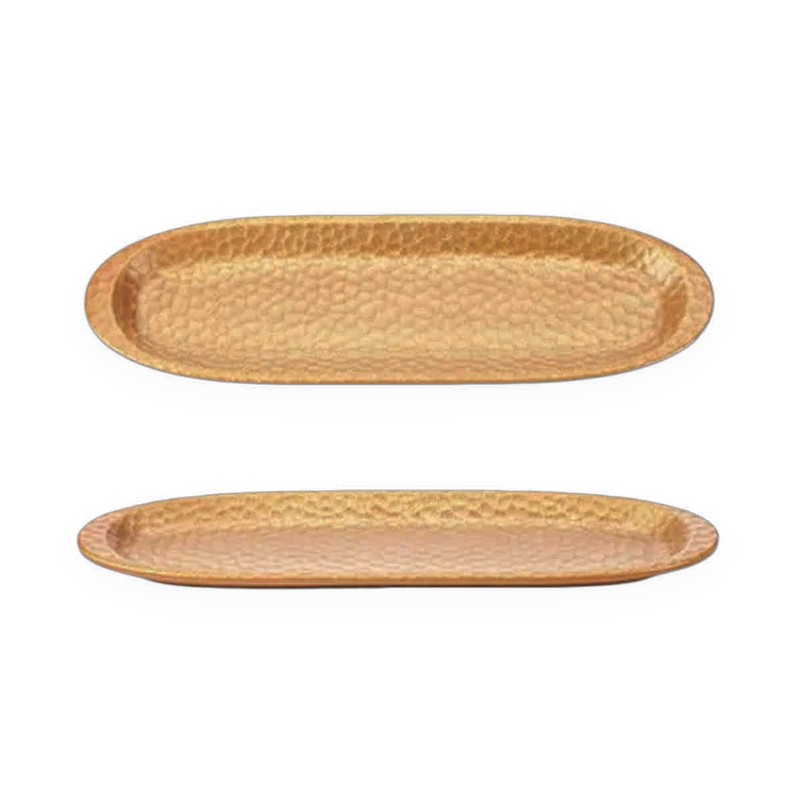
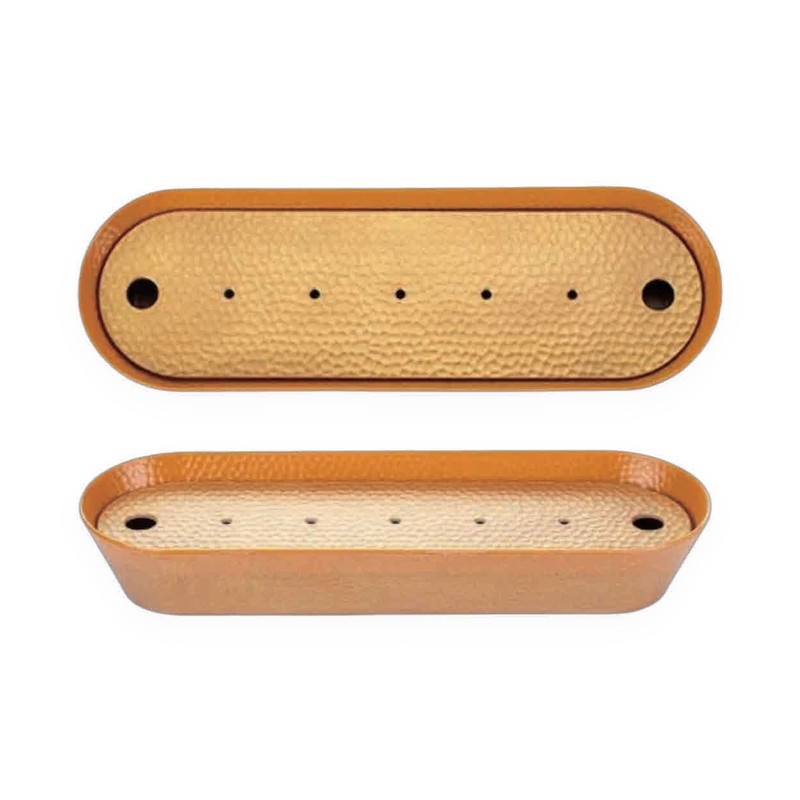
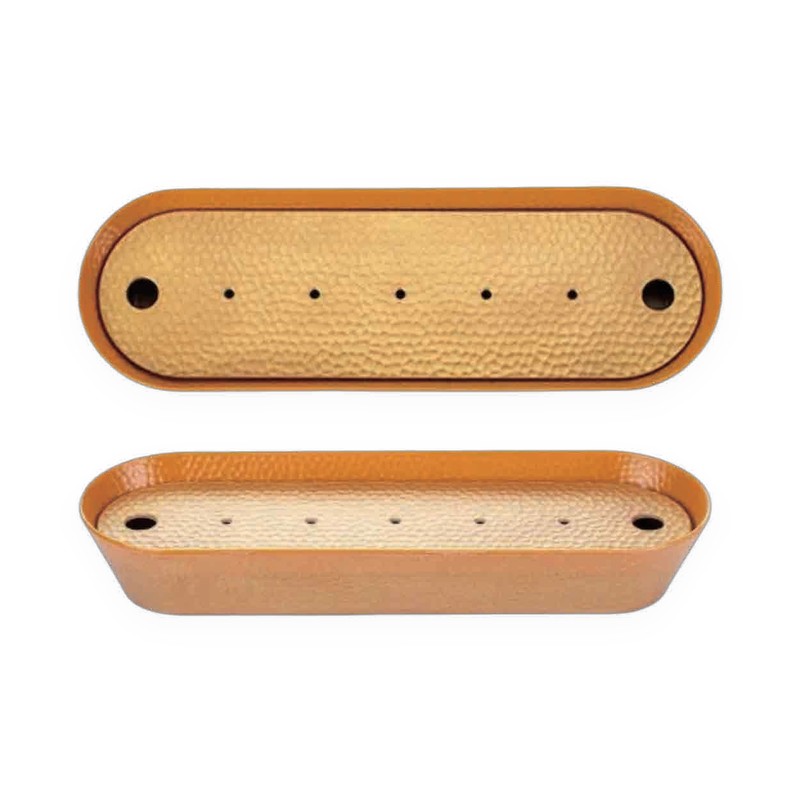
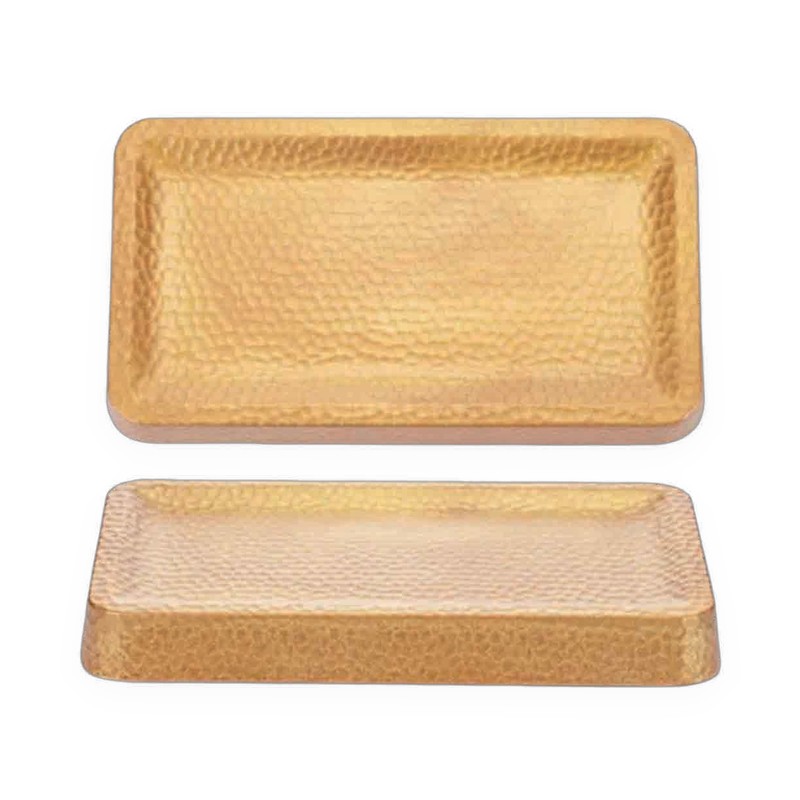
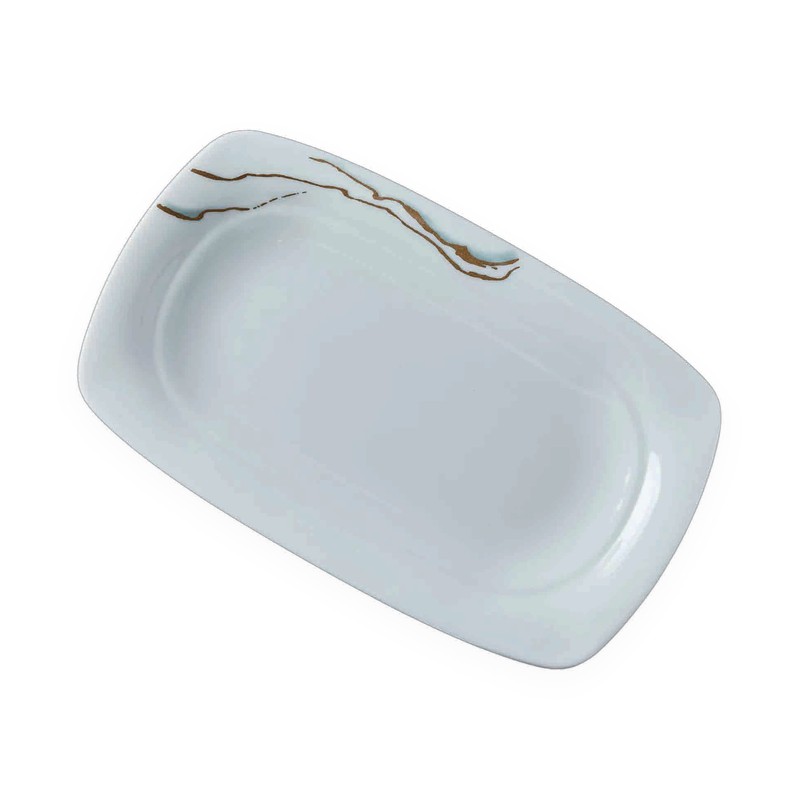
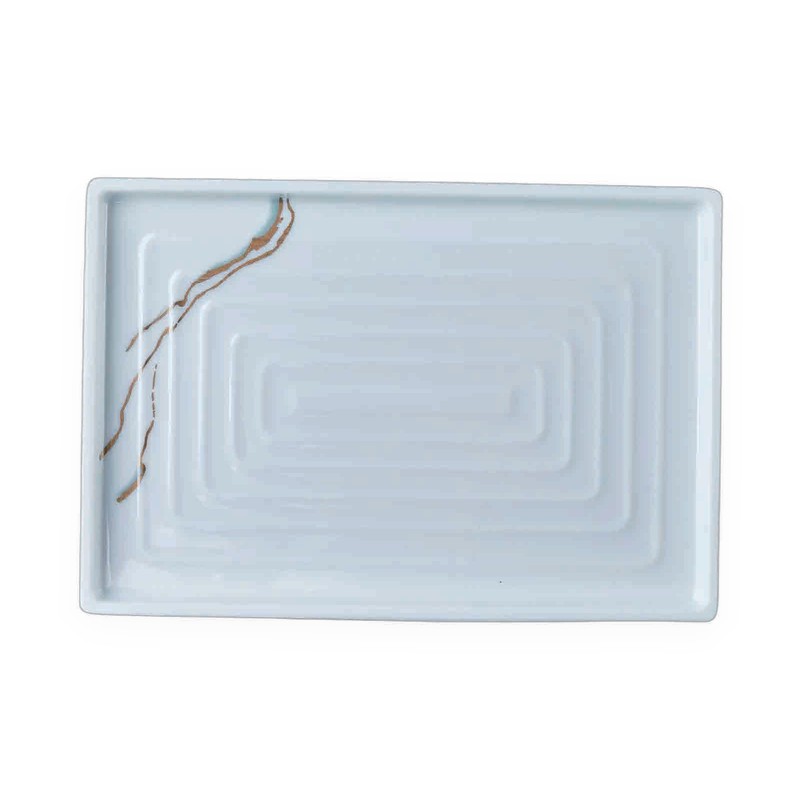
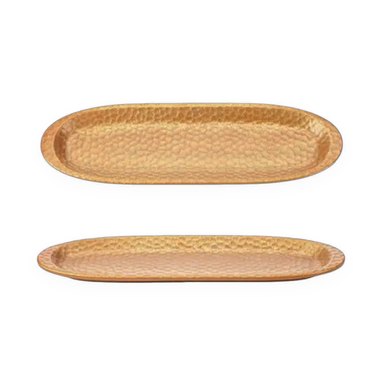 2204 10.6"长条盘
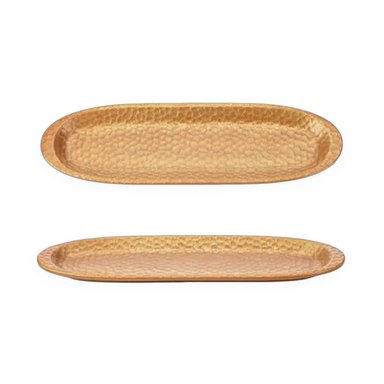 2205 13"长条盘
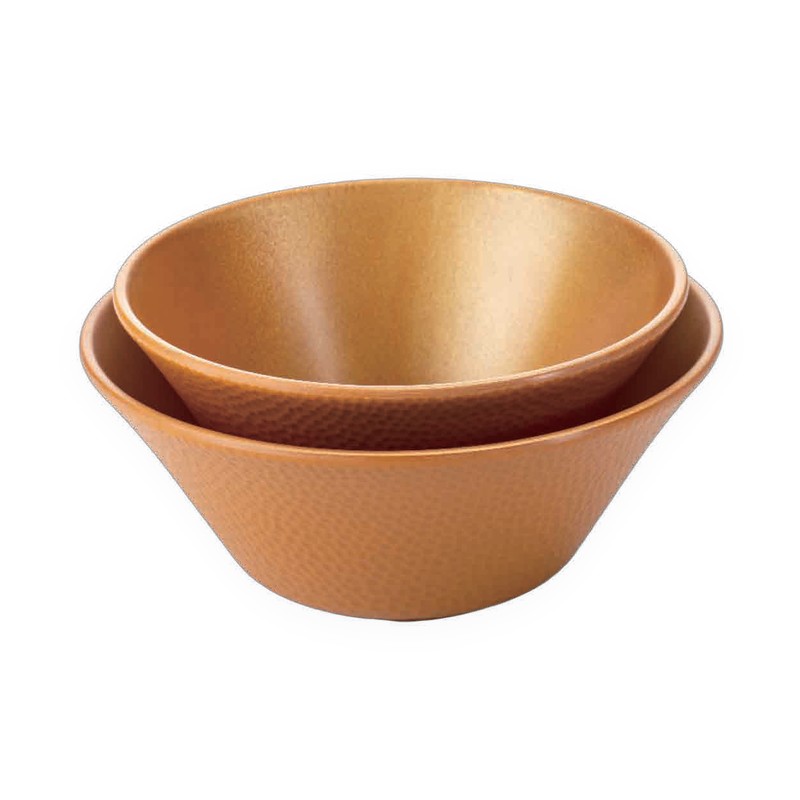
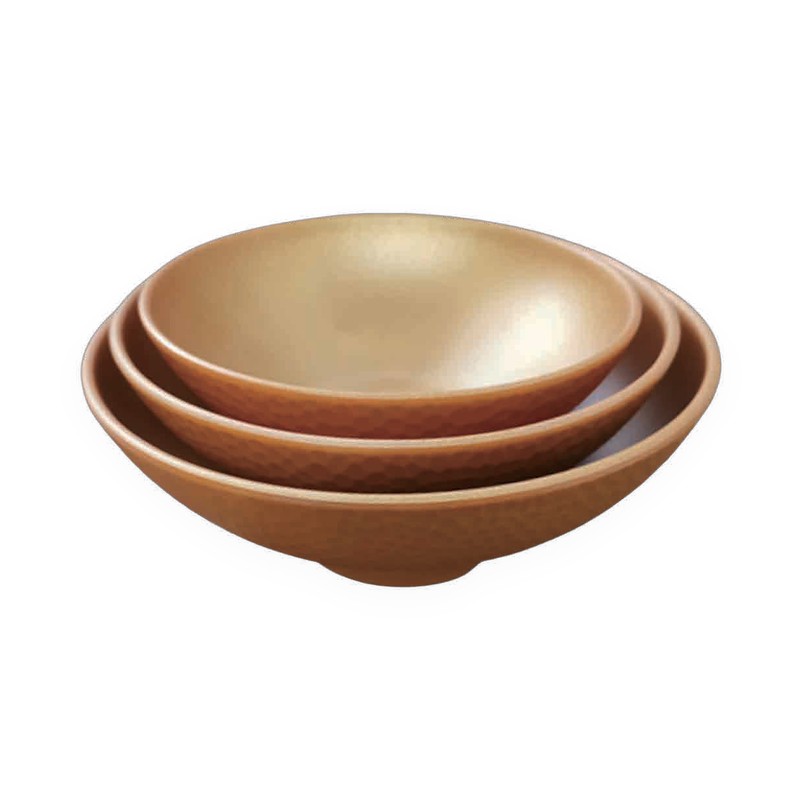
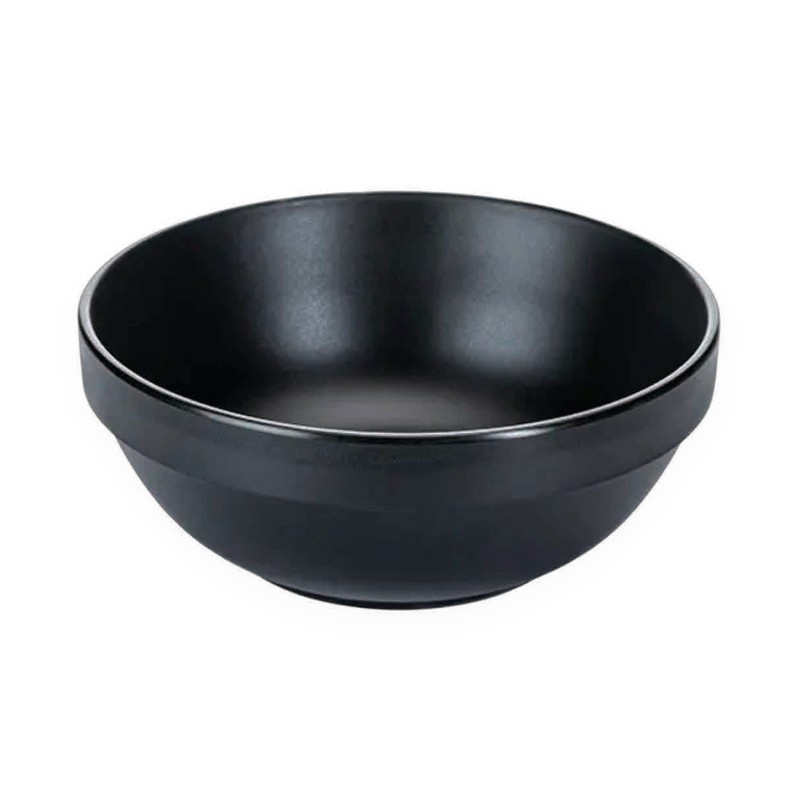
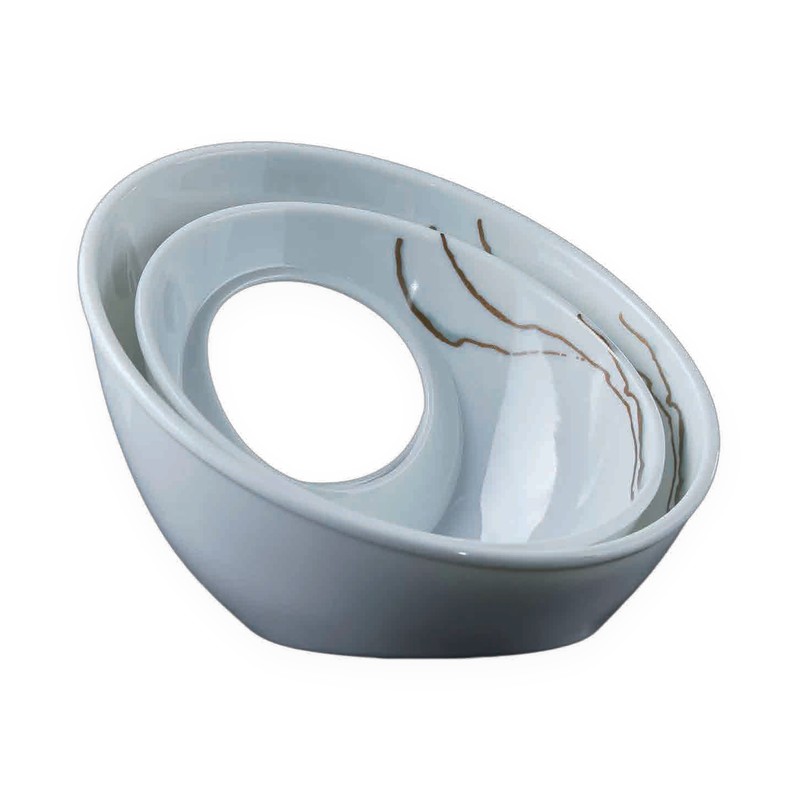
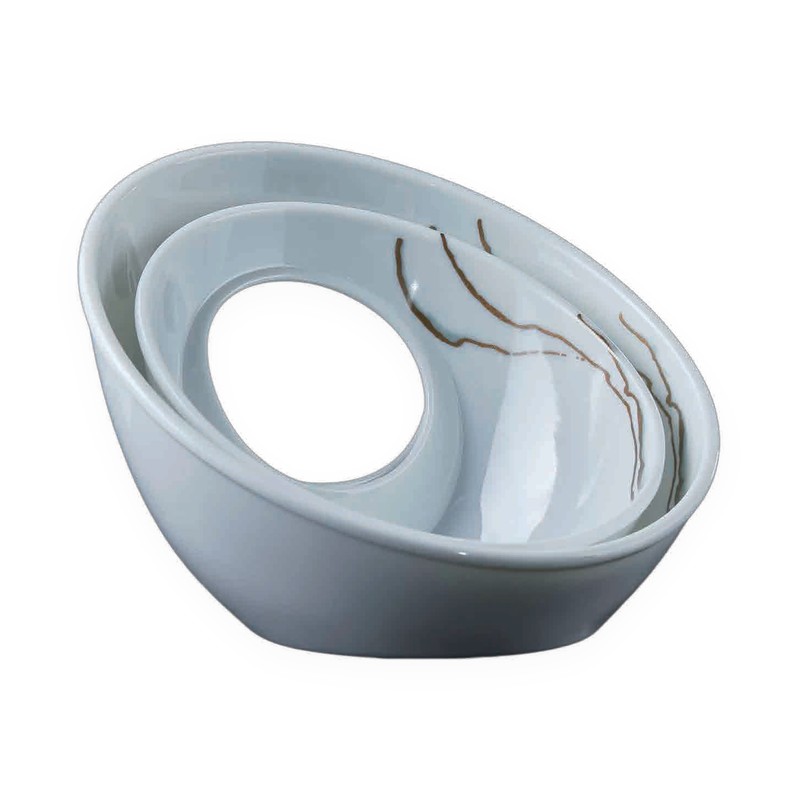
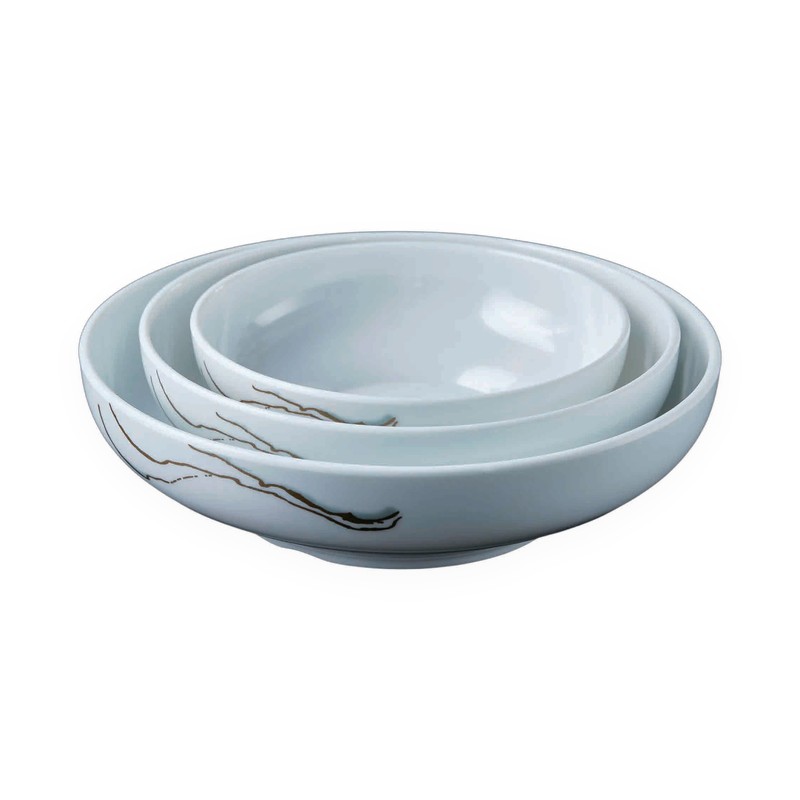
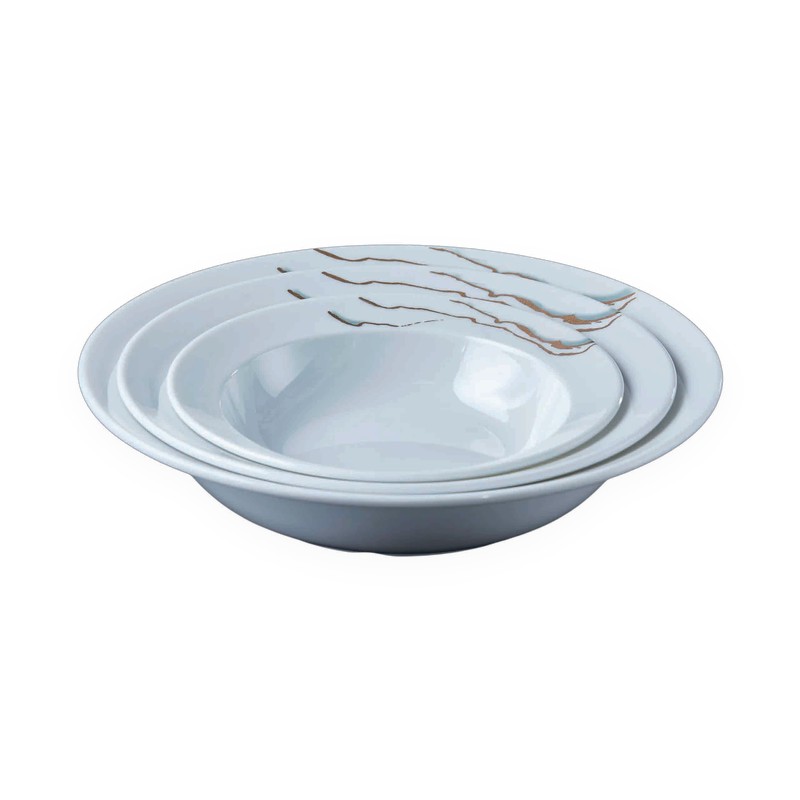
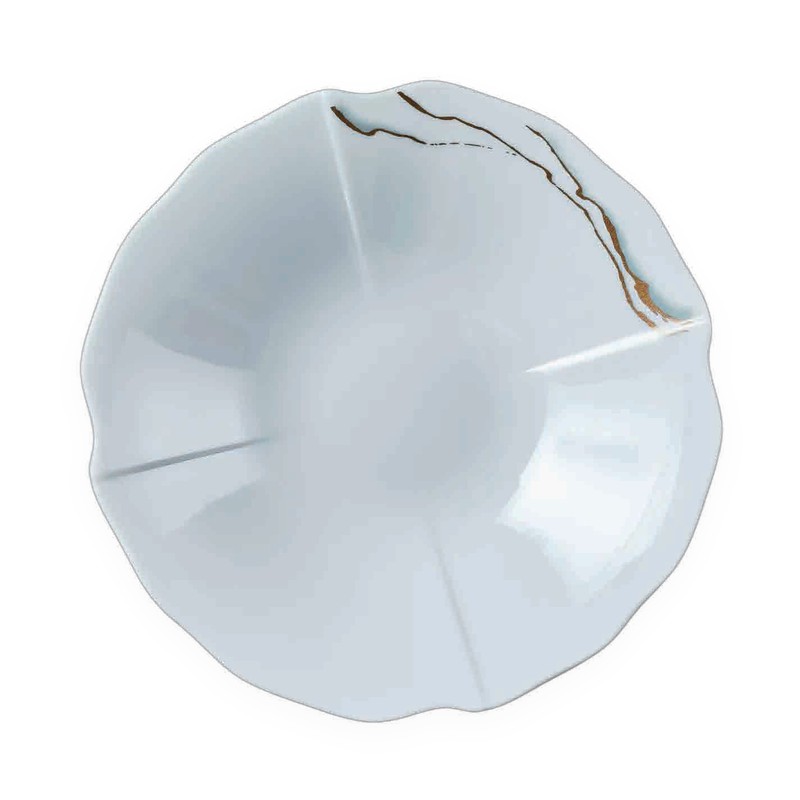
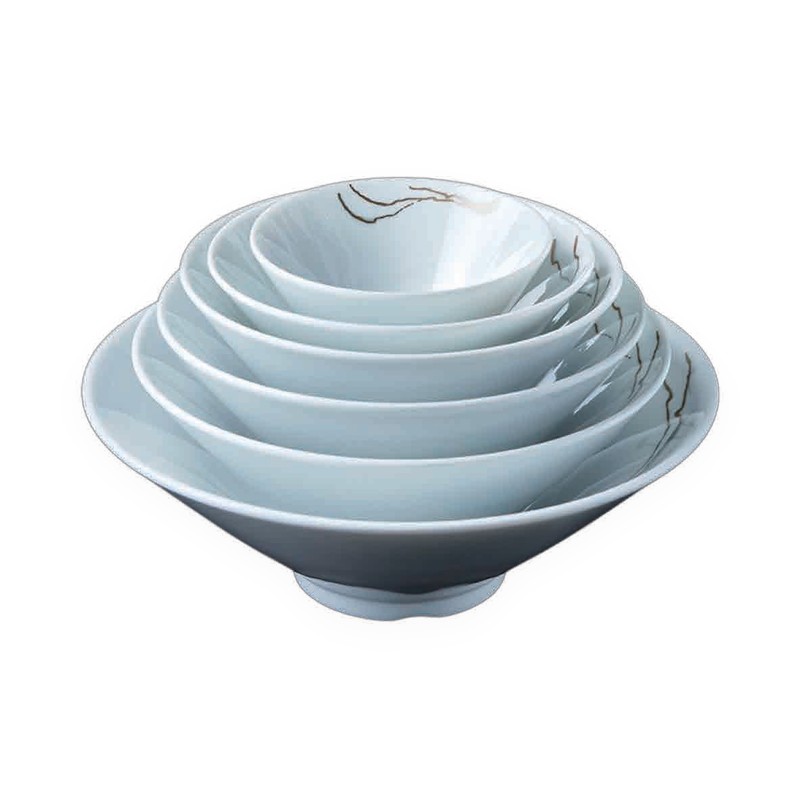
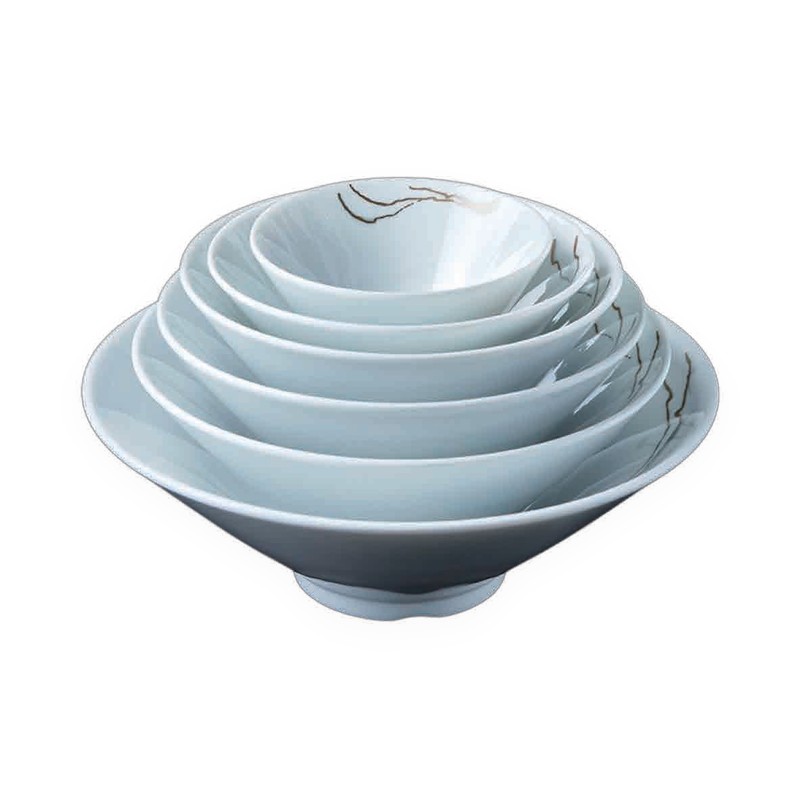
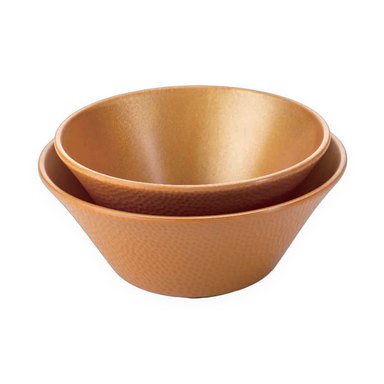 2206 7.9"斗笠碗
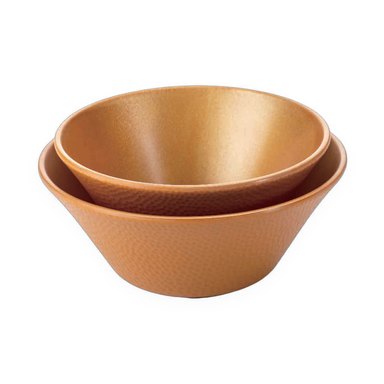 2207 8.9"斗笠碗
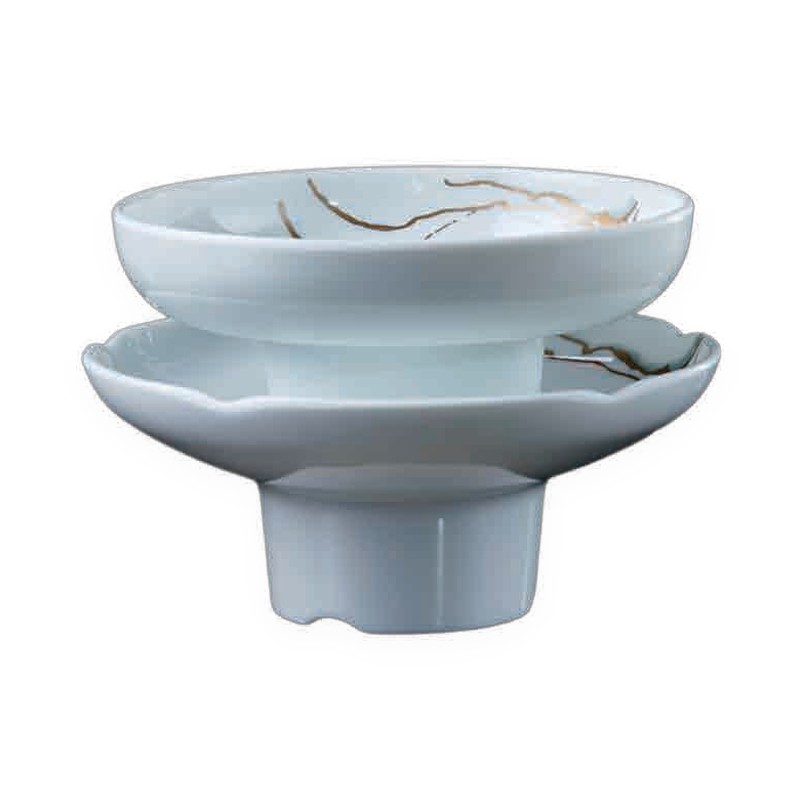
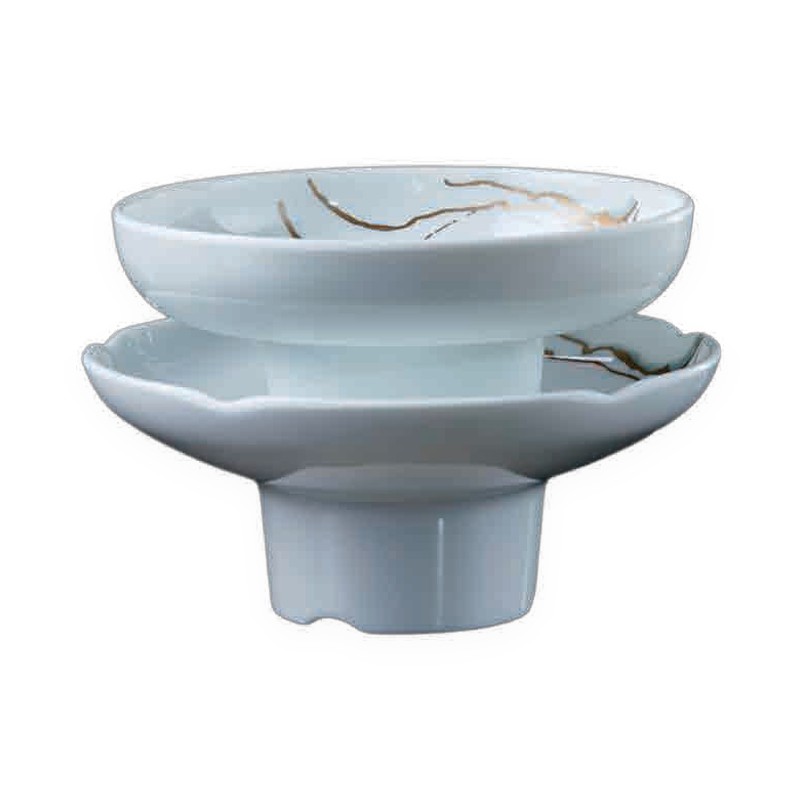
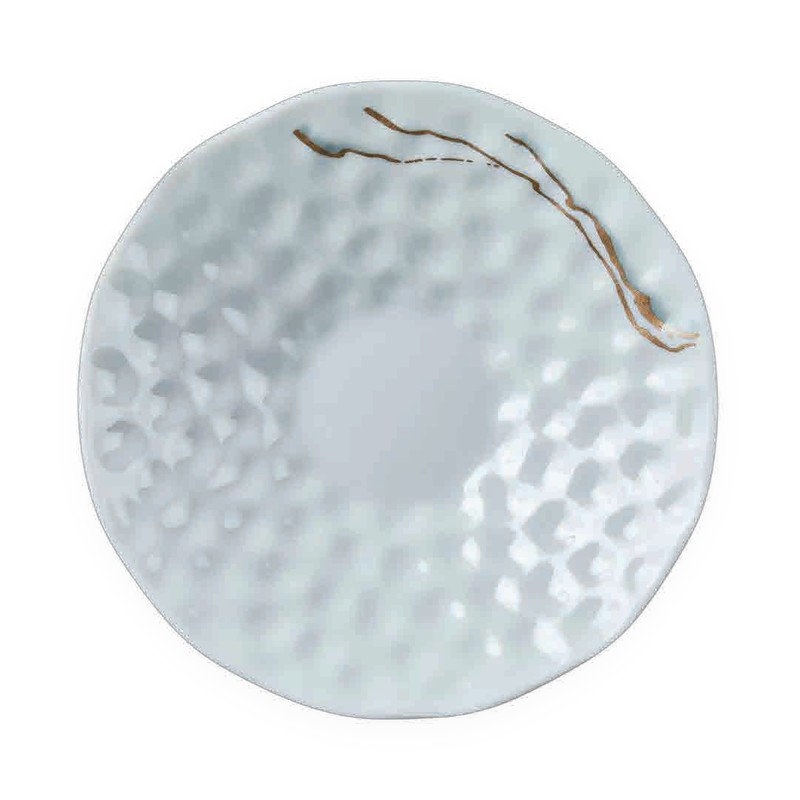
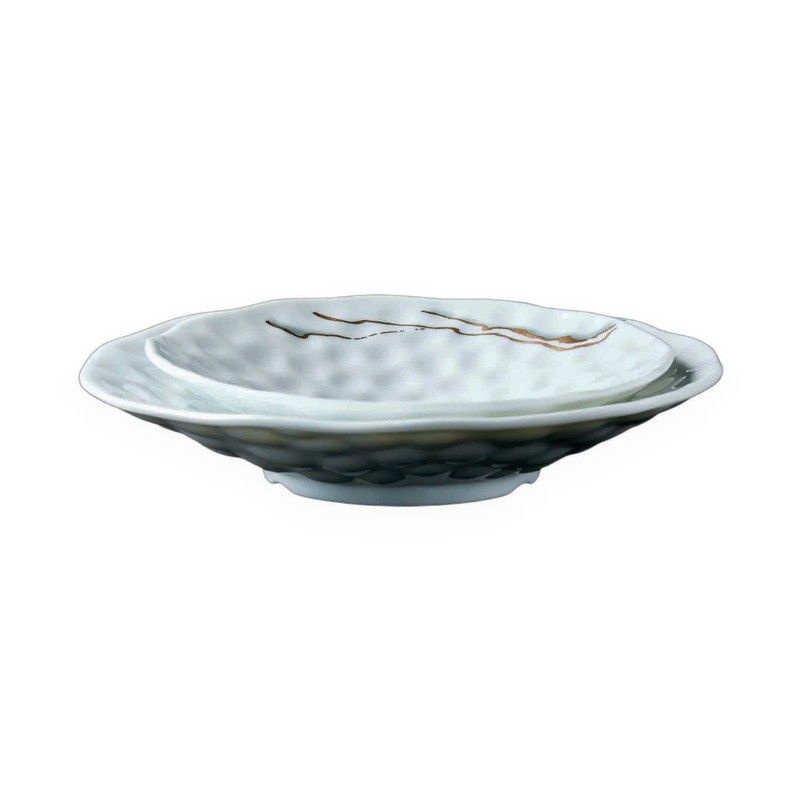
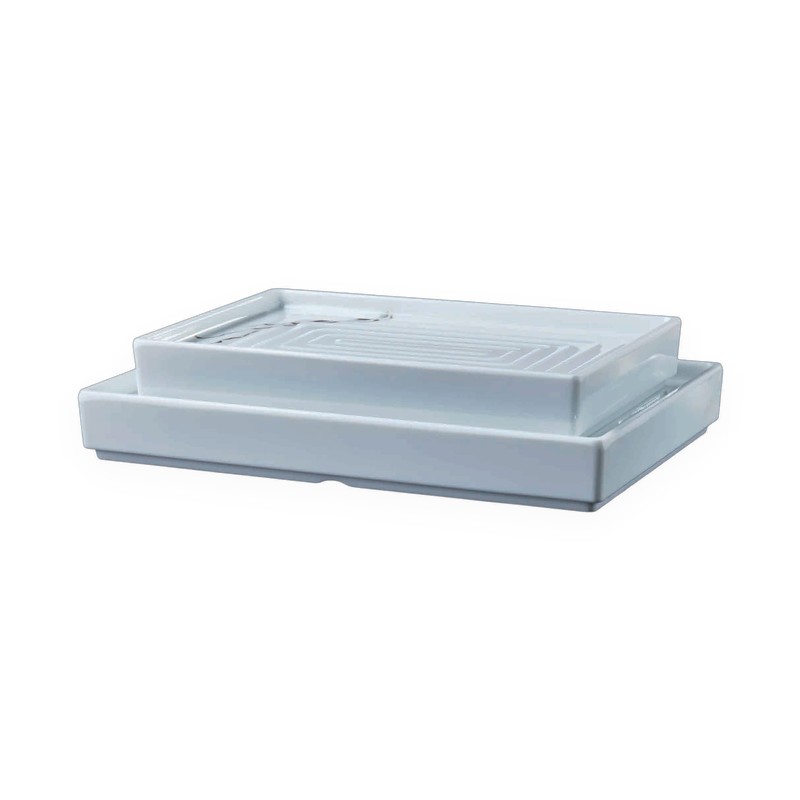
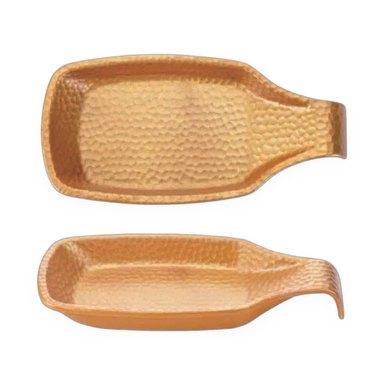 2208 8.7"搁置盘