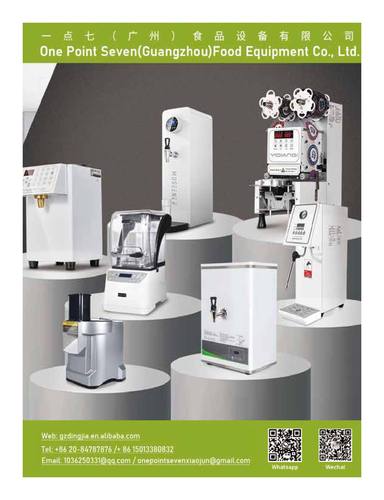
One Point Seven (Guangzhou) Food Equipment Co., Ltd. is headquartered at Yonglong Industrial Park, Shilian Road, Dalong Street, Panyu District, Guangzhou, under the brand YIDIANQI. The company operates in the commercial catering equipment sector, focusing on food equipment solutions for the tea beverage industry and serving numerous chain tea beverage brands, establishing a stable business position in the commercial tea beverage equipment niche market.
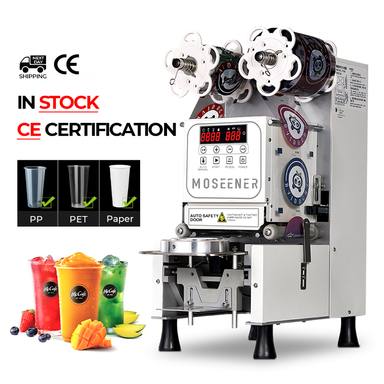
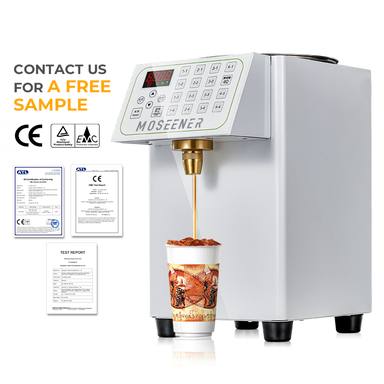
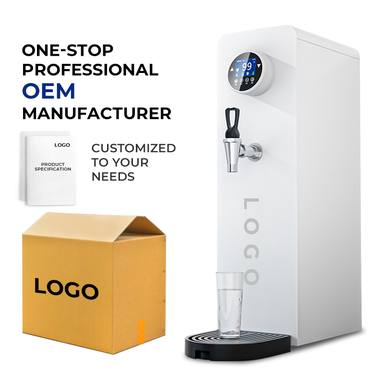
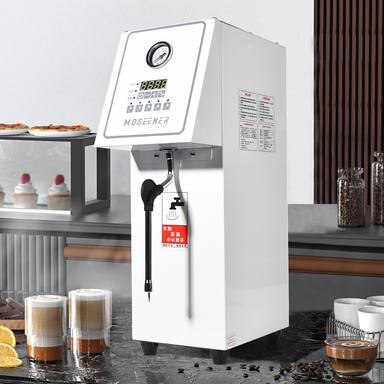
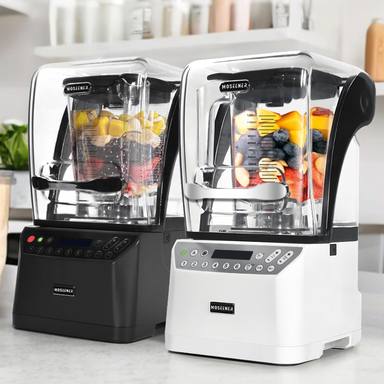
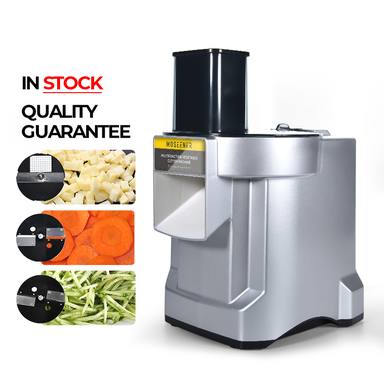
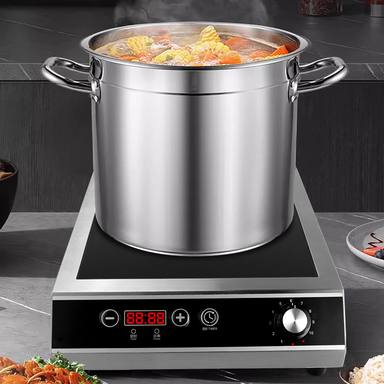
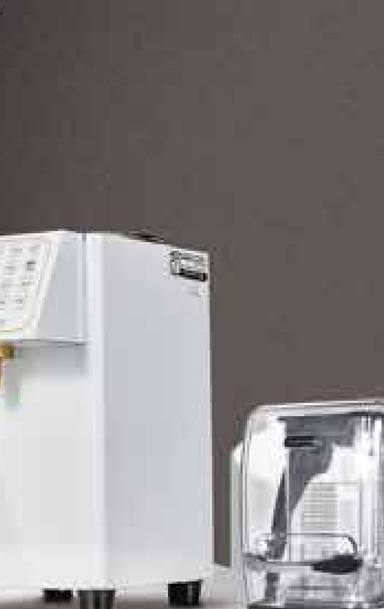
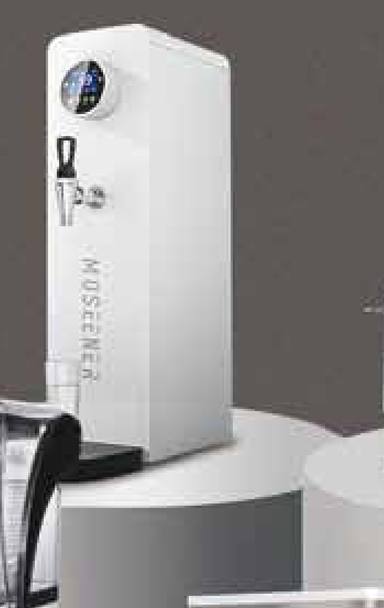
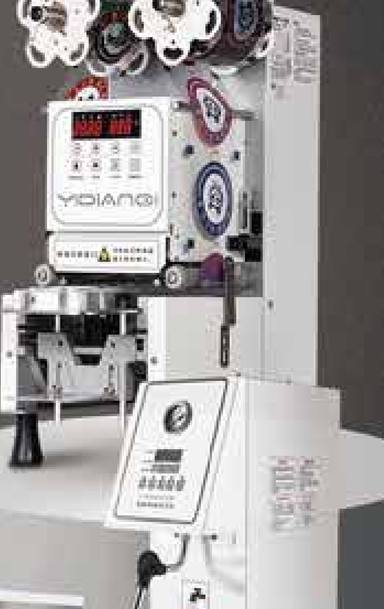
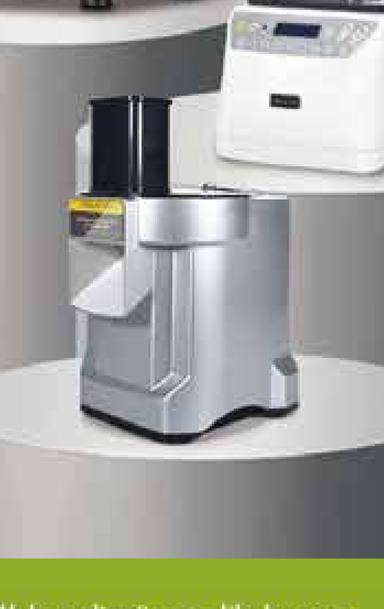
The company's main products cover fructose dosing machines, steam water boilers/steam machines, fully automatic sealing machines, tea extraction machines, milk foam machines, water boilers, commercial blenders, and complete milk tea store equipment. Centered on the standardized output needs of tea beverage stores, the product line balances standalone machine functions with complete store configuration, offering customers equipment selection and full-store equipment configuration support. The company has customization and OEM cooperation capabilities, enabling adjustments to equipment functions, appearance branding, and supporting solutions based on the differentiated needs of chain brands or regional customers, meeting the procurement and unified management requirements of stores of various scales.
In terms of market, the company primarily serves chain tea beverage brands while also covering individual stores and regional distributors. Product applications are concentrated in freshly made beverage stores such as milk tea and fruit tea shops. The company offers export business and, leveraging the industrial and logistics advantages of Panyu, Guangzhou, provides equipment supply and after-sales coordination services to domestic and international customers. Buyers may call +86 20-84787876 or 15013380832, or send an email to onepointsevenxiaojun@gmail.com to inquire about products and complete store equipment solutions.
Which tea beverage stores are fructose dosing machines suitable for?
Fructose dosing machines are suitable for milk tea shops, fruit tea shops, and chain tea beverage stores that require standardized sweetness output, reducing manual sugar scooping errors and improving cup consistency. When selecting a model, determine it based on the store's average daily cup output, commonly used fructose types, and dosing precision requirements, and confirm whether it supports multi-level dosing settings.
What is the difference between a steam water boiler and an ordinary water boiler?
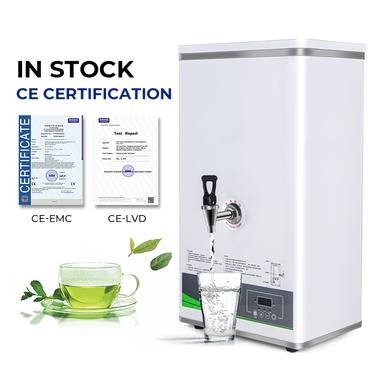
Steam water boilers/steam machines can simultaneously provide steam and hot water, suitable for tea beverage stores that need steaming, heating, or coordination with tea extraction and milk foam processes; ordinary water boilers mainly provide drinking water. When purchasing, choose based on whether the store needs steam functionality, continuous steam output, and installation space, avoiding redundant functions or insufficient steam supply.
What are the requirements of fully automatic sealing machines for cup types and film materials?
Fully automatic sealing machines must match the cup mouth diameter, cup height, and cup type used by the store, and different cup types may require corresponding mold changes. The material and thickness of the sealing film also affect sealing firmness and sealing effectiveness. Before purchasing, provide actual cup samples and film material parameters for trial testing to confirm compatibility.
How should tea extraction machines and milk foam machines be maintained daily?
After use, tea extraction machines and milk foam machines should have parts in contact with tea and milk cleaned promptly to avoid residue buildup affecting flavor and hygiene. Seals, blade assemblies, or stirring components should be regularly checked for wear according to the manual, and electrical parts should be kept dry. Stores are advised to establish daily cleaning and regular maintenance records to extend equipment service life.
What certifications and after-sales matters should be confirmed when purchasing complete milk tea store equipment?
When purchasing complete store equipment, confirm whether each individual machine has corresponding qualification certificates and electrical safety requirements, and verify that voltage and power match the store's electrical circuits. At the same time, clarify the warranty period, supply of consumable parts, on-site or mail-in repair service methods, and response times. For chain brands, it is recommended to unify equipment models and after-sales interfaces for easier subsequent maintenance management.