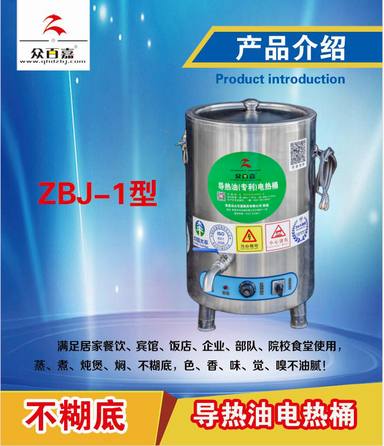
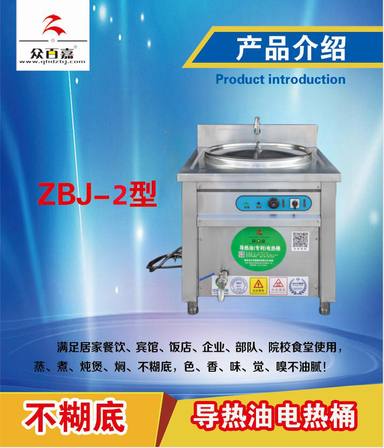
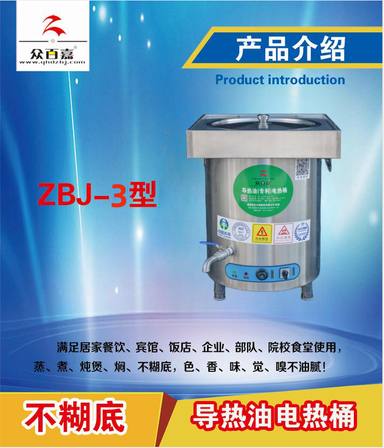
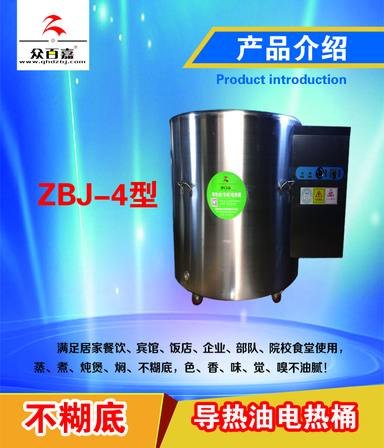
Qinhuangdao Zhongbaijia Cabinet Co., Ltd. (English name: Qinhuangdao Zhongbaijia Cabinet Co., Ltd., brand "Zhongbaijia") is headquartered at No. 16 Gaochi Road, Gaozhuang Village, Lingang Logistics Park, Haigang District, Qinhuangdao City, Hebei Province, located at the intersection of the Bohai Economic Rim and the Northeast Asia shipping hub, with convenient logistics and supply chain location conditions. As a vice president unit of the Kitchenware Industry Chamber of Commerce of the All-China Federation of Industry and Commerce, the company is rooted in the commercial kitchen equipment field and, relying on Qinhuangdao's port-side industrial foundation, focuses on providing efficient and durable cooking equipment solutions for catering and food processing scenarios.
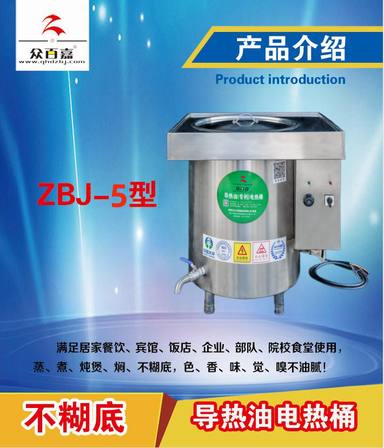
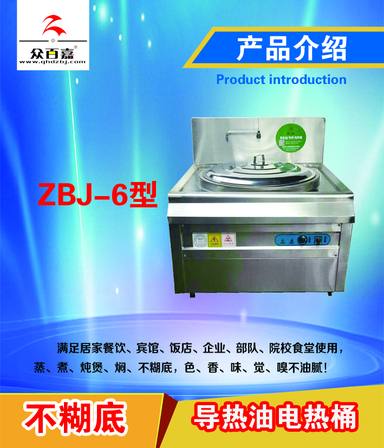
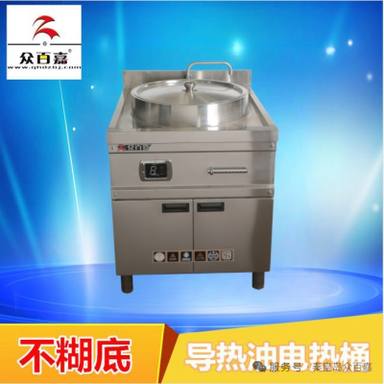
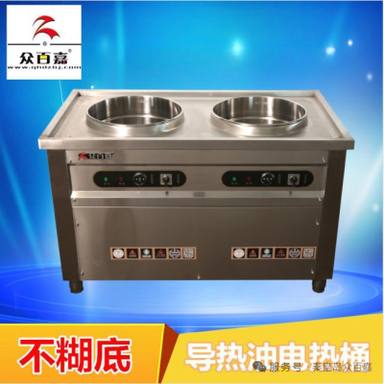
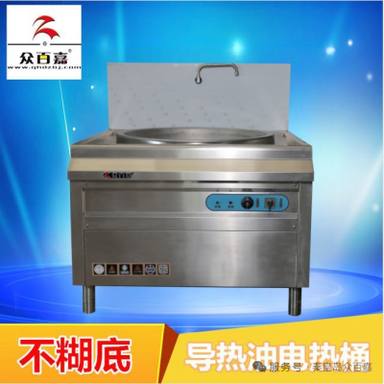
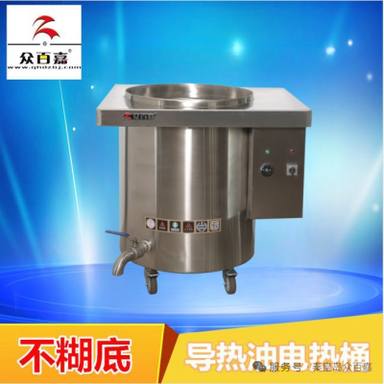
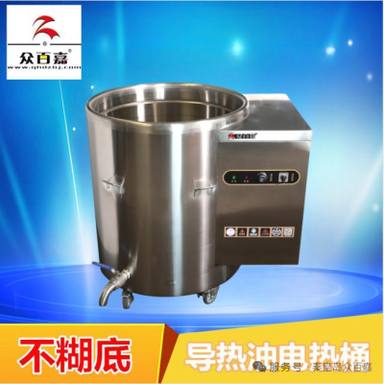
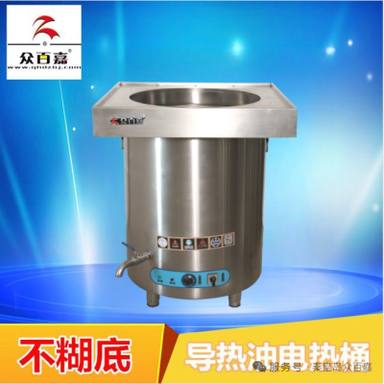
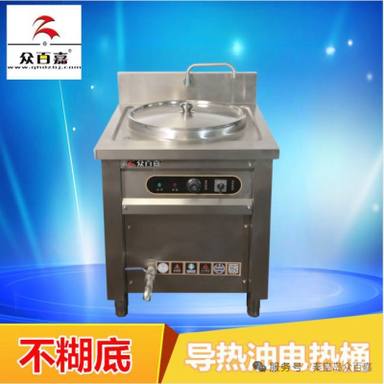
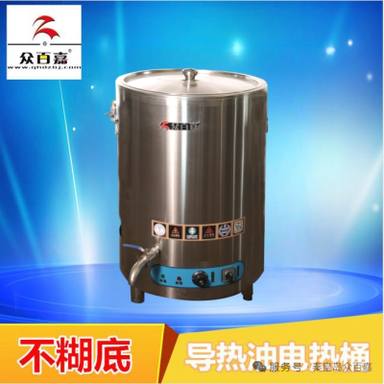
The company's main products cover commercial soup stoves, noodle cookers/soup barrel stoves, induction/electric heating cooking pots, low soup stoves and other categories, focusing on the high-frequency cooking needs of Chinese-style catering. The products adopt dual technology routes of induction and electric heating, and can adapt to different kitchen energy conditions; in terms of craftsmanship, they emphasize furnace body structural strength and heating efficiency, and support customized design and OEM production according to customers' kitchen workflows and capacity requirements, meeting differentiated procurement needs.
Zhongbaijia mainly serves domestic catering chains, canteens, central kitchens and food processing enterprises, while also expanding export business by leveraging Qinhuangdao's port advantages. The company provides full-process services from selection consultation and installation guidance to after-sales maintenance, responding to customer needs through telephone, email and official website channels, and is committed to becoming a trusted long-term partner in the commercial kitchen equipment field.
What is the difference between a commercial soup stove and a low soup stove, and how should one choose?
Commercial soup stoves usually have a taller body and are suitable for large-capacity continuous soup boiling and stewing scenarios, such as central kitchens or large canteens; low soup stoves are lower in height, making it easier for operators to observe from above, and are suitable for stalls with limited space or frequent access needs. When selecting, one should comprehensively consider kitchen ceiling height, operating workflow, single-batch output and energy conditions (induction or electric heating). Zhongbaijia can provide customized height and capacity solutions.
What material and heating method options are available for noodle cookers/soup barrel stoves?
Noodle cookers/soup barrel stoves usually use stainless steel material, offering corrosion resistance and easy cleaning. Heating methods can be induction or electric heating. Induction heating heats up quickly and has high thermal efficiency, suitable for scenarios with strict temperature control requirements; electric heating has a simple structure and low maintenance cost. Zhongbaijia recommends suitable solutions according to customers' kitchen power configuration and usage habits.
How should the power parameters of induction cooking pots and electric heating cooking pots match the kitchen circuit?
Induction cooking pots usually have higher power, and the kitchen's three-phase power capacity and line load need to be confirmed; electric heating cooking pots have relatively stable power and lower circuit requirements. Before procurement, a kitchen power distribution diagram should be provided, and Zhongbaijia's technical team should calculate the total power and simultaneous use coefficient to avoid overload. Specific parameters are subject to the product nameplate and manual.
How should commercial soup stoves be maintained during daily use to extend their service life?
It is recommended to clean the stove surface and soup barrel daily to avoid corrosion from food residue; regularly check heating elements, thermostats and wiring terminals to prevent loosening or oxidation; induction models need to keep heat dissipation ducts unobstructed. When not in use for a long time, disconnect power and store in a dry place. Zhongbaijia provides maintenance guidance; contact 0335-3018811 for support.
Do the products have certifications, and what qualifications are required for export?
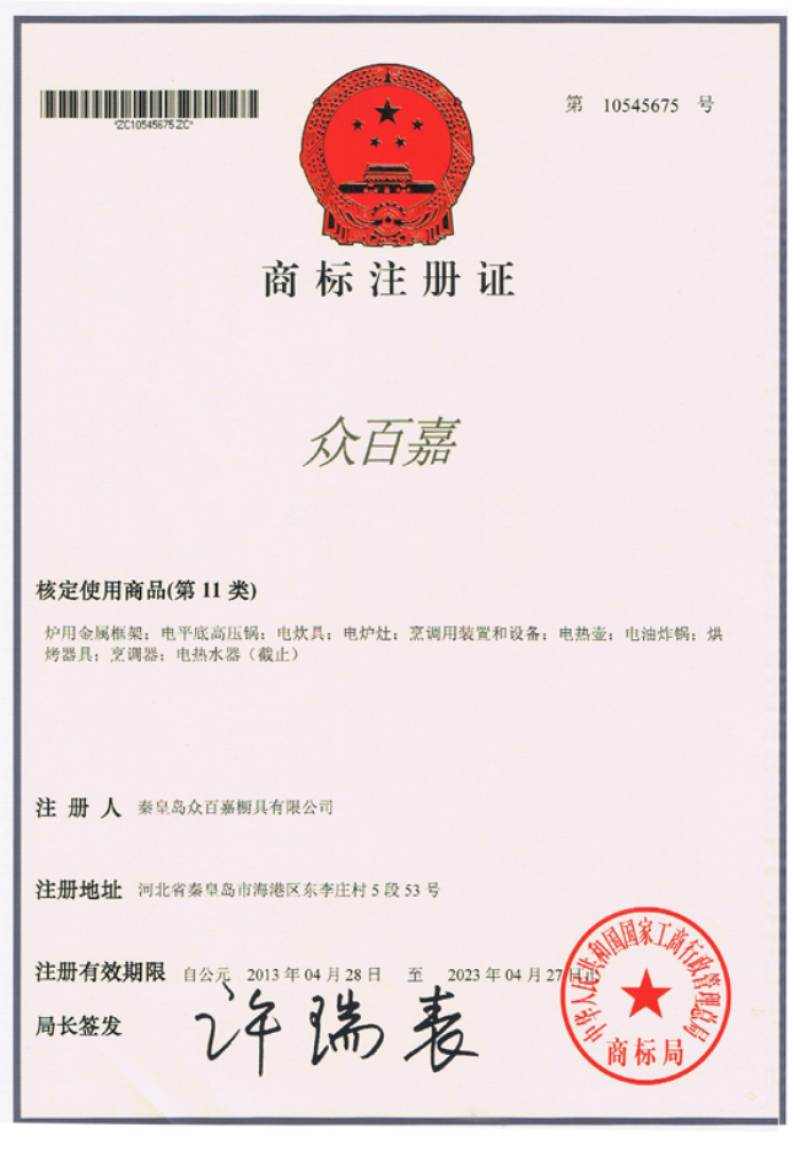
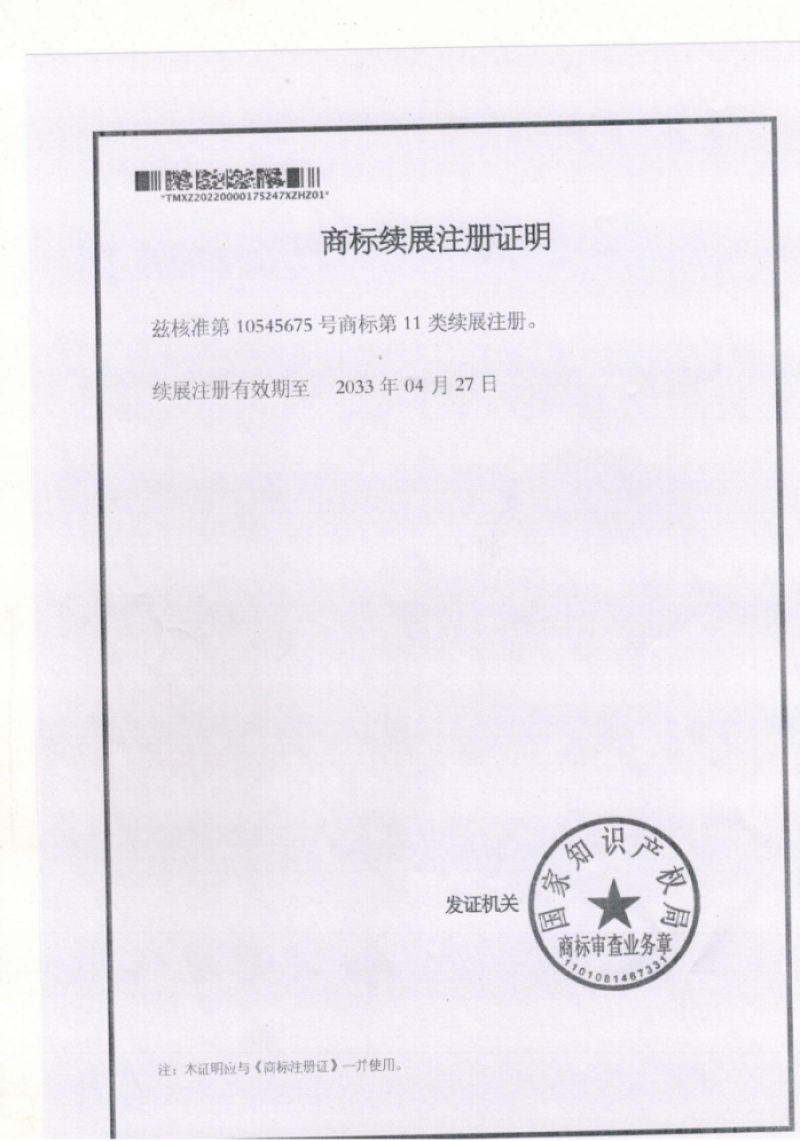
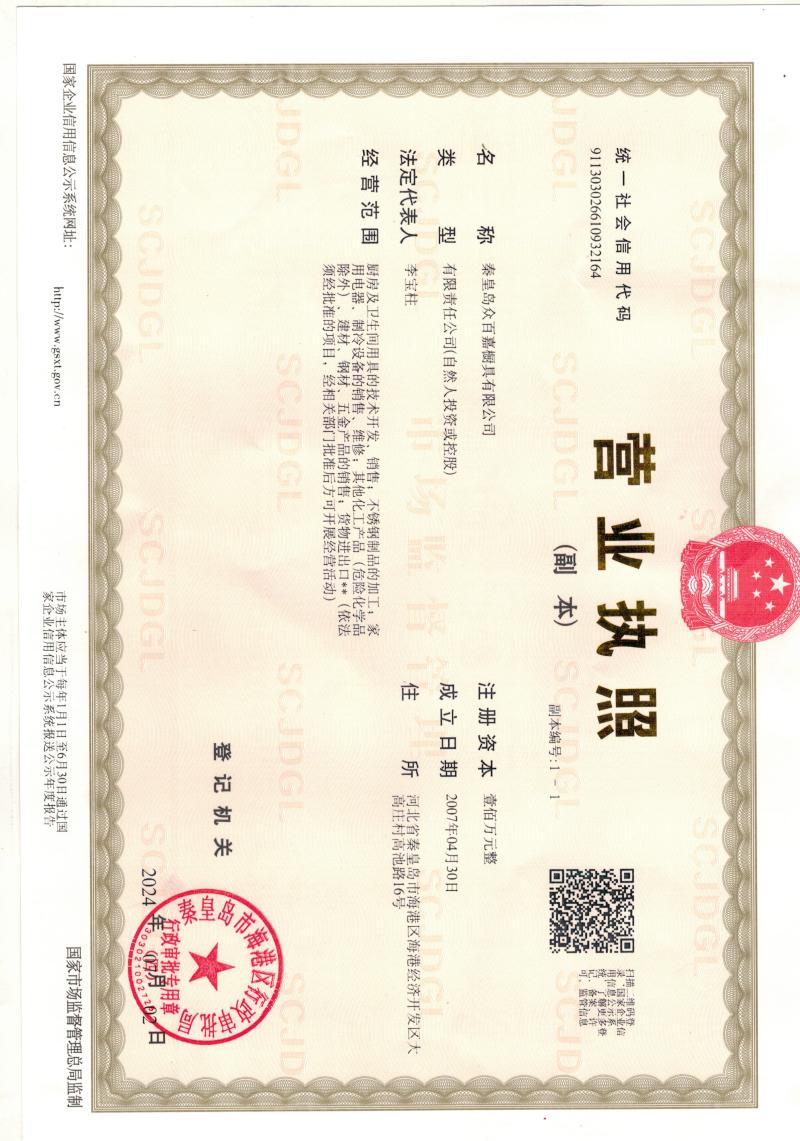
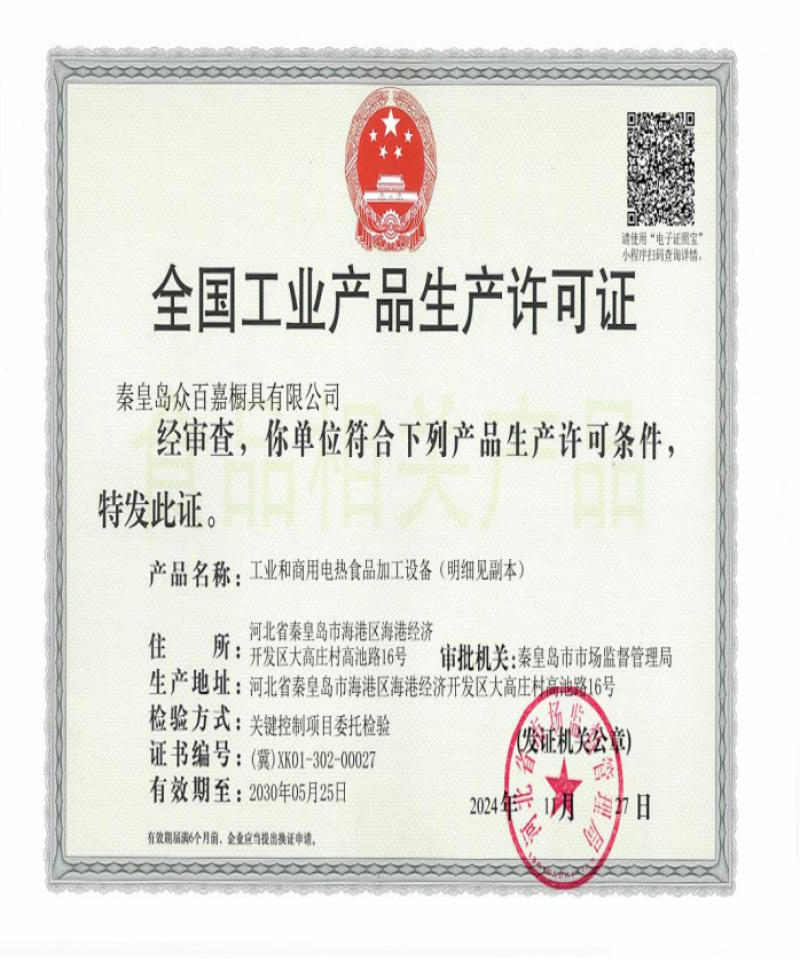
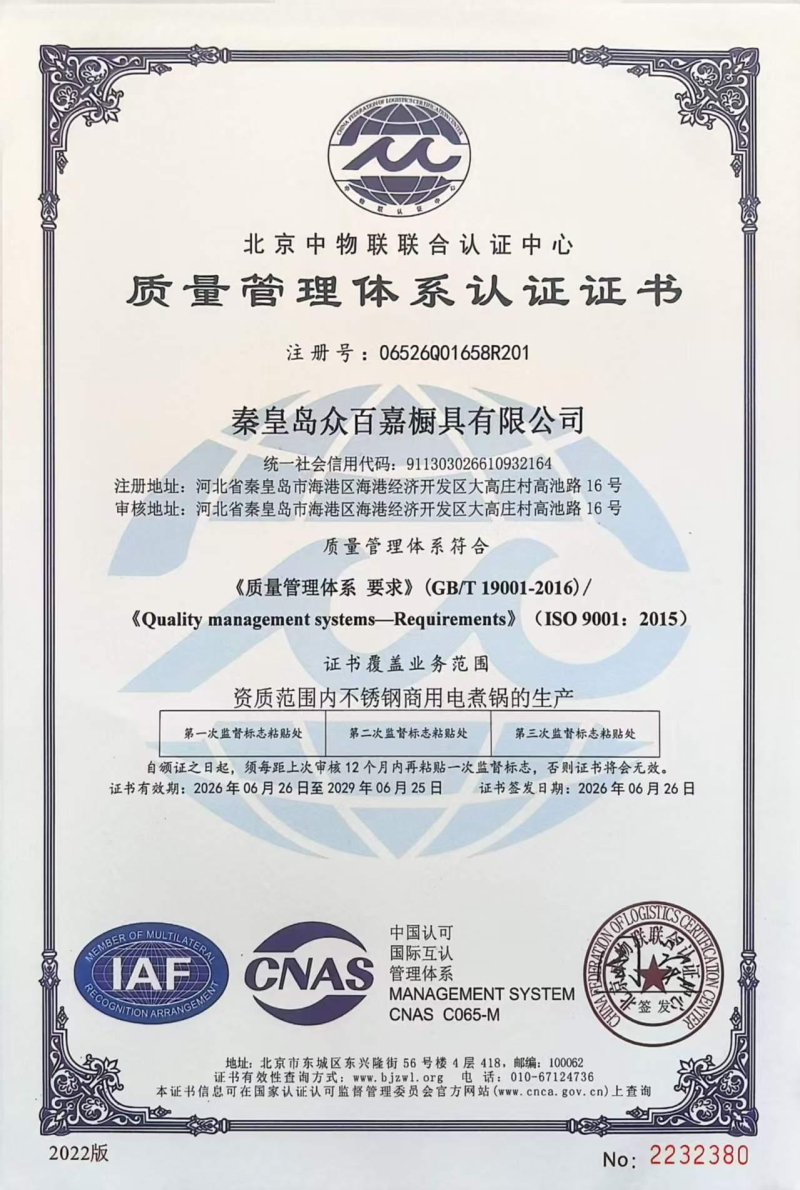
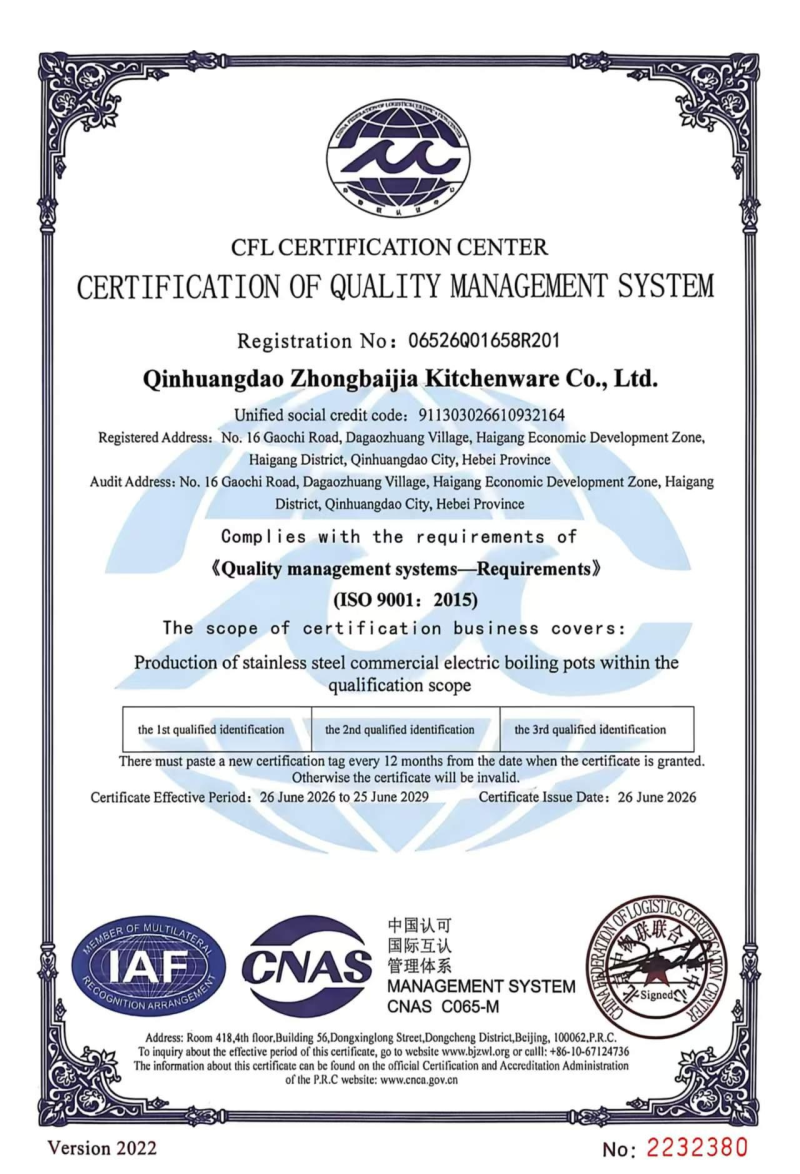
The company is a vice president unit of the Kitchenware Industry Chamber of Commerce of the All-China Federation of Industry and Commerce, and product certification information can be requested from the sales team. Export business requires corresponding certification documents according to the destination country's requirements. Zhongbaijia can cooperate with customers in preparing technical materials and compliance communication, subject to order agreements and official certification.
 6 imgs
 6 imgs
 6 imgs
 6 imgs
 6 imgs
 6 imgs
 6 imgs
 6 imgs