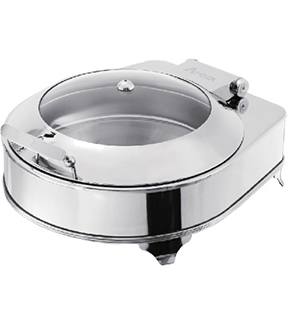
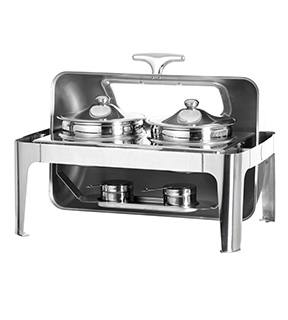
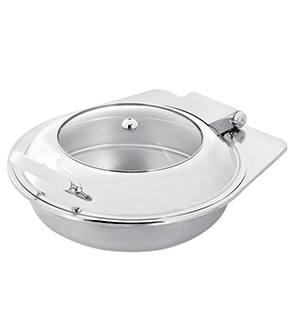
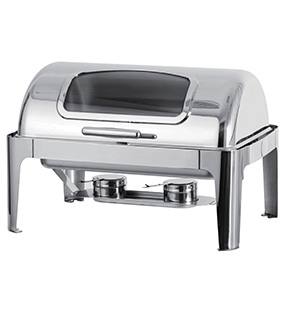
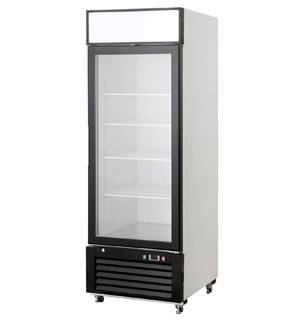
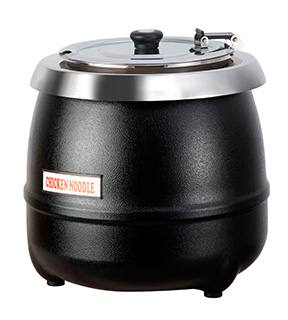
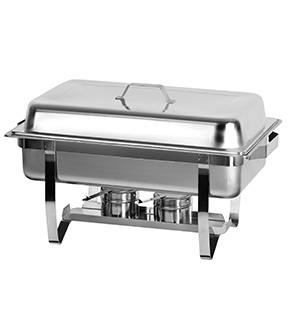
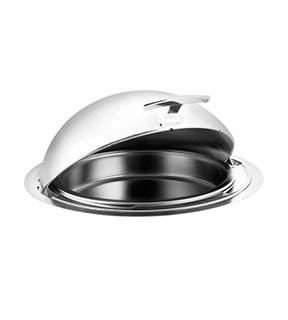
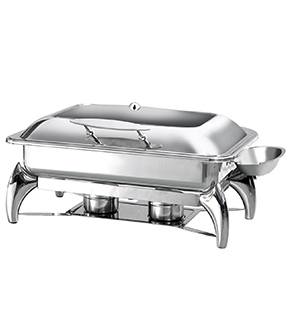
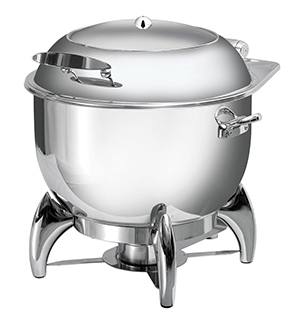
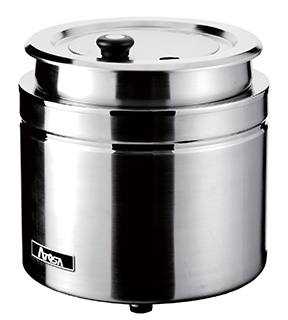
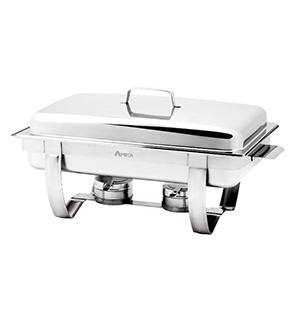
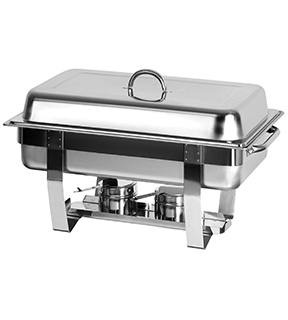
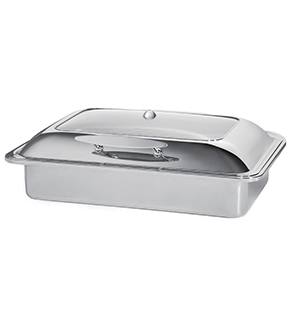
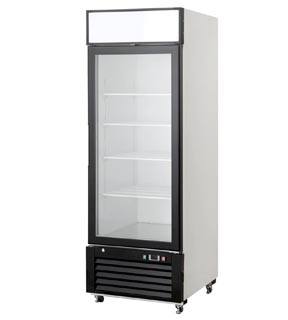
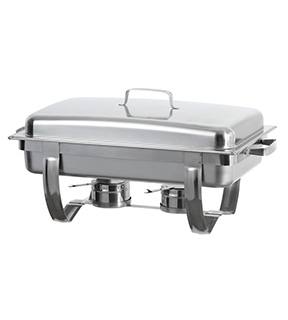
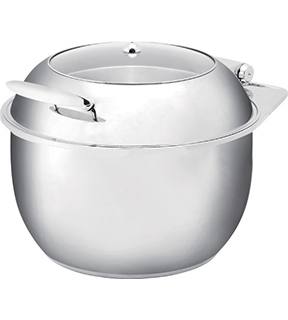
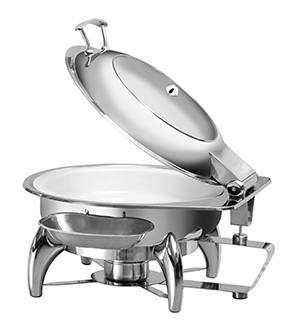
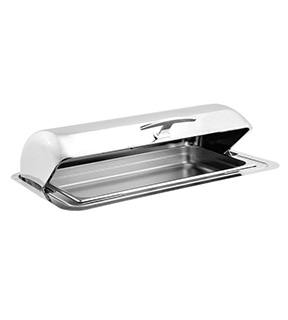
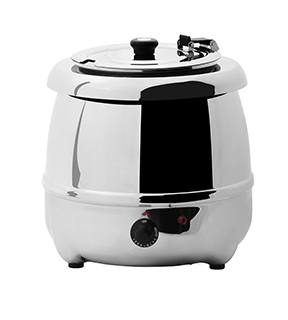
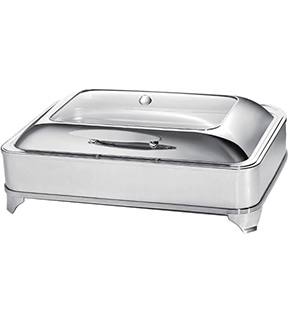
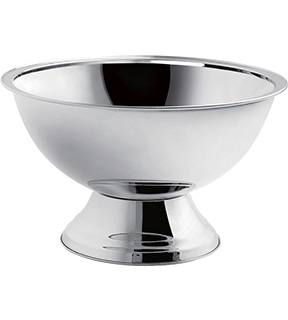
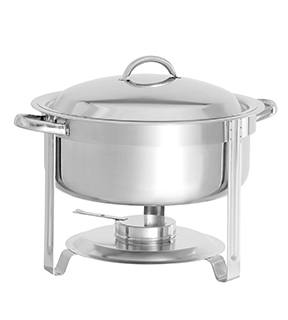
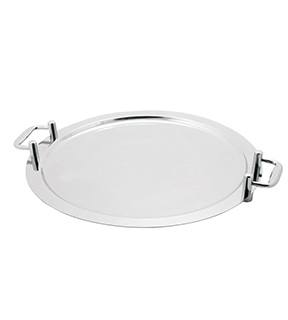
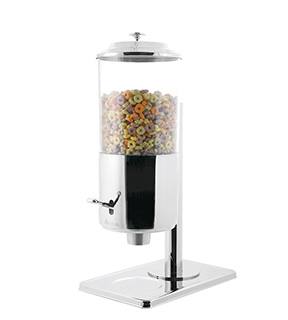
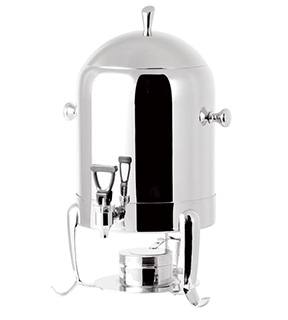
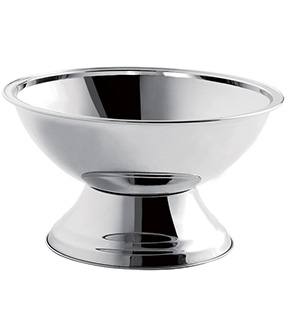
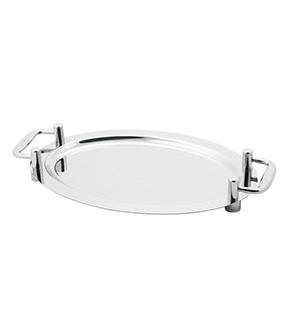
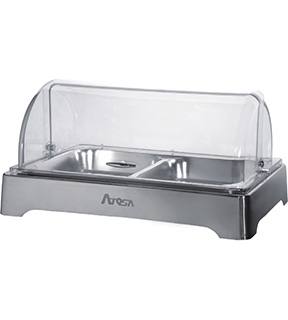
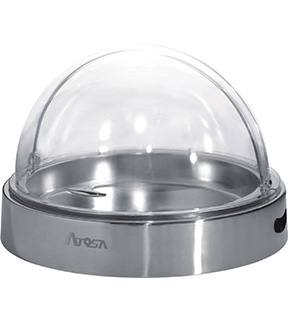
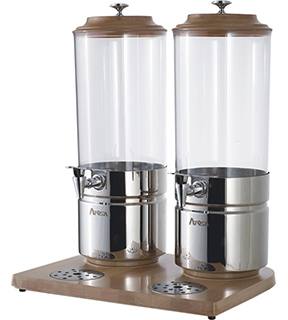
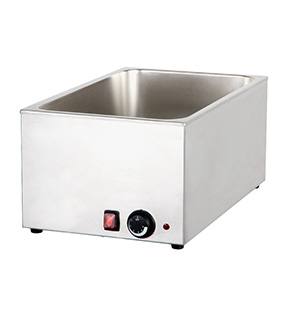
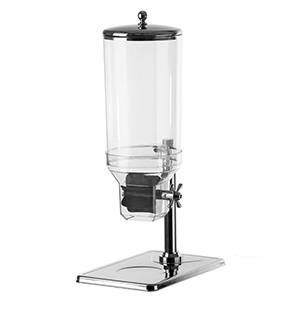
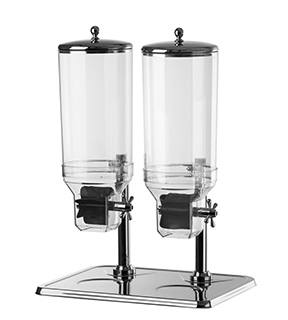
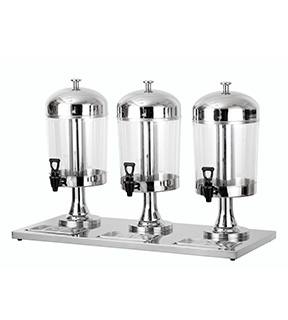
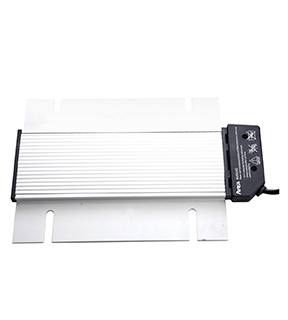
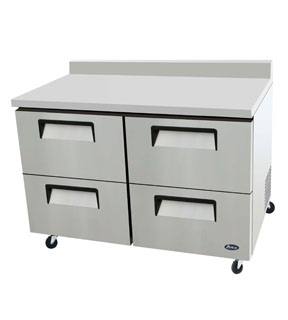
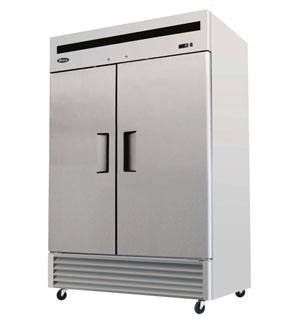
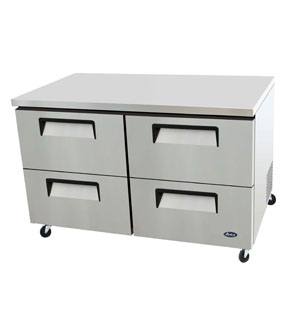
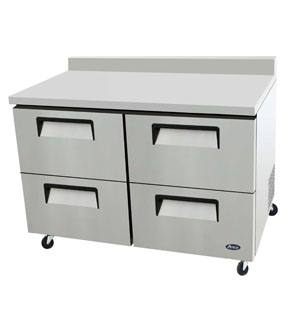
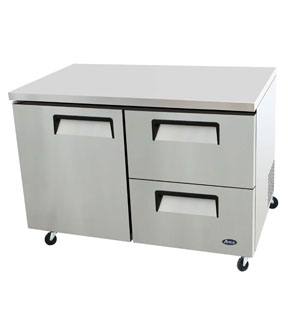
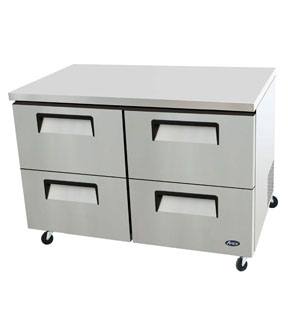
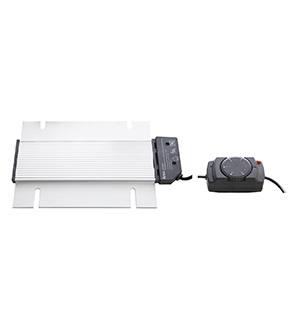
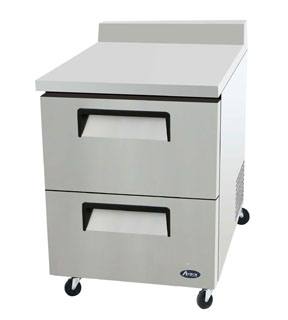
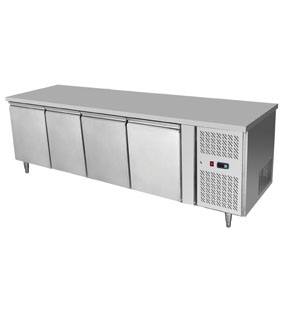
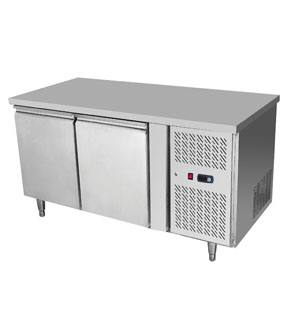
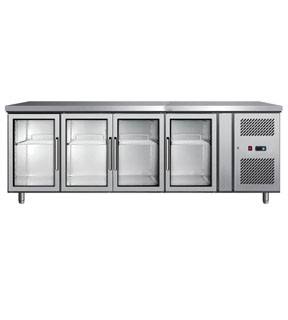
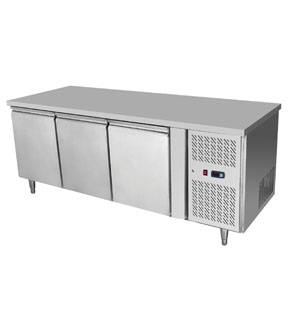
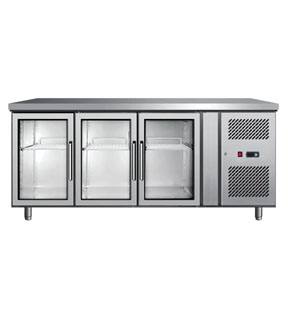
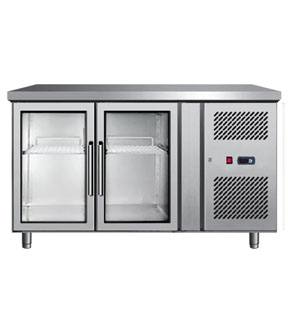
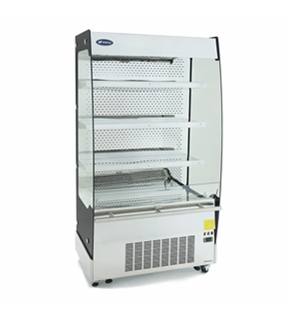
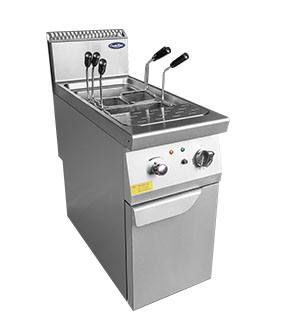
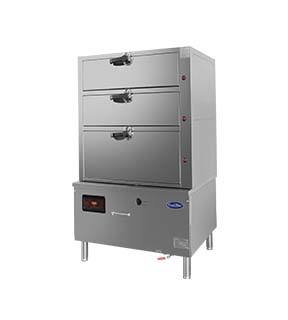
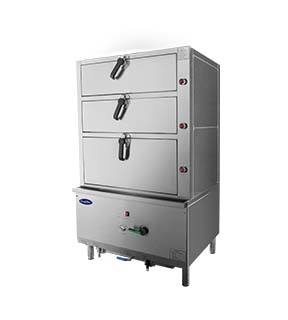
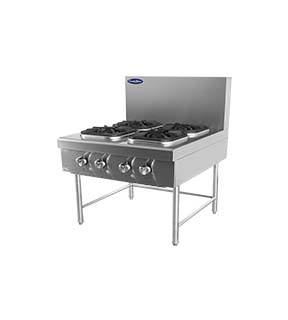
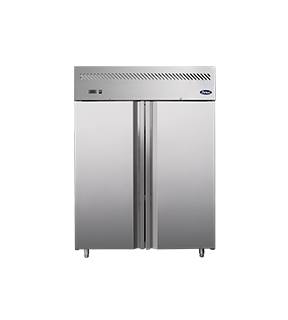
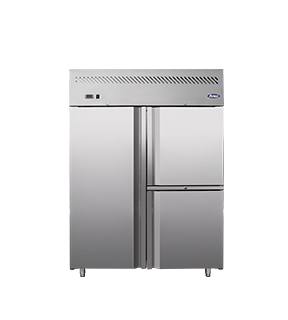
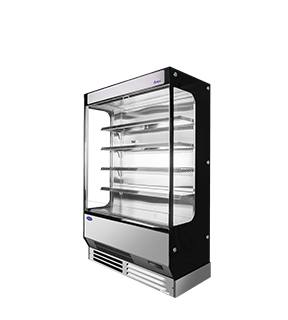
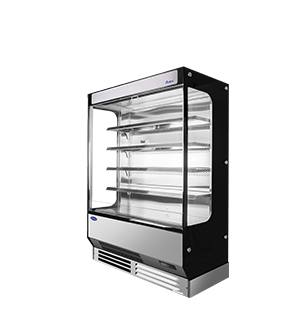
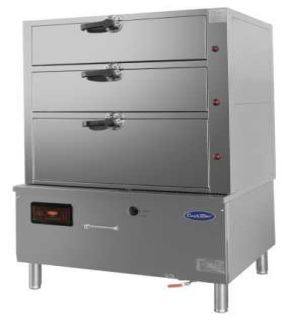
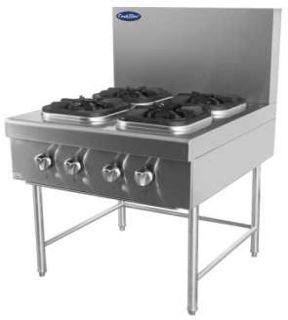
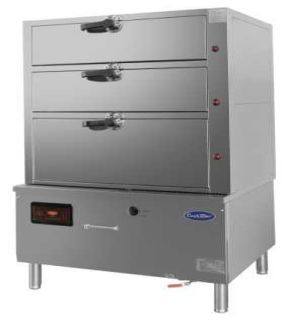
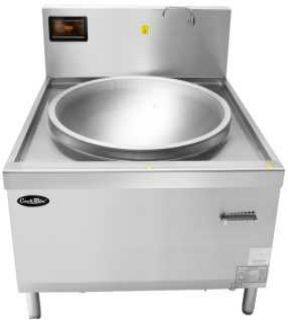
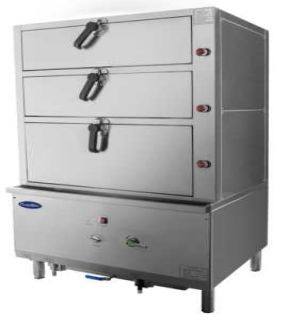
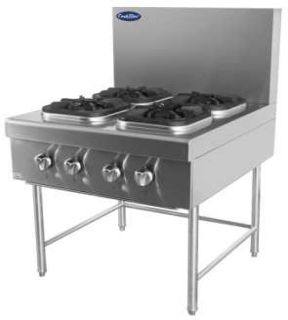
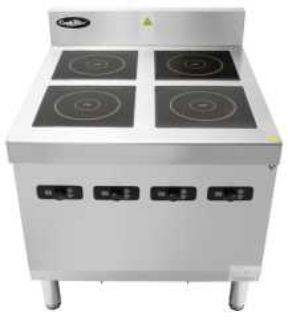
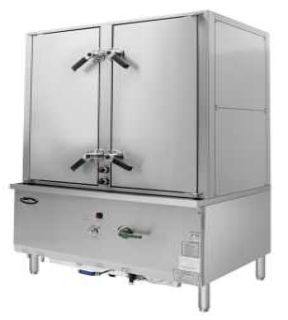
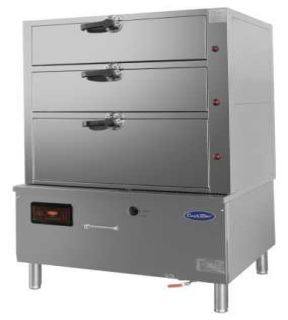
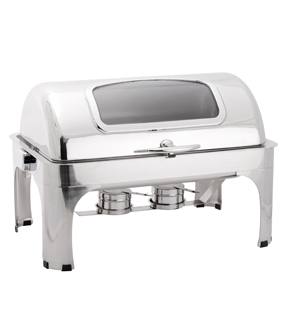
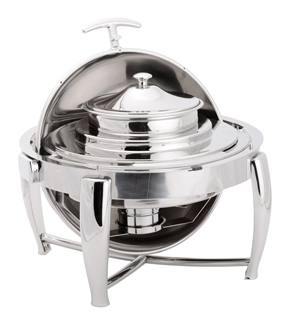
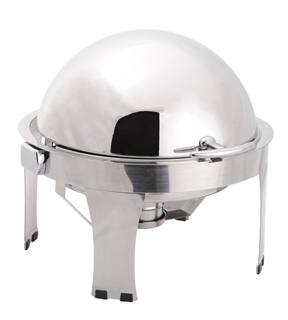
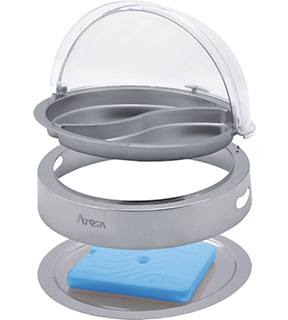
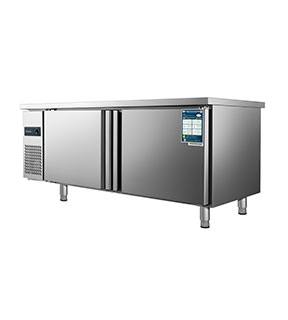
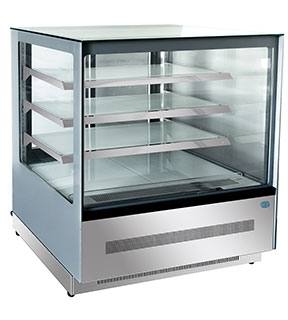
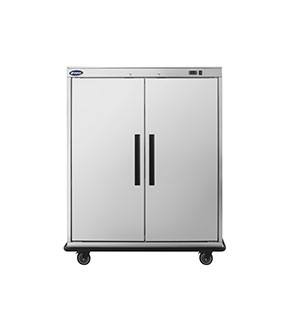
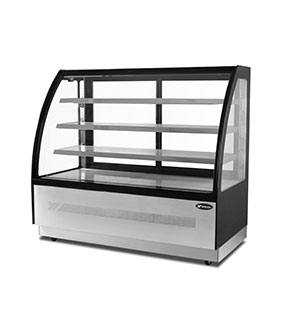
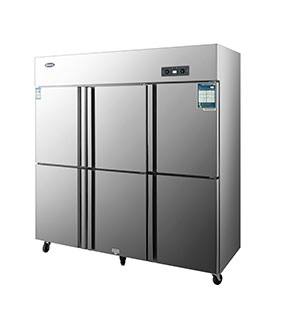
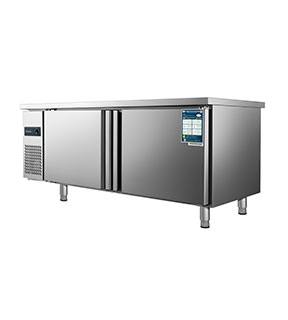
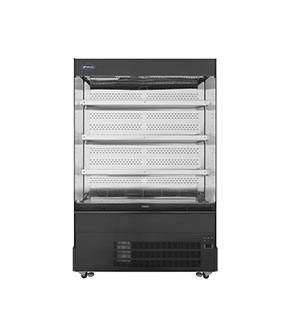
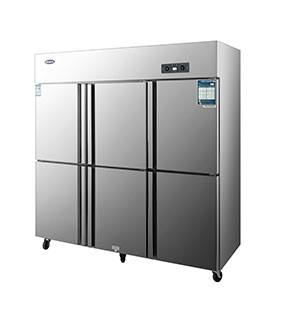
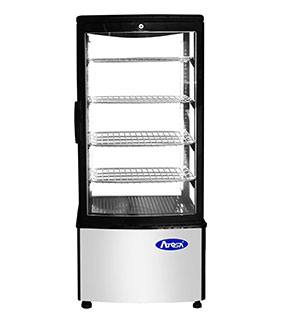
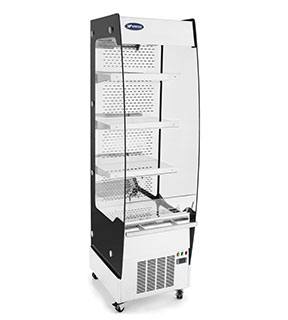
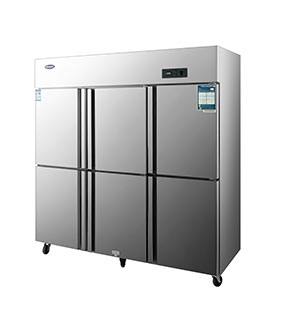
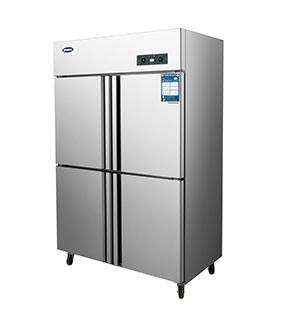
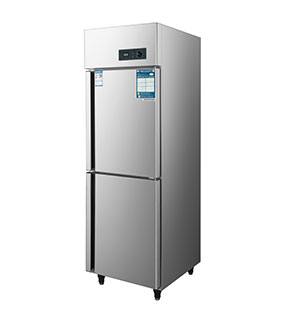
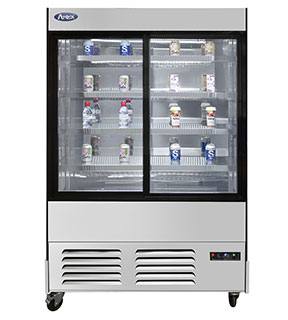
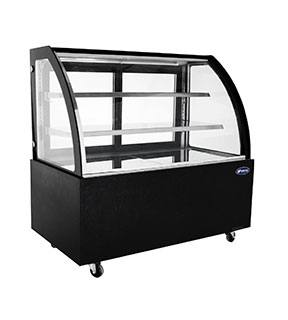
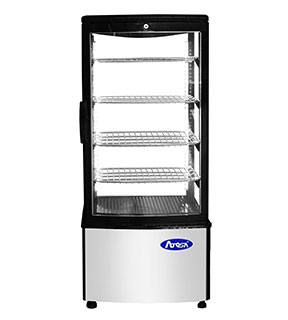
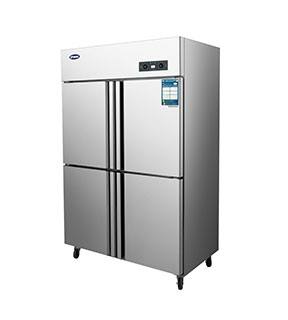
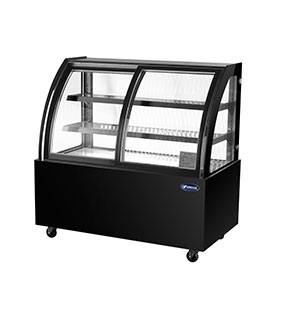
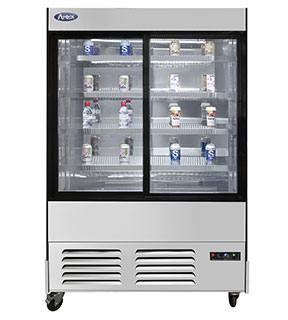
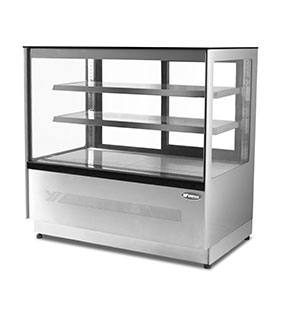
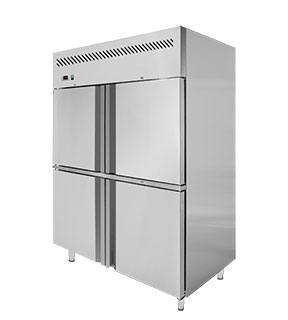
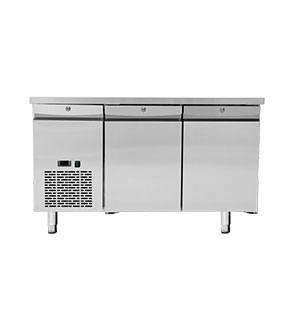
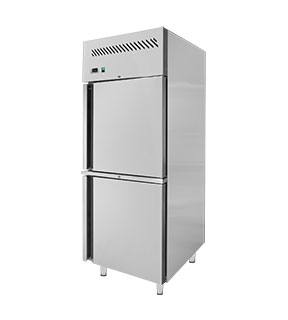
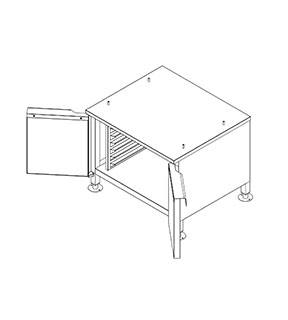
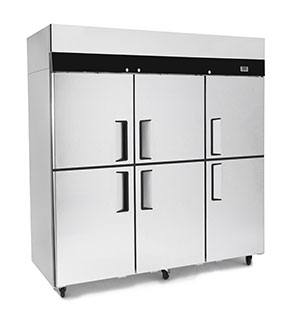
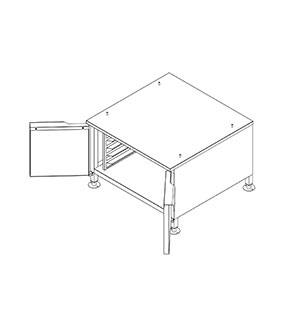
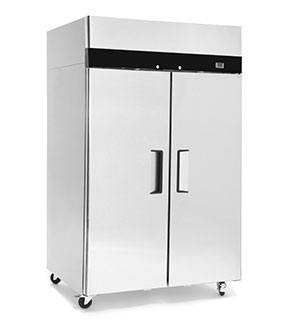
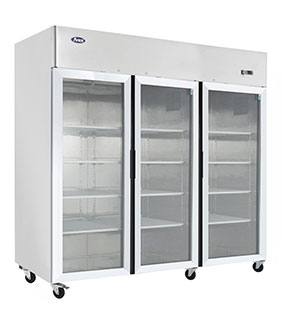
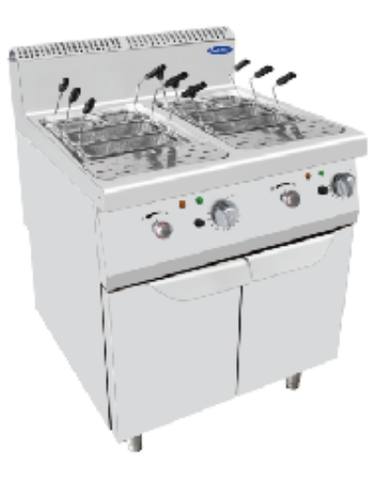
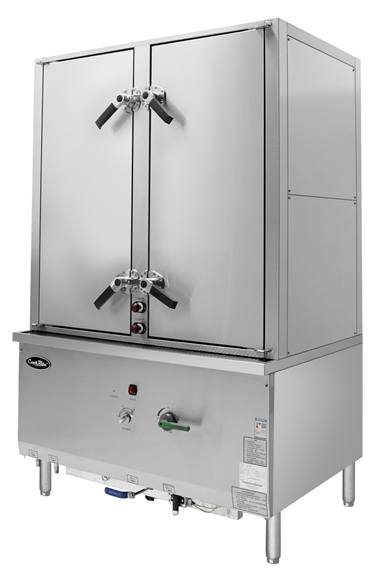
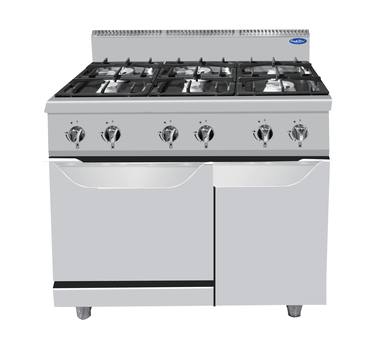
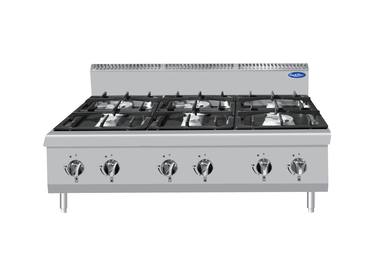
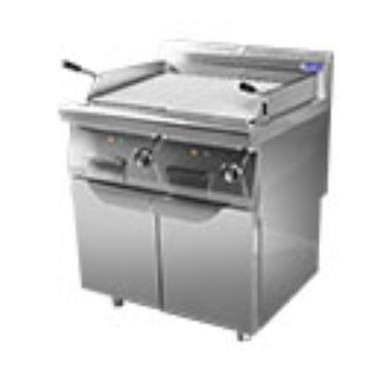
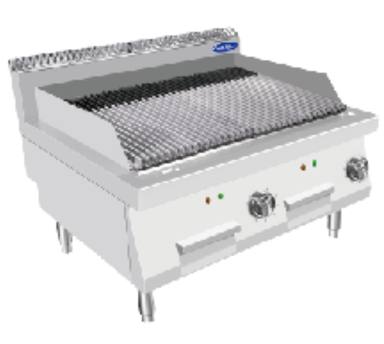
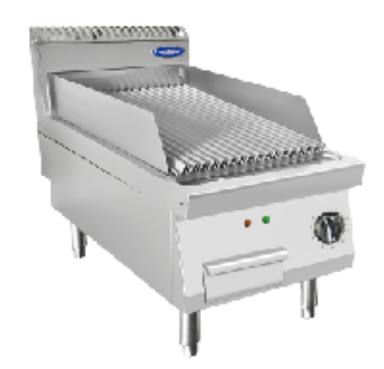
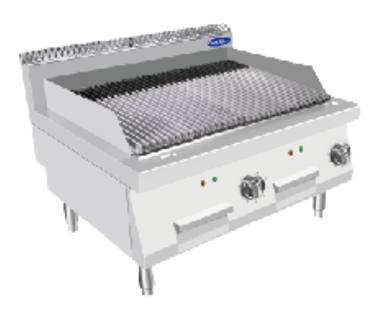
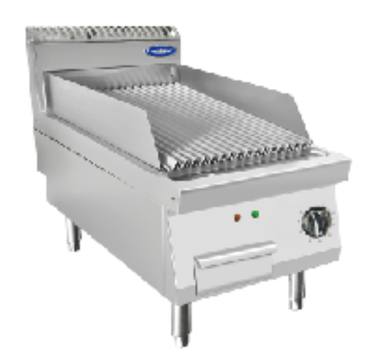
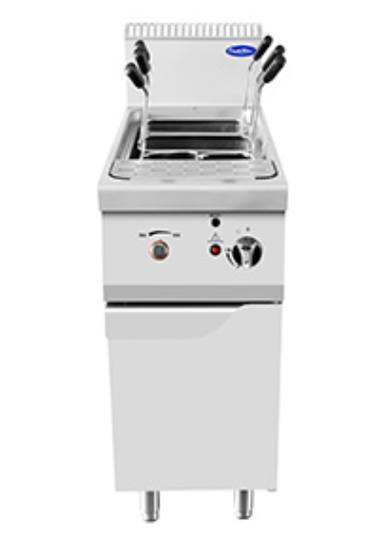
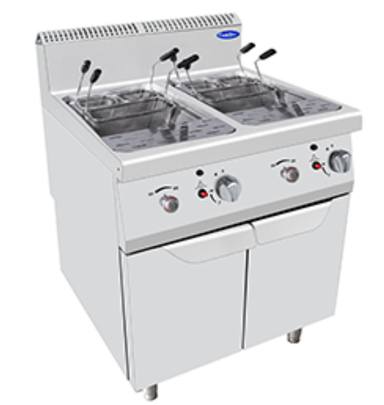
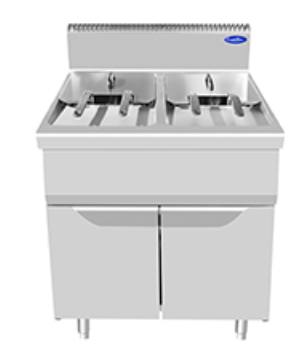
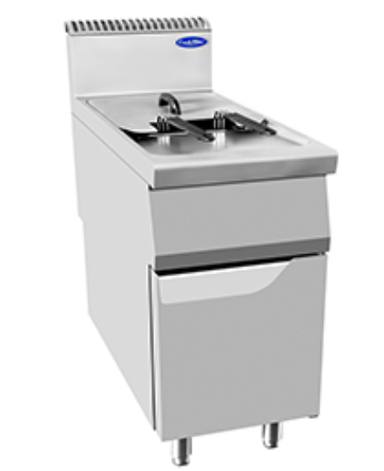
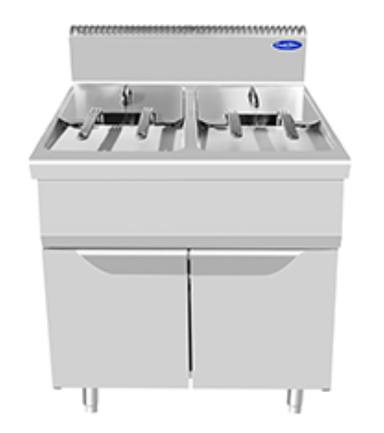
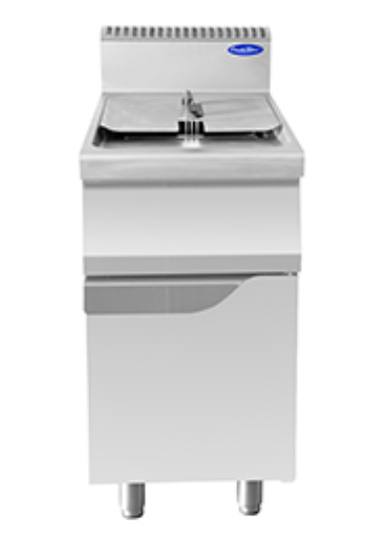
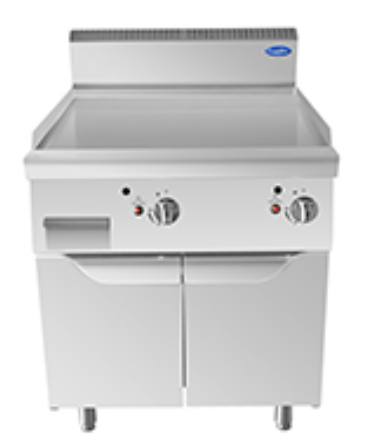
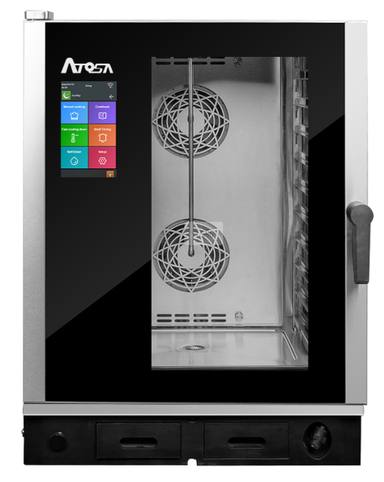
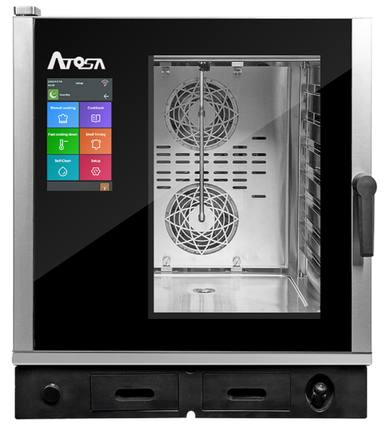
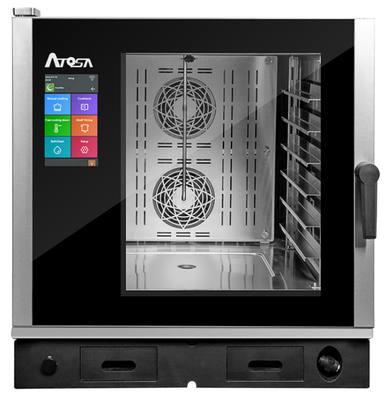
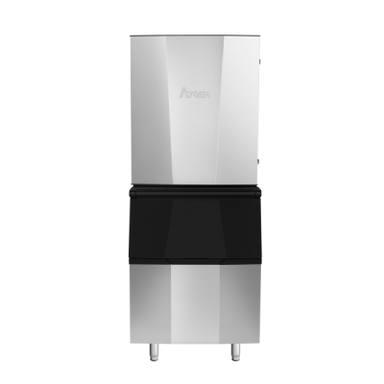
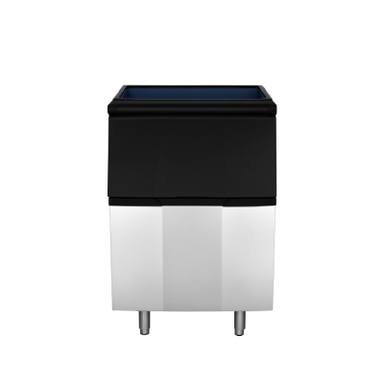
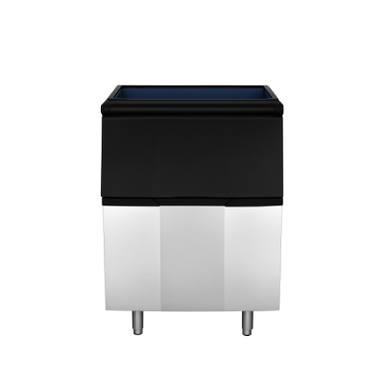
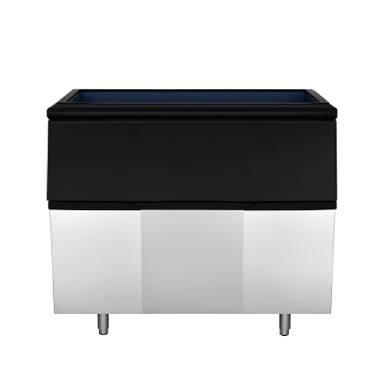
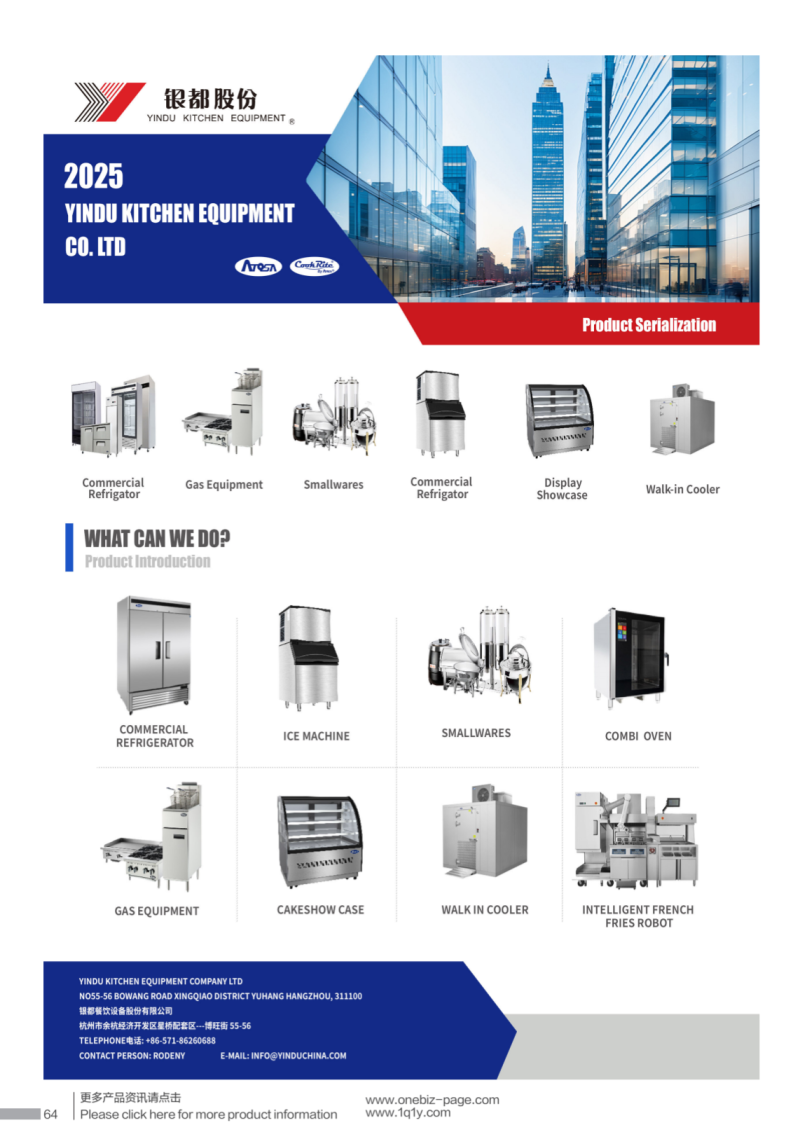
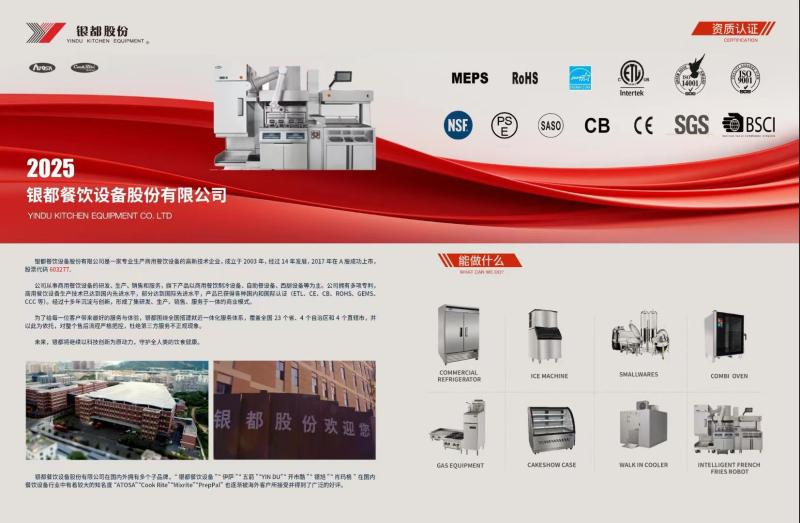
Yindu Kitchen Equipment Co., Ltd. is headquartered at 55-56 Bowang Road, Xingqiao Street, Yuhang District, Hangzhou. It owns brands such as Yindu YINDU, Noca, and CookRite, and is a professional manufacturer in the field of commercial kitchen equipment. Based in Hangzhou and serving scenarios such as catering, hotels, supermarkets, and food processing, the company provides a complete product line ranging from refrigeration and ice making to gas cooking, display and presentation, and intelligent cooking equipment, with a clear industry positioning in the manufacturing and supply of commercial kitchen equipment.
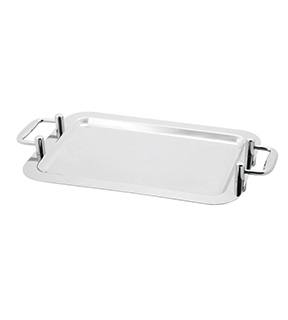
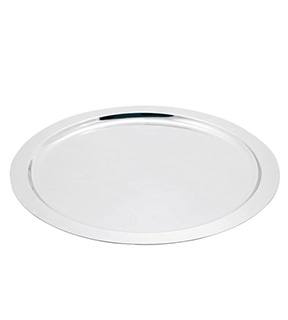
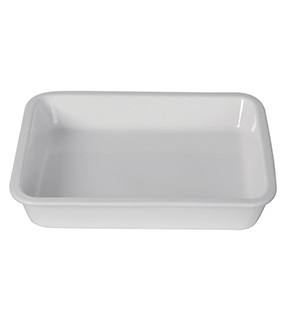
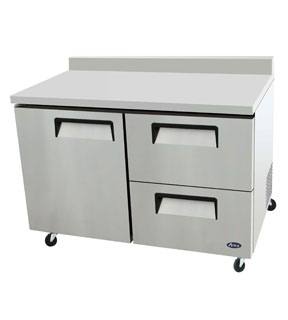
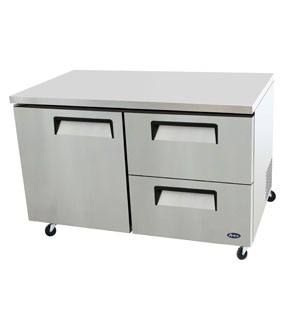
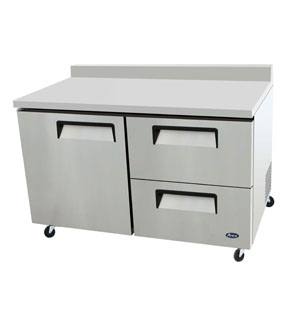
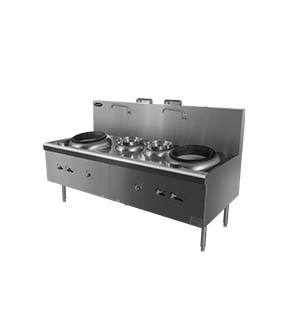
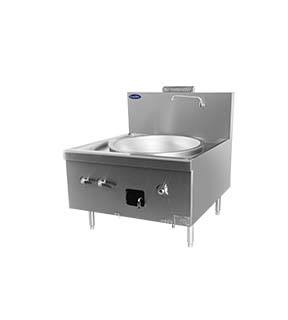
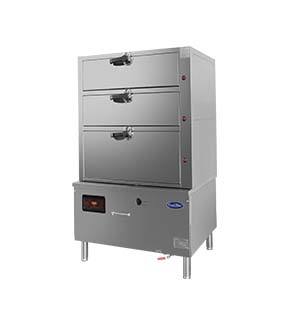
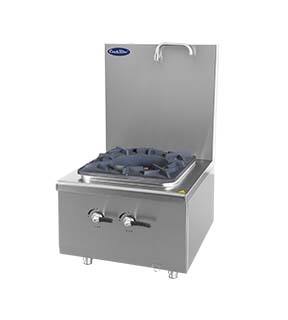
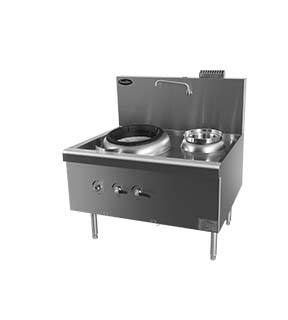
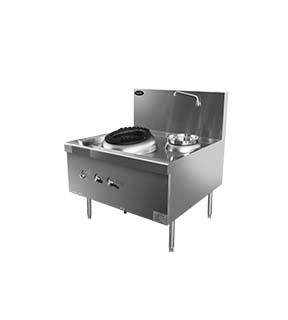
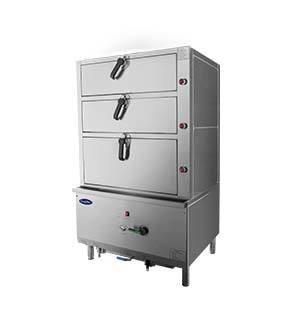
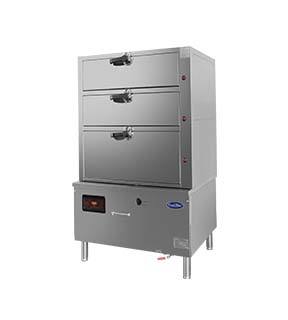
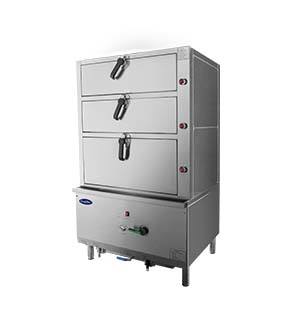
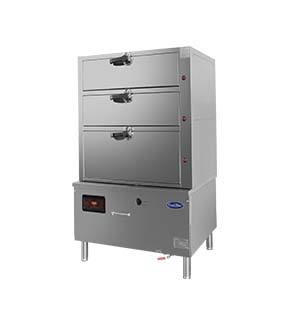
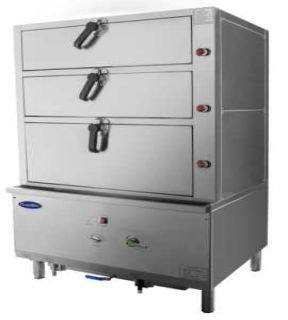
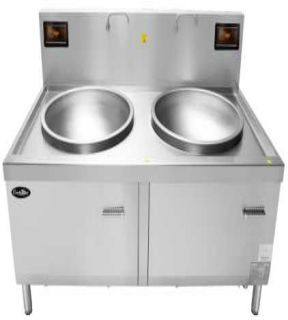
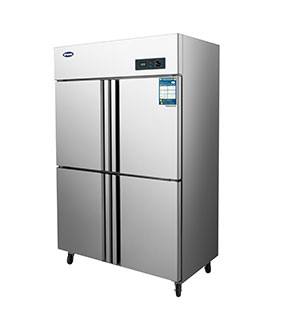
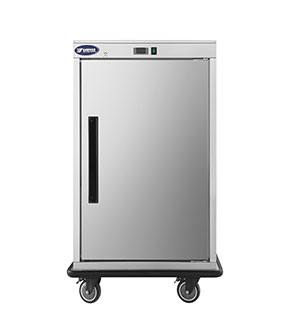
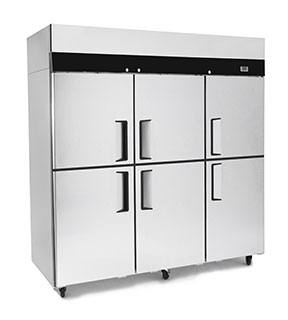
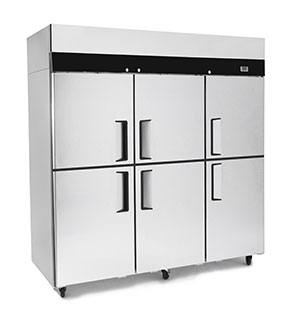
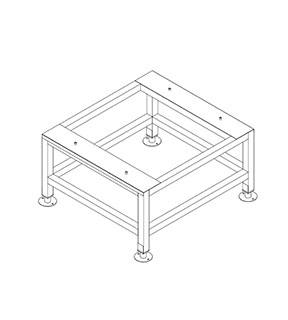
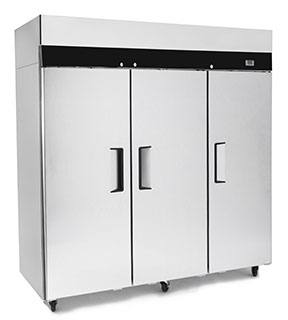
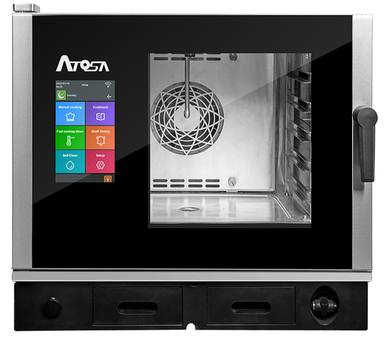
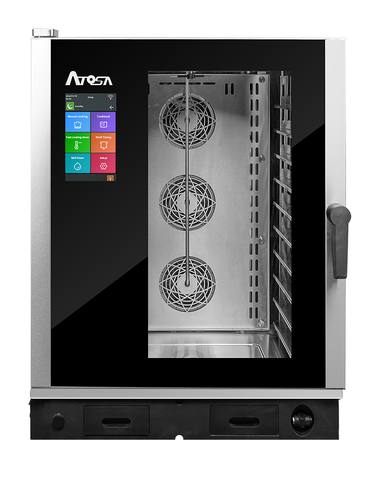
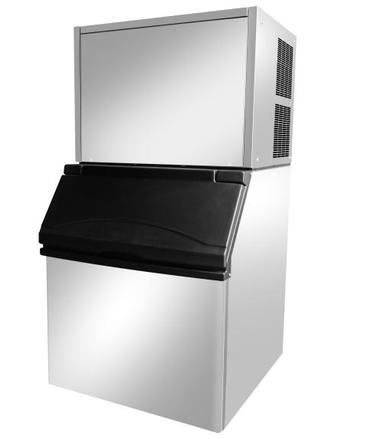
The company's main products cover commercial refrigerated cabinets/refrigerated freezers, ice machines, gas equipment/combination ranges, cake/food display cabinets, assembled cold storage, small kitchen utensils, and intelligent fryer robots. The product line balances standardized batch supply and customized needs, and can be configured around different kitchen workflows, space dimensions, and operating scenarios. Relying on a multi-brand strategy, Yindu YINDU, Noca, and CookRite can respectively target different channels and customer groups, and have the capability to cooperate on OEM and customized projects, meeting buyers' differentiated requirements for specifications, functions, and appearance.
The products of Yindu Kitchen Equipment Co., Ltd. are widely used in catering stores, hotel kitchens, supermarket displays, and food processing sites. Customer types include catering chains, distributors, engineering contractors, and end users. The company provides business contact through telephone +86 571-85265881 and email info@yinduchina.com, and conducts business for export markets. In terms of service, the company provides support around the selection, delivery, and maintenance of commercial kitchen equipment, and is committed to providing buyers with stable and practical equipment solutions.
For commercial refrigerated cabinets, should air cooling or direct cooling be chosen?
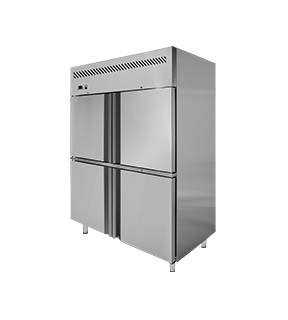
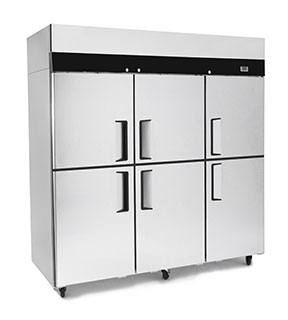
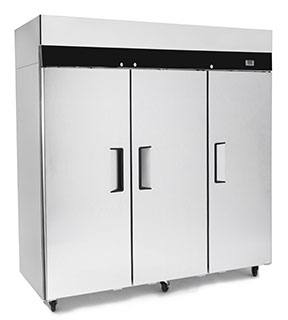
Air cooling provides uniform refrigeration and automatic defrosting, making it suitable for high-frequency door opening and display scenarios; direct cooling has a simple structure and lower cost, making it suitable for prep areas with stable storage volume and low door-opening frequency. When purchasing, the choice should be made based on store workflow, ingredient turnover rate, and defrosting maintenance capability, and it should be confirmed that the cabinet temperature range matches the food storage requirements.
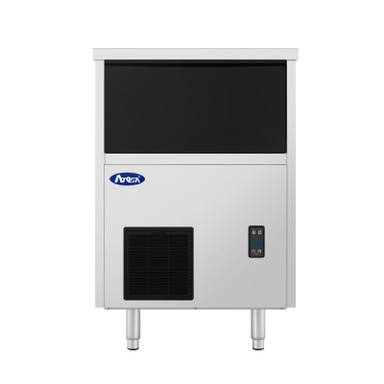
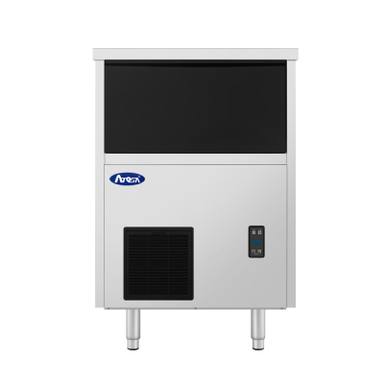
What parameters should be mainly considered when selecting an ice machine?
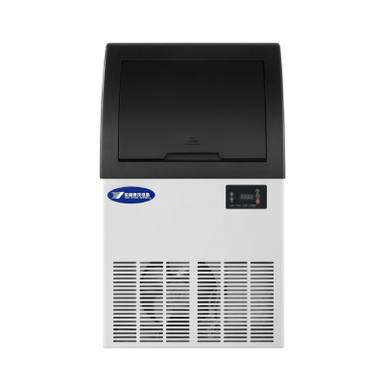
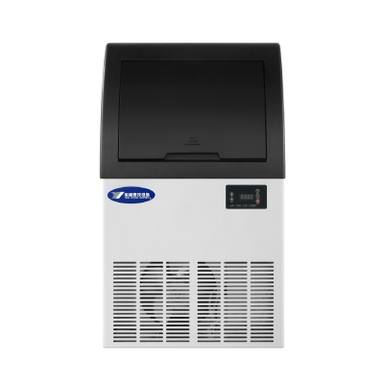
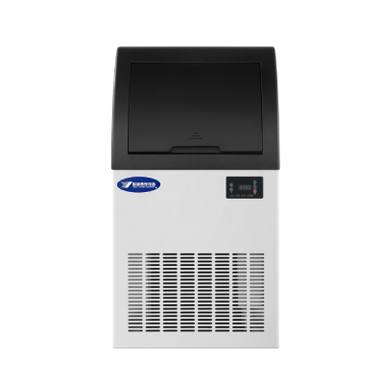
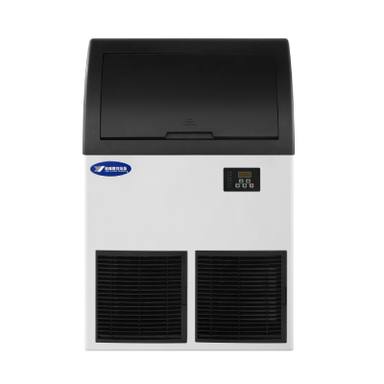
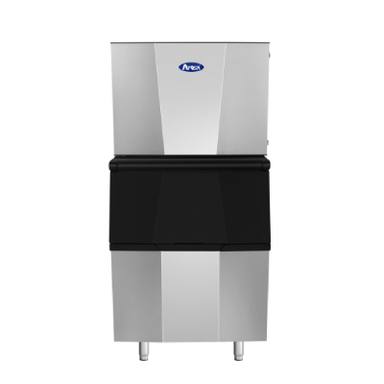
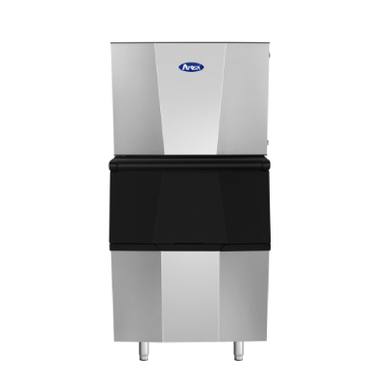
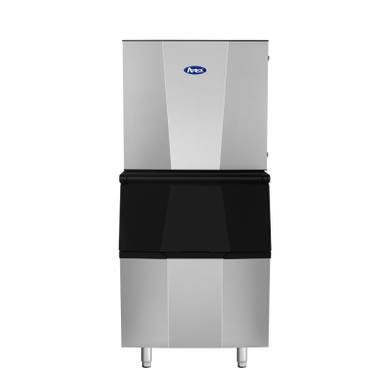
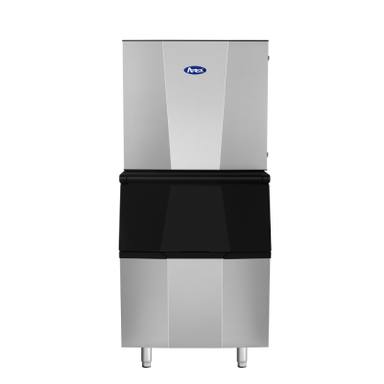
Focus on daily ice production, ice type (cube ice, crescent ice, crushed ice, etc.), ice storage capacity, power specifications, and water inlet conditions. Daily ice production should be configured with an upward margin according to peak-period ice usage to avoid continuous full-load operation; at the same time, confirm the condensation method (air-cooled or water-cooled) and the kitchen ventilation and heat dissipation conditions. Water-cooled models require consideration of water source and drainage.
What should be noted about the material and installation of gas combination ranges?
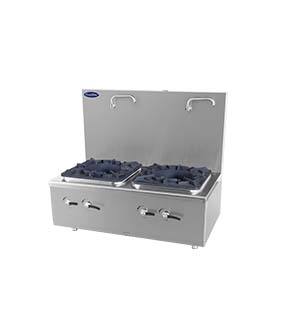
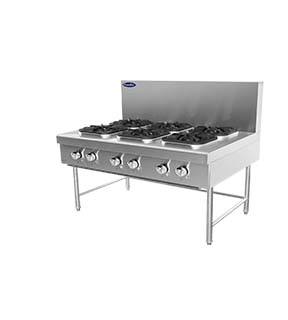
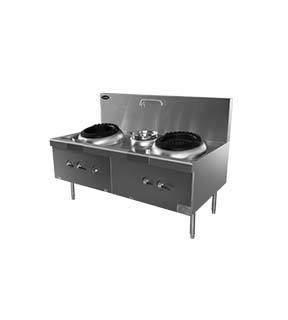
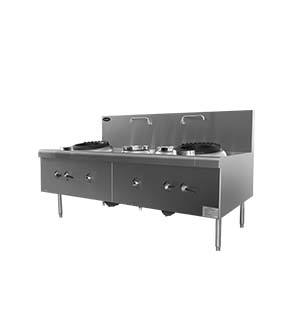
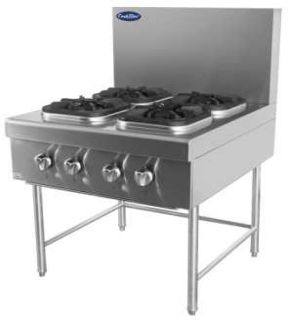
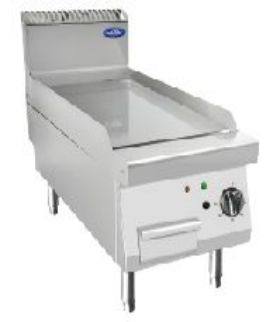
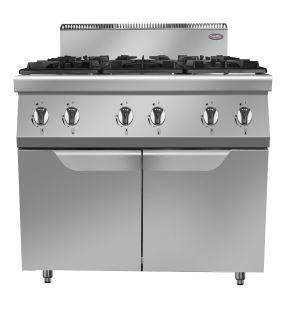
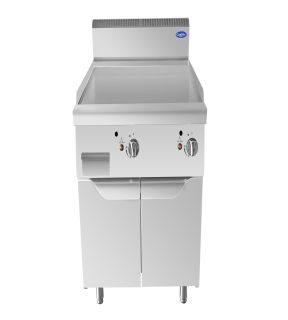
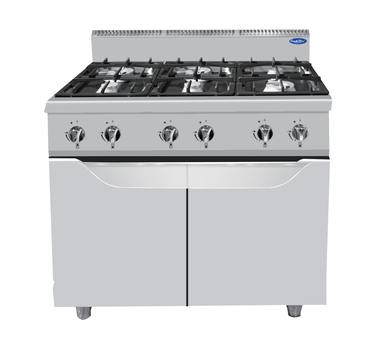
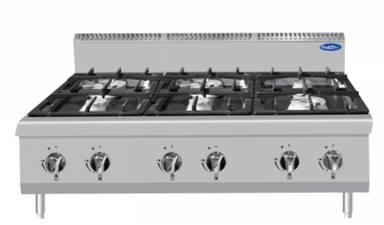
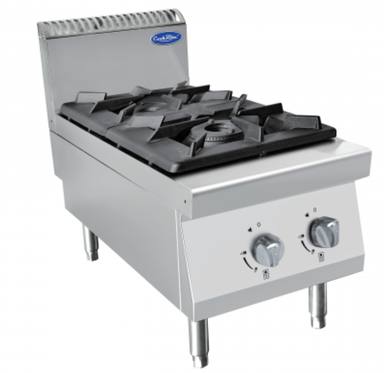
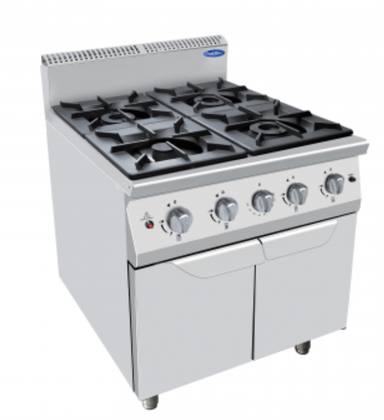
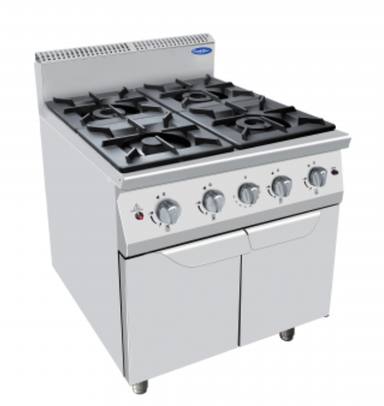
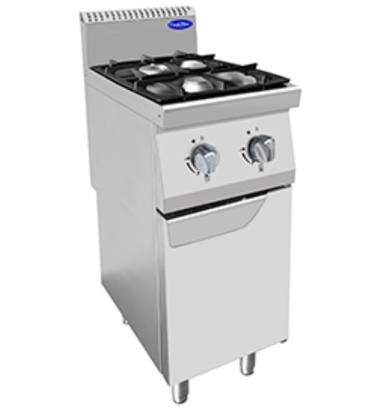
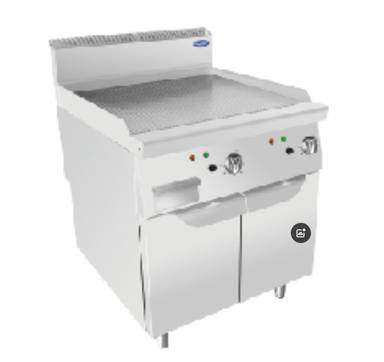
The range body usually adopts a stainless steel structure, and the materials of the countertop, grate, and burners affect durability and cleaning difficulty. For installation, it is necessary to confirm the gas type (natural gas or liquefied gas), gas supply pressure, exhaust conditions, and air intake space, and the connection should be made by certified personnel in accordance with local gas regulations. Before purchasing, check whether the equipment dimensions match the kitchen exhaust hood and operating clearances.
How can cake/food display cabinets ensure display effect and food safety?
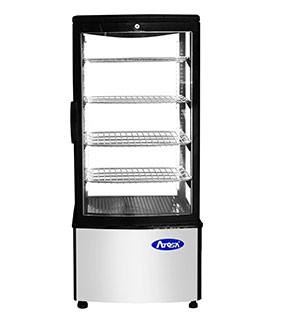
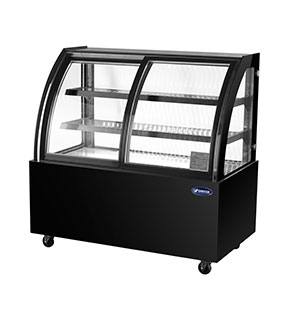
Display cabinets need to balance visibility, temperature control stability, and anti-fog effect. When selecting, confirm the temperature range, number of glass layers, lighting method, and defogging configuration, and pay attention to whether the internal air duct is uniform. In daily use, frequent door opening should be avoided, and the air duct and sealing strips should be cleaned regularly. Temperature records and regular defrosting maintenance should be carried out in accordance with food safety requirements.
How should certification and maintenance be confirmed when purchasing assembled cold storage and intelligent fryer robots?
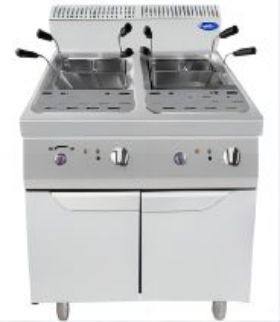
For assembled cold storage, it is necessary to confirm the panel material, thickness, fire rating, and matching of the refrigeration unit, and after installation check sealing and drainage; for intelligent fryer robots, electrical safety, temperature control protection, and easy-to-clean structures should be confirmed. When purchasing, certification documents, manuals, and maintenance plans for the corresponding products should be requested from the supplier, and electrical and gas-related acceptance should be completed in accordance with local requirements.