Shandong Dongfang Huawei Ventilation Equipment Co., Ltd is headquartered in Xingfu Town, Boxing County, Binzhou, Shandong, and is a manufacturer focused on fume purification and exhaust equipment.
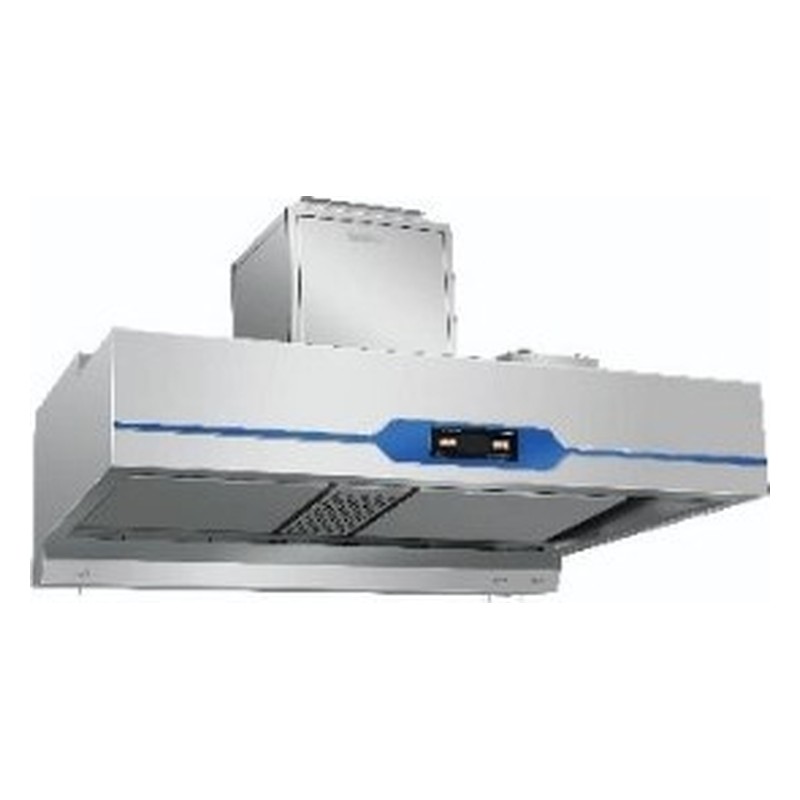
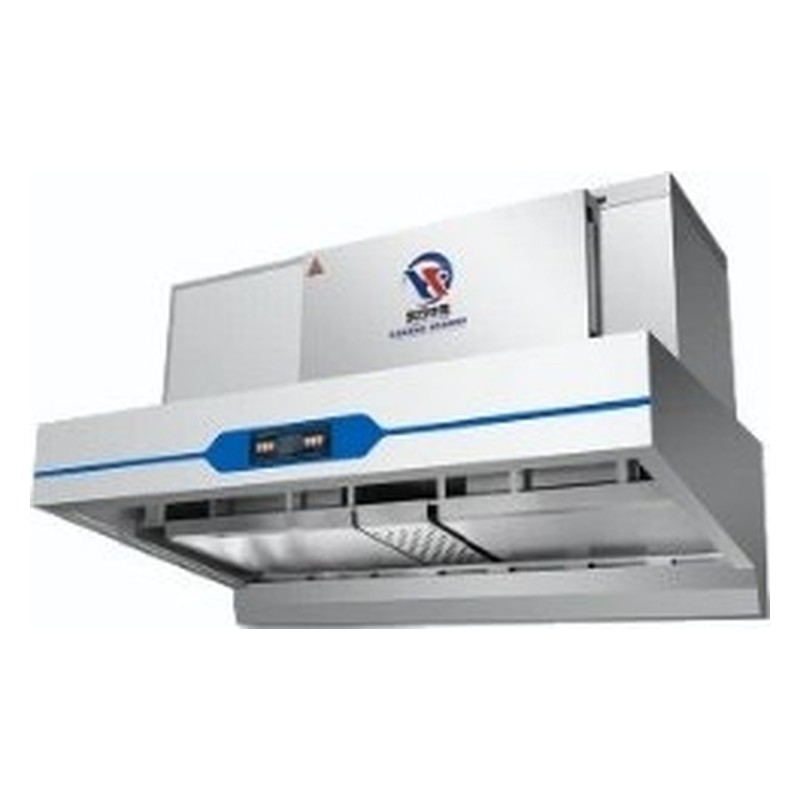
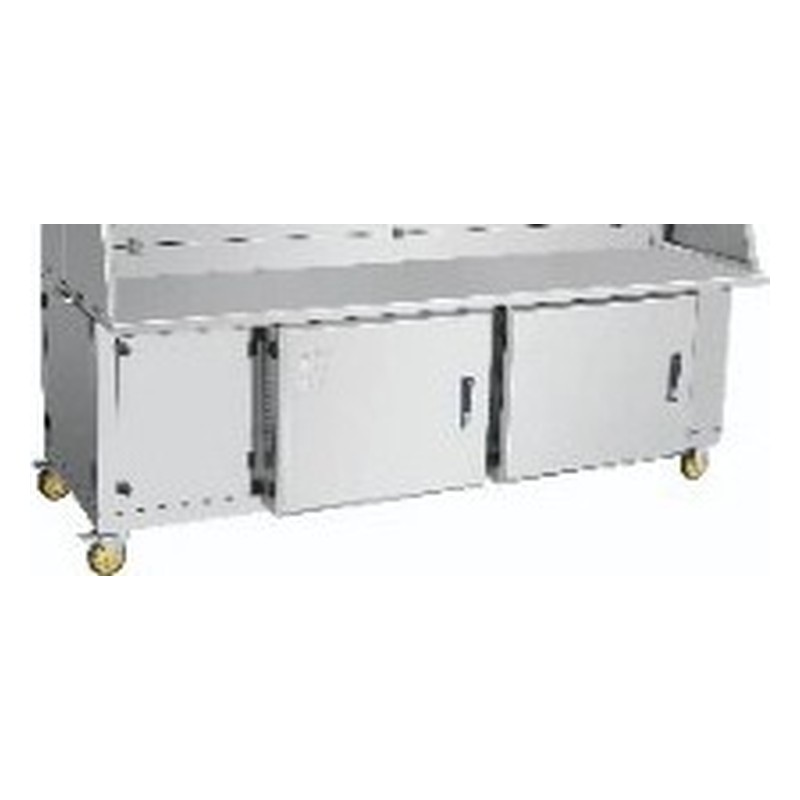
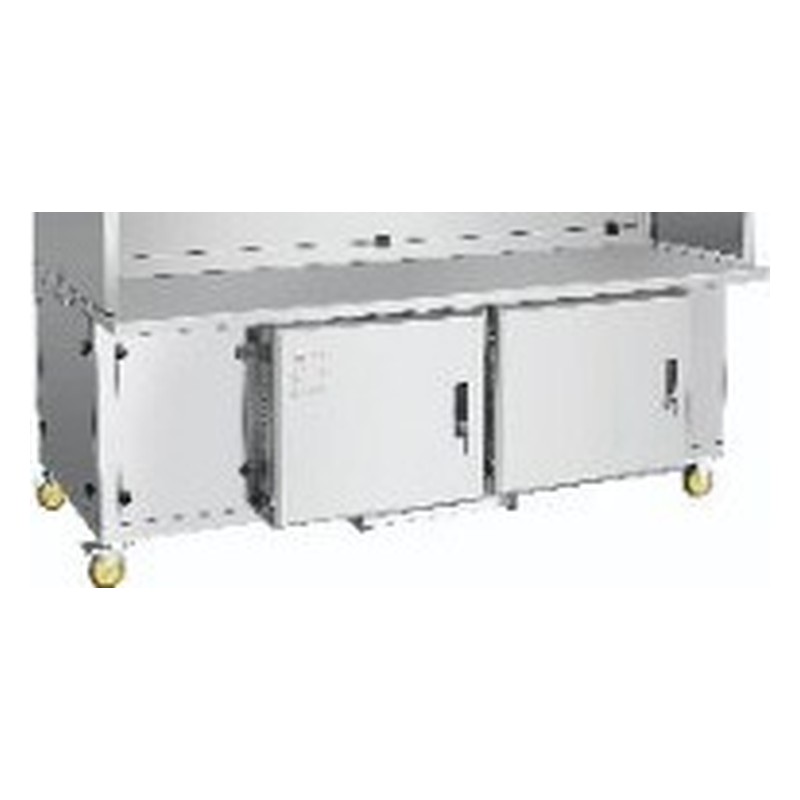
The company's main products include integrated fume purification machines (UV/electrostatic/composite), fume collection hoods/exhaust hoods, electrostatic fume purifiers, smokeless barbecue carts, and other products. It has formed a relatively complete product system around fume purification and exhaust equipment, which can meet the needs of different scales of catering, hotels, and group meal scenarios. It also supports specification customization and OEM/ODM cooperation according to customer needs.
With stable products and services, the company's products have been sold to many countries and regions, serving catering chains, hotels, canteens, distributors, and engineering customers. The company insists on taking quality and reputation as its foundation, and welcomes domestic and foreign customers to discuss cooperation and develop together.
How do you evaluate the purification efficiency of a fume purifier?
You should check the oil fume removal rate against the test report, and match the processing air volume to the number of burners, the hood area, and the duct length. Even with high efficiency, insufficient air volume makes it hard to meet standards; excessive air volume can also affect purification performance, so selection must be calculated based on actual working conditions.
How do you choose between electrostatic, UV photolysis, and hybrid types?
Electrostatic types use a high-voltage electric field to capture oil fume particles, are widely used, and require regular cleaning; UV photolysis focuses on odor removal; hybrid types (mechanical + electrostatic + UV, etc.) handle both smoke and odor and are suitable for locations with heavy fume and odor and high environmental requirements.
What is the difference between an integrated fume purifier and a split-type unit?
An integrated unit combines the hood, purification, and fan, takes up little space, and installs quickly, making it suitable for renovations and kitchens with limited space; a split-type unit offers flexible duct layout and is suitable for centralized treatment in large kitchens. Choose based on kitchen scale, ceiling height, and duct conditions.
How often should the purifier be cleaned and maintained?
It depends on usage intensity and fume volume; kitchens doing heavy stir-frying need more frequent cleaning of the electric field and filters; long-term neglect reduces efficiency, increases noise, and may even trigger protection, so it is recommended to keep maintenance records.
How should the fan and air cabinet be matched with the purifier?
The fan air volume should match the purifier's processing air volume and duct resistance; too much will reduce purification performance and generate noise, while too little will cause poor exhaust. It is recommended that the manufacturer calculate backward-curved/forward-curved air cabinets or centrifugal fans based on the drawings.
Can it pass local environmental acceptance?
Equipment selection, installation, and test reports must comply with local catering fume emission standards. After installation, it is recommended to cooperate with testing and keep the reports; the manufacturer can provide selection and documentation support.

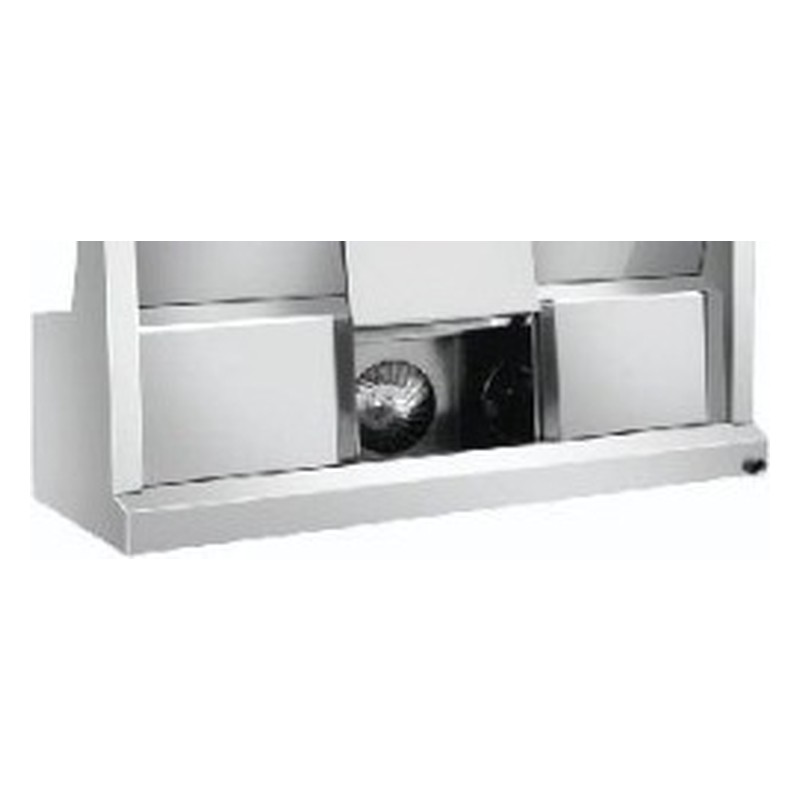
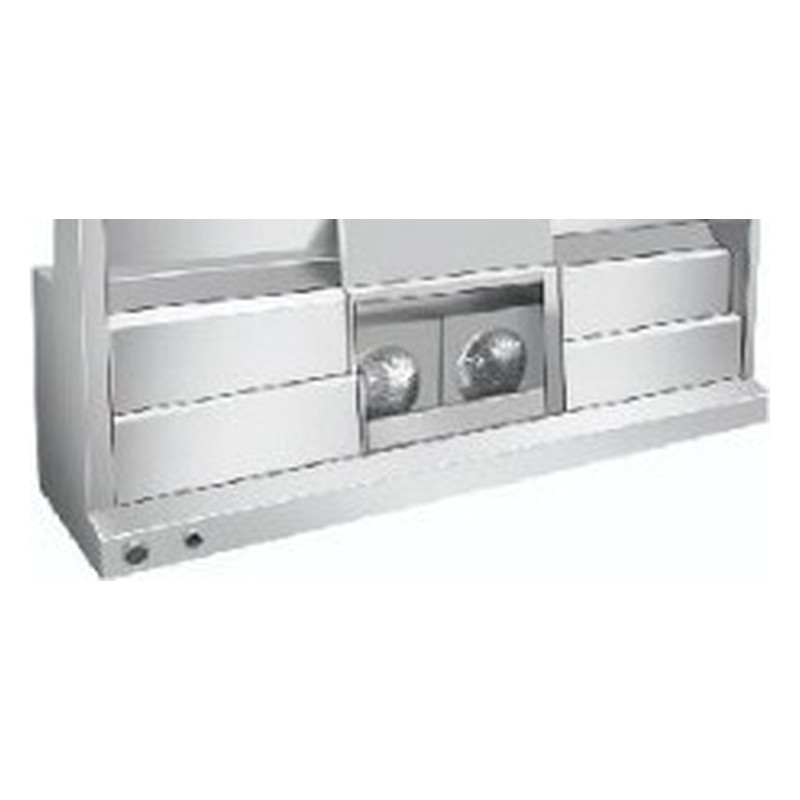
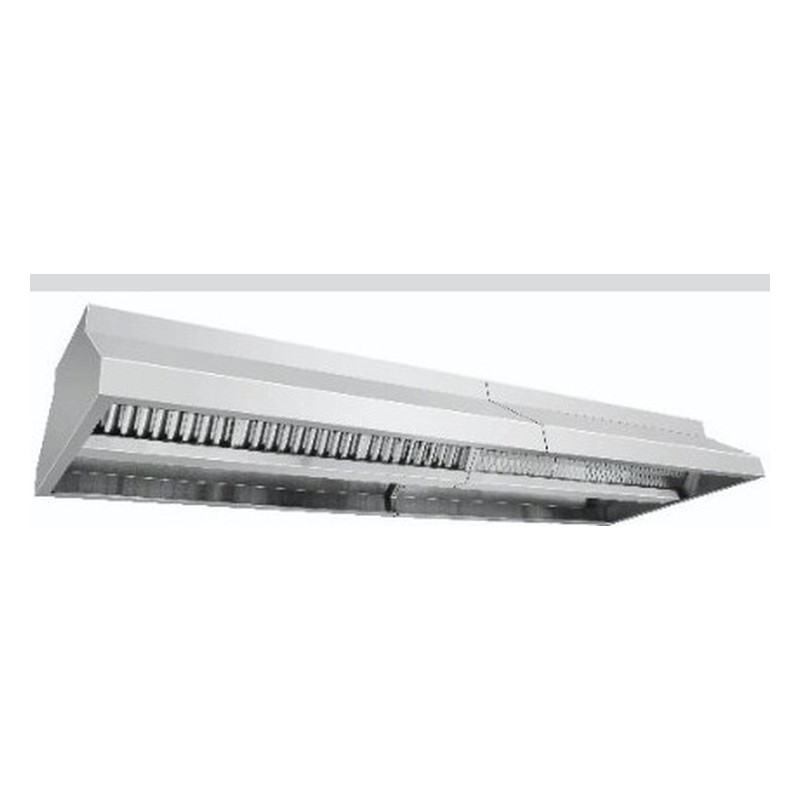
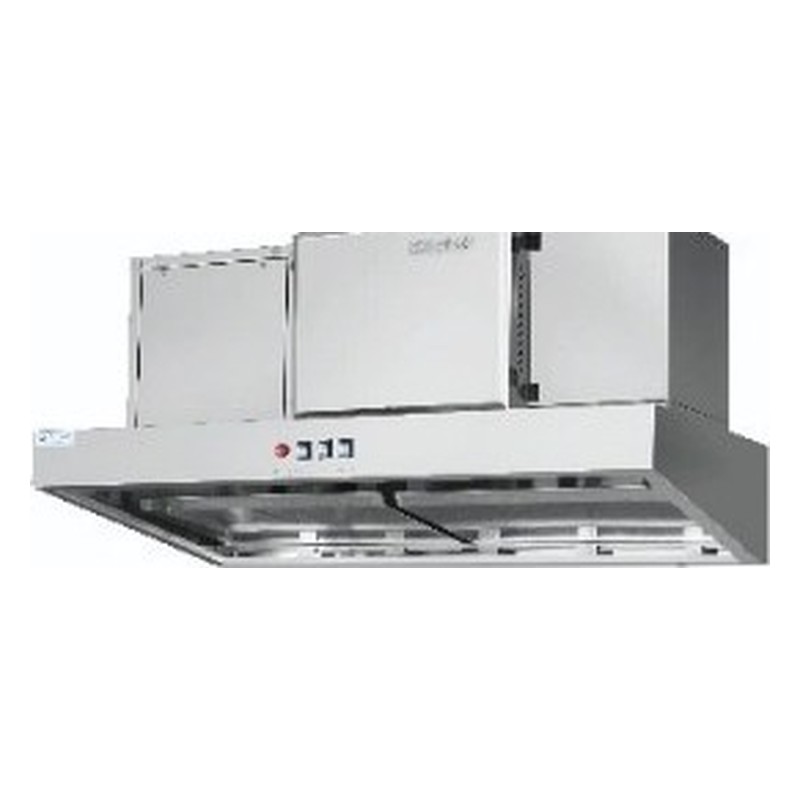
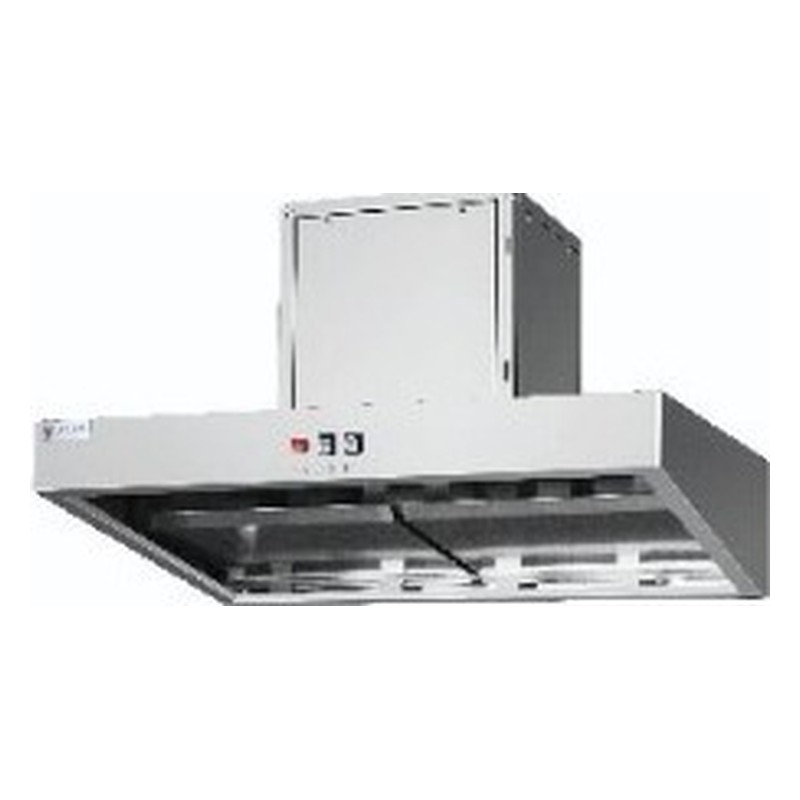
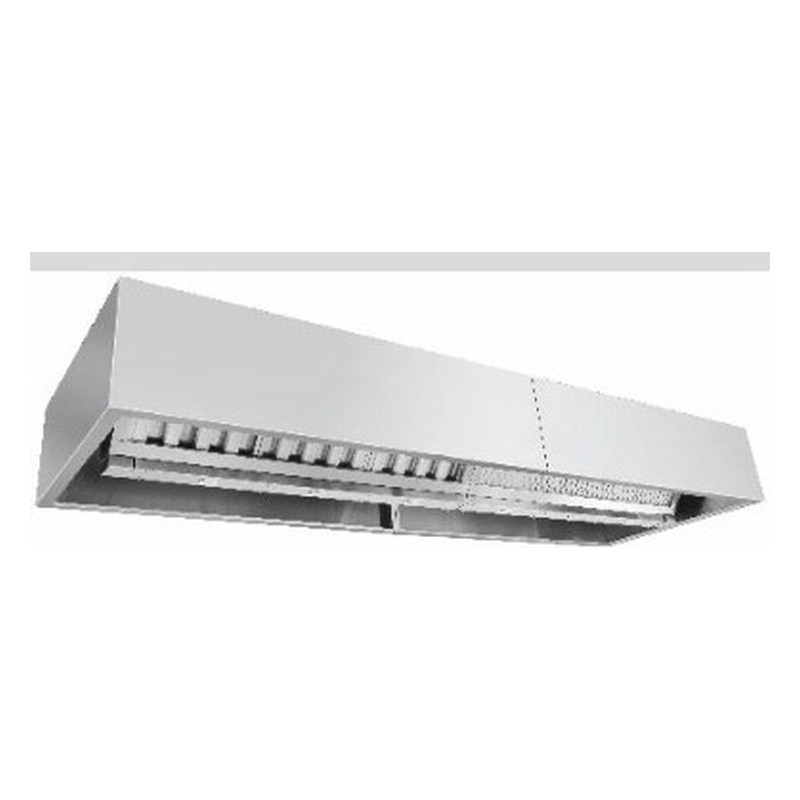
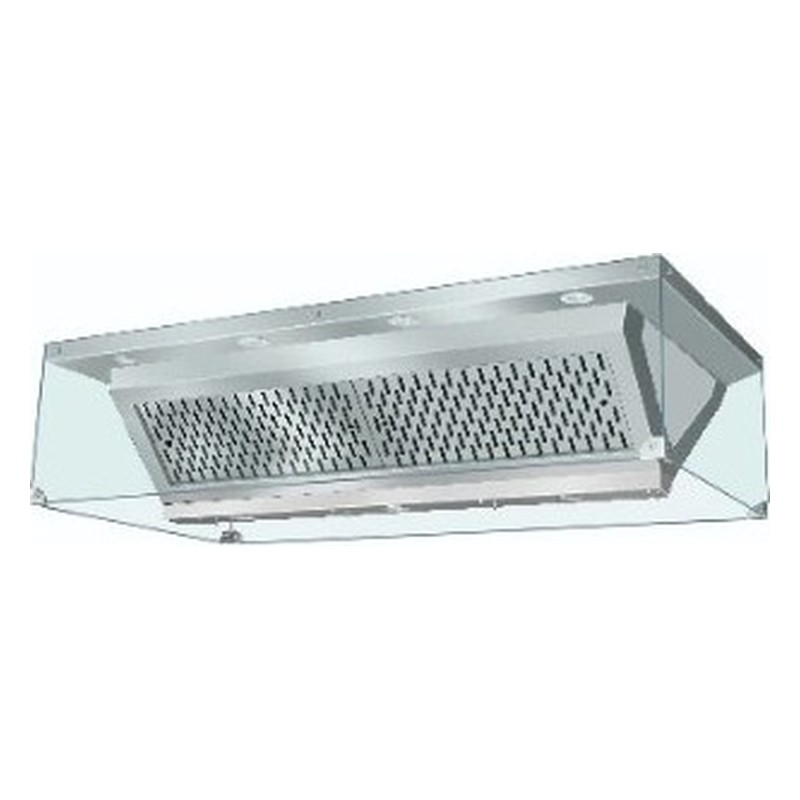
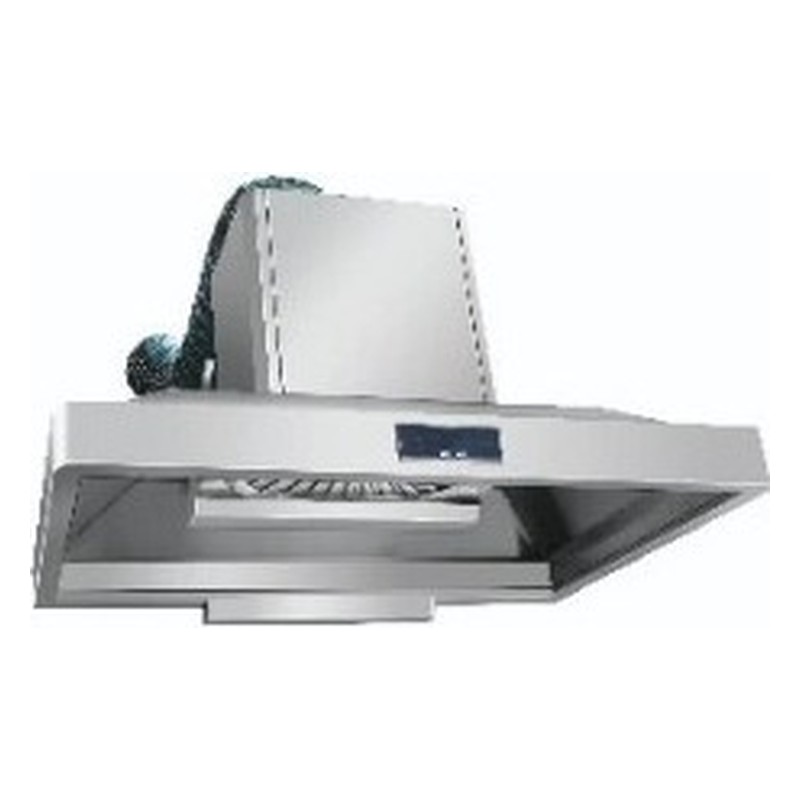
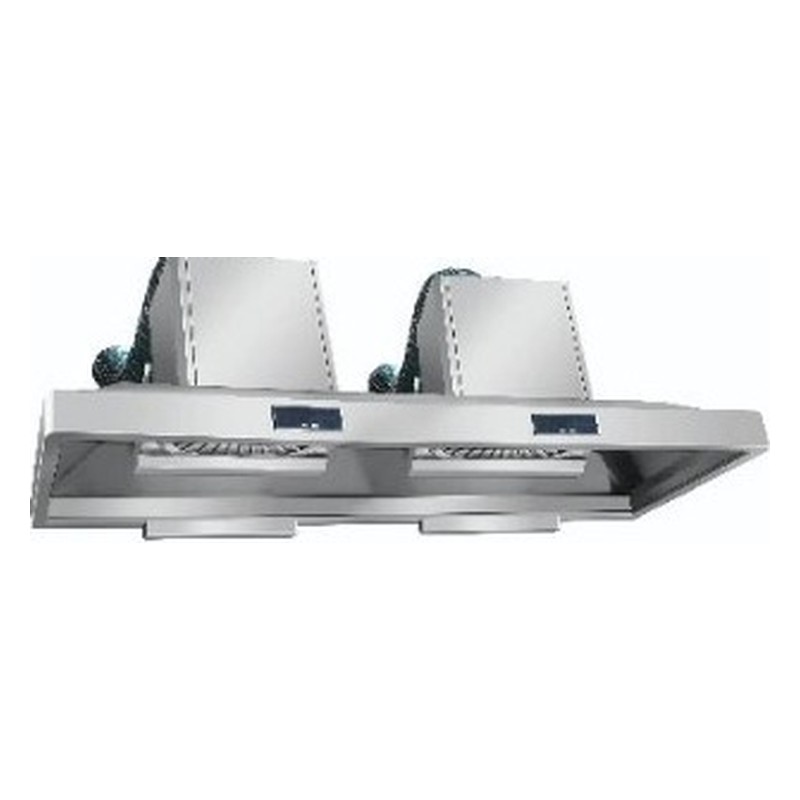
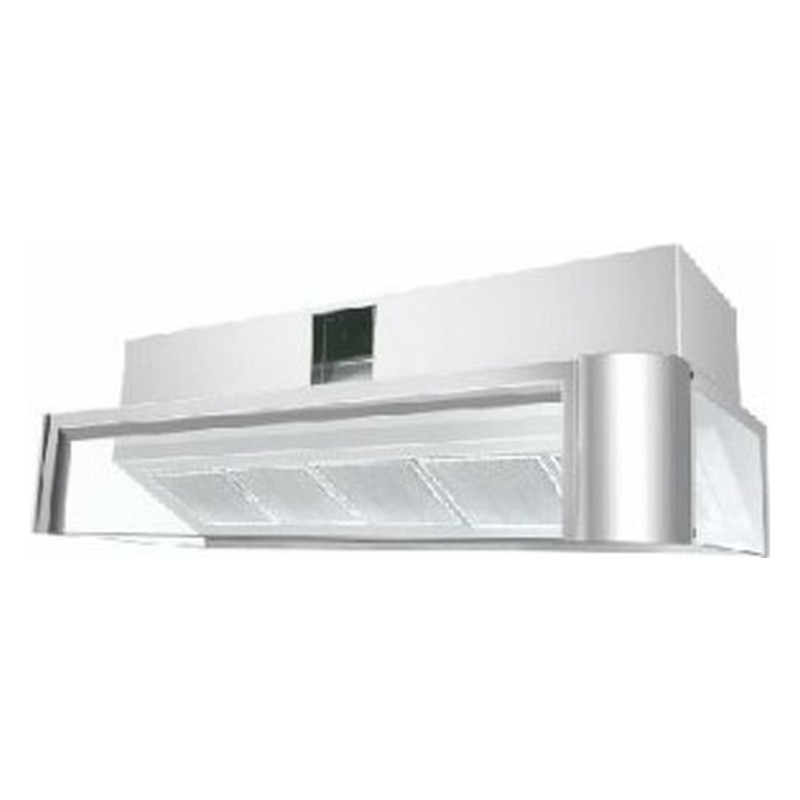
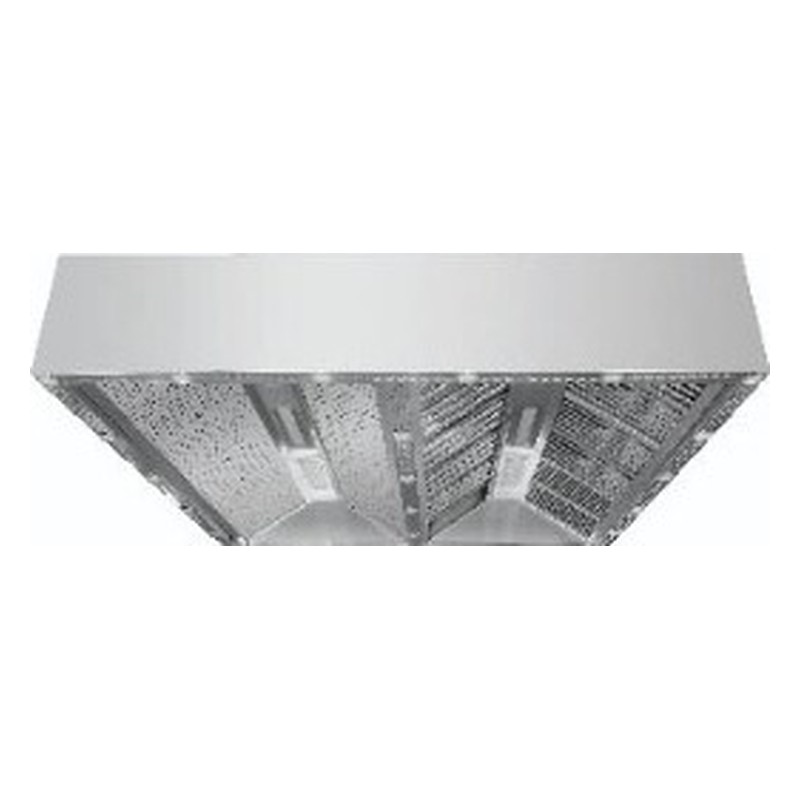
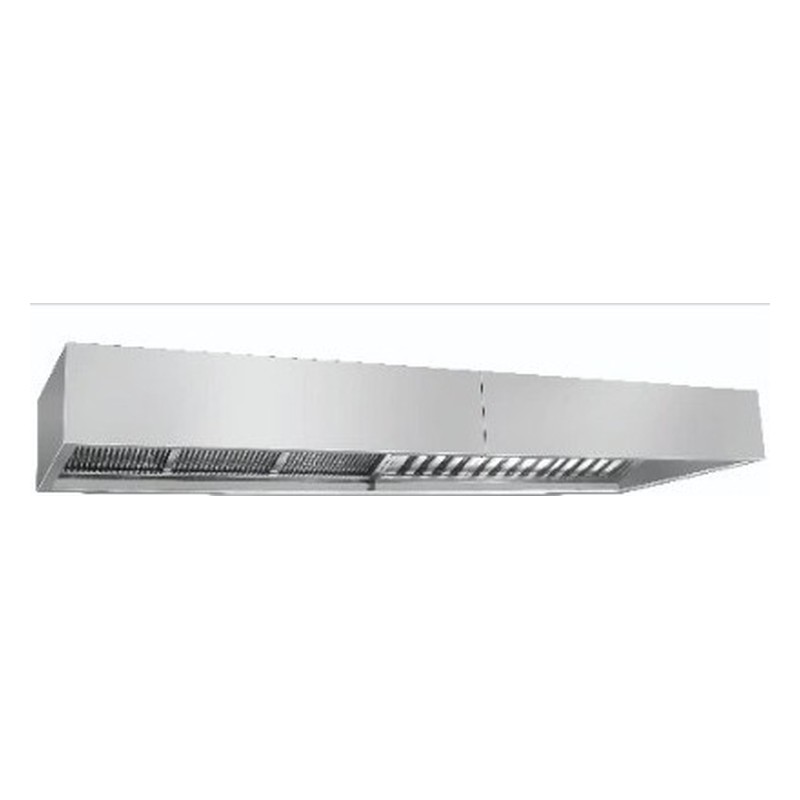
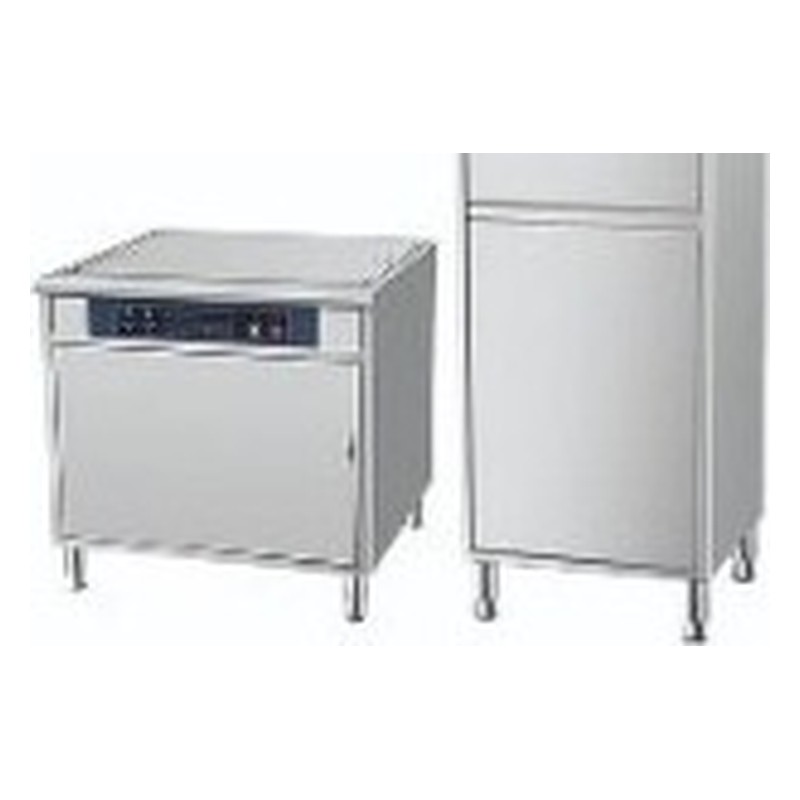
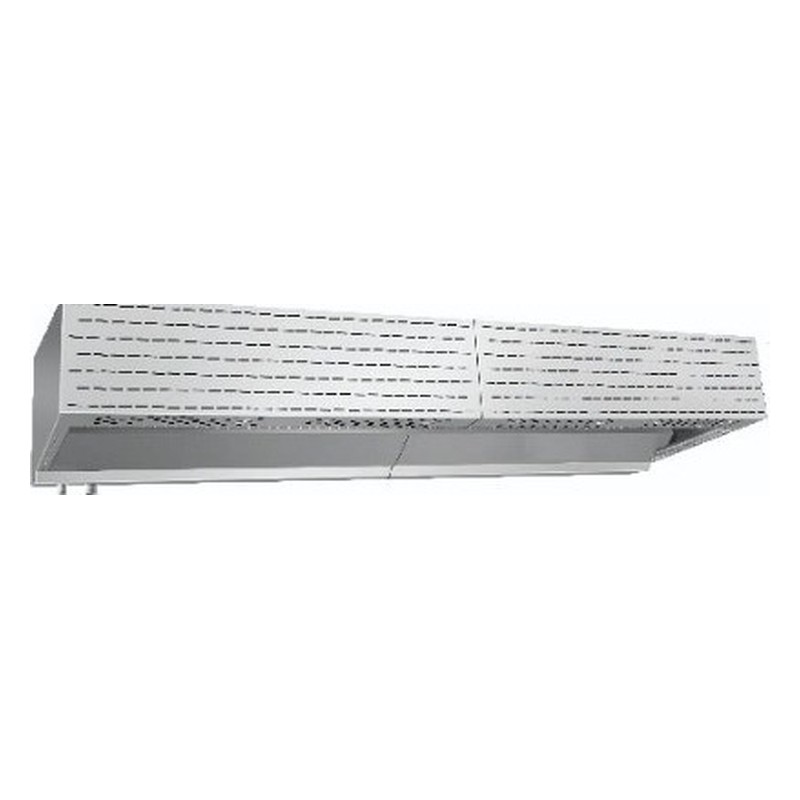
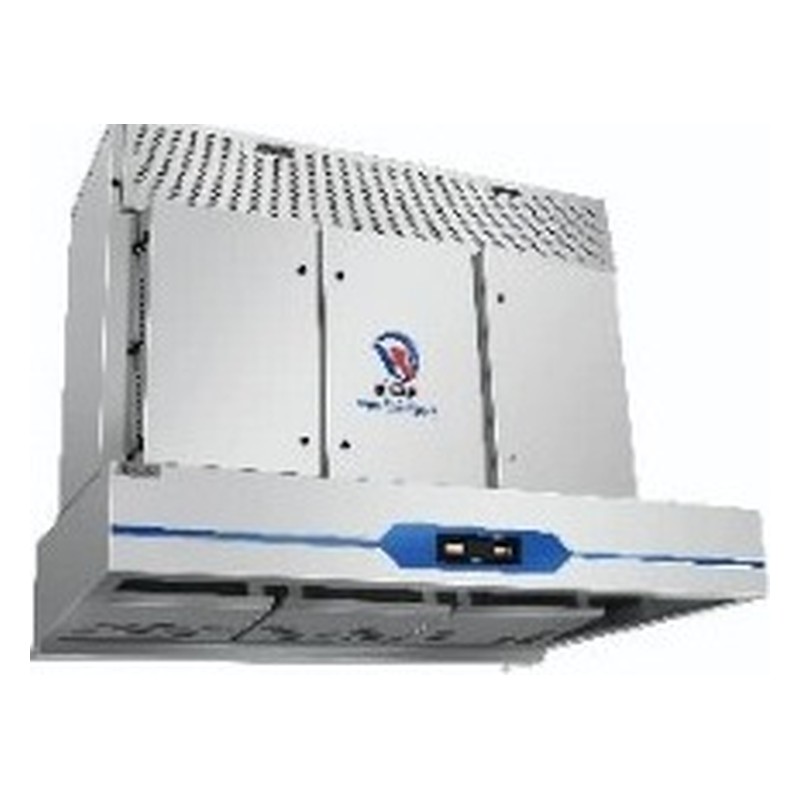
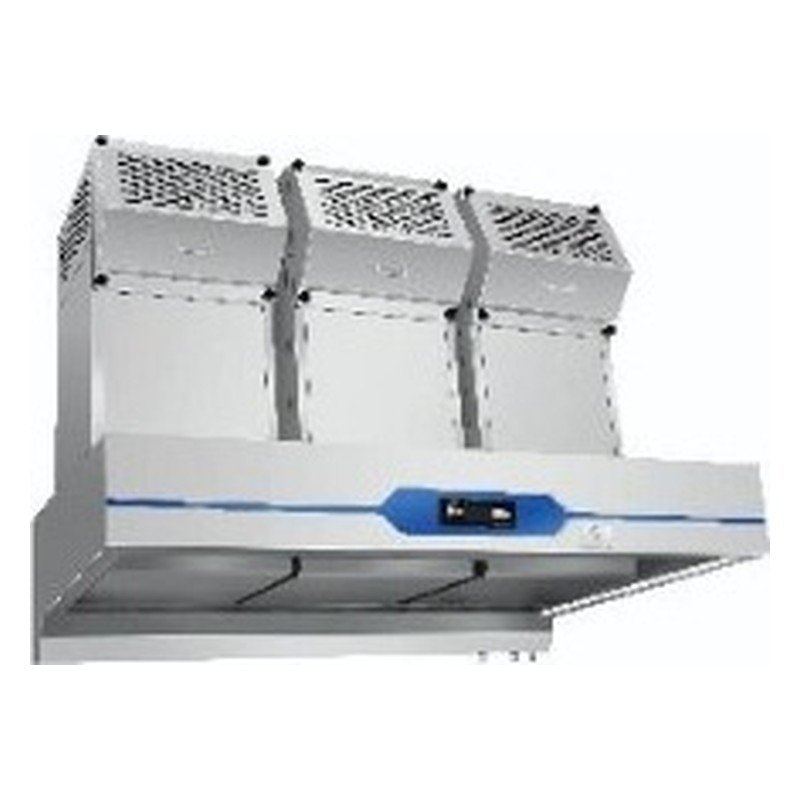
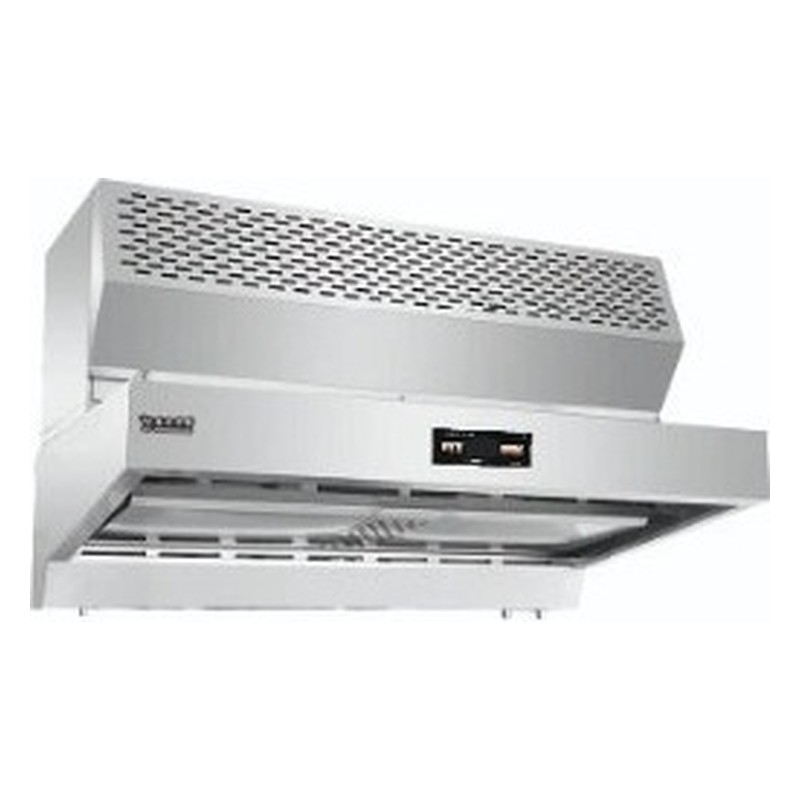
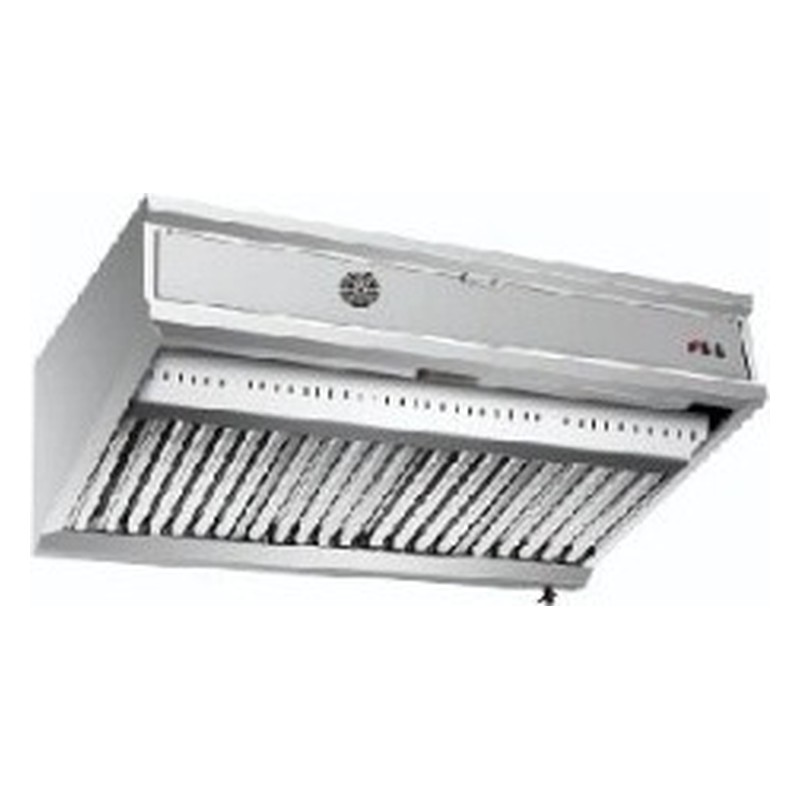
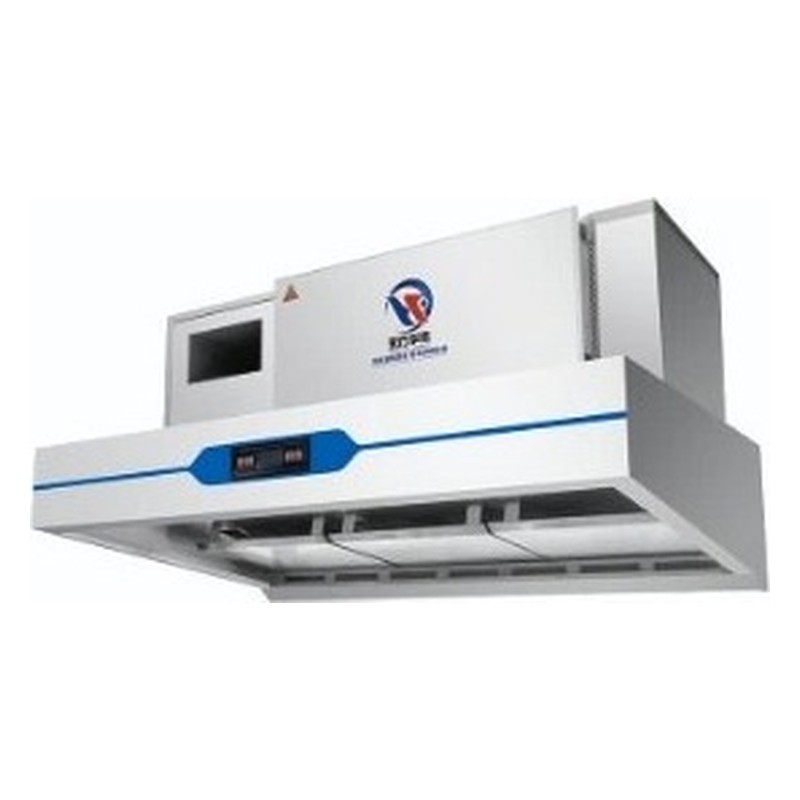
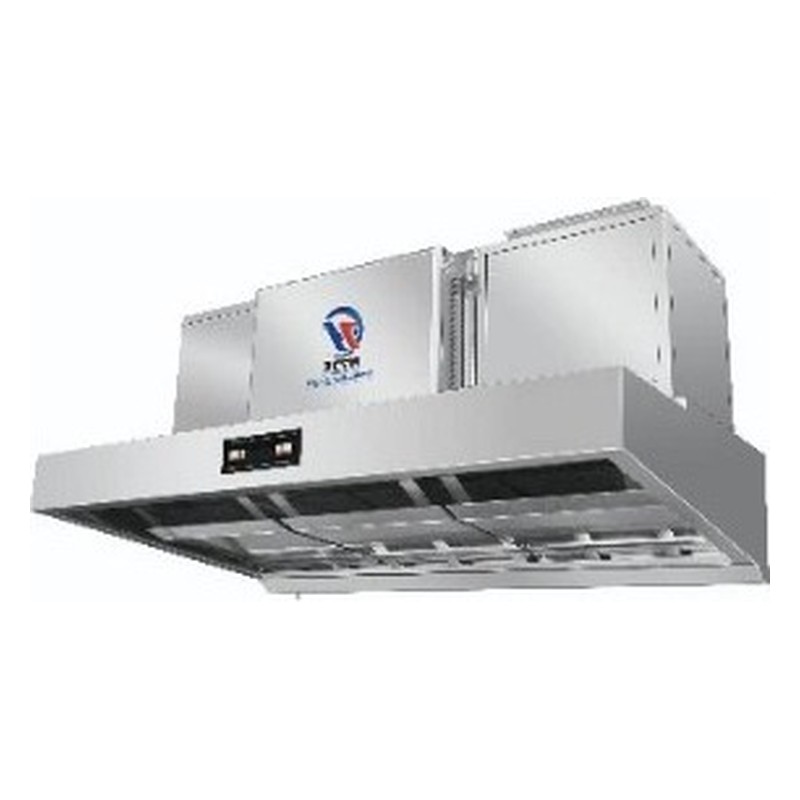
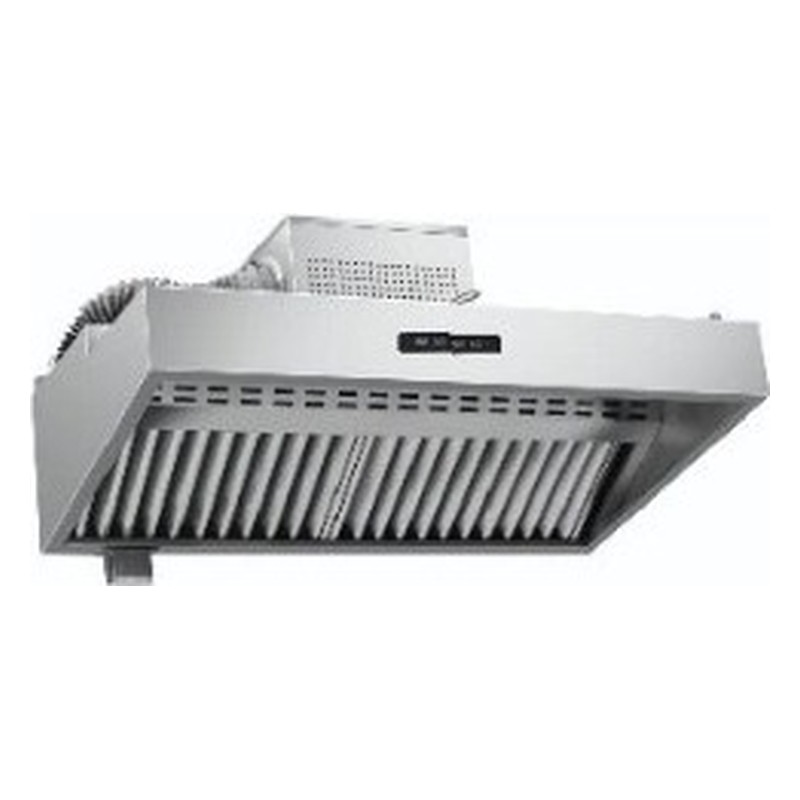
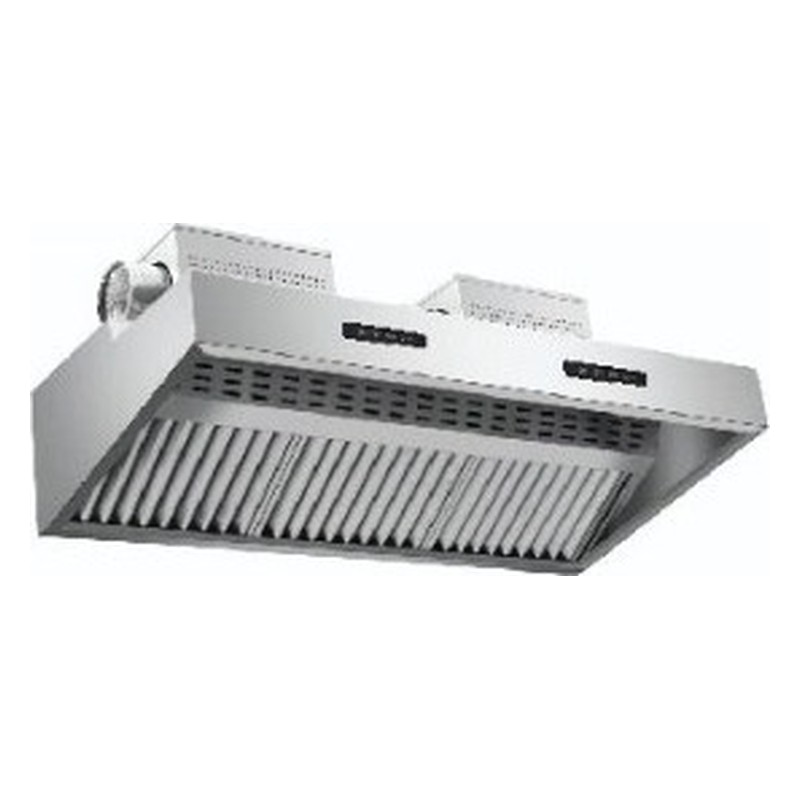
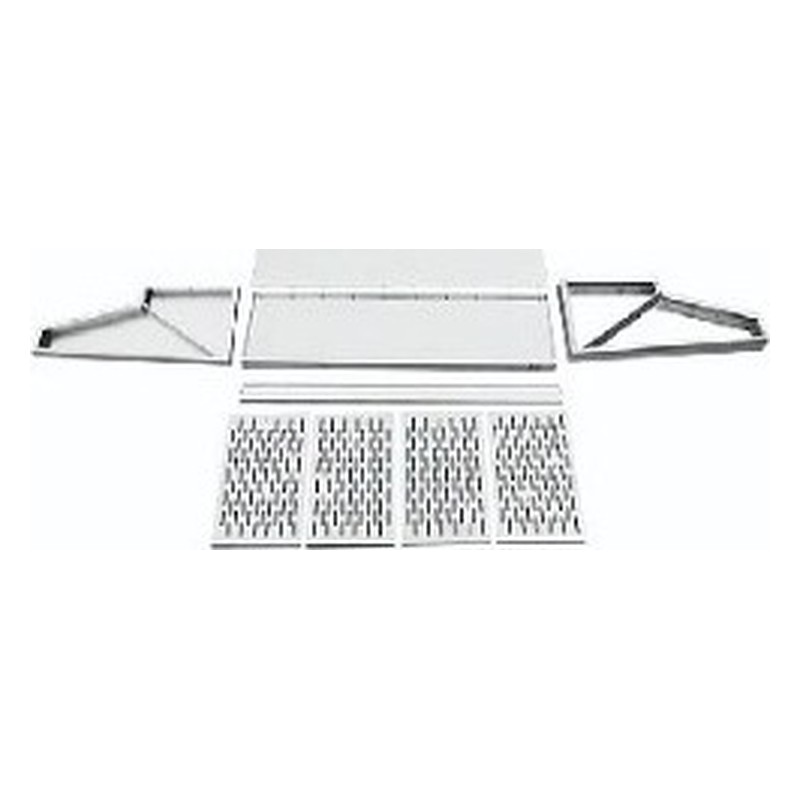
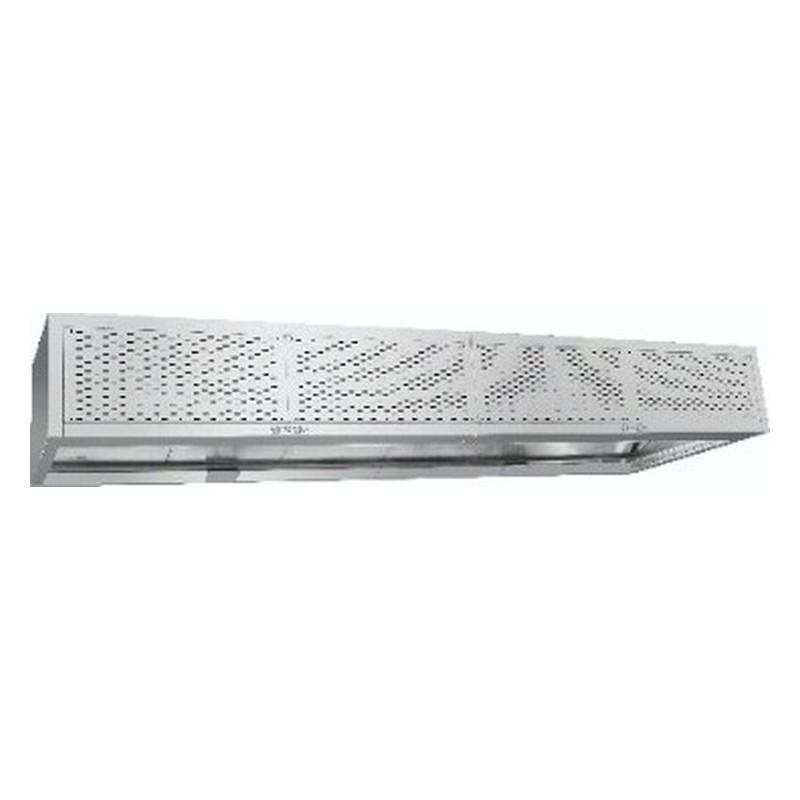
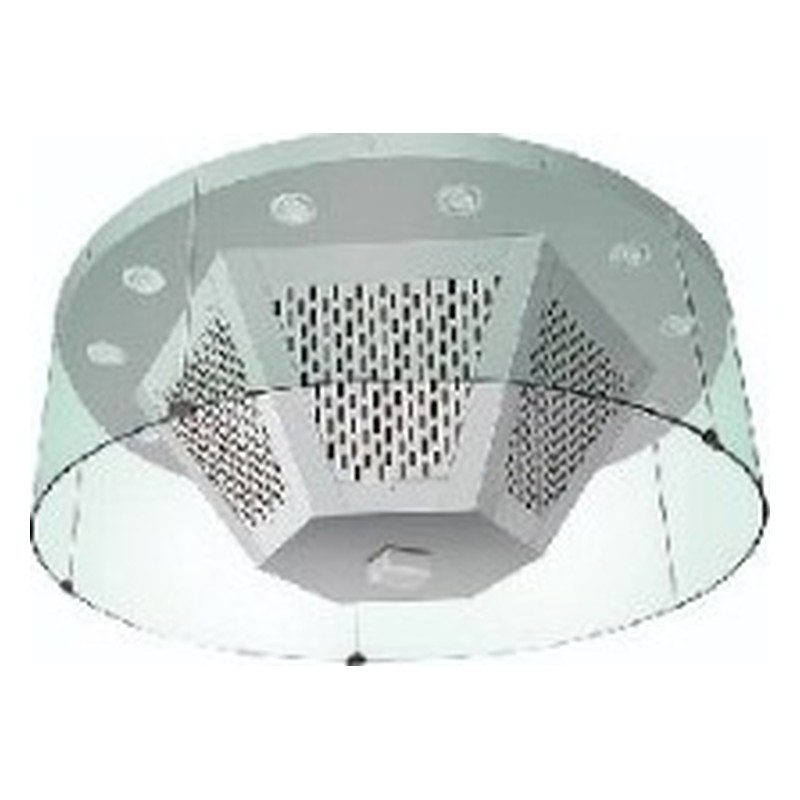
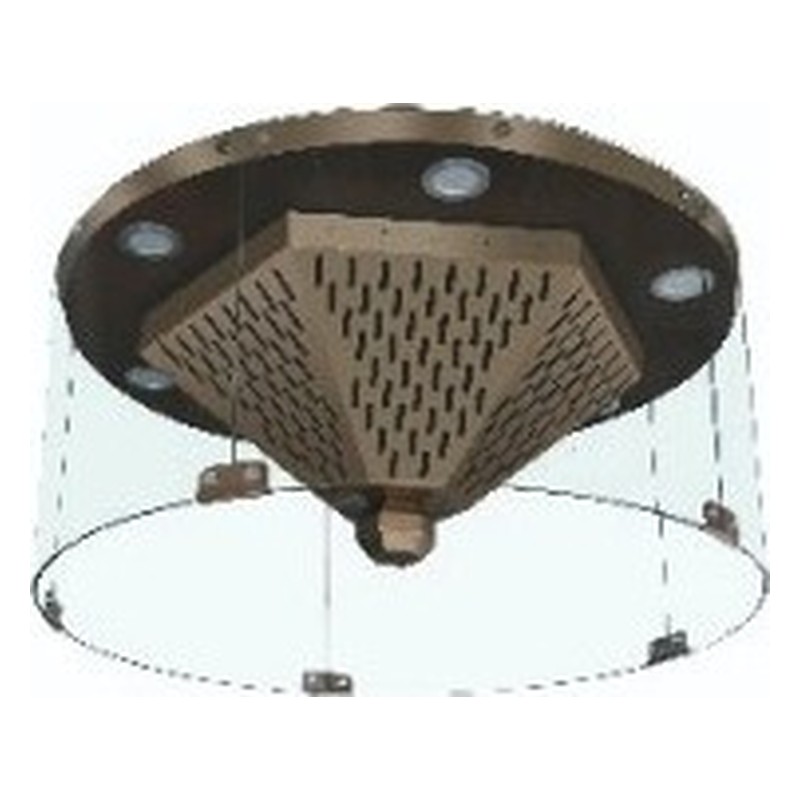
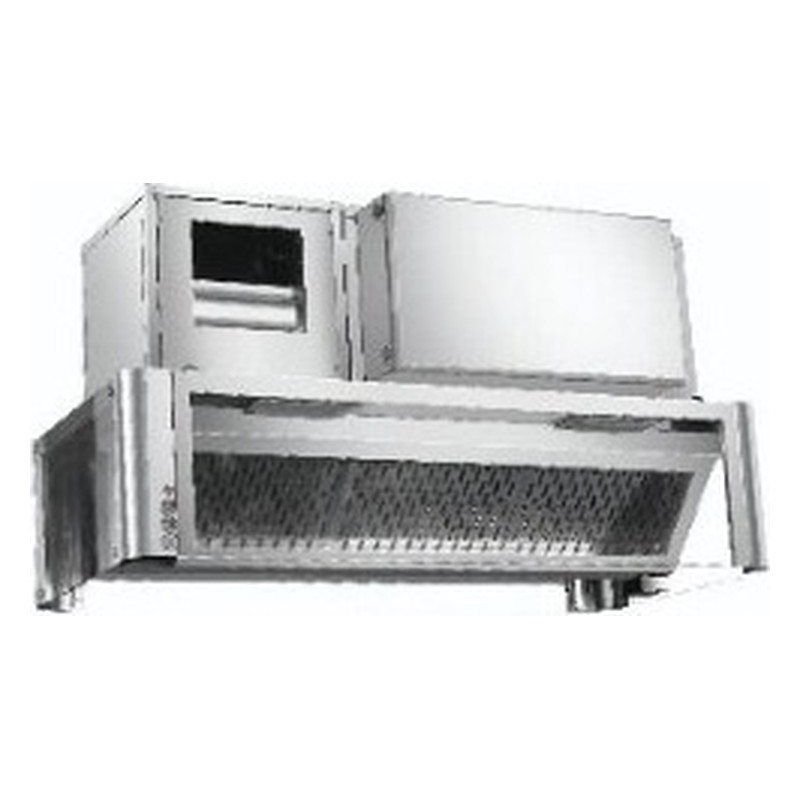
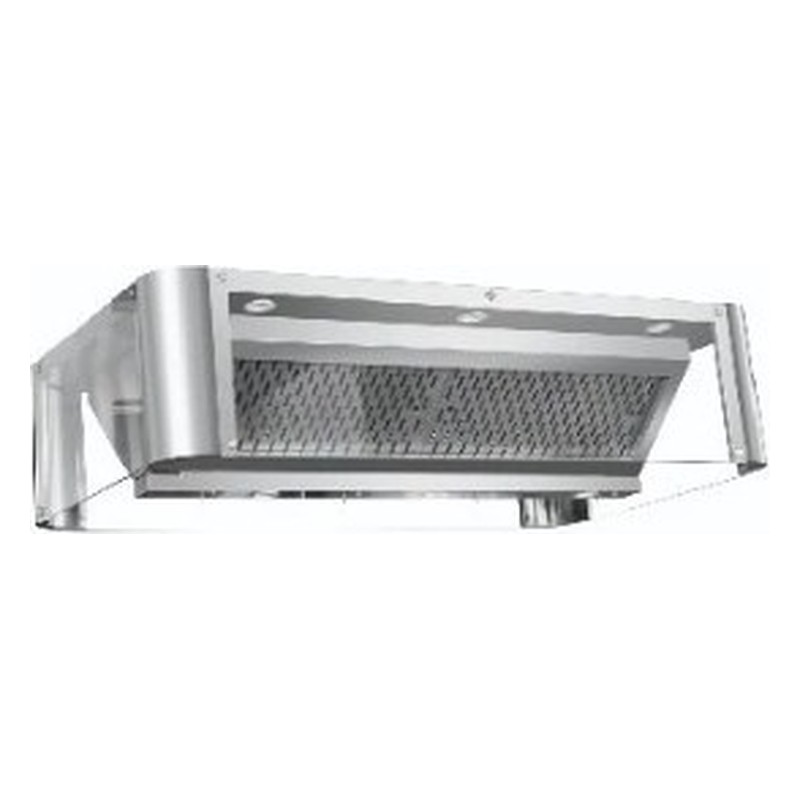
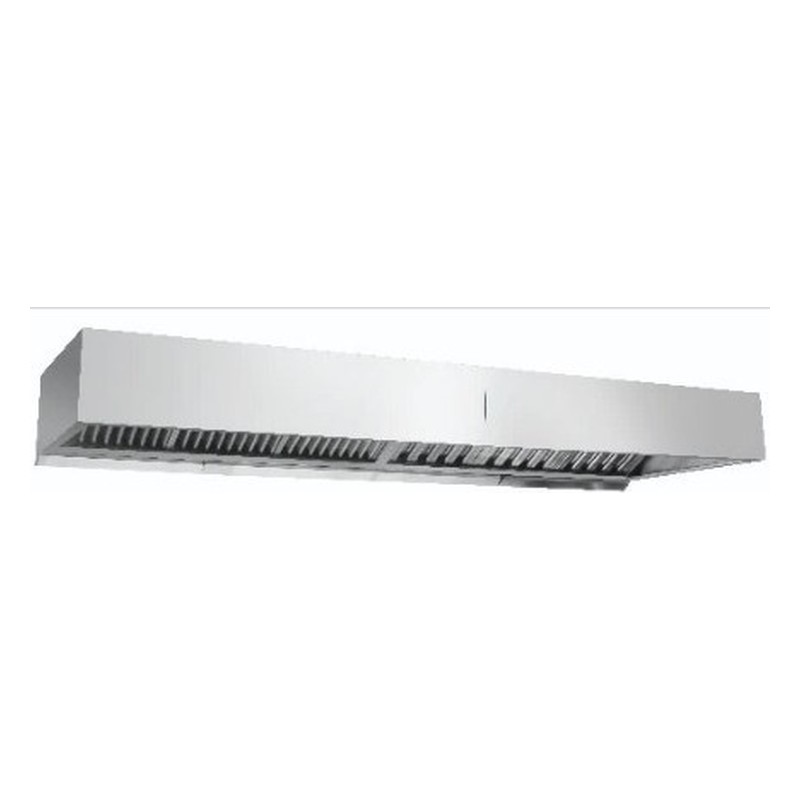
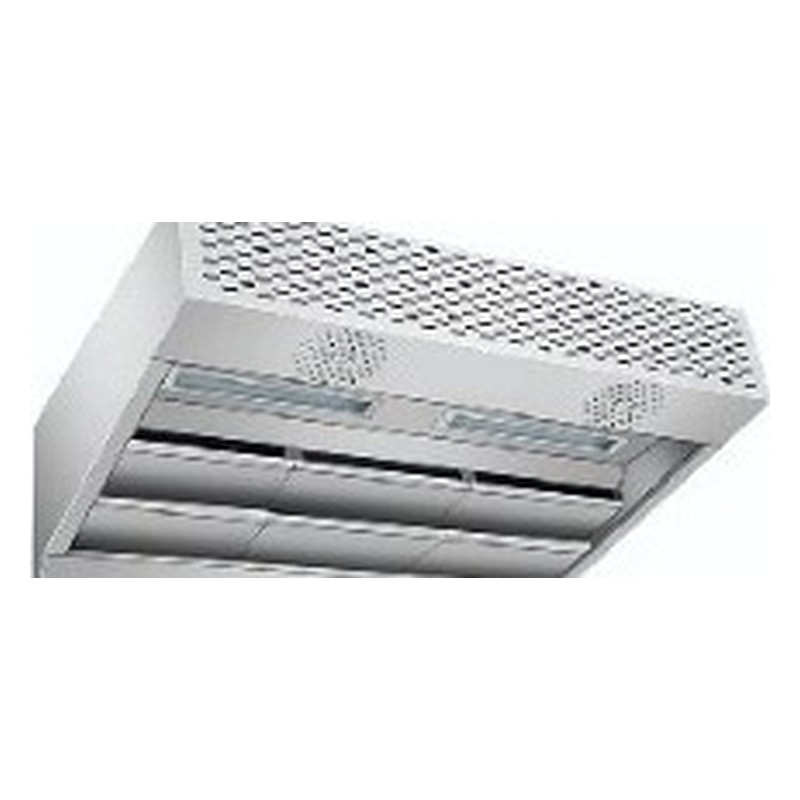
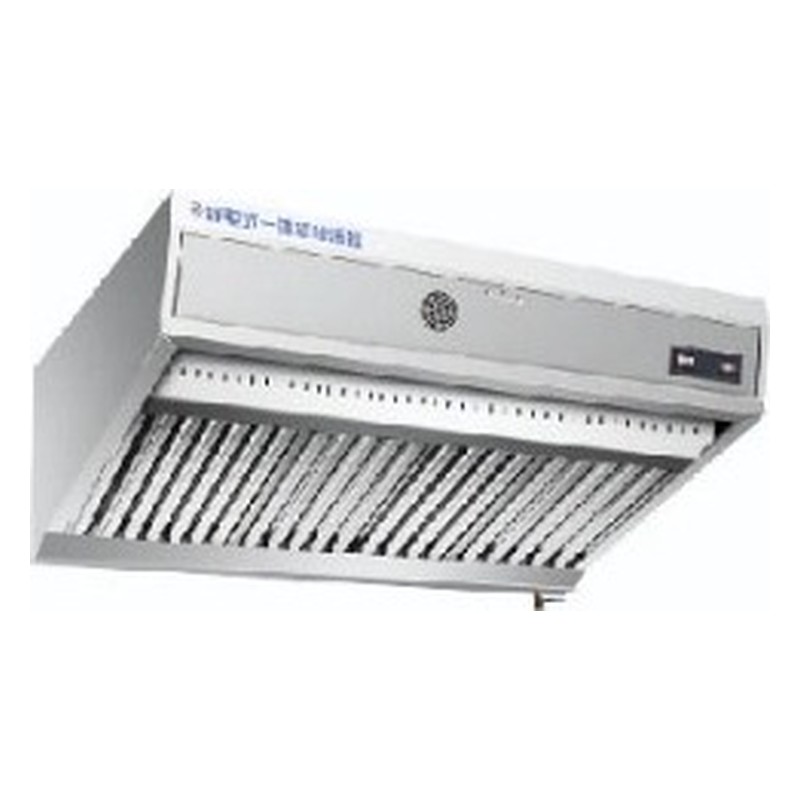
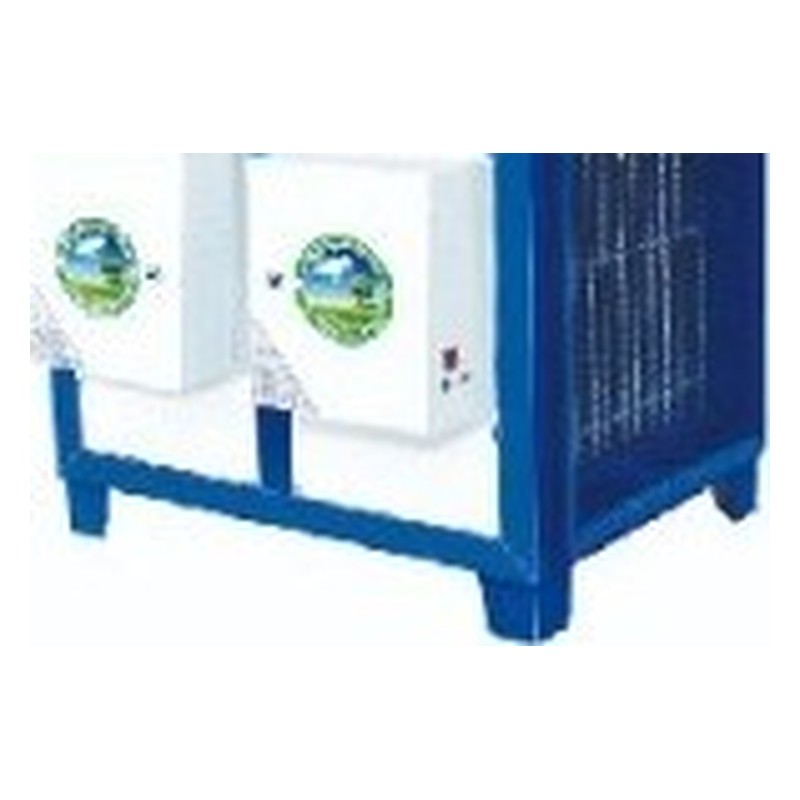
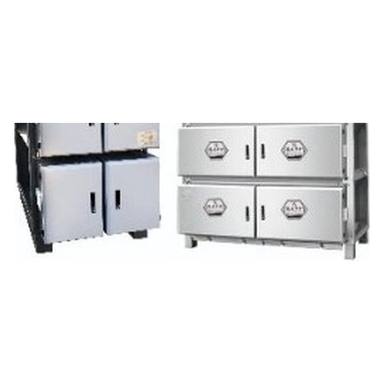 低空油烟净化器
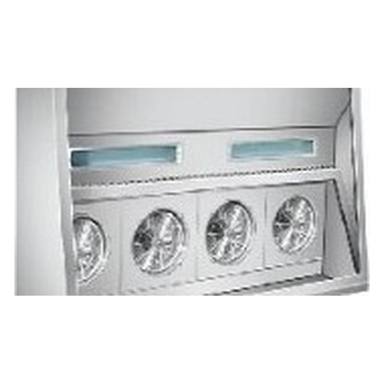 前置净化-控油烟罩
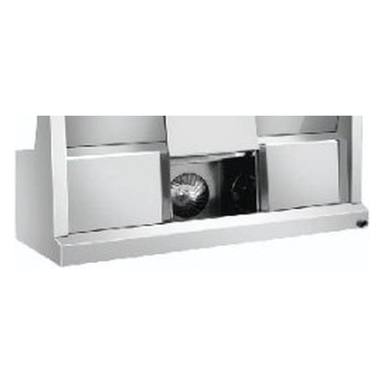 单层运水烟罩
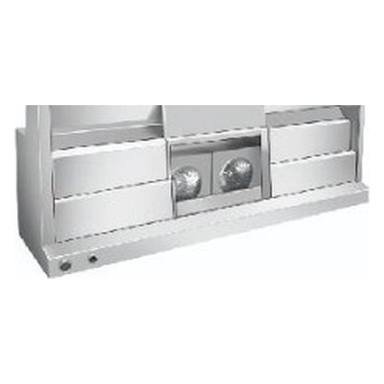 双层运水烟罩
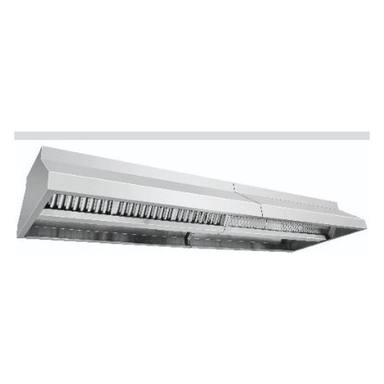 双面坡油网烟罩
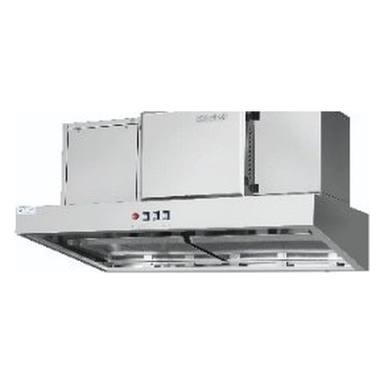 商用大吸力直排烟罩净化一体机
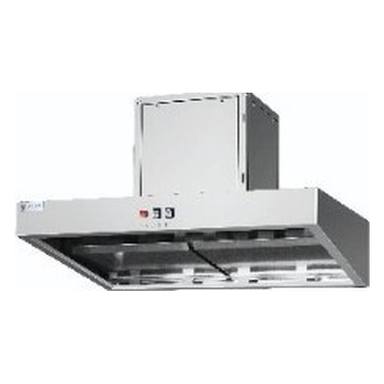 商用超大吸力直排烟罩
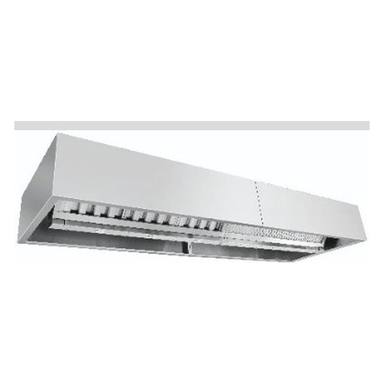 四方形明档烟罩