Shandong Shengshi Yulong Commercial Stove Co., Ltd. is headquartered in Zhaoma Industrial Zone, Xingfu Town, Boxing County, Shandong Province, an important industrial cluster for commercial kitchen equipment in China. Under the brand "Shengshi Yulong," the company focuses on the research, development, and manufacturing of commercial stoves. Leveraging the region's mature supply chain and manufacturing base, it has established a complete system from product design to mass production. Rooted in Shandong and serving the national commercial kitchen market, the company is committed to providing efficient and safe stove solutions for the catering industry.
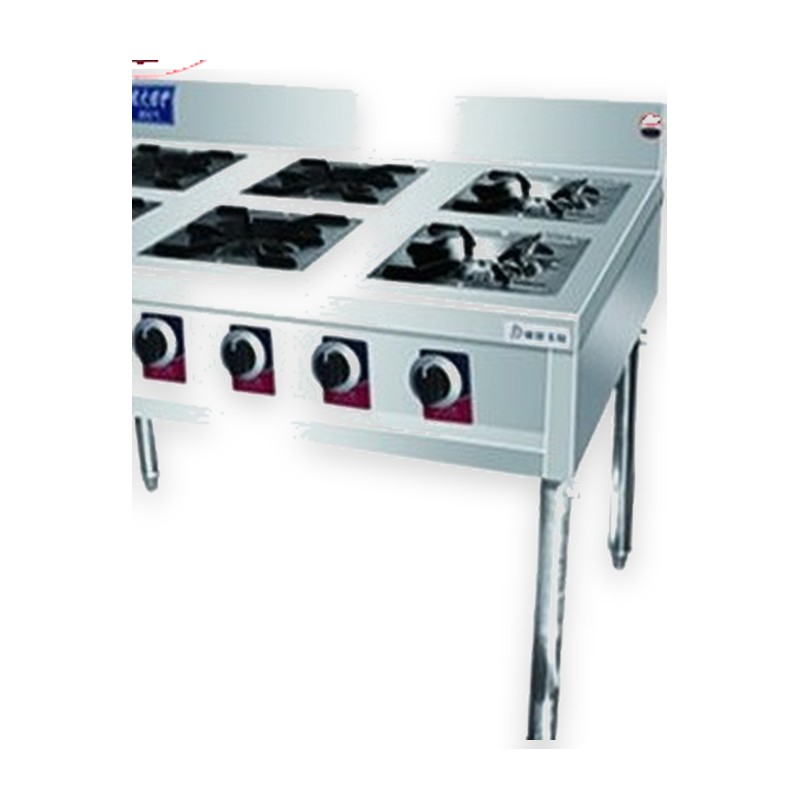
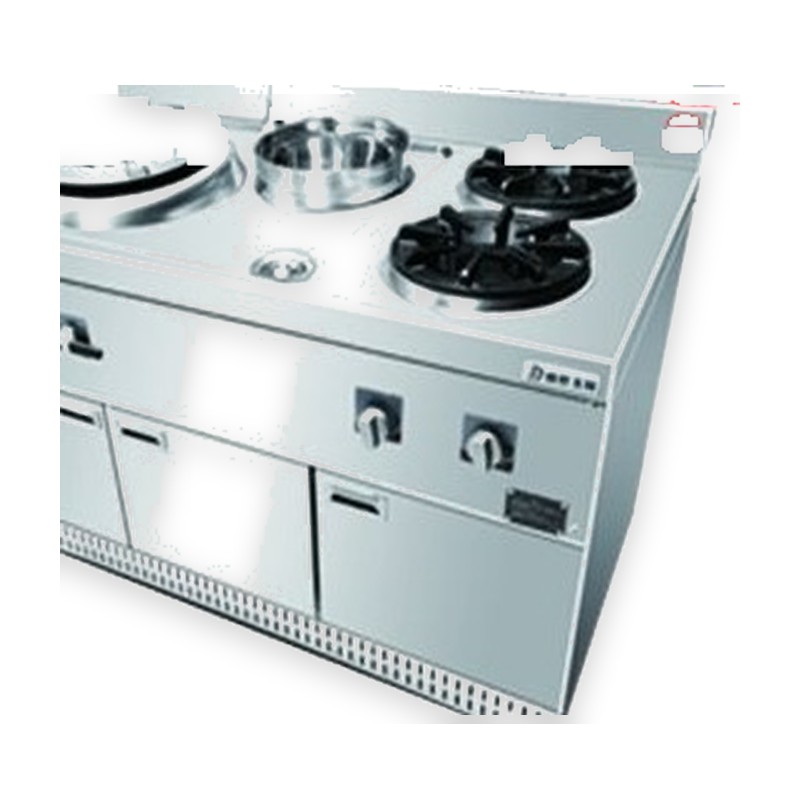
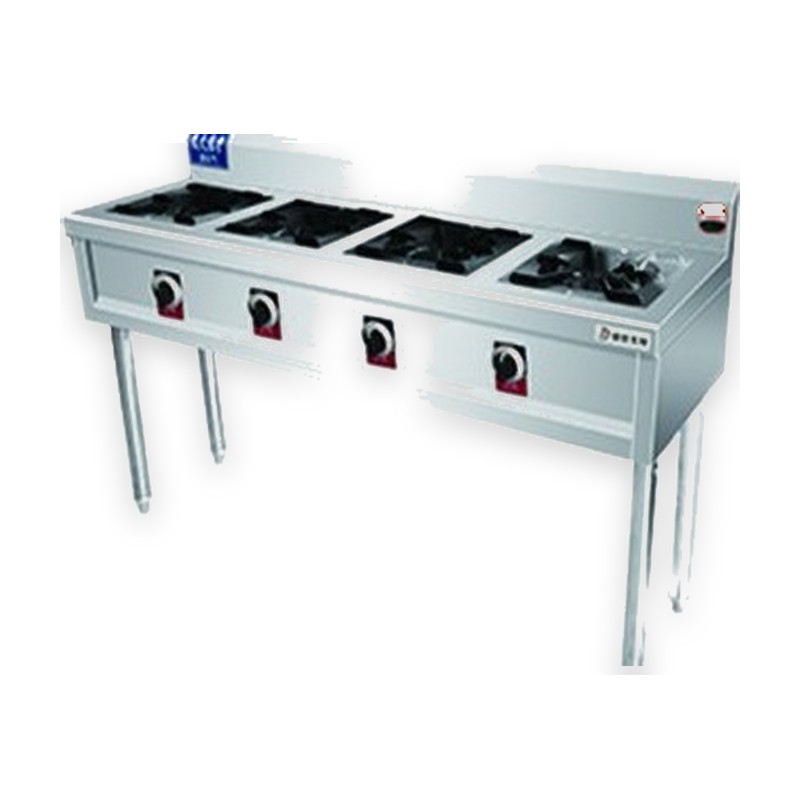
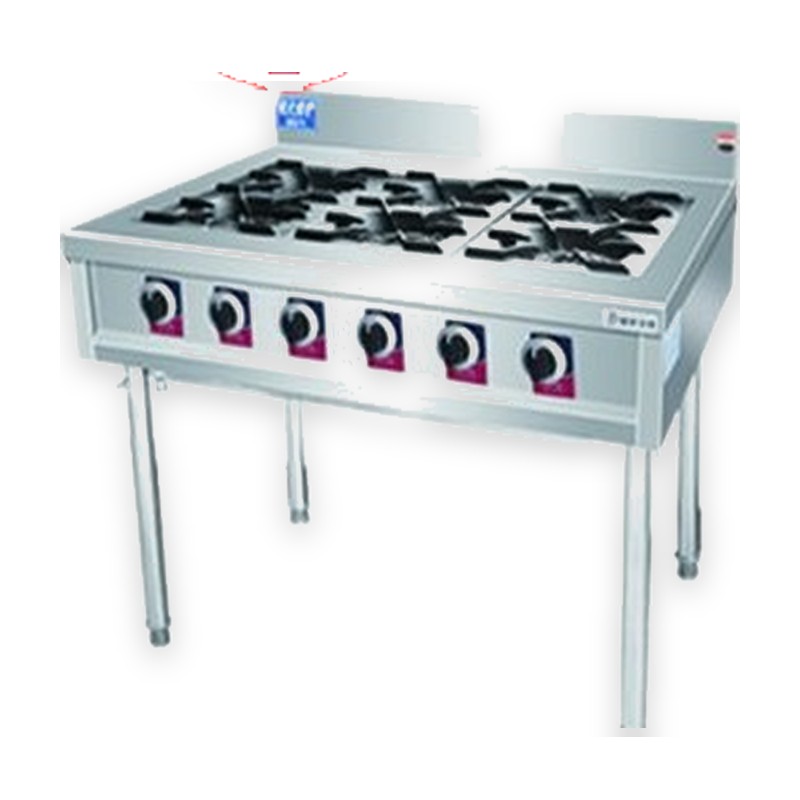
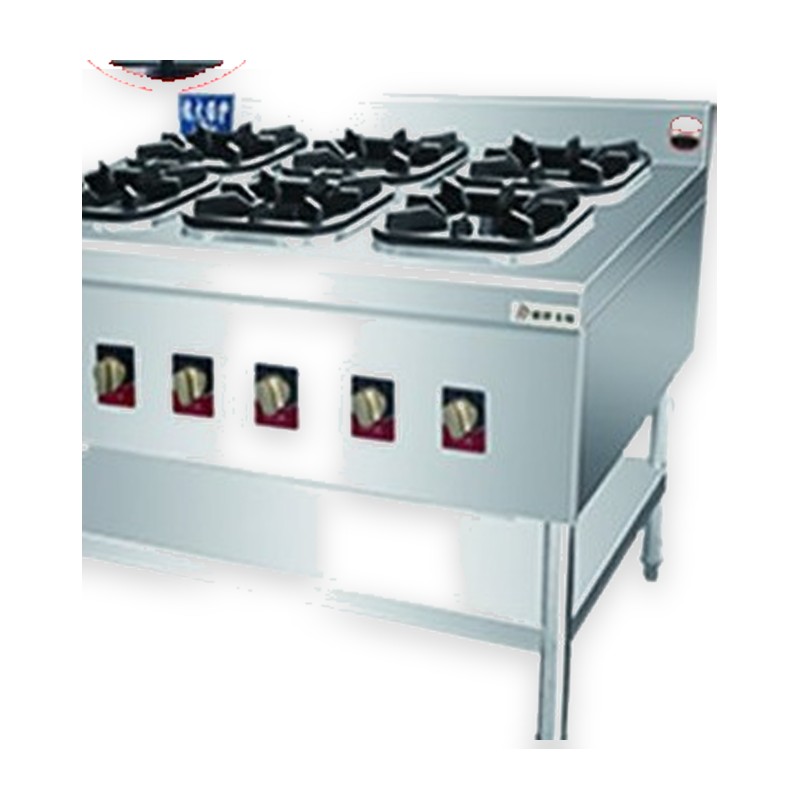
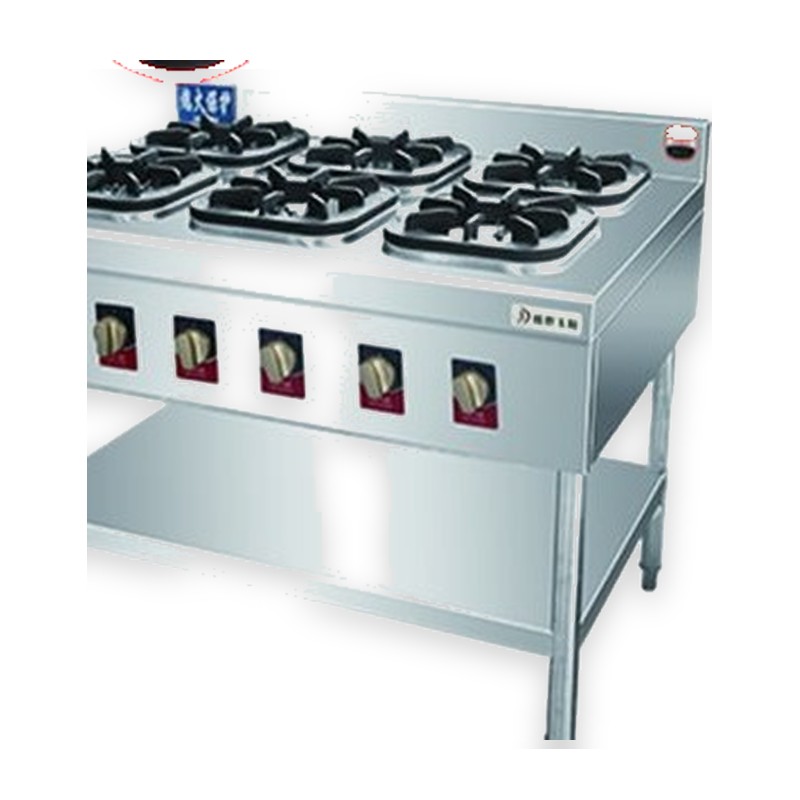
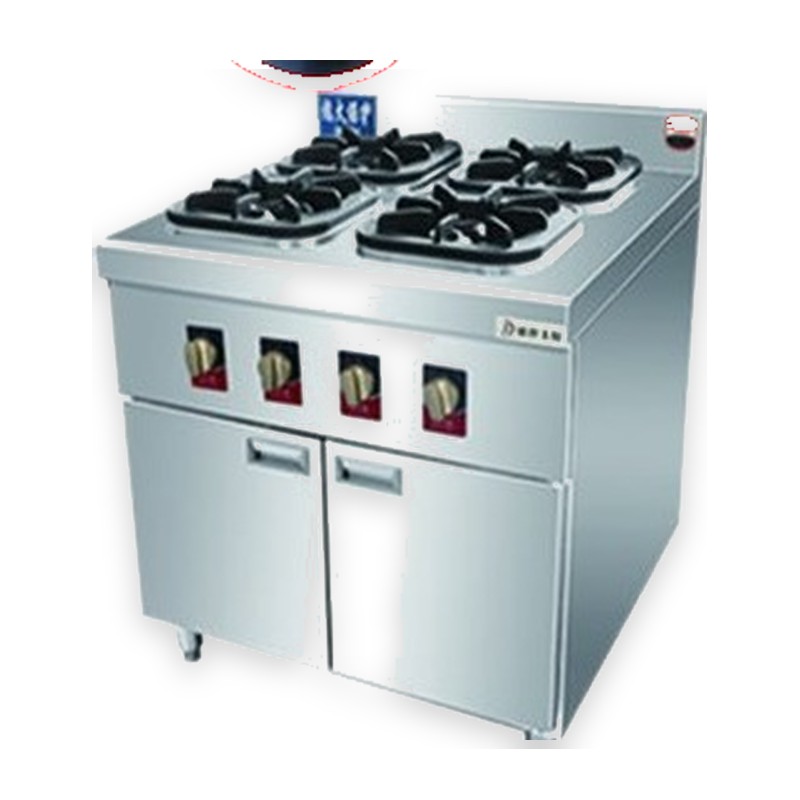
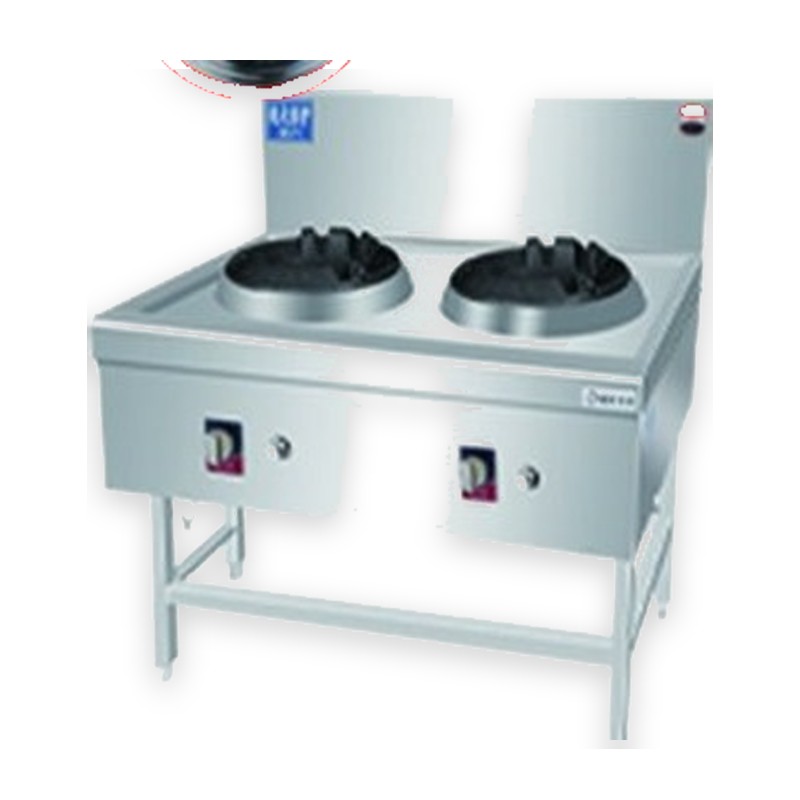
The company's main products include Cantonese/Korean multi-head claypot stoves, low soup stoves, flame-failure protection stoves, and custom non-standard stoves. Among these, flame-failure protection stoves are the core product line. By installing a flame-failure protection device, the gas source is automatically cut off in the event of an accidental flameout, enhancing kitchen safety. The company has the capability to customize non-standard stoves, offering non-standard design and production based on customer kitchen space, cooking processes, and gas type, meeting the specific requirements of different cuisines such as Cantonese and Korean for heat control and stove structure. The production process emphasizes practicality and durability, with key components selected for both high-temperature resistance and corrosion resistance, ensuring product stability in high-frequency commercial use scenarios.
In terms of market, the company mainly serves catering chains, canteens, hotels, and commercial kitchen engineering contractors. Its products cover segmented scenarios such as Chinese formal dining, claypot rice specialty stores, and Korean cuisine. The company provides a service process from selection consultation and custom design to after-sales maintenance, and supports non-standard products and bulk order coordination. Contact: 187-6454-9111 / 151-6999-6399, Email: 892756999@qq.com. With its specialty in professional flame-failure protection stoves and Cantonese and Korean non-standard products, the company continues to provide safe and suitable stove products for commercial kitchens.
What are the main differences between Cantonese multi-head claypot stoves and Korean multi-head claypot stoves when selecting?
Cantonese claypot stoves typically emphasize independent flame control for each claypot and high-heat quick cooking, with burner spacing and pot support dimensions adapted to traditional claypots; Korean claypot stoves place more emphasis on simultaneous multi-pot operation and even heat distribution, and the grate design may be adapted to Korean stone pots or small pots. When selecting, one should determine based on dish type, single-pot capacity, number of pots operated simultaneously, and kitchen gas type, and confirm whether the number of burners, spacing, and single-burner heat load meet the meal service pace.
What types of flame-failure protection devices are commonly used in flame-failure protection stoves? How is their reliability judged?
Common flame-failure protection devices in commercial stoves include thermocouple type and ion sensing type. The thermocouple type has a simple structure and requires no external power supply, making it suitable for most commercial gas stoves; the ion sensing type responds faster but requires power support. To judge reliability, attention should be paid to whether the time for the protection device to cut off the gas source after an accidental flameout meets relevant standard requirements, and whether the probe position is susceptible to oil contamination. Daily maintenance should keep the probe clean to avoid malfunction or failure caused by oil buildup.
What are the differences in structure and use between low soup stoves and ordinary wok stoves? What parameters should be noted when purchasing?
Low soup stoves generally have a lower body, suitable for placing soup buckets for long-duration soup boiling and stewing, with heat output designed for sustained stability; ordinary wok stoves have a higher body, emphasizing instant high heat and wok tossing. When purchasing a low soup stove, attention should be paid to the pot diameter adaptation range, single-burner heat load, gas type (natural gas or liquefied gas), gas inlet pipe diameter, and whether it has flame-failure protection. If used for long continuous operation, it should also be confirmed whether the furnace chamber material and insulation structure are high-temperature resistant.
What information is usually required for custom non-standard stoves? What are the customization lead time and precautions?
Custom non-standard stoves require a kitchen floor plan or on-site dimensions, stove exterior dimensions, number and position of burners, gas type and pressure, water inlet/drainage requirements (such as with a sink), exhaust direction, and special functional requirements (such as flame-failure protection and electronic ignition). The customization lead time is affected by design complexity, material procurement, and production scheduling, and must be confirmed with the manufacturer. Precautions include: confirming acceptance standards for non-standard products, gas connection positions, transport passage dimensions, and whether the overall kitchen exhaust and fire safety layout are affected.
Regarding daily maintenance and certification of commercial stoves, what should buyers pay attention to?
Daily maintenance should include regularly cleaning burner flame ports, checking whether gas hoses and connectors are aged or leaking, cleaning flame-failure protection probes, and keeping the interior of the stove free of oil accumulation. Regarding certification, buyers should require the manufacturer to provide inspection reports or certification documents corresponding to the product (if applicable), and verify whether the models covered by the certificate match the actual purchased models. Since commercial gas stoves involve gas safety, it is recommended to prioritize products with flame-failure protection and retain the manufacturer's contact information for after-sales service.
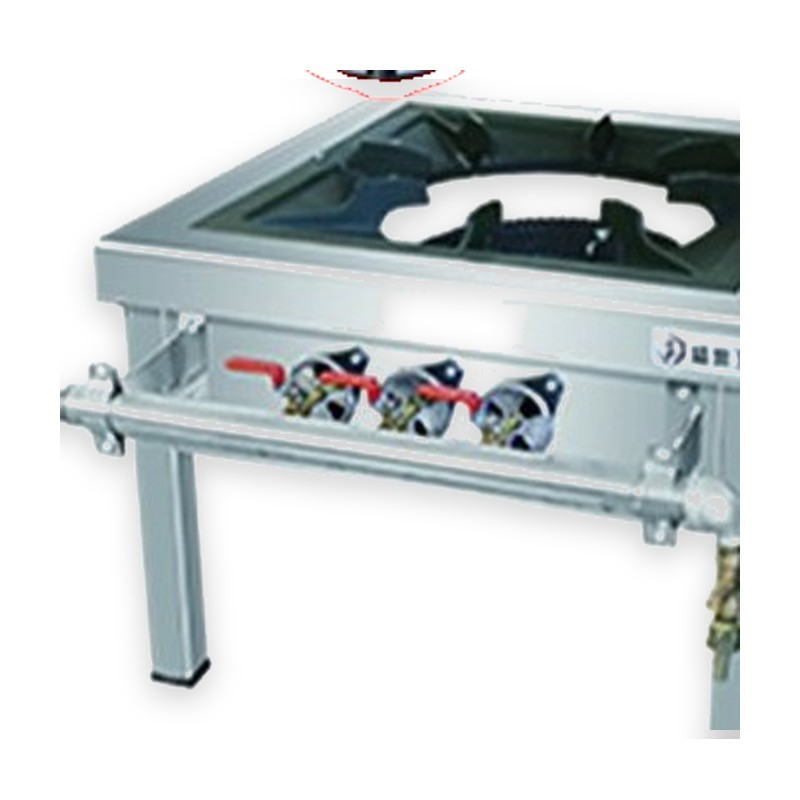
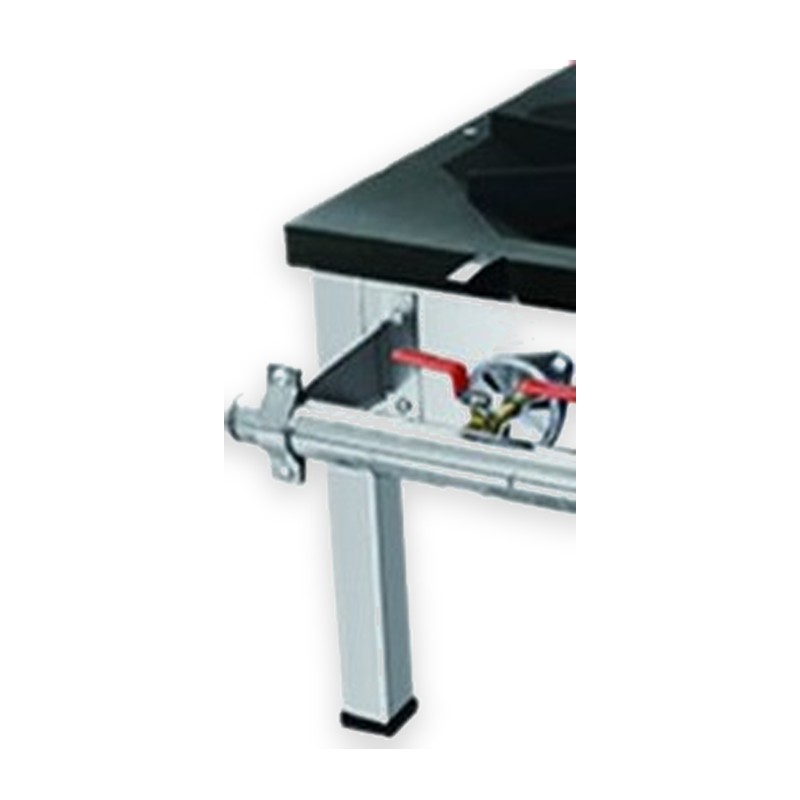
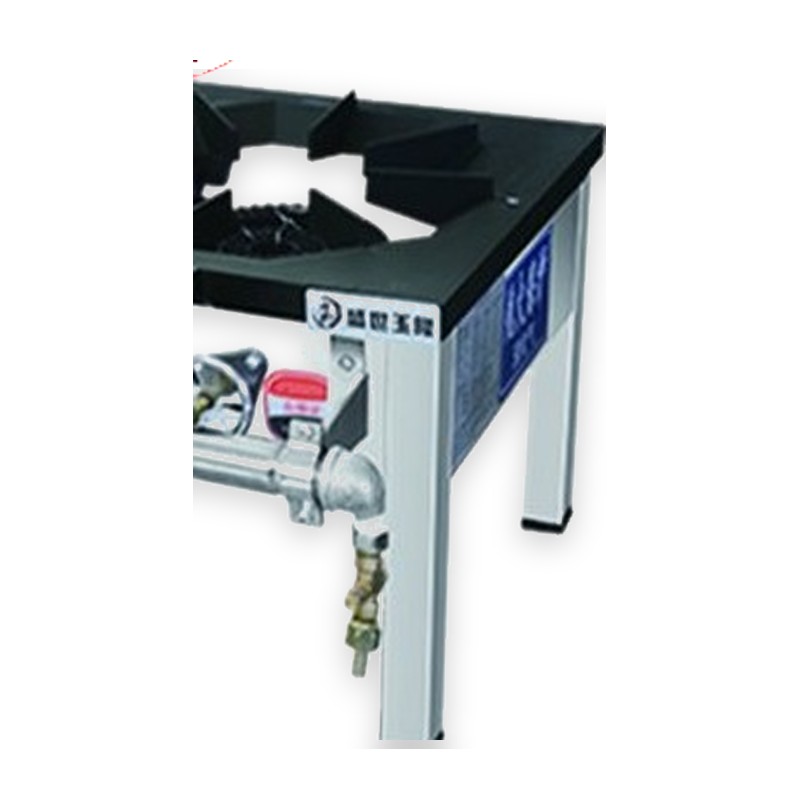
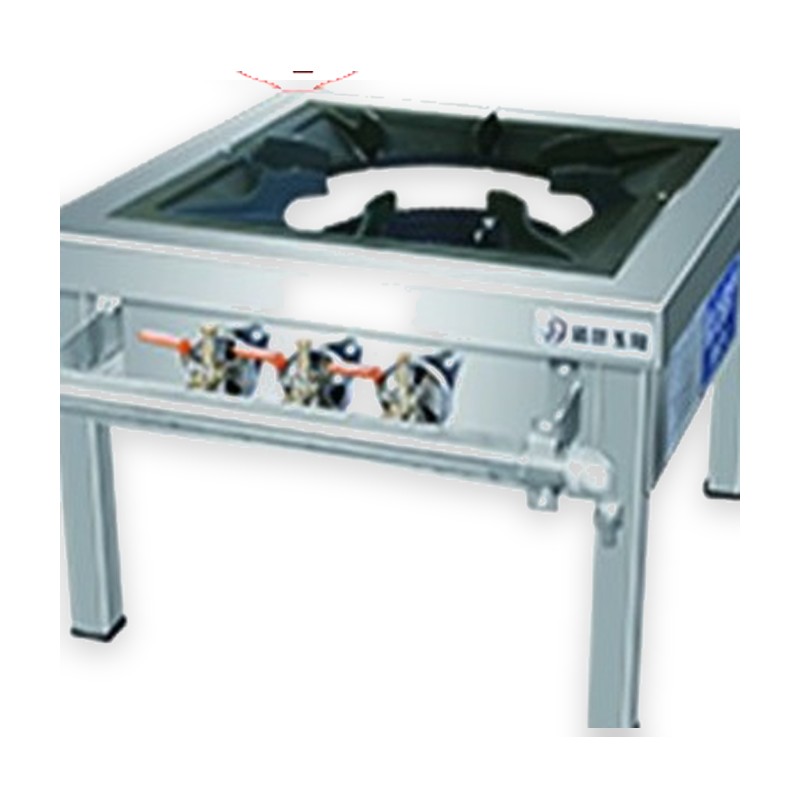
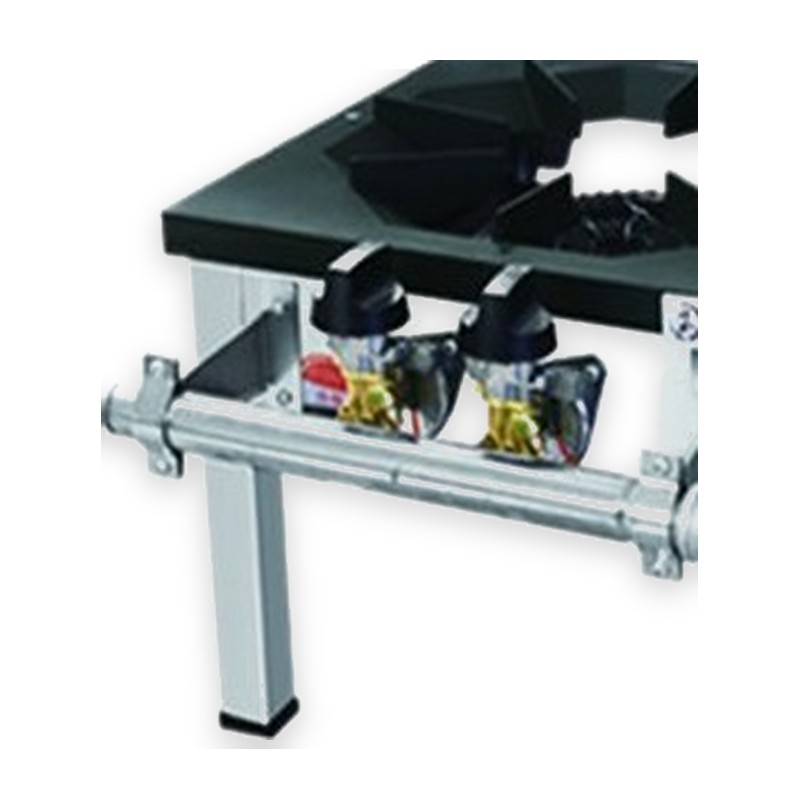
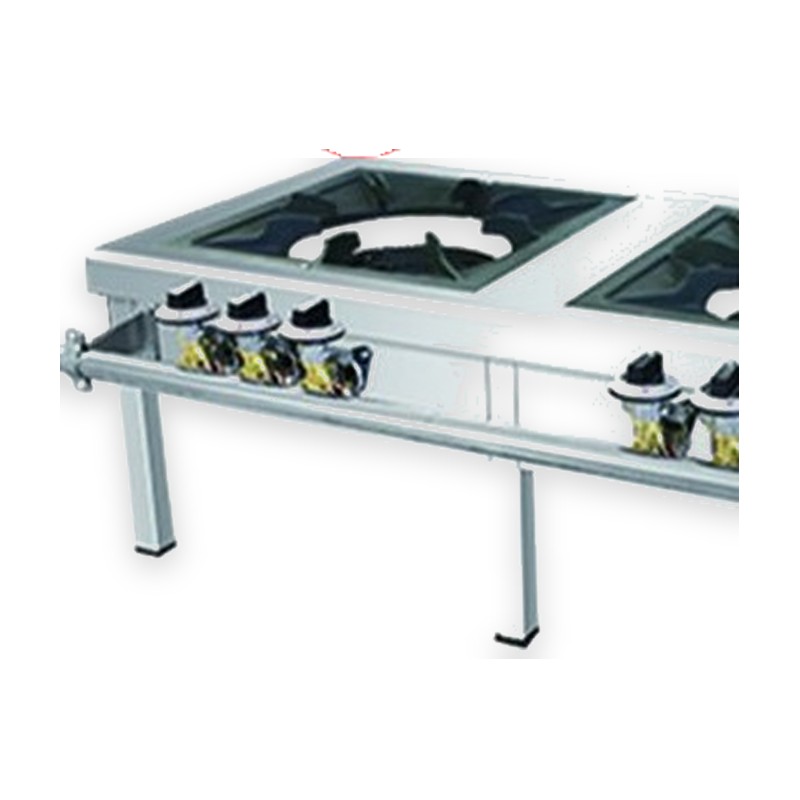
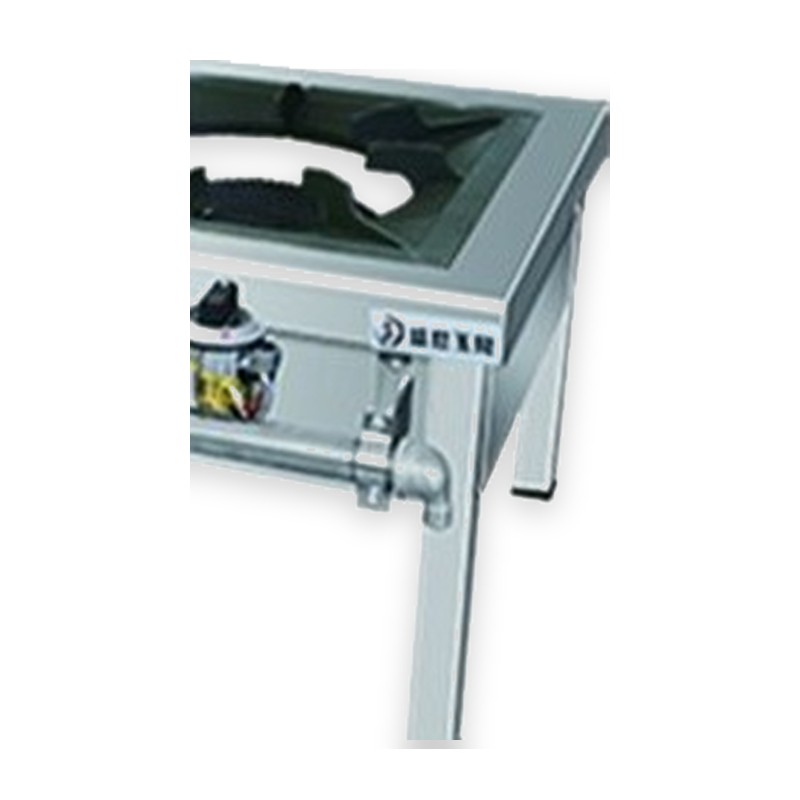
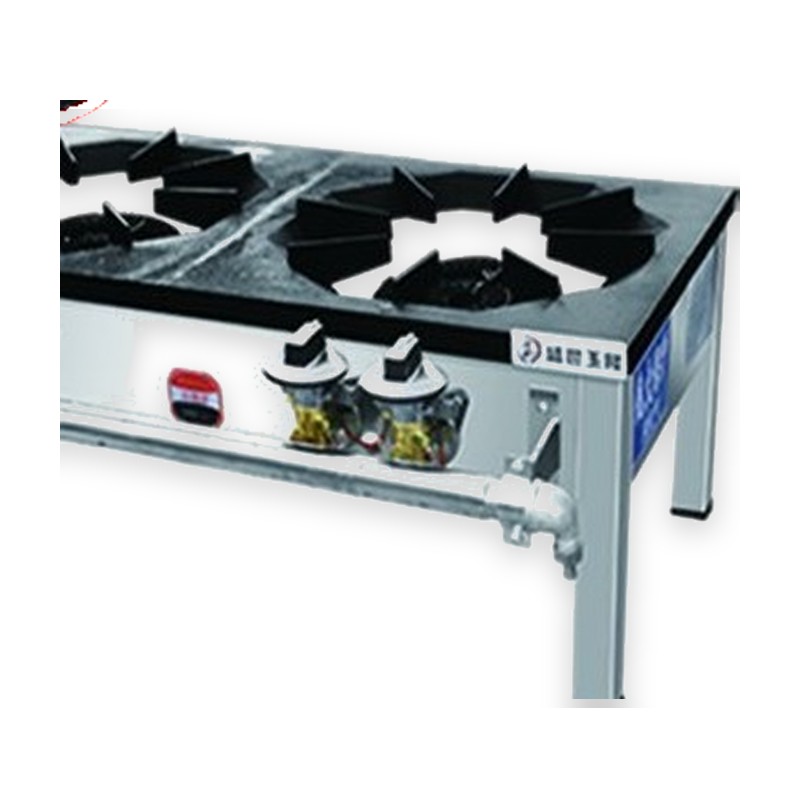
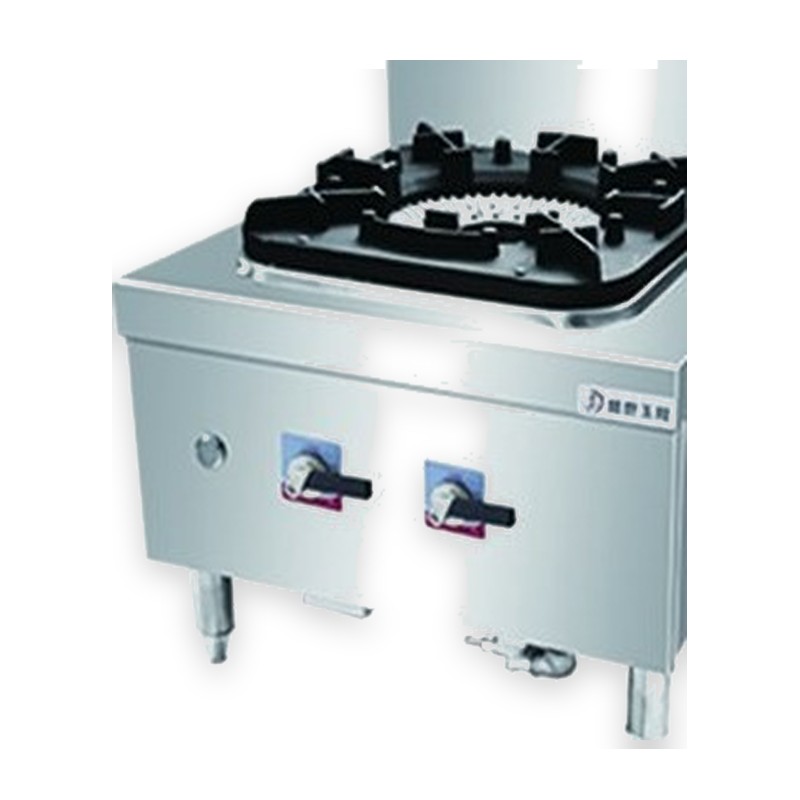
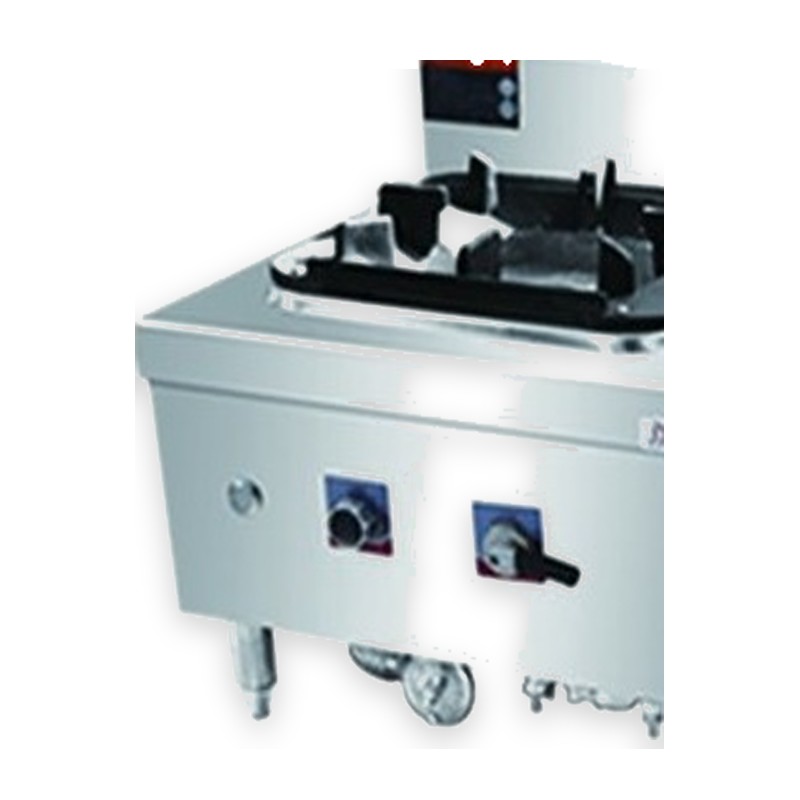
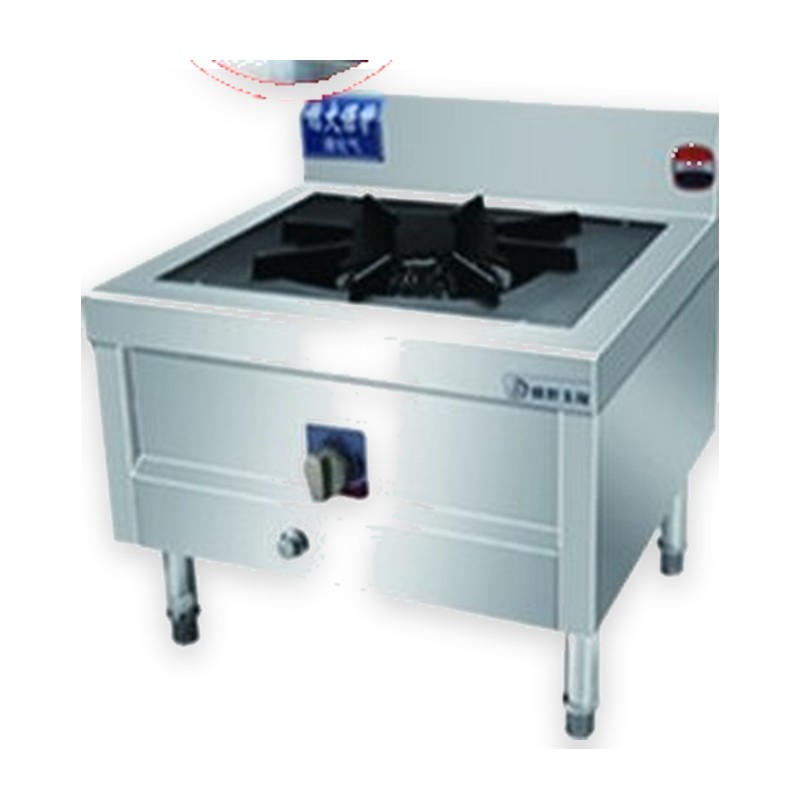
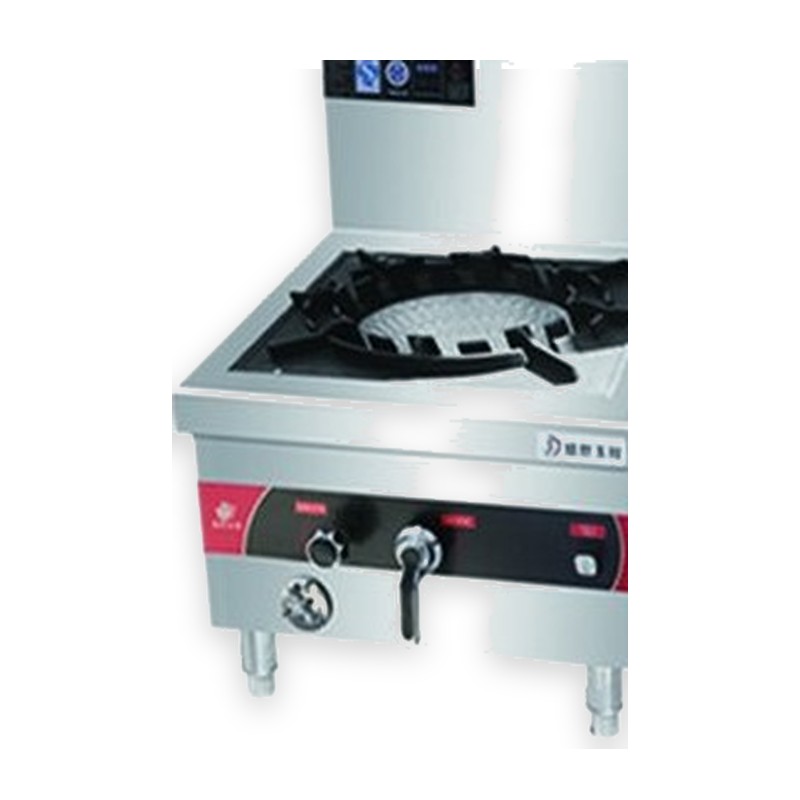
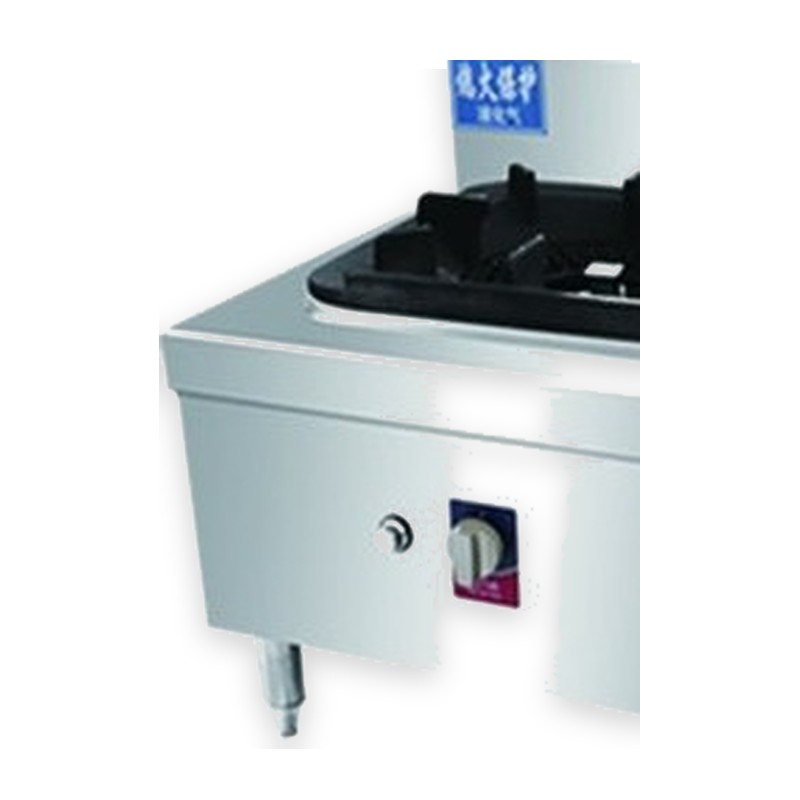
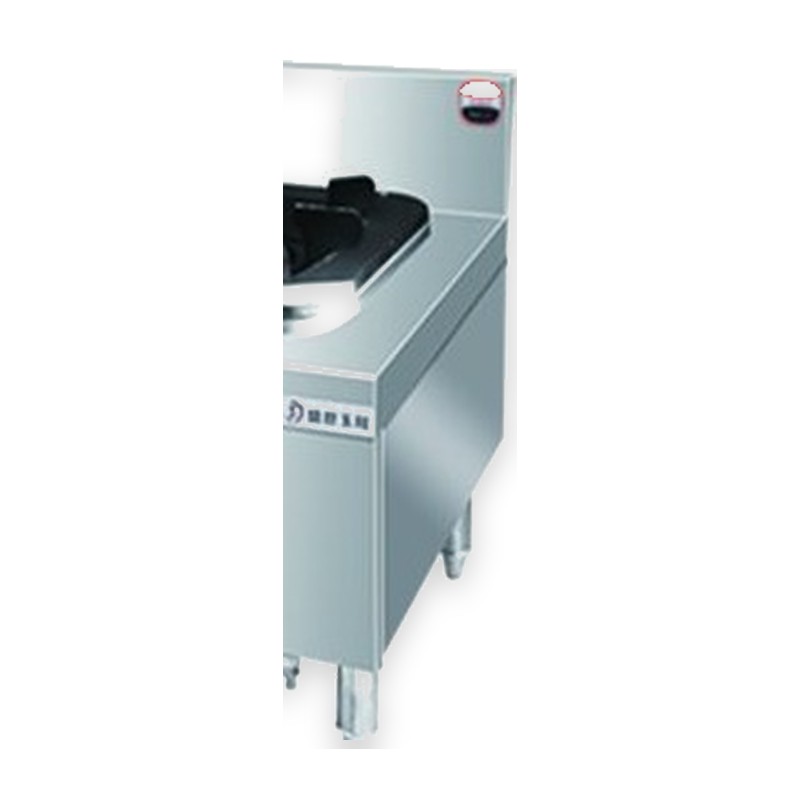
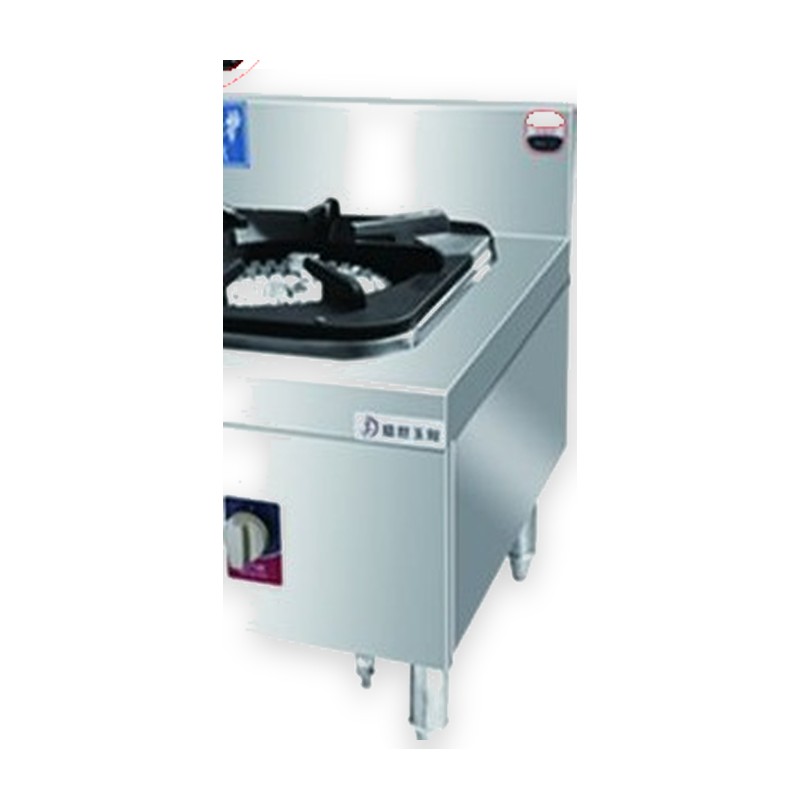
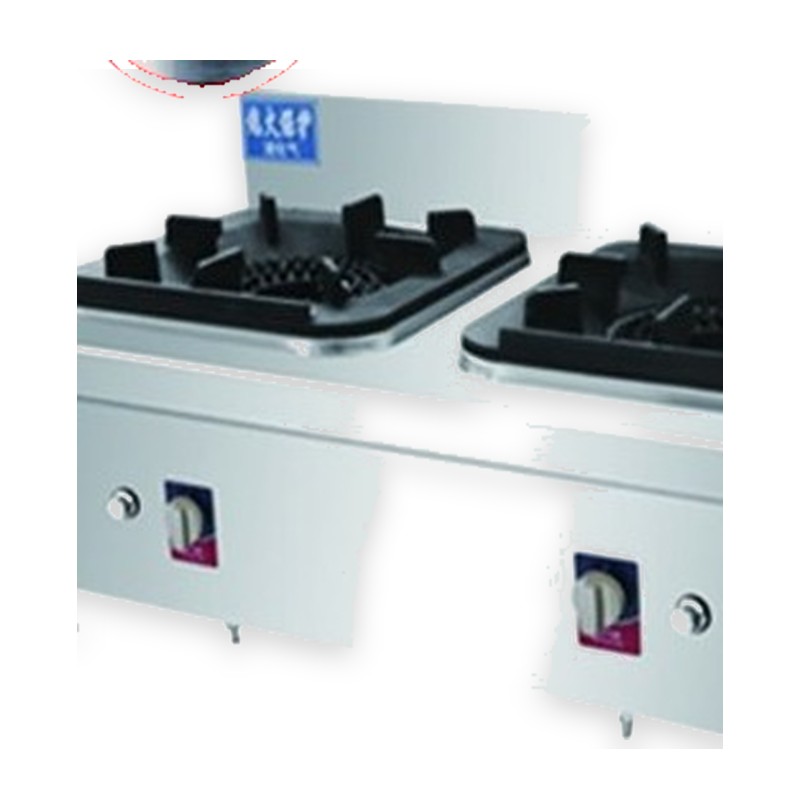
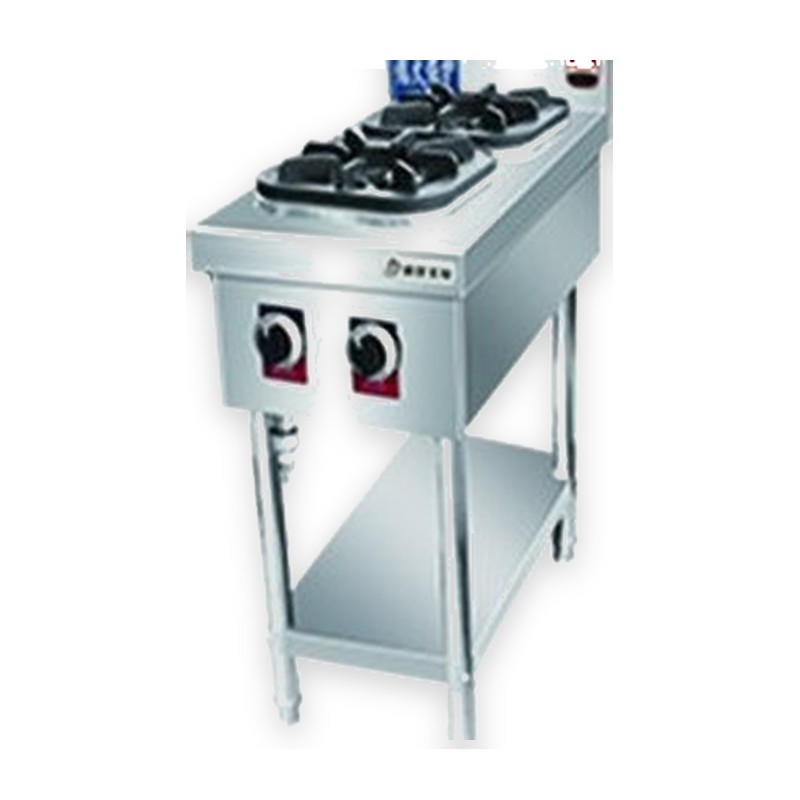
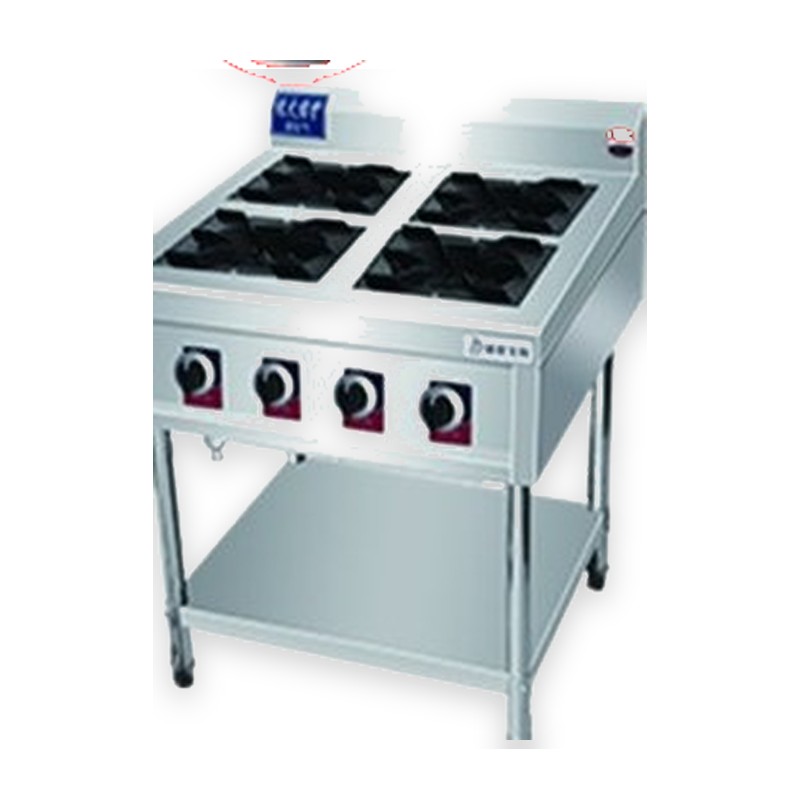
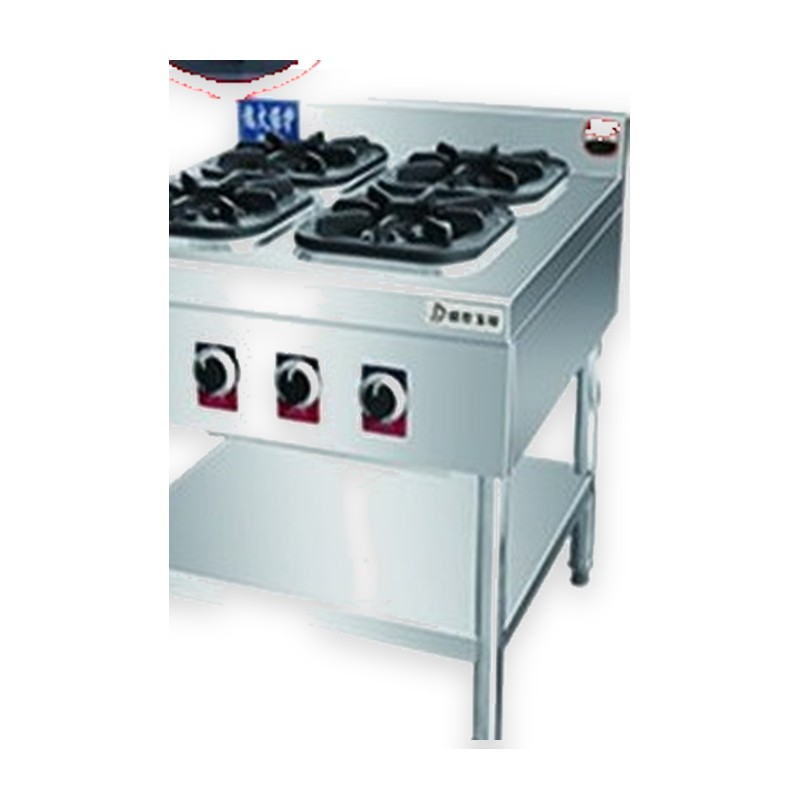
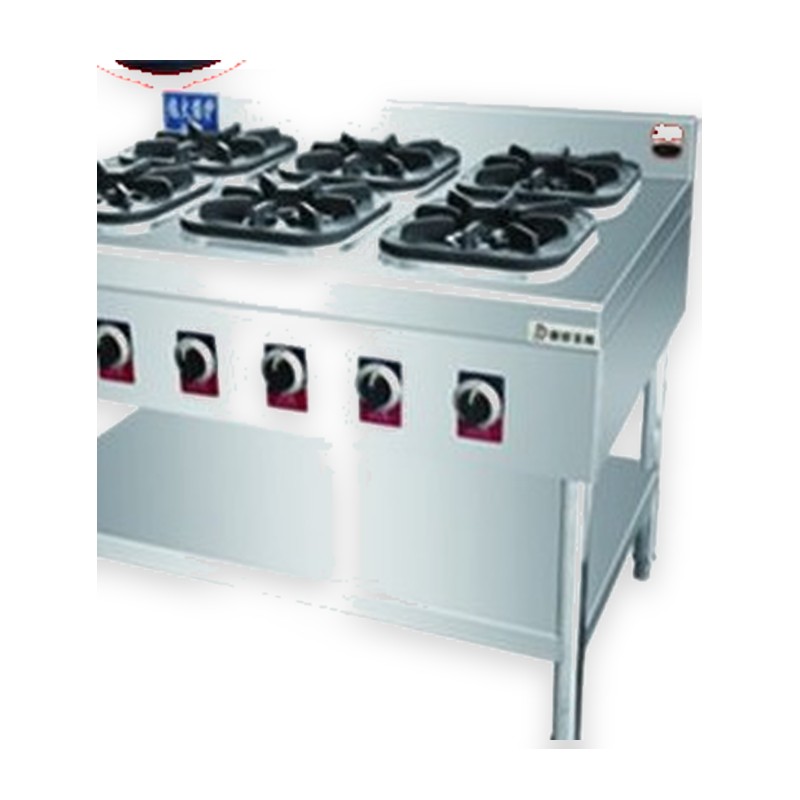
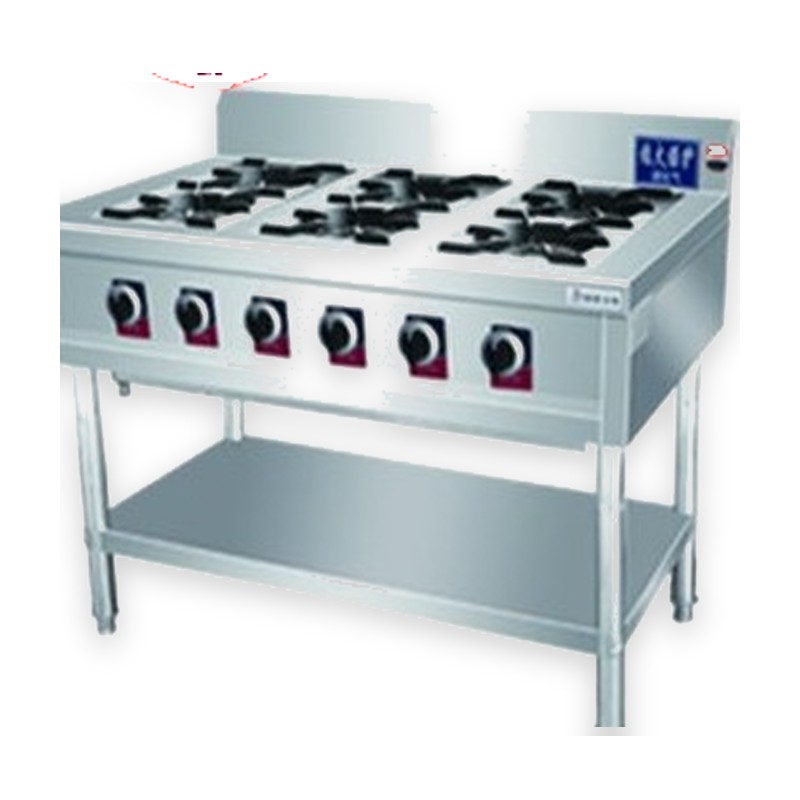
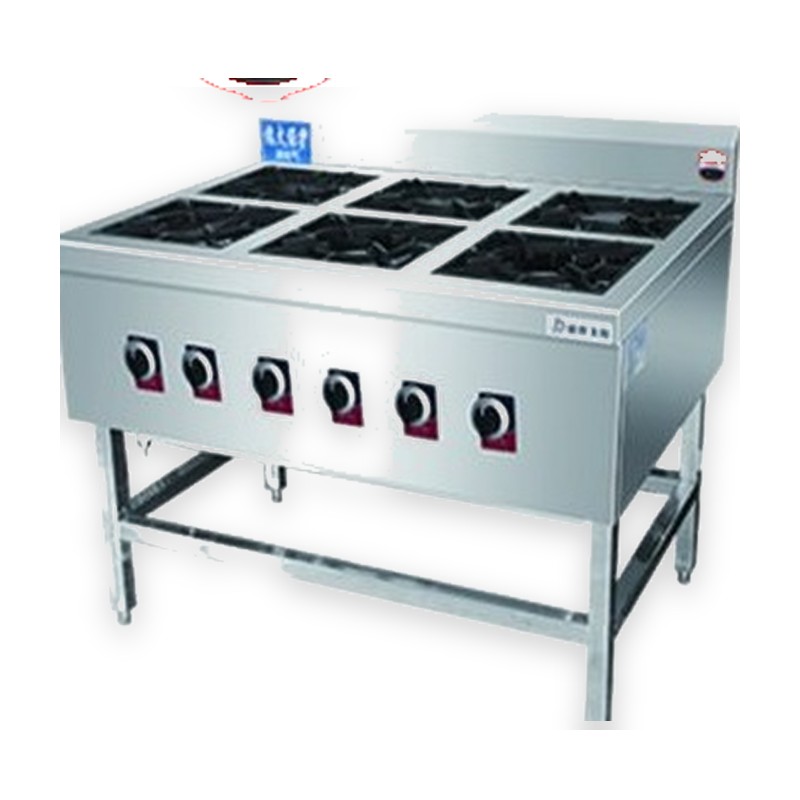
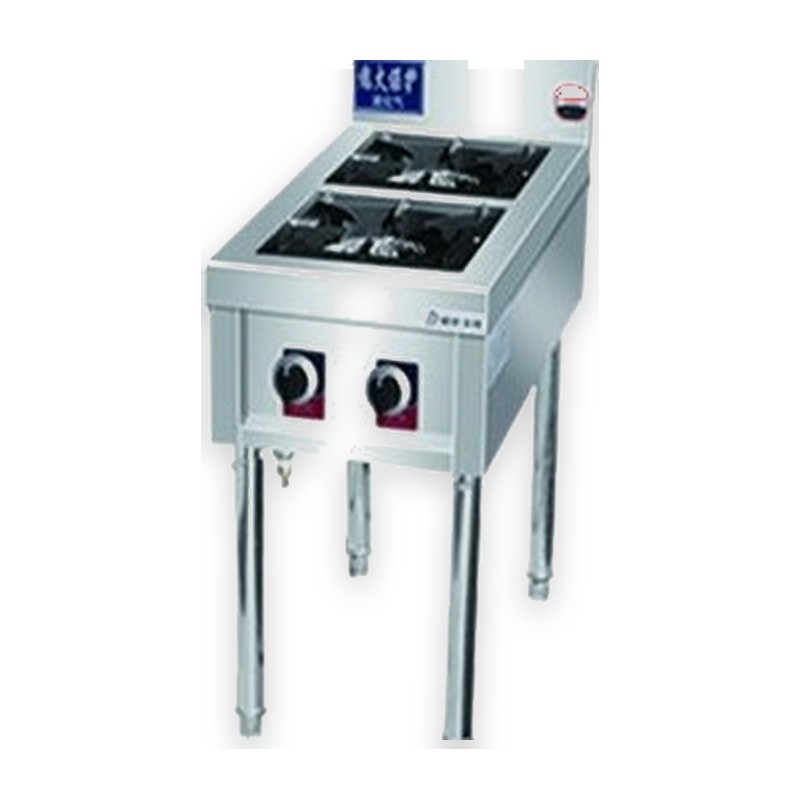
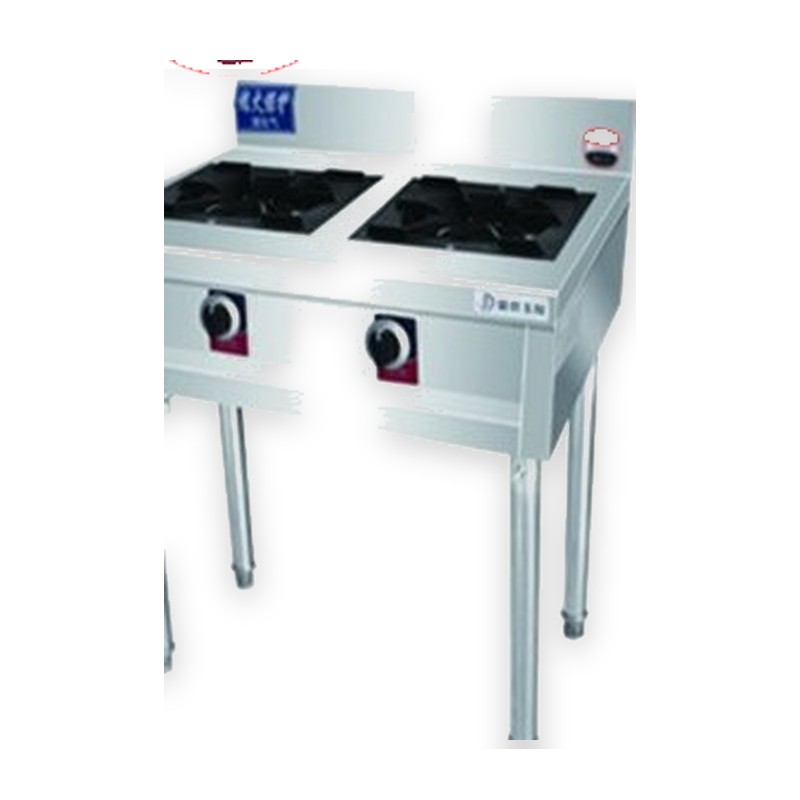
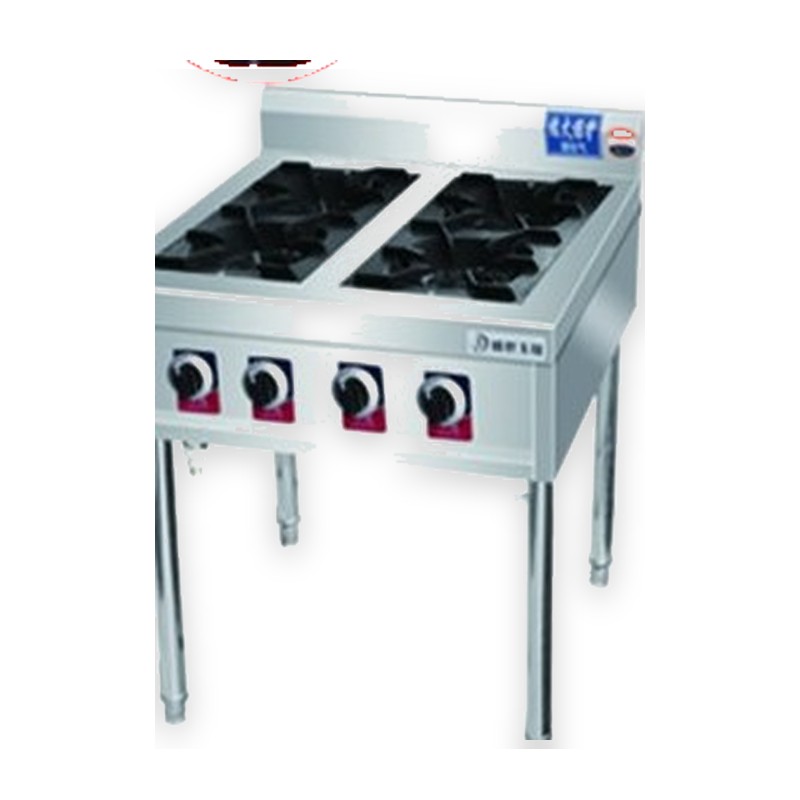
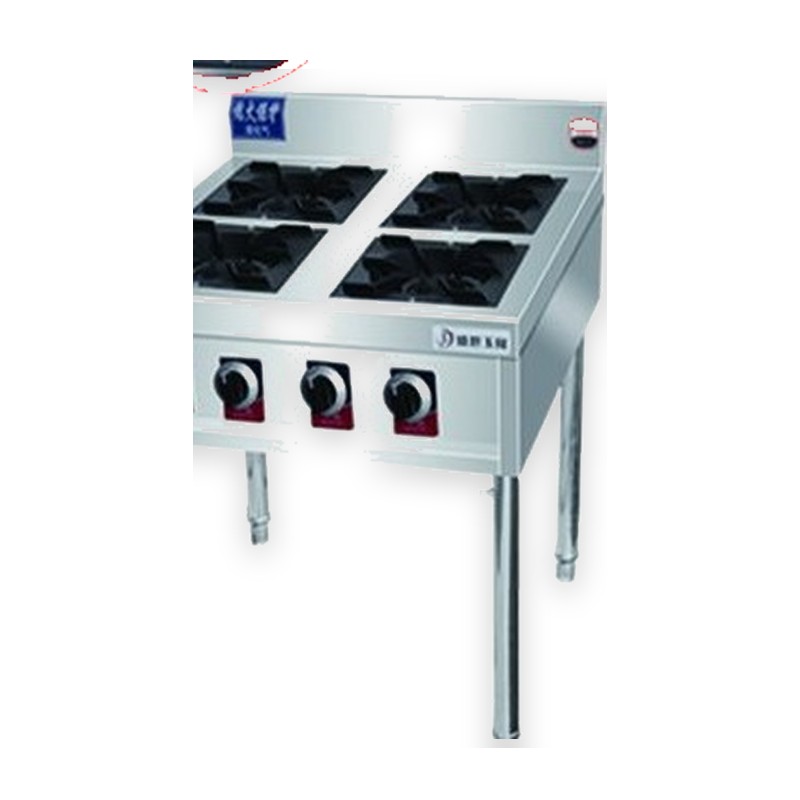
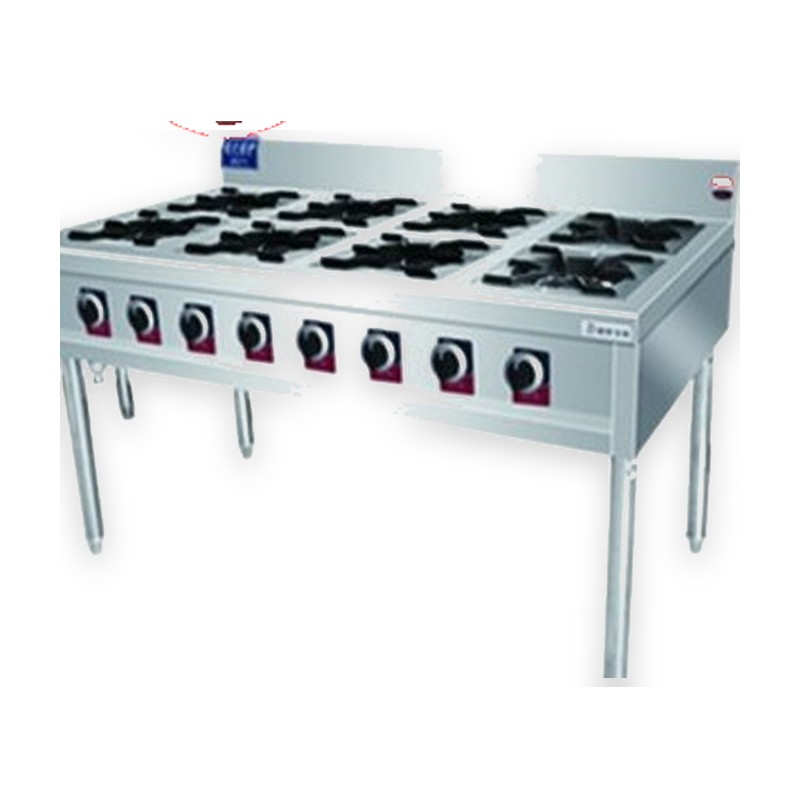
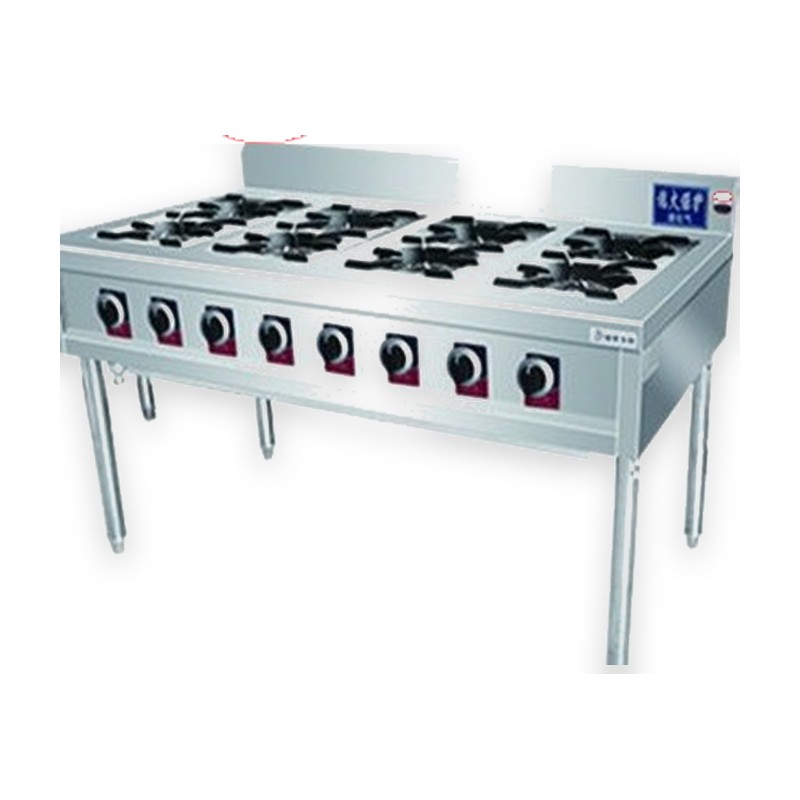
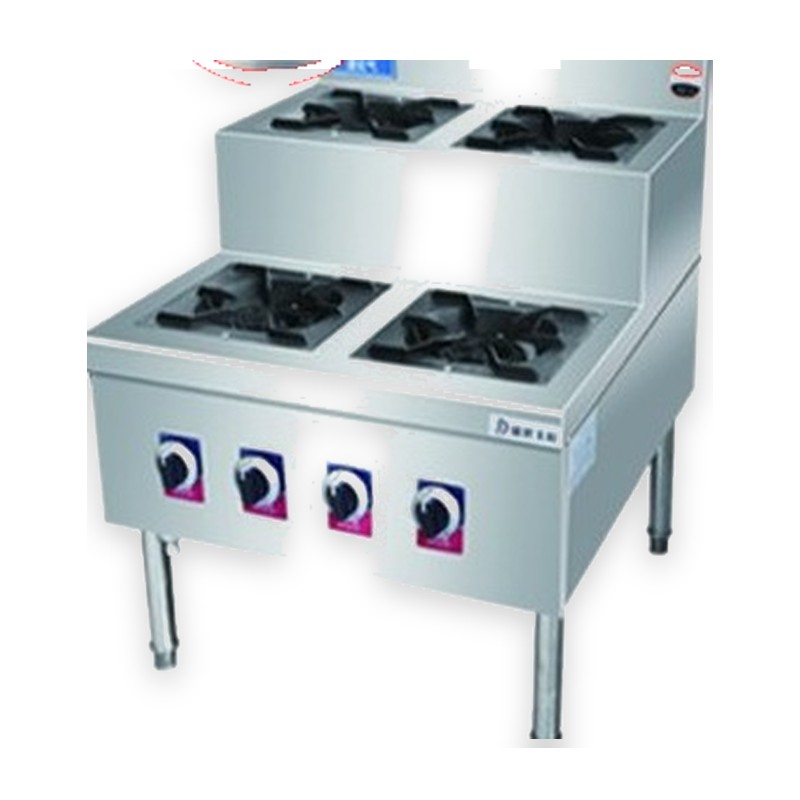
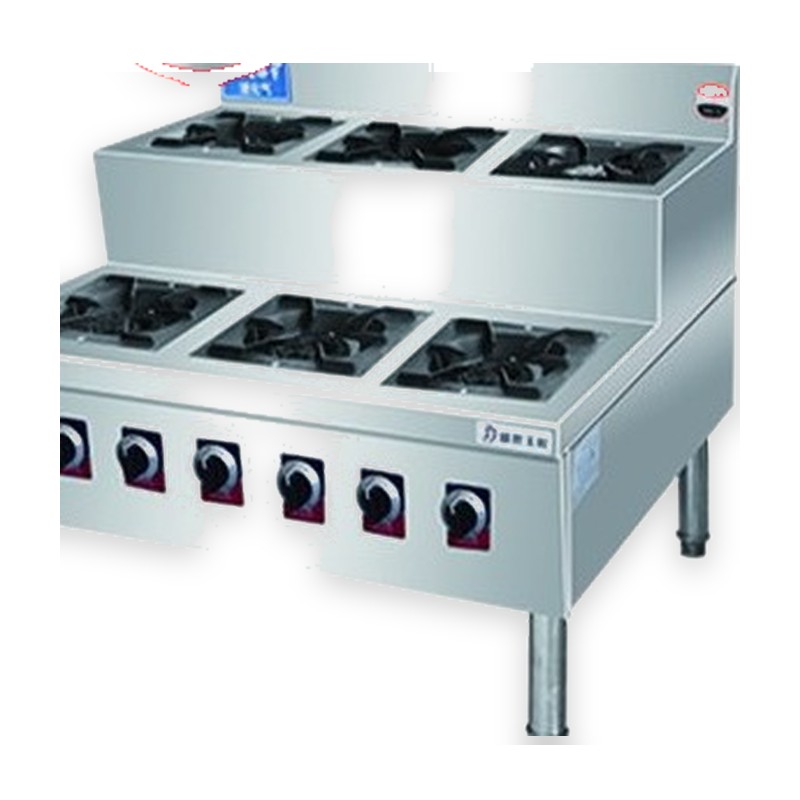
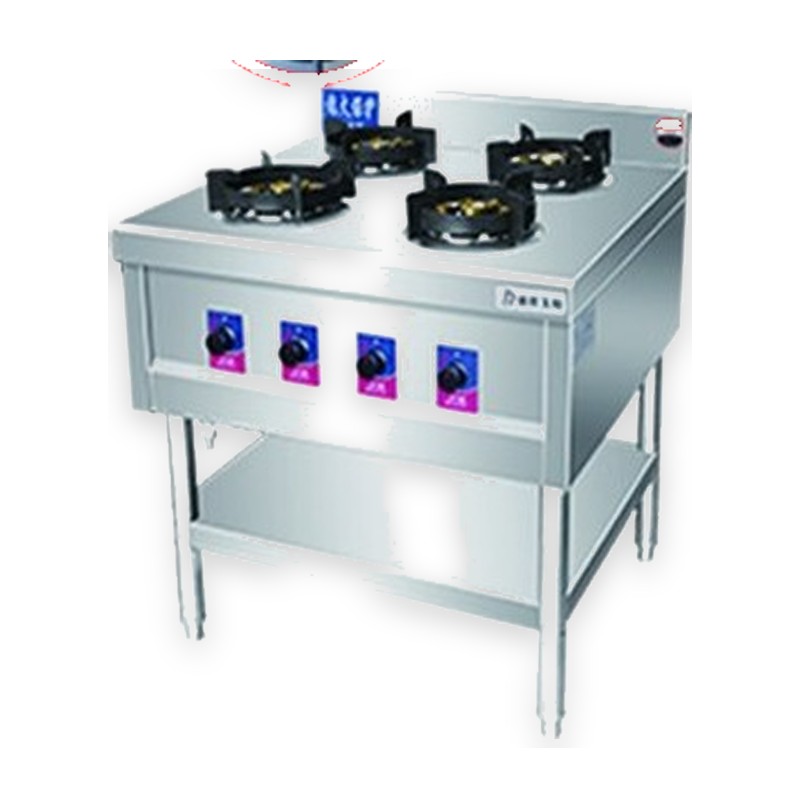
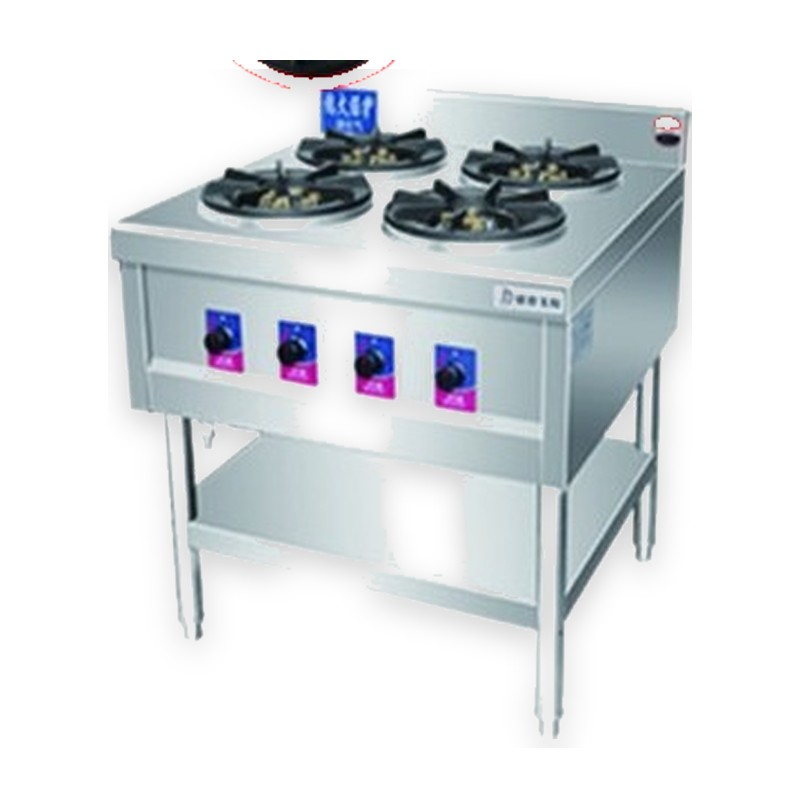
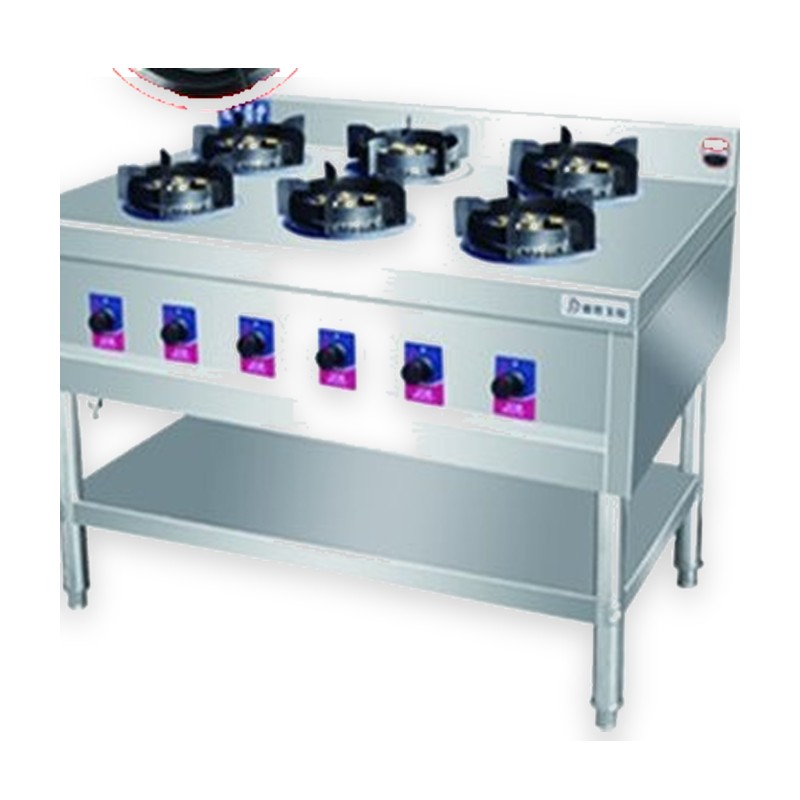
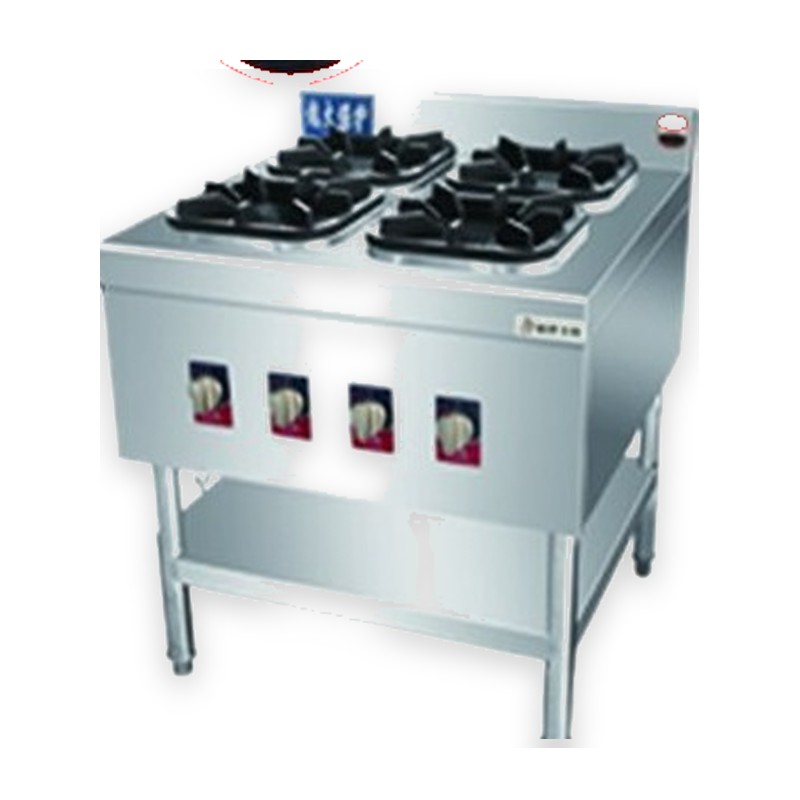
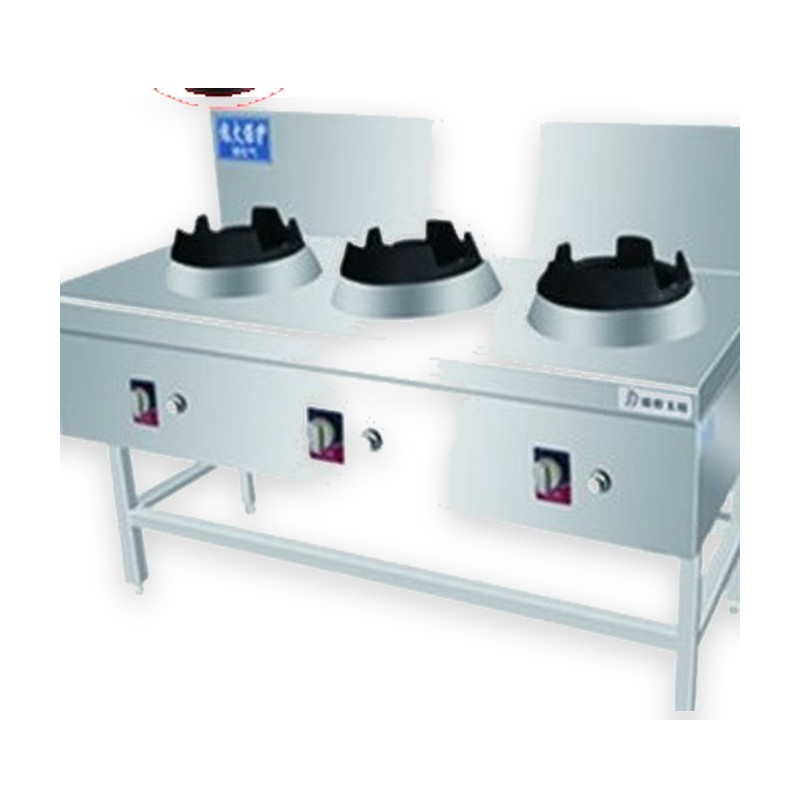
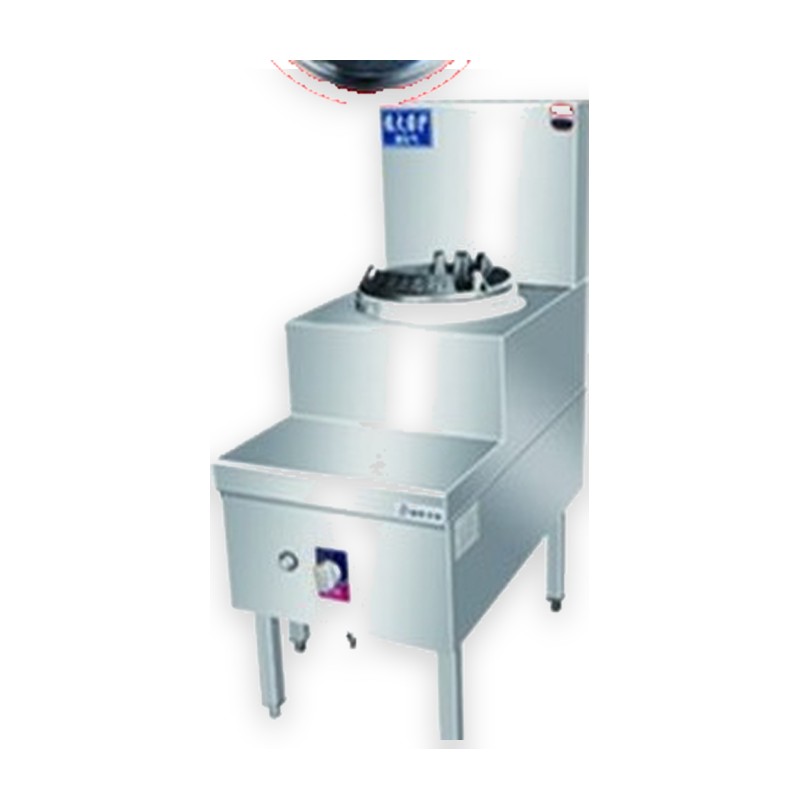
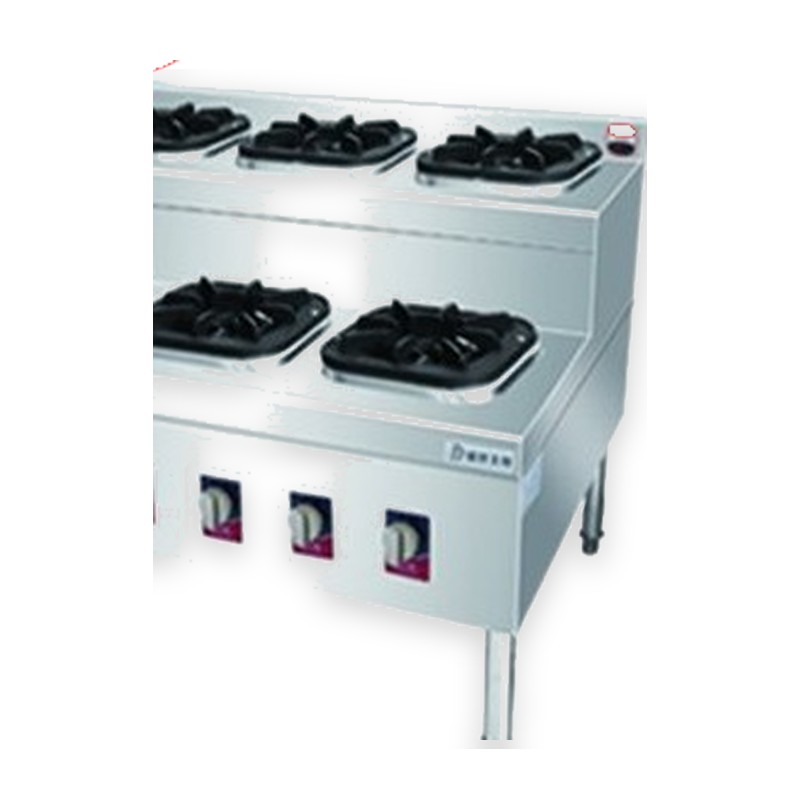
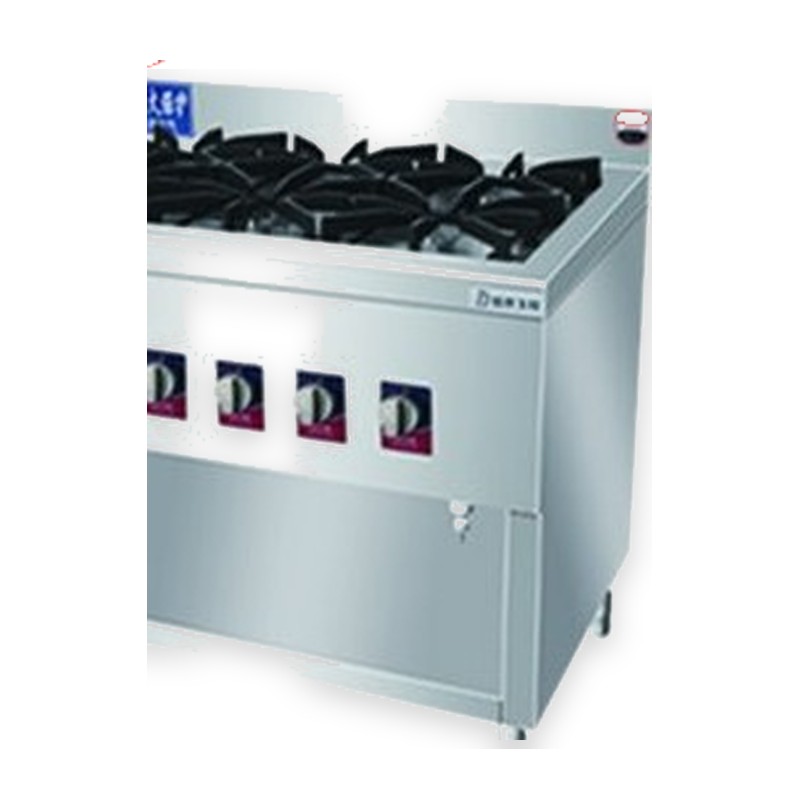
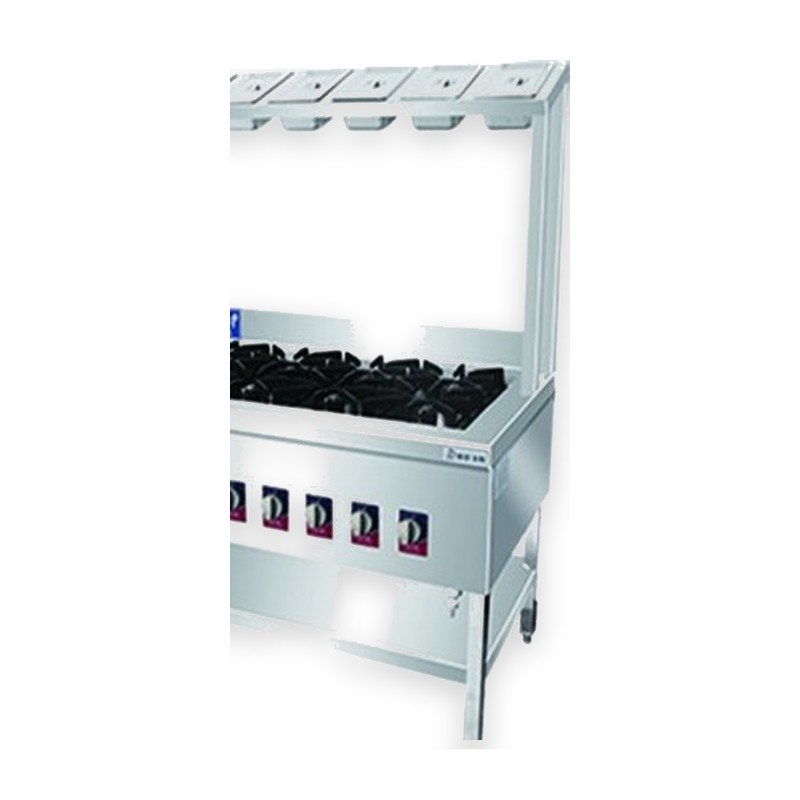
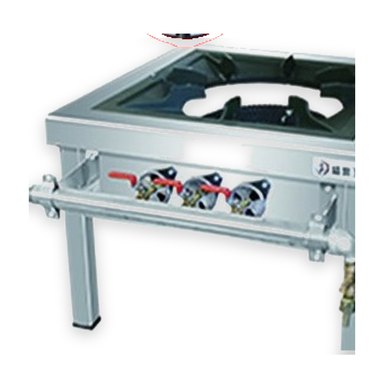 SSYL-01 单头燃气炒炉
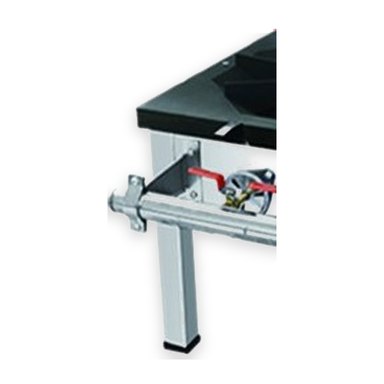 SSYL-02 单头燃气炒炉
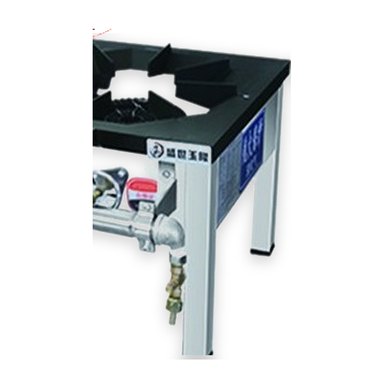 SSYL-03 单头燃气炒炉
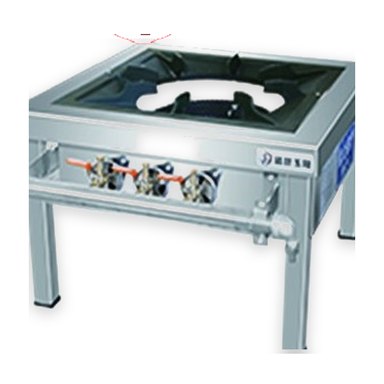 SSYL-04 单头燃气炒炉
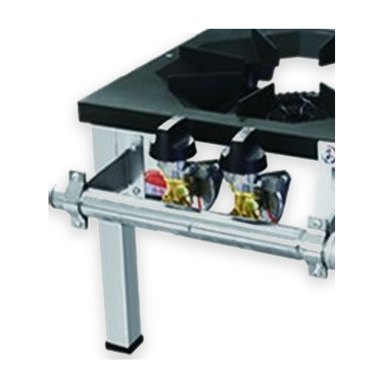 SSYL-05 单头燃气炒炉
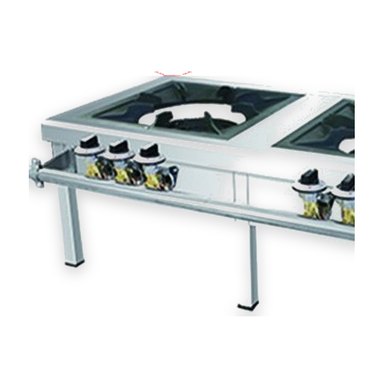 SSYL-06 双头燃气炒炉
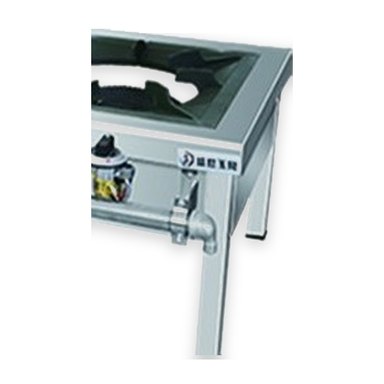 SSYL-07 单头燃气炒炉
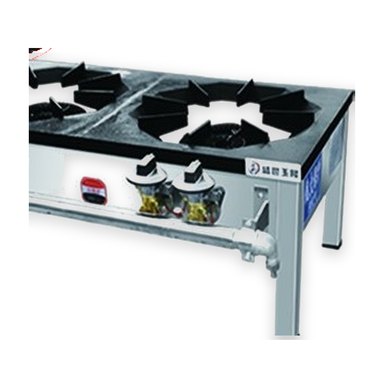 SSYL-08 双头燃气炒炉