Foshan Yuanmai Hardware Electric Appliance Co., Ltd. was established in 2016, with its headquarters located at No. 46 Longyong Avenue, Longyong Industrial Zone, Beijiao Town, Shunde District, Foshan City, Guangdong Province. The company is situated in the Pearl River Delta home appliance manufacturing industrial cluster. Leveraging Shunde's mature hardware and electrical appliance supply chain, it focuses on the research, development, and manufacturing of dough fermentation equipment. It owns the brands "Yuanmai" and "Yuanzhen".
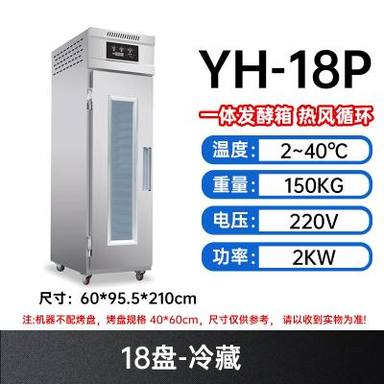
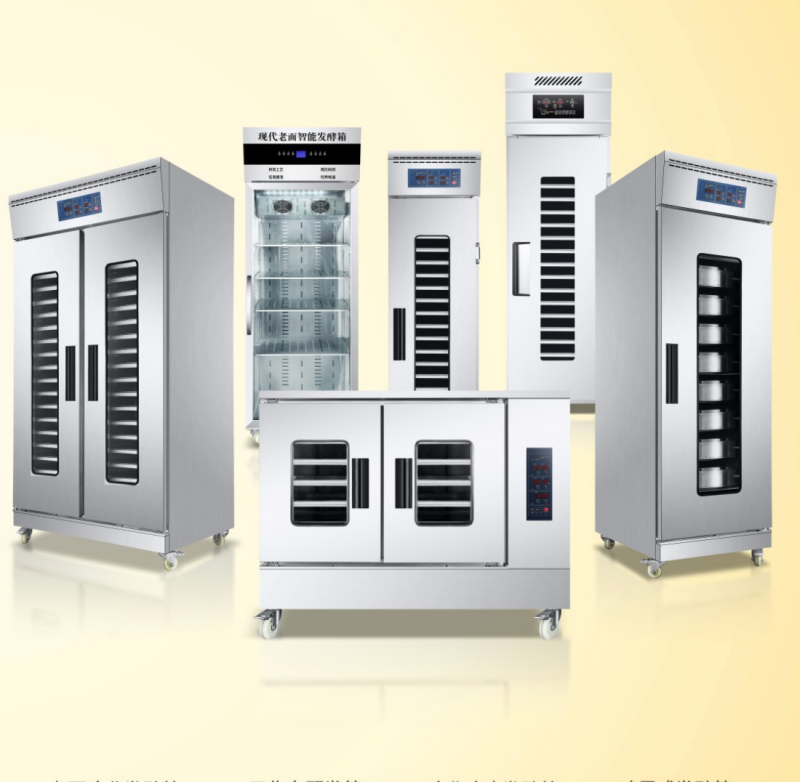
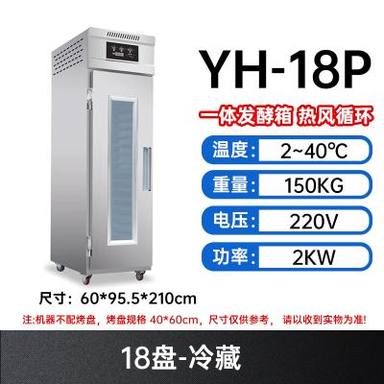
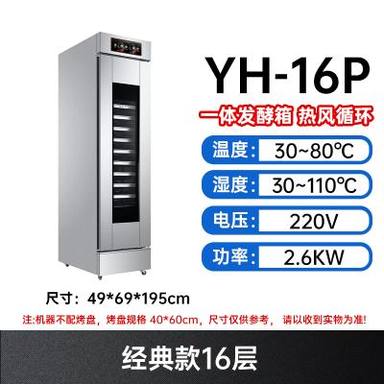
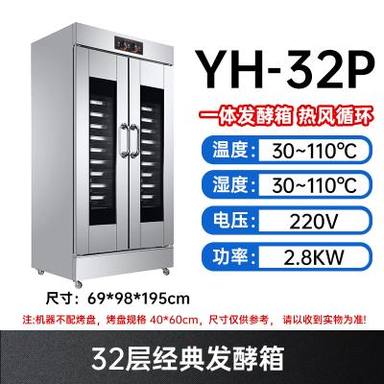
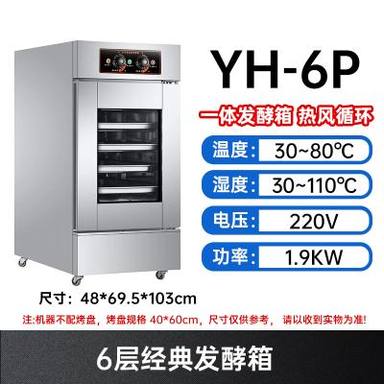
The company's main products include refrigerated fermentation cabinets (proofing cabinets), heated fermentation cabinets, baking tray racks/tray trolleys, and single-door/double-door multi-tray proofing cabinets. The products are designed around the temperature and humidity control requirements of dough fermentation processes, covering scenarios such as low-temperature refrigerated fermentation and constant-temperature constant-humidity proofing. The company has customized production and OEM cooperation capabilities, and can adapt to customers' requirements for tray count, door structure, temperature control range, and appearance labeling, meeting the supporting requirements of dough processing scenarios of different scales.
Yuanmai Electric Appliance serves customer groups such as bakery chains, central kitchens, pastry processing factories, catering distribution, and food processing equipment distributors, providing equipment selection and supporting services for the fermentation stage. Relying on its Shunde manufacturing base, the company accepts domestic and export inquiries through telephone and email channels, and provides after-sales maintenance support for products such as proofing cabinets and tray trolleys. Purchasers can communicate with the manufacturer regarding customized solutions and bulk supply matters based on their own production capacity, site, and process requirements.
What is the difference between a refrigerated fermentation cabinet and a heated fermentation cabinet, and how should one be selected?
Refrigerated fermentation cabinets are mainly used for low-temperature refrigerated fermentation, suitable for dough processes requiring long-term low-temperature slow fermentation, which can inhibit over-fermentation and stabilize dough condition; heated fermentation cabinets are used for constant-temperature constant-humidity proofing, suitable for scenarios such as bread and steamed buns that require rapid proofing. When selecting, the temperature range required by the dough process, the fermentation volume per batch, and the site space should be considered. If both refrigeration and proofing are needed, they can be configured separately or a combined solution can be consulted with the manufacturer.
How should the tray count be determined when purchasing single-door and double-door multi-tray proofing cabinets?
The choice of tray count depends on the production volume per batch, baking tray specifications, and operational flow. Single-door models occupy less space and are suitable for stores or small-batch production; double-door multi-tray models have large capacity and are suitable for continuous operation in central kitchens or pastry processing factories. Before purchasing, the number of baking trays proofed simultaneously during peak hours should be counted, with a certain margin reserved, and it should also be confirmed that the door opening direction matches the workshop layout.
What are the cabinet body and inner liner materials of proofing cabinets generally, and how should they be maintained?
Proofing cabinets generally use metal cabinet body and inner liner structures, and the specific material configuration should be based on the manufacturer's actual supply specifications. Daily maintenance should include regularly cleaning the inner liner, checking the sealing performance of door gaskets, removing scale from the humidification system, and keeping drainage unobstructed. When not in use for a long time, the power should be disconnected, it should be cleaned, and the interior should be kept dry to avoid corrosion and mold.
What is the temperature and humidity control accuracy of proofing cabinets, and what should be noted during use?
Proofing cabinets maintain the fermentation environment through temperature control and humidification systems, and the specific temperature and humidity range and accuracy should be based on the product nameplate and manual. During use, frequent door opening should be avoided to prevent temperature and humidity fluctuations, space should be left around the dough for airflow, and clean water is recommended for humidification to reduce scale. Corresponding parameters should be set for different dough processes, and sensors should be calibrated regularly.
Do the products have relevant certifications, and how should this be confirmed during procurement?
Certification information should be based on valid certificates provided by the manufacturer. During procurement, copies or scans of certification certificates should be requested from the manufacturer, and the certificate number, scope of application, and validity period should be checked. For export orders, the certification type required by the target market should also be confirmed. It is recommended to specify certification responsibilities and accompanying documents in the contract, and retain acceptance evidence.

 12 imgs
 12 imgs
 12 imgs
 13 imgs