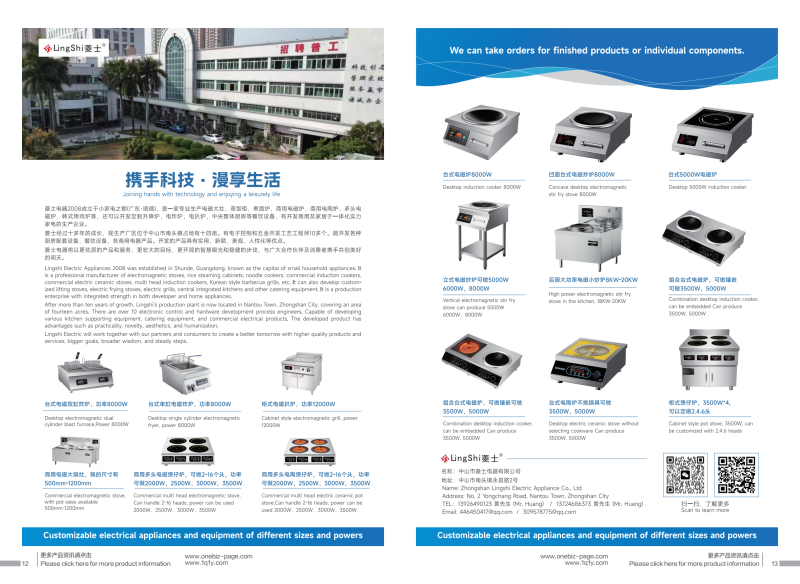
Zhongshan Lingshi Electric Appliance Co., Ltd. (English name: Zhongshan Lingshi Electric Appliance Co., Ltd., brand: LingShi) is headquartered at No. 2 Yongchang Road, Nantou Town, Zhongshan City, Guangdong Province, and was founded in 2008. The company is rooted in the commercial kitchen equipment sector and, relying on the supply chain and manufacturing base of the Pearl River Delta home appliance industry cluster, has gradually formed a research and production system for commercial cooking equipment centered on induction heating technology, providing equipment and supporting solutions for restaurants, hotels, canteens, central kitchens, and other scenarios.
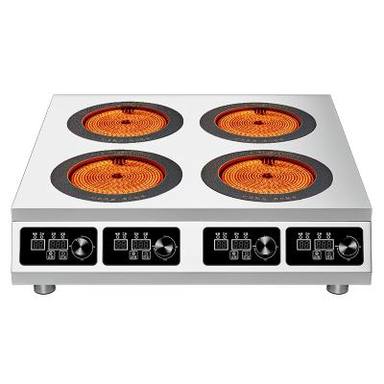
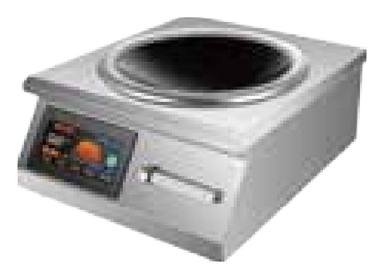
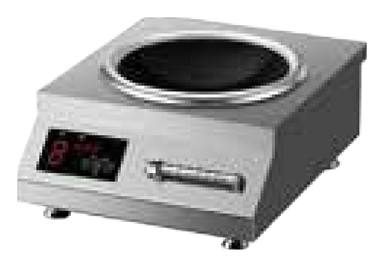
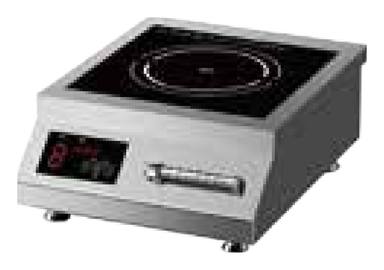
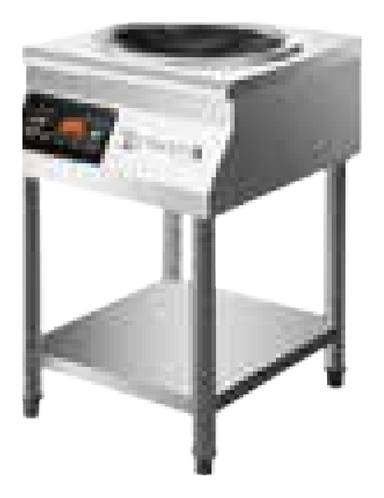
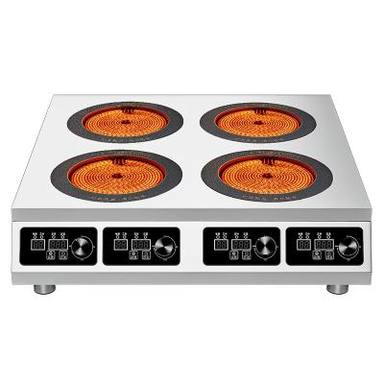
The company's main products cover commercial induction cookers/induction stoves (3500W-20KW), multi-head induction cookers/electric ceramic cookers (2-16 heads), cabinet-style induction claypot stoves, induction griddles/fryers, noodle cookers, rice steaming cabinets, Korean barbecue grills, and complete central kitchens. The product power range and head count configurations span widely, allowing adaptation to the heating needs of kitchens of different scales. The company can accept finished product or parts orders and has the capability for customization and OEM cooperation according to customer needs, and can adjust equipment configuration and structural form around specific cooking processes.
At the market level, the company focuses on the manufacture and supporting supply of commercial kitchen equipment, with customer types covering restaurant chains, canteen operators, kitchen engineering integrators, and equipment distributors. Relying on the location and industrial supporting facilities of Nantou Town, Zhongshan, the company can provide products and services to domestic and export markets, and accepts procurement inquiries and order coordination through telephone 13926490123 / 13724686373 and email 446450417@qq.com.
Commercial induction cookers range from 3500W to 20KW in power. How should procurement select models according to kitchen scenarios?
3500W-5KW is suitable for light heating such as snack stalls and milk tea shops; 8KW-12KW is suitable for continuous operations such as wok stoves and noodle cookers in medium-sized restaurants; 15KW-20KW is suitable for large-pot quick stir-frying or high-load continuous meal output in canteens and central kitchens. Model selection should be comprehensively determined based on pot diameter, single-batch output, number of heads used simultaneously, and power distribution capacity, avoiding overload with low power or insufficient power distribution with high power.
For multi-head induction cookers/electric ceramic cookers with 2-16 head configurations, how do materials and panels affect use?
Multi-head equipment usually uses microcrystalline glass panels, which are high-temperature resistant and easy to clean, but should avoid impact from hard objects. Induction heads correspond to iron cookware, while electric ceramic cooker heads are compatible with cookware of various materials. During procurement, the panel brand grade, heat dissipation structure, and independent control method should be confirmed. Independent control of multiple heads can reduce mutual interference and is suitable for stalls outputting multiple categories simultaneously.
What parameters should be noted for cabinet-style induction claypot stoves and induction griddles/fryers?
Attention should be paid to rated power, voltage system (single-phase/three-phase), heating efficiency, temperature control range, and protection functions. For claypot stoves, attention should be paid to the number of burners and pot position dimensions; for griddles, attention should be paid to plate material, temperature uniformity, and recovery speed; for fryers, attention should be paid to oil temperature control accuracy, heating time, and low-oil protection. Parameters need to match on-site power distribution, exhaust ventilation, and operating flow.
How should noodle cookers, rice steaming cabinets, and Korean barbecue grills be maintained in commercial use?
Noodle cookers need regular descaling and inspection of heating tubes and temperature control; rice steaming cabinets should keep the water tank clean and check seals and float valves; Korean barbecue grills need timely cleaning of oil stains and residue to keep exhaust ventilation unobstructed. Daily maintenance focuses on water quality treatment, electrical connection inspection, and panel cleaning. It is recommended to establish cleaning and inspection cycles according to frequency of use to extend equipment life.
Regarding product certification and after-sales maintenance, how should buyers confirm?
During procurement, suppliers should be required to provide certification documents and test reports for the corresponding products, and the consistency of model, power, and certificate should be verified. For after-sales, the warranty period, supply of wear parts, response method, and parts acquisition channels should be clarified. Since the company can accept finished product or parts orders, it is recommended to stipulate parts specifications, supply cycle, and technical support methods in the contract to ensure controllable later maintenance.
 2 imgs